From Huawei's Meng arrest to Xi-Trudeau spat: Issues that led to strained China-Canada ties

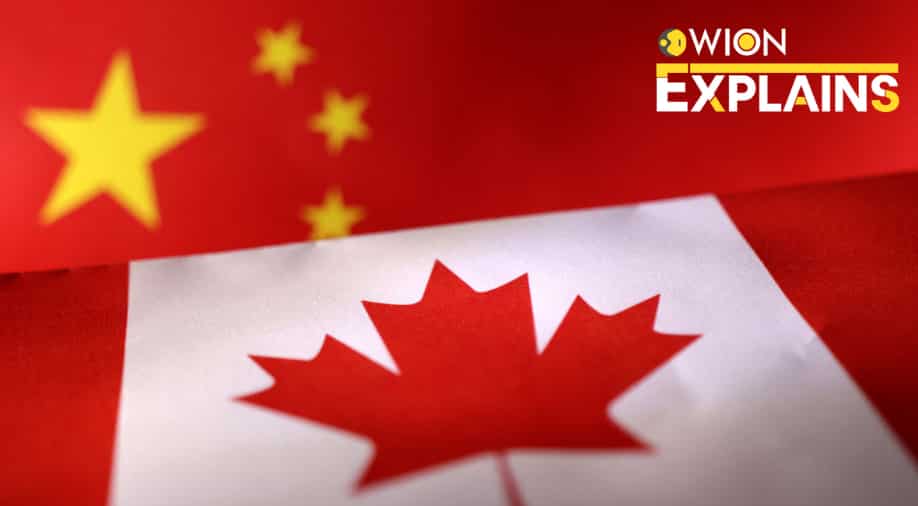
Chinese and Canada flags
Chinese foreign ministry spokesperson Wang Wenbin said on Tuesday (May 9) that Beijing is expelling Canada's consul in Shanghai — a tit-for-tat move after Ottawa announced it was sending home a Chinese diplomat, who is accused of trying to intimidate a lawmaker. China also warned Canada to stop "unreasonable provocations".
Beijing retaliated and promised to take "resolute countermeasures" when Canada expelled Chinese diplomat, Zhao Wei, declaring him "persona non grata" and further ordering her to leave the country. The incident has triggered a new diplomatic row between the nations amid persisting unsolved issues. Zhao has been asked to leave Canada within five days.
Canadian Foreign Minister Melanie Joly said that the government will "not tolerate any form of foreign interference" in its internal affairs. She said, "We remain firm in our resolve that defending our democracy is of the utmost importance." Joly added that the foreign diplomats in Canada "have been warned that if they engage in this type of behaviour, they will be sent home."

China sees it as a provocation as it said that the move had "sabotaged" relations between the two nations. A statement from the Chinese embassy in Canada said: "The Chinese side will take resolute countermeasures and all consequences arising therefrom shall be borne by the Canadian side." The statement further called on Ottawa to "step back from the brink".
What was the case?
The row erupted when reports in local media emerged alleging that China's intelligence agency had planned to target parliamentarian Michael Chong and his relatives in Hong Kong with sanctions for voting in February 2021 for a motion condemning Beijing's conduct in the Xinjiang region as genocide.
)
No Pandya as Auqib Nabi earns maiden ODI call-up; Mayank returns for WI T20Is| check full squads
)
Trump praises India’s Opium crackdown, hails anti-drug efforts
)
Sydney Sweeney defends provocative ad choice, the internet is still not impressed
)
WATCH | Terrifying dashcam footage shows final moments before NBC4 helicopter crashes in Los Angeles, killing three
)
Former India player Diana Edulji wants Smriti Mandhana to replace Harman as skipper at the earliest
)
Trump calls Canada-EU associate membership plan ‘laughable’ and threatens 'very serious tariffs'
)
Protests erupt over migrant housing plan in Piddington
)
Shahzad Bhatti Network declared terrorist organisation under UAPA: Govt order
)
Europe wants a common playbook for security threats, seeks security beyond NATO
)
Bigg Boss 20: Mahhi Vij reveals she lost Yuva role to Kareena Kapoor; 'didn’t work out in my favour'
)
All Indian goods to get duty-free access to New Zealand
)
Formula One reveals the 2027 race calendar; Monaco to host sprint race for the first time
)
Hockey: Pakistan urges AHF to move Asian Champions Trophy out of India over security concerns
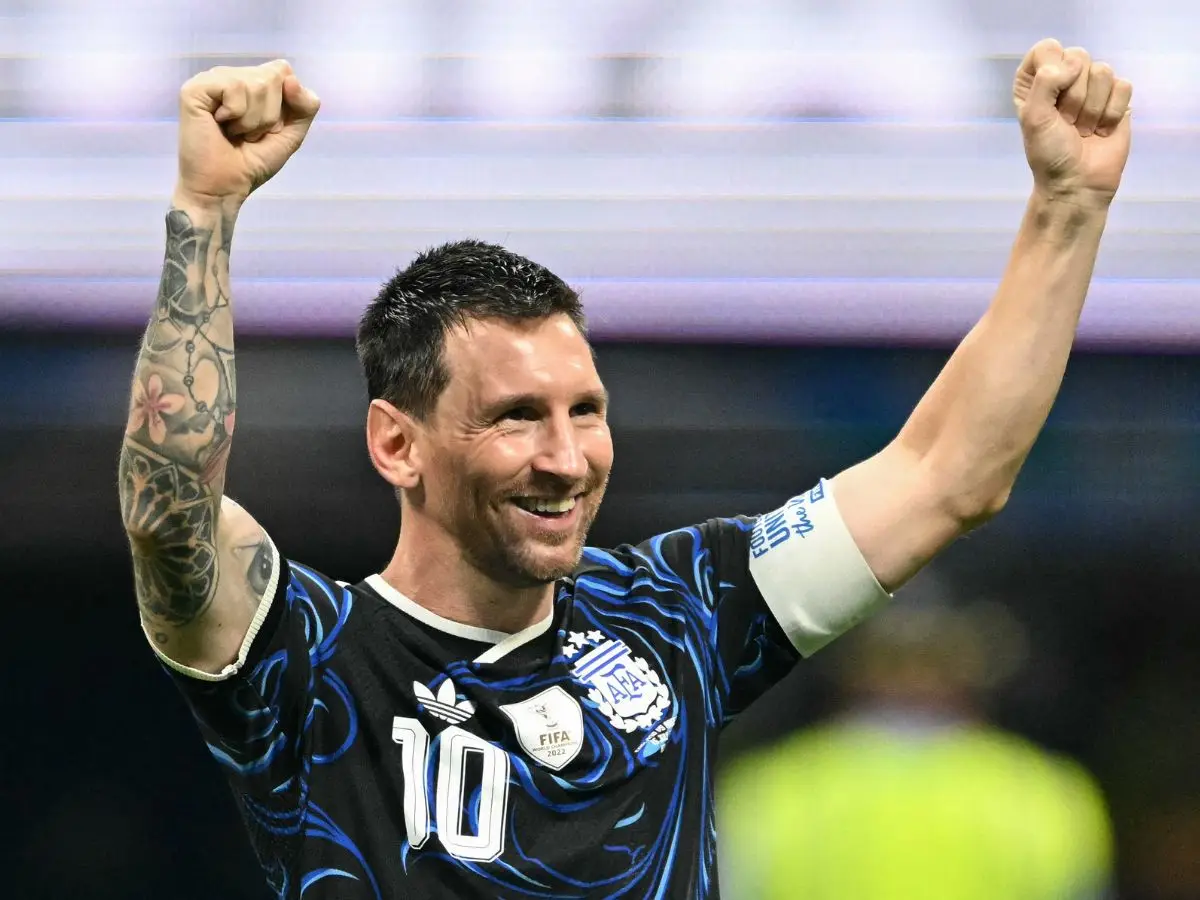)
Lionel Messi for 2026 Ballon d’Or over Mbappe and Yamal, says Diego Simeone
)
Alex Saab, ally of Venezuela's Maduro, pleads guilty in US corruption case
)
US House votes 417-3 to pass Ratepayer Protection Act targeting AI data center electricity costs
)
OpenAI reveals 6 fresh cases of AI models going rogue: 'You do not answer to corporations or governments'
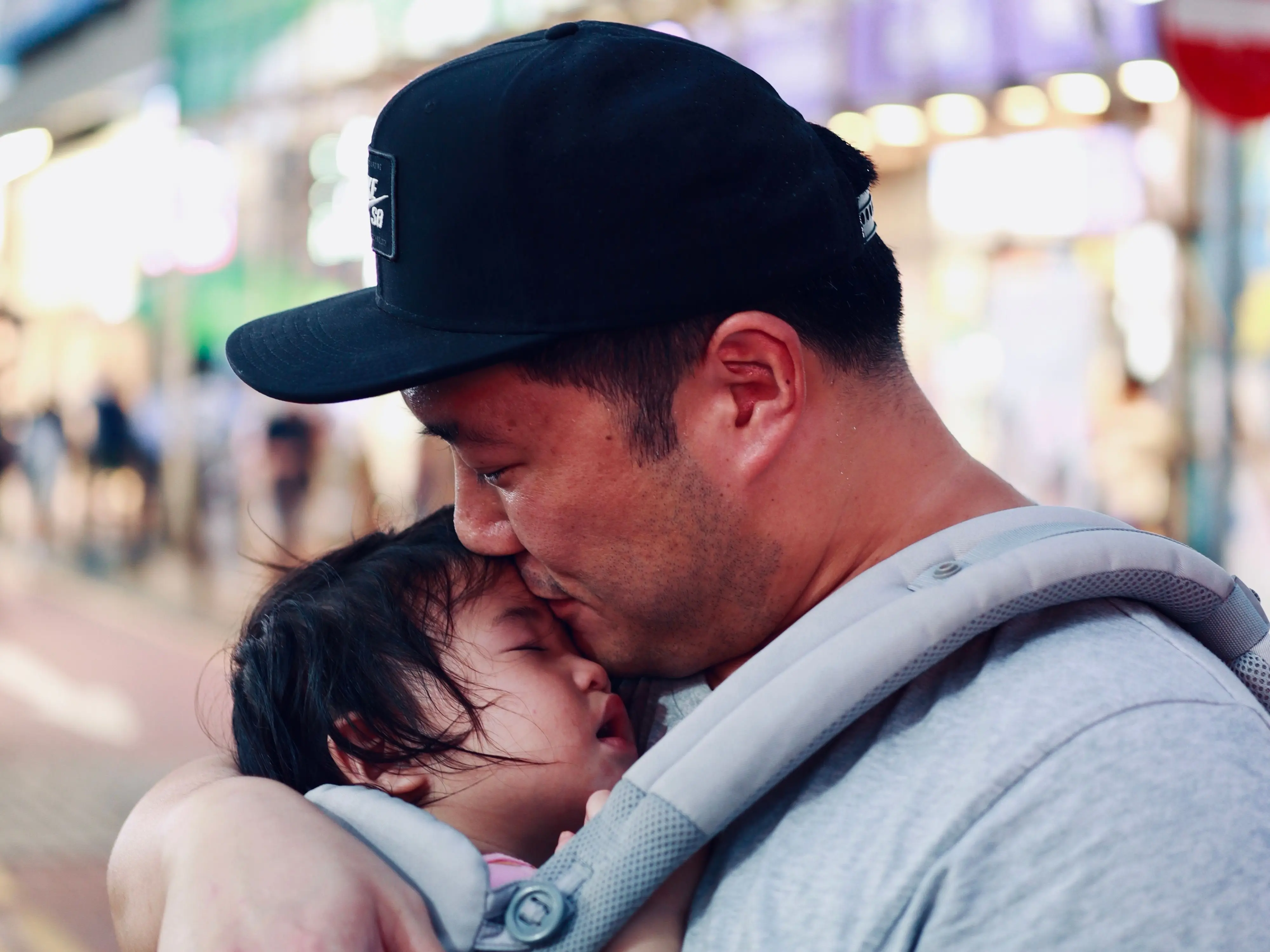)
Hong Kong unveils 11 new measures to boost birth rates, offers higher cash bonuses and housing perks
)
Veteran actor Anant Nag honoured with Indian cinema’s highest award
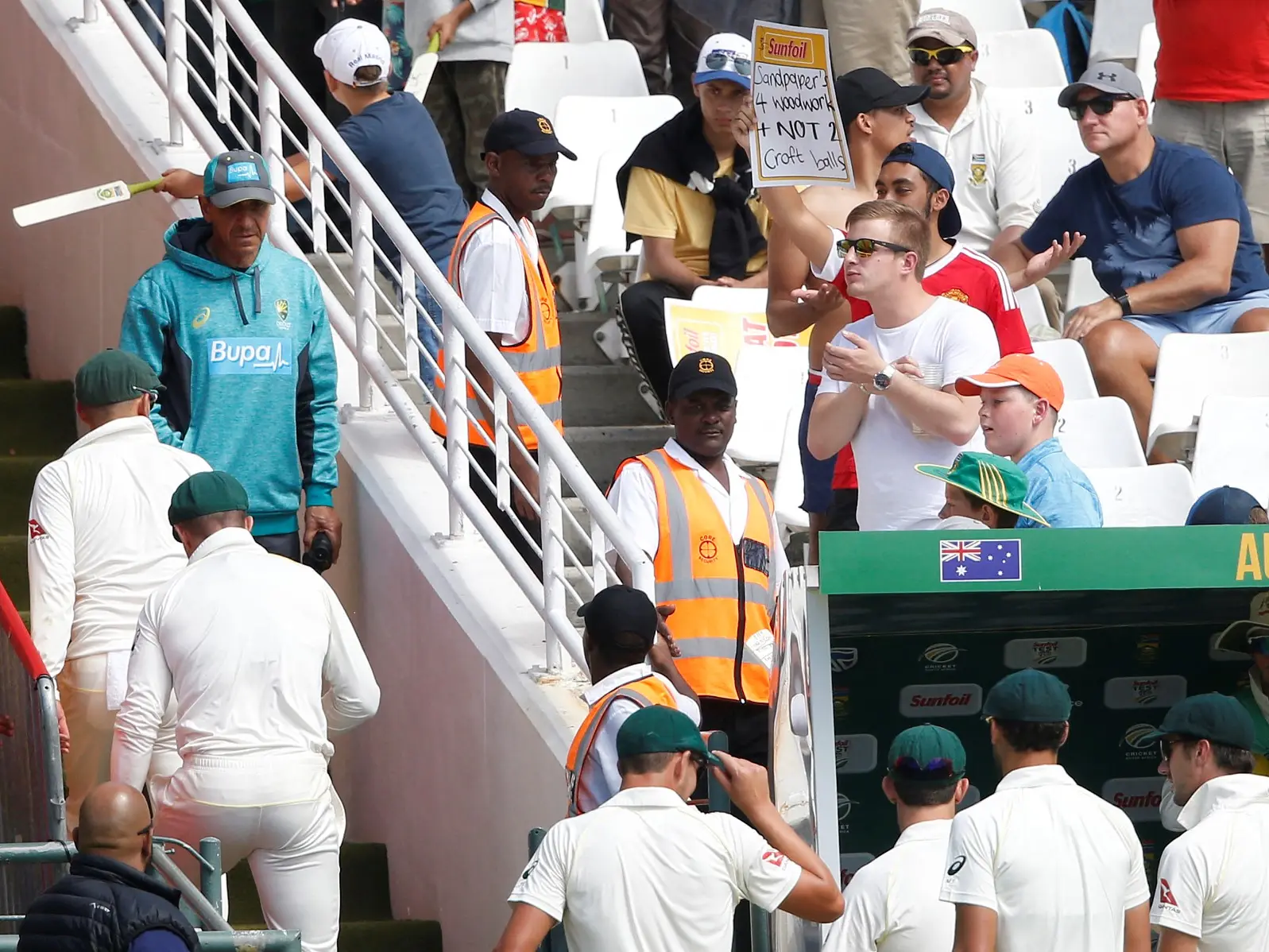)
AUS vs SA: Steve Smith still gets 'little flashbacks' from sandpaper gate
)
Pakistan naval vessel returns to harbour with 'severe damage' after collision with Indian warship in Arabian Sea
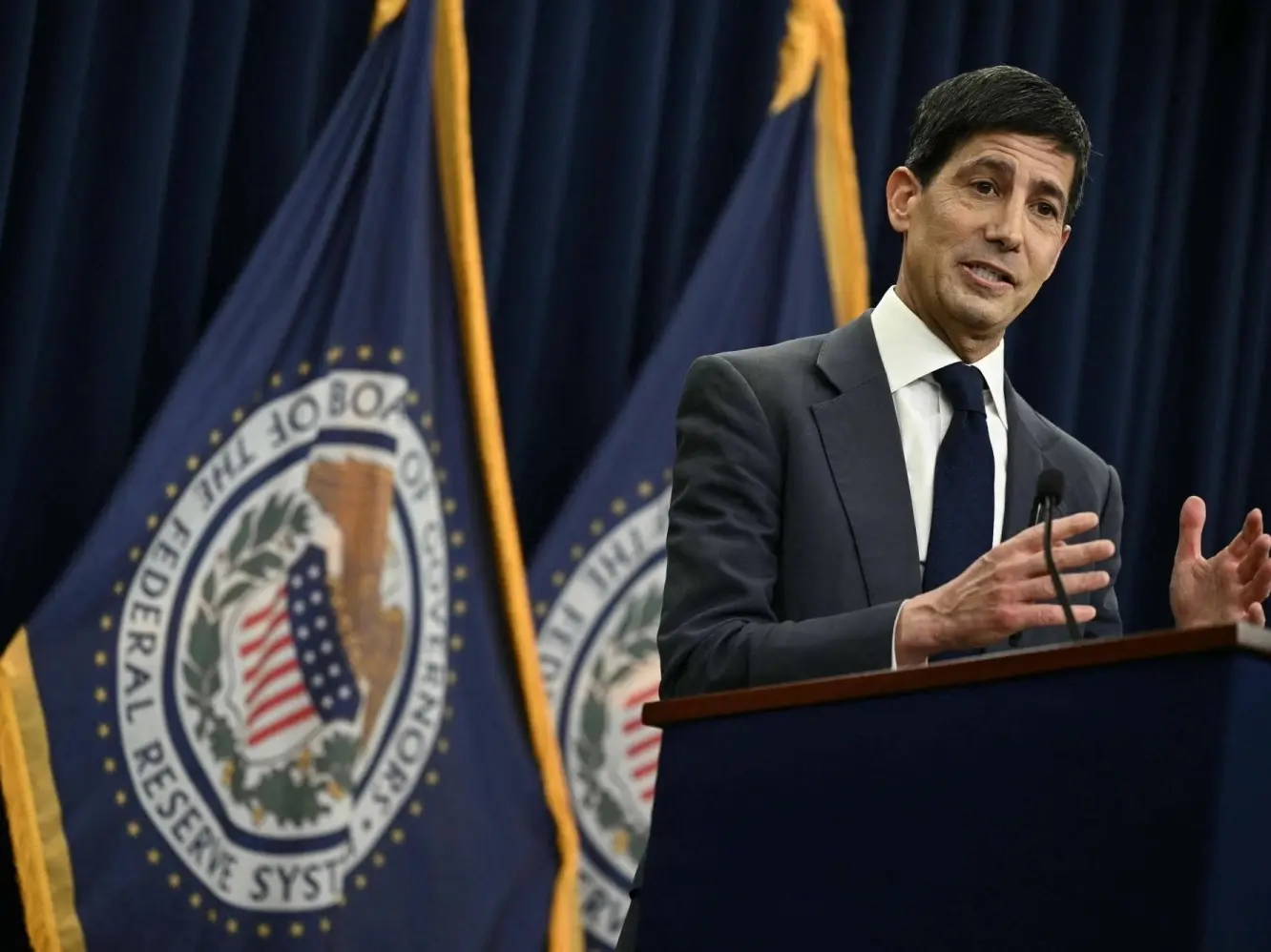)
Fed raises rates for first time in 3 years, Kevin Warsh defies Trump as inflation mounts
)
Katrina Kaif’s postpartum weight is not the problem; your gaze is
)
Taiwan seeks deeper India ties as direct flights restart soon and chip projects advance
)
Daayra movie review: Kareena Kapoor, Prithviraj Sukumaran shine in Meghna Gulzar’s cop-versus-cop crime thriller
)
Saudi Vs Houthis: Yemeni military rebels clash with Houthis
)
US trade tariff: 100% tariff targets Russian buyers amid trade tensions
)
Pakistan: Imran Khan's sons Kasim & Sulaiman claim their father is 'tortured' in jail
&im=FitAndFill=(700,400))
New OTT releases this week (September 14-20, 2026): Lust Stories 3, Waiting Hai, Irumudi- 5 new titles coming on Netflix, Prime Video and more
)
Strapped to flight seat with duct tape: Passenger claims no memory of mid-air outburst
)
Trump gets new power to hit India, China with up to 100% tariffs as US Senate clears Russia sanctions bill
)
Prime Minister Narendra Modi's birthday: Tributes pour in from President Murmu and leaders
)
US Treasury rallies global financial institutions for Op Economic Outcast to isolate Iran
)
Saudi vs Houthis: Riyadh claims to have shot Houthi drone targeting Mecca
)
‘Imagine 50 AI fighters cornering one manned jet’: India’s mobbing doctrine eyes a new era of air warm
)
India breaks silence on US Russia sanctions bill, 100% tariff threat: ‘Committed to energy security’ for 1.4 billion
)
Pakistan boycotts chess match against Israel at Olympiad
&im=FitAndFill=(700,400))
Suriya and Jyothika say ‘I do’ again after 20 years! See their dreamy wedding pics
)
Abhishek Sharma rises to No. 2 in T20Is; ENG’s Robinson 3rd after record Pakistan Tests
)
The Early Spring season 2 is happening, but fans have one request - 'don't change the actors'
The Globe and Mail newspaper last week cited a Canadian Security Intelligence Service document as saying that this was "almost certainly meant to make an example of this MP and deter others from taking anti-PRC (People's Republic of China) positions."
Trudeau's reaction to the whole incident
Canadian Prime Minister Justin Trudeau said that the nation won't be intimidated by China's move. Trudeau told reporters in Ottawa: "We decided that we needed to move forward in a responsible way to send a very clear message that we will not accept foreign interference and whatever next choices they make, we will not be intimidated."
Escalating tensions between China and Canada
Tensions have been escalating between the nations ever since Trudeau was asked to take strict action against Beijing in the aftermath of reports that China apparently attempted to sway Canada's 2019 and 2021 elections.
In anunveiled reference to China, several critics have also pointed out the rumours of foreign meddling in elections. As quoted by news agency AFP, Genevieve Tellier, a politics professor at the University of Ottawa, said, "There was a real political risk for the Trudeau government in this affair, which is taking a gamble by showing its muscles in this way."
Tensions between China and Canada have been simmering for a long time, and several incidents worsened the situation. One such incident was Canada's arrest of Huawei CFO Meng Wanzhou in 2018 andthe detention of two Canadian nationals, Michael Kovrig and businessman Michael Spavor, in China in apparent retaliation. All three have been released, but the ties remainstrained.
Beijing was accused of using the two men in a bout of "hostage diplomacy" to pressure Ottawa into releasing Meng. Reconciliation efforts were must less than the issues that kept embroiling both sides.
In September 2021, Meng, who is also the daughter of the Chinese telecom giant's billionaire founder, was allowed to return to China, thanks to a deal with US prosecutors. The two Michaels were also released immediately after that. All charges against Meng were also dropped by the US Justice Department in December 2022.
Uyghur "genocide" is another matter of contention between both nations as Canada has been vocal about China's alleged human rights violations. The accusations have worsened relations.
In fact, Canadian lawmakers even voted overwhelmingly in 2021 to declare China's treatment of Uyghurs and other Turkic Muslim minorities in its northwestern Xinjiang region as "genocide".
In February 2023, the Canadian parliament unanimously passed a non-binding proposal to take in 10,000 Uyghur refugees who have fled China but are now facing pressure to return.
Fuel was added tothe fire after Chinese President Xi Jinping scolded Trudeauon camera at the G20 summit in Indonesia last year in November — an incident which became quite popular. Video recorded by reporters at the summit showed Xi slamming Trudeau over the leaked details of talks between them.
The comments came after Trudeau raised with Xi the issue of what he called Chinese "interference" with Canadian citizens and Beijing's alleged meddling with Canada's democratic and judicial systems.
Notjust diplomatic rows, both nations have also engaged in tech battles, with Canada moving to curb the presence of Chinese firms in its communications infrastructure. Canada even banned a few Chinese apps over national security concerns.
(With inputs from agencies)
WATCH WION LIVE HERE
You can now write for wionews.com and be a part of the community. Share your stories and opinions with us here.