What is Australia's Indigenous Voice to Parliament referendum? Here's all you need to know about the proposal

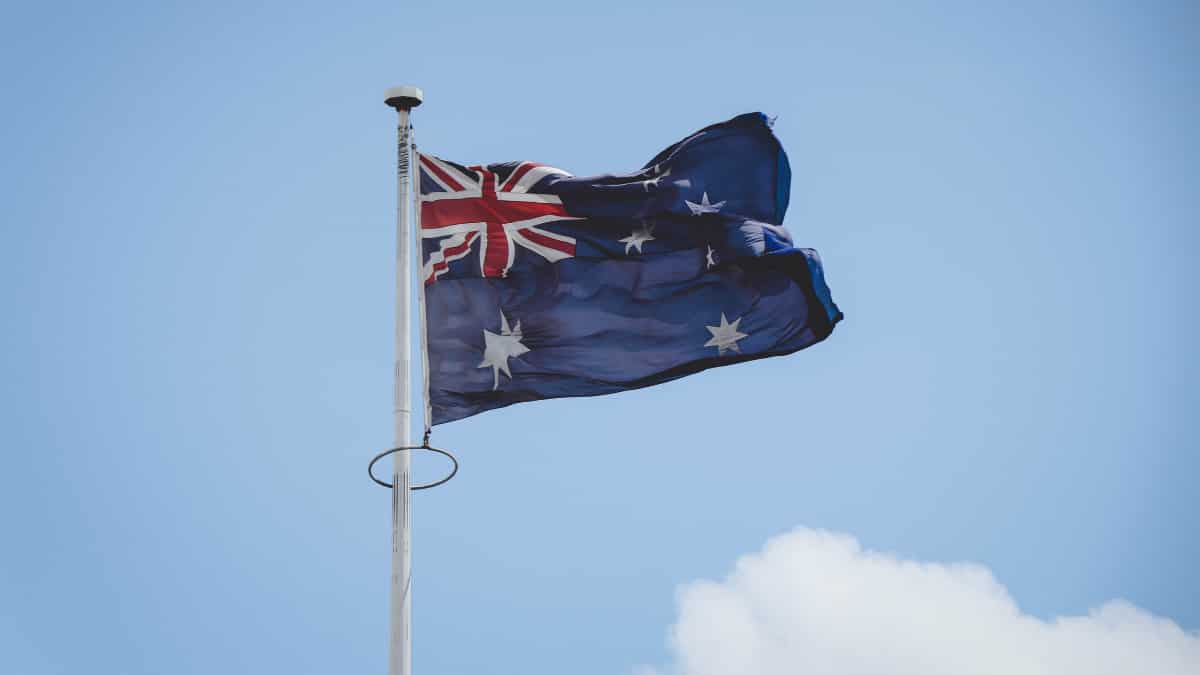
Australia flag
Australians will vote in a referendum on 14 October 2023 to constitutionally recognise its Indigenous people by establishing a representative body responsible for providing non-binding advice to the parliament.
Indigenous people of Australia consist of Aboriginal and Torres Strait Islander people. They are 3.2 per cent of Australia's total population. More than 800,000 Indigenous people have inhabited the land for 60,000 years. They comprise various groups who have their histories, cultures and languages.

After the British colonisation began in 1788, Australia's Indigenous population started plunging. The British colonisers took their land, exposed them to new diseases, pushed them to work in slave-like conditions, and even killed many. Since then, the marginalisation of Australia's First Nations people has continued. But there have been some efforts to address this issue more recently.
ALSO READ |Russia uses car tyres to cover military aircraft to deter Ukrainian drone attacks: Report
More than 60 years after the nations' establishment in 1901, Australia included the Indigenous people in census figures in 1967, following a referendum to amend the constitution.
)
Why asking questions could be more important than memorising answers
)
Osama Bin Laden ‘planned’ to target India, CIA reveals dozens of declassified documents
)
'Iran won't surrender': Pezeshkian sends blunt message to US while attending BRICS Summit in India
)
BRICS Summit 2026: Global leaders of BRICS nations attend main open session
)
Celine Dion makes emotional stage comeback after six years: 'I'm so delighted to see you'
)
PM Modi and China's Xi offered to help resolve Russia-Ukraine war: Kremlin
)
Why dehydration is the hidden cause of travel fatigue on long flights
&im=FitAndFill=(700,400))
Meet top 5 batters fastest to 3000 runs in T20Is
)
Top 5 places to visit in Goa beyond its famous beaches
)
'He is popular...': Malaysian PM Anwar Ibrahim's praise for PM Modi during bilateral meeting | WATCH
)
BRICS Summit 2026: PM Modi, Xi reach key consensus on ties, China to assume BRICS chairmanship in 2027
)
BRICS Summit 2026: Consensus on joint declaration, diplomatic win for India
)
Trump says Canada eager to reach a deal, it could come ‘fairly soon’ if Ottawa treats US farmers better
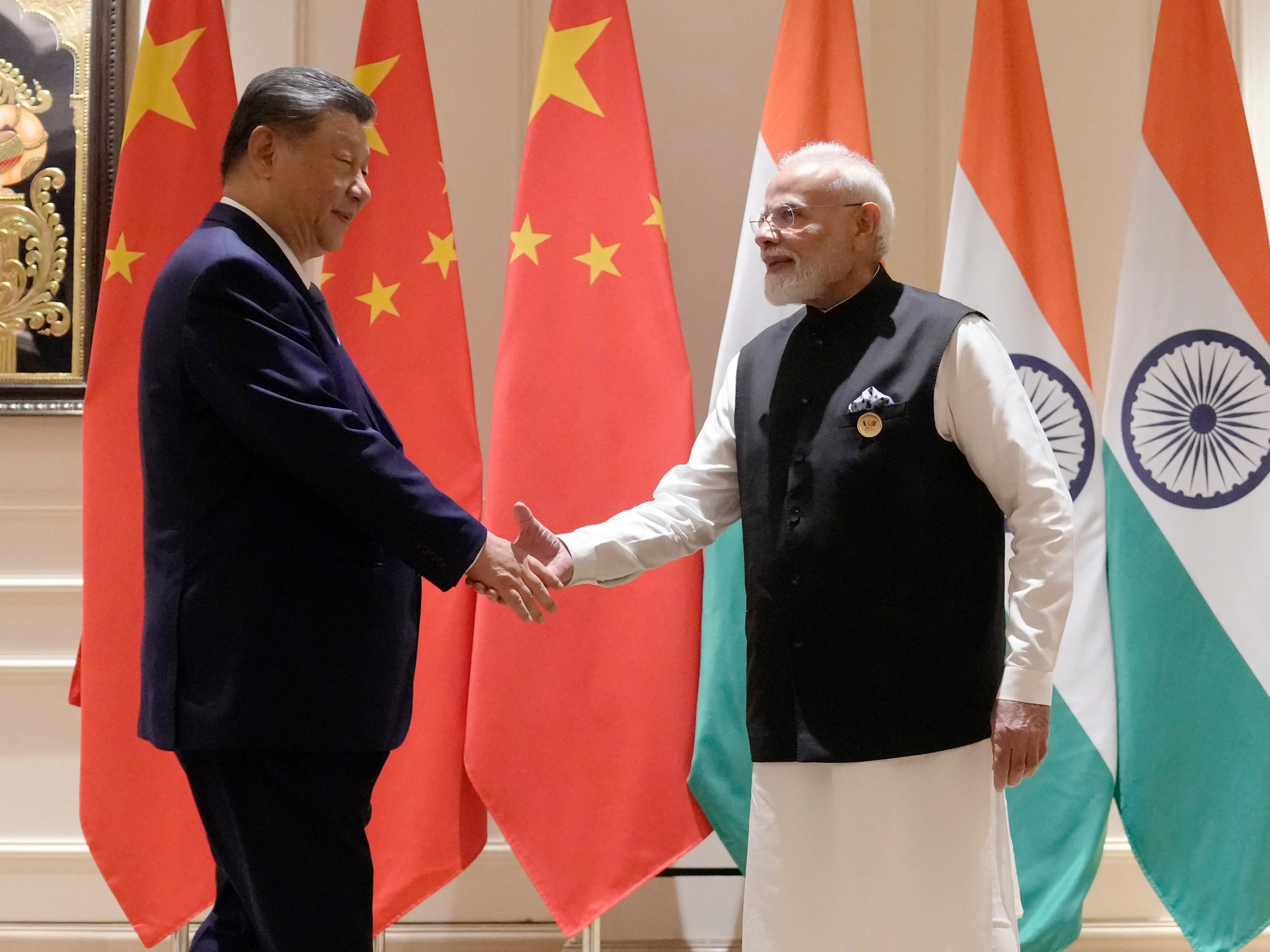)
‘Partners, not rivals’: Xi outlines four point plan for stronger India-China ties
&im=FitAndFill=(700,400))
Why Chinese PL-15 air-to-air missiles use dual-pulse motors compared to European interceptors
)
Could staying indoors all day affect your health?
)
BRICS Summit 2026: PM Modi addresses Day 2 of 18th BRICS summit
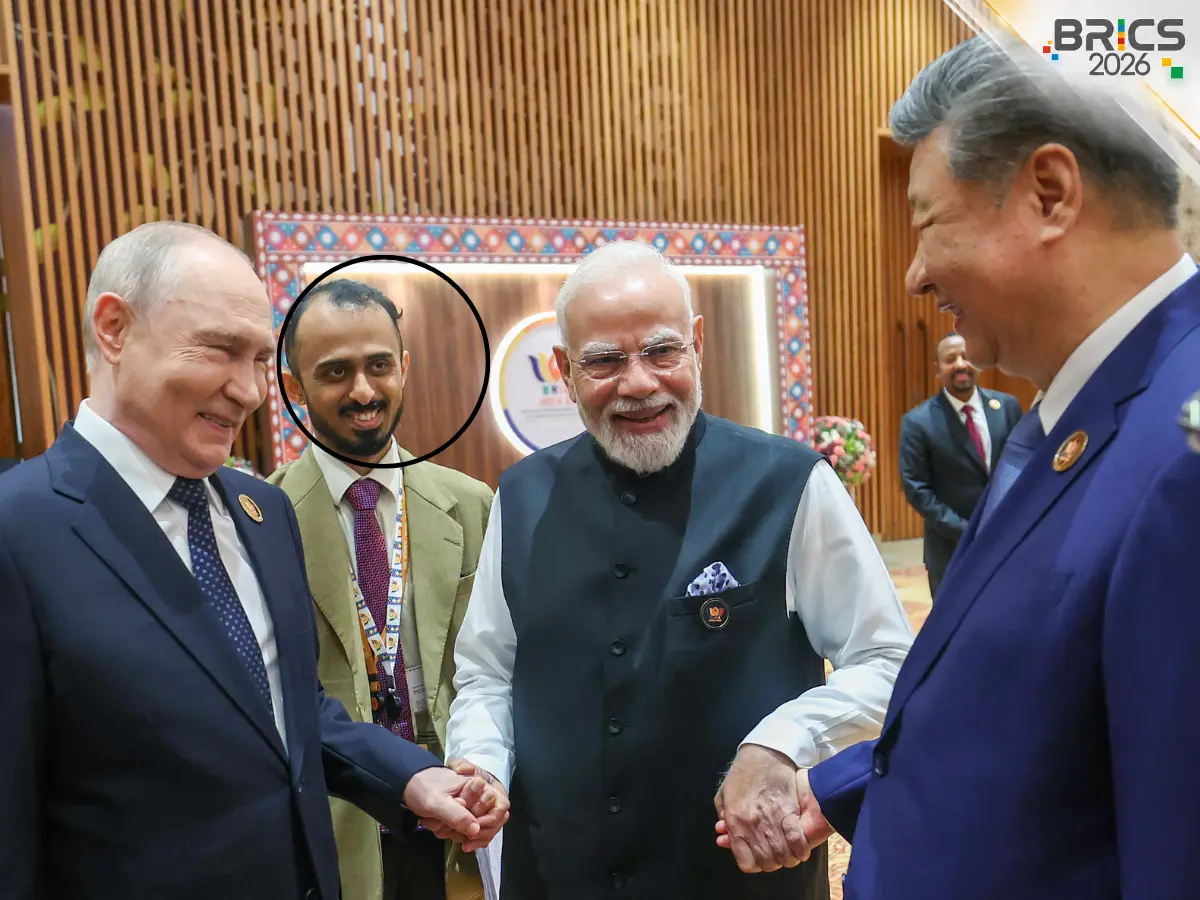)
Who is the smiling man beside Modi, Putin and Xi at BRICS Summit 2026?
)
800 million years old - Scientists discover 'fingerprints' of supercontinent Gondwana in ancient rocks
)
Why going digital does not always mean becoming more efficient
&im=FitAndFill=(700,400))
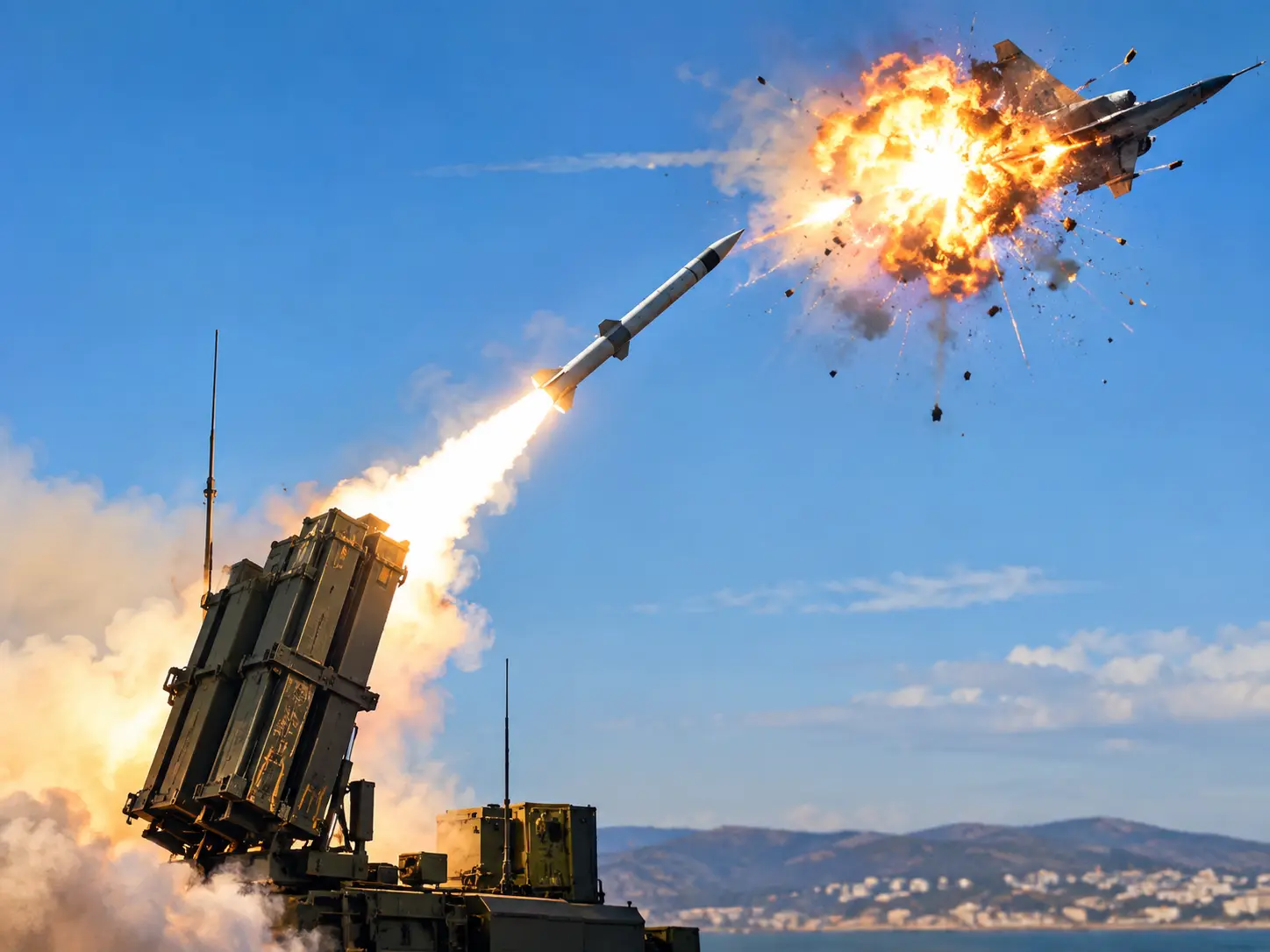
Why do air defence missiles explode near their target instead of hitting it?
)
War is making Russia stronger? How Ukraine is shaping Moscow’s next generation of weapons
)
Migration protests return to Portsmouth as rival demonstrations face off
)
From severe mobility problems to recovery: Madhuri the elephant’s journey of wildlife care
)
BRICS Summit day 1: New Delhi declaration adopted with full consensus, big diplomatic win for India
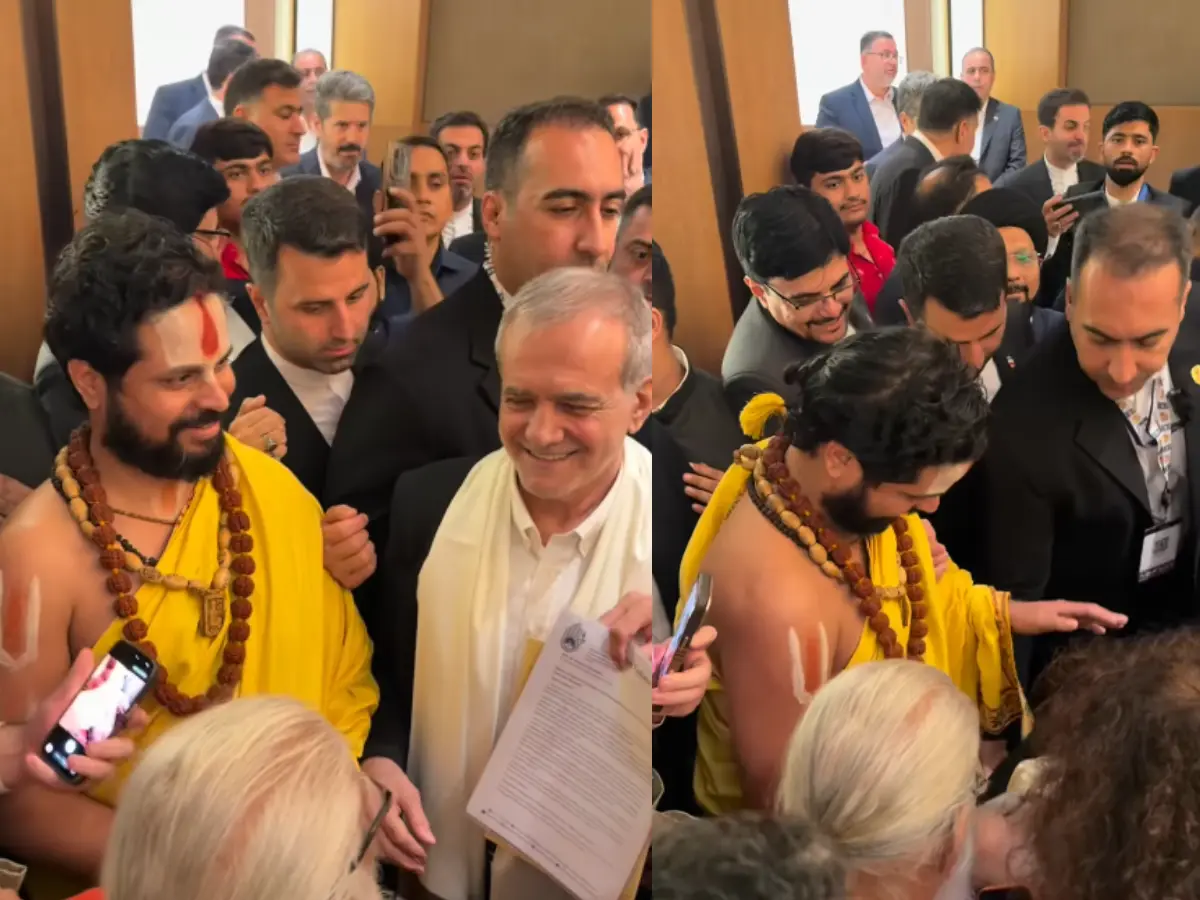)
Did Iran President Pezeshkian touch feet of Hindu spiritual leader at Delhi event as shown in viral video?
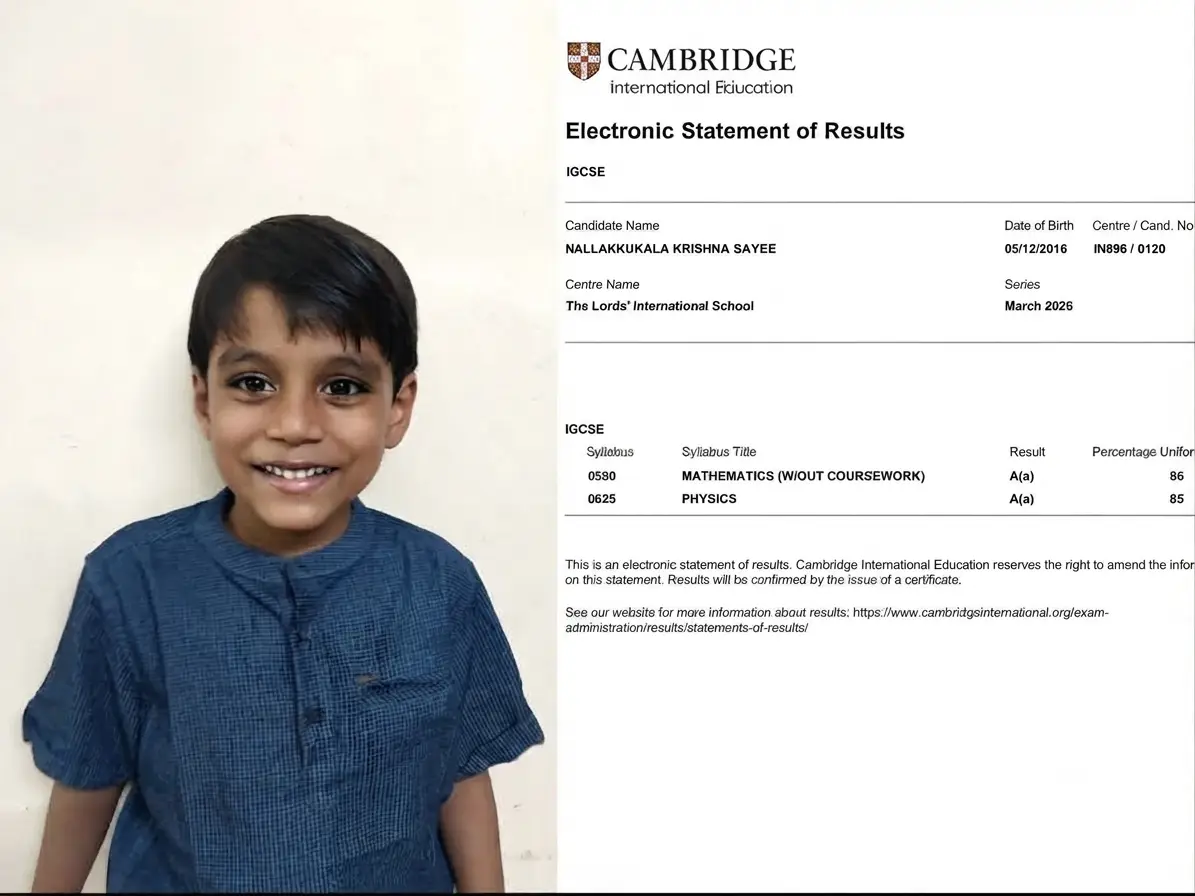)
9-year-old Chennai prodigy clears Cambridge IGCSE grade 10 exams
)
Why does your body need time to adjust after a long journey?
)
BRICS Summit 2026: PM Modi to hold bilateral with leaders of seven countries
)
Ramanathaswamy temple takes centre stage as PM Modi welcomes world leaders at BRICS
)
Houthis launch cross-border strike on Saudi Arabia as Yemen war escalates
)
BRICS Summit 2026: Chinese president Xi Jinping departs from New Delhi after attending BRICS summit
)
Why does your skin need protection from UV rays?
)
How does the loss of forests affect the way wildlife lives and moves?
)
IND vs AFG, 1st T20I: When and where to watch live streaming in India?
)
Why do wild animals need quiet places to survive?
)
Bigg Boss 20: Qazi Touqeer gets a special ‘rockstar’ moment from Salman Khan
)
Humans may lose control of AI: Anthropic CEO calls for slowdown, Altman, Musk back him
In 2017, around 250 First Nations representatives gathered at the holy monolith landmark of Uluru in central Australia. They created the 'Uluru Statement from the Heart', calling for a First Nations Voice enshrined in the constitution. However, at that time, the conservative government rejected the call.
When Anthony Albanese became prime minister in 2022, he promised to hold a referendum to include an Aboriginal and Torres Strait Islander Voice in the parliament, giving Australians a say. According to Reuters, Albanese has staked much of his political capital on the referendum by making it one of the prime issues.
The supportive forces comprise the left-wing Greens party, independent legislators, welfare groups, and national and ethno-religious groups.
However, some people oppose it on both flanks of the political ridge. Lidia Thorpe, an independent Indigenous senator, is one of them. She left the Green party over concerns about the Voice proposal, as she wants a treaty between the government and Indigenous people first, parallel to what New Zealand and Canada have.
While New Zealand's Treaty of Waitangi in 1840 promises to protect Maori culture, Canada recognises the rights of its Indigenous people under the Constitution Act 1982.
Those against the proposal are the conservative Liberal Party and the rural-based National Party. They have appealed to Australians to vote "No" in the referendum.
A campaign called "Recognise a Better Way" suggests creating an all-party parliamentary committee to address the concerns of native titleholders instead of having a referendum on establishing a Voice to Parliament.
(With inputs from agencies)
WATCH WION LIVE HERE