
&imwidth=800&imheight=600&format=webp&quality=medium "What is 25th Amendment and why using it against Trump may not be easy")
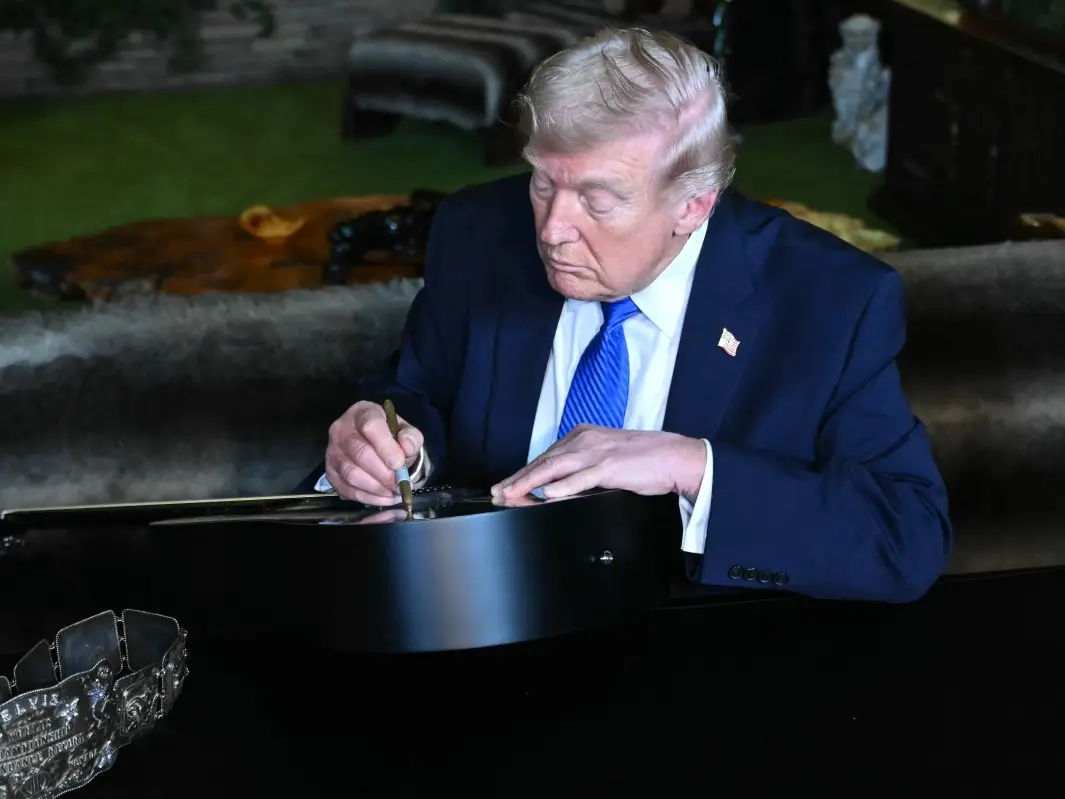
Amid rising tensions in West Asia following the collapse of peace talks between the United States and Iran, renewed calls have emerged in Washington to invoke the 25th Amendment against US President Donald Trump. However, constitutional experts and political observers suggest that such a move remains highly unlikely under current conditions.
The 25th Amendment to the US Constitution, ratified in 1967 in the aftermath of the assassination of John F Kennedy, was designed to ensure continuity of leadership in cases of presidential death, resignation or incapacity. It lays out clear procedures for the transfer of power and the line of succession within the executive branch.
What does it say?

Also read: Iran pushes back after Vance remark, cites record of ‘good faith’ on nuclear issue. Details inside
The amendment includes provisions for both voluntary and involuntary transfer of presidential authority. Section 3 allows a president to temporarily hand over powers to the vice president during periods of medical incapacity, a mechanism that has been used during routine medical procedures.
More controversially, Section 4 provides a pathway for involuntary removal. Under this clause, the vice president, currently JD Vance, along with a majority of the cabinet, must formally declare that the president is “unable to discharge the powers and duties” of the office. In such a scenario, the vice president immediately assumes the role of acting president.
Trending Stories
)
The Early Spring is proof not everyone can talk about their real feelings, and it is perfectly OK
)
UN votes to ‘correct the map’ as India backs fairer world view
)
Nigerian Navy discovers 99,000 litres of suspected stolen, illegally refined products as it intensifies anti-crude oil theft operations
)
Who is Aditi Paudel? 17-year-old becomes Japan's first literacy ambassador
)
Bengaluru: Officials find 40 kg expired chilli at chairman's club
)
Jaishankar rejects trade link to ending Ukraine war
)
Israeli strikes on Lebanon kill three, injure 23 despite truce
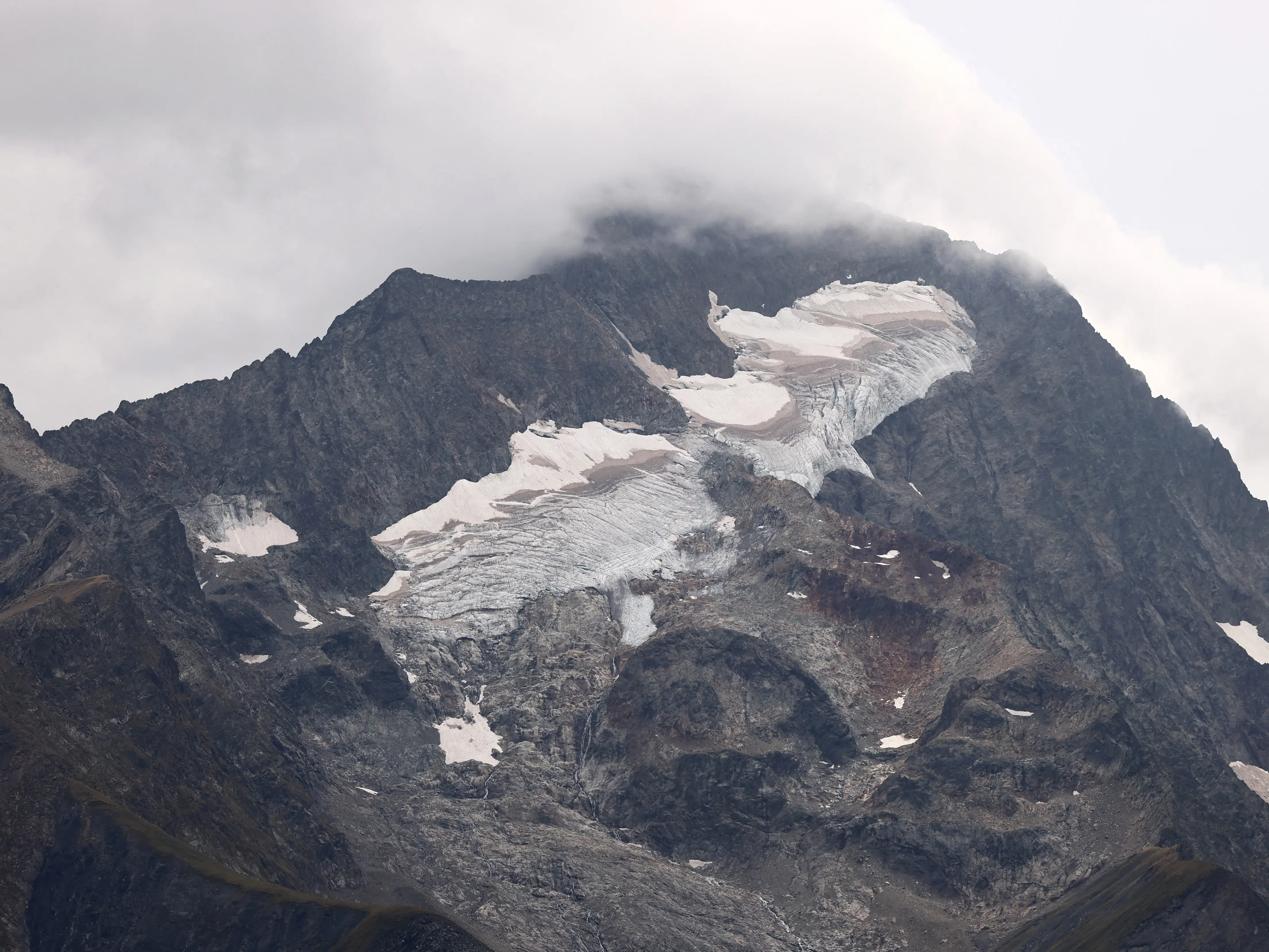)
Alpine glacier was covered with sheep wool sheets to prevent melting. It worked
)
South Korea mulls deploying military assets to Strait of Hormuz
)
World's fifth-largest economy, British army can't afford to train
)
Breaking | Vance takes the podium: First White House briefing since Leavitt's exit
)
Taiwan raises 'concerns' over China's missile test
)
BRICS 2026: $1 trillion sovereign capital set to converge in Delhi for first iBRICS Summit
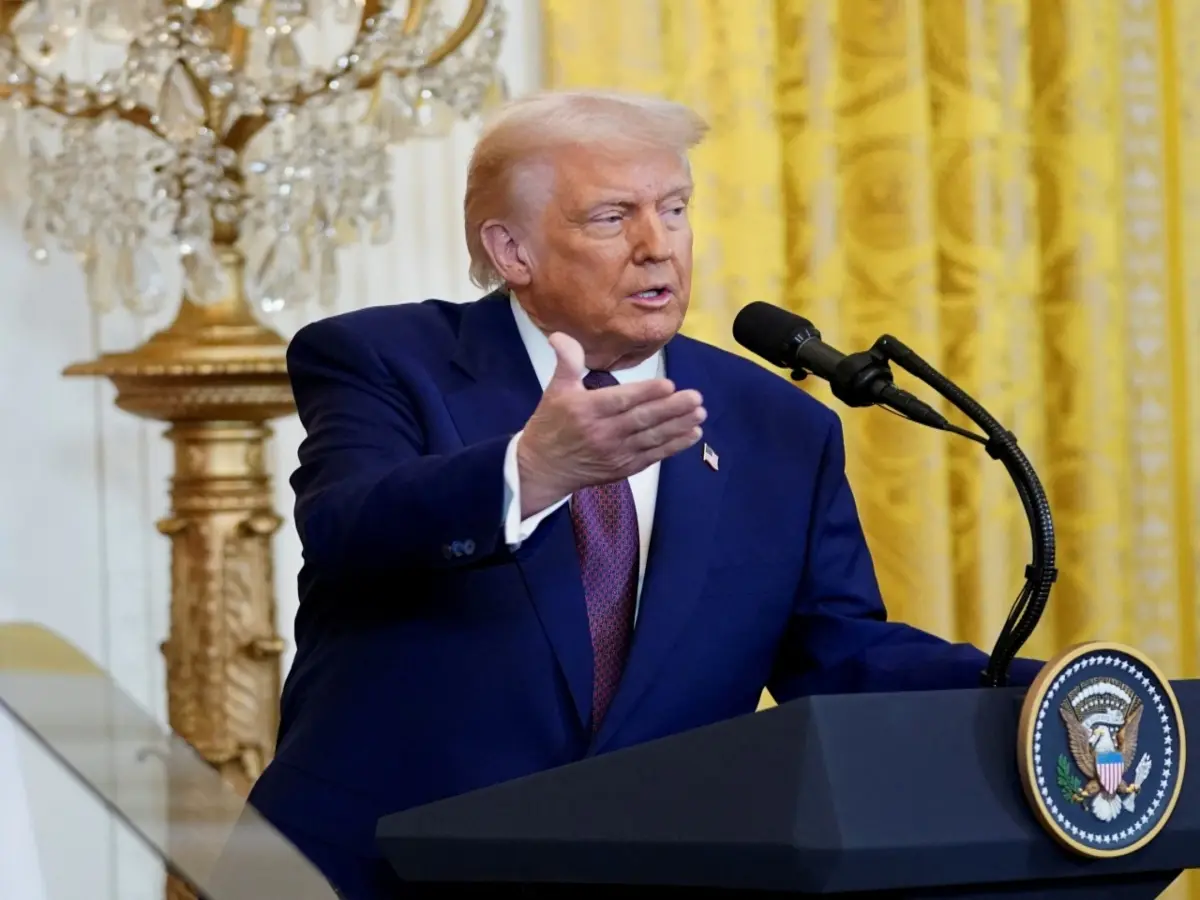)
What is Iran's Pickaxe Mountain that Trump has again threatened to bomb?
)
UN votes to correct world map that visually shrank Africa for 450 years
)
Former NewJeans member Danielle launches YouTube channel, hints at new solo journey
)
Bangladesh batter Towhid Hridoy creates history with 350 not out in South Africa
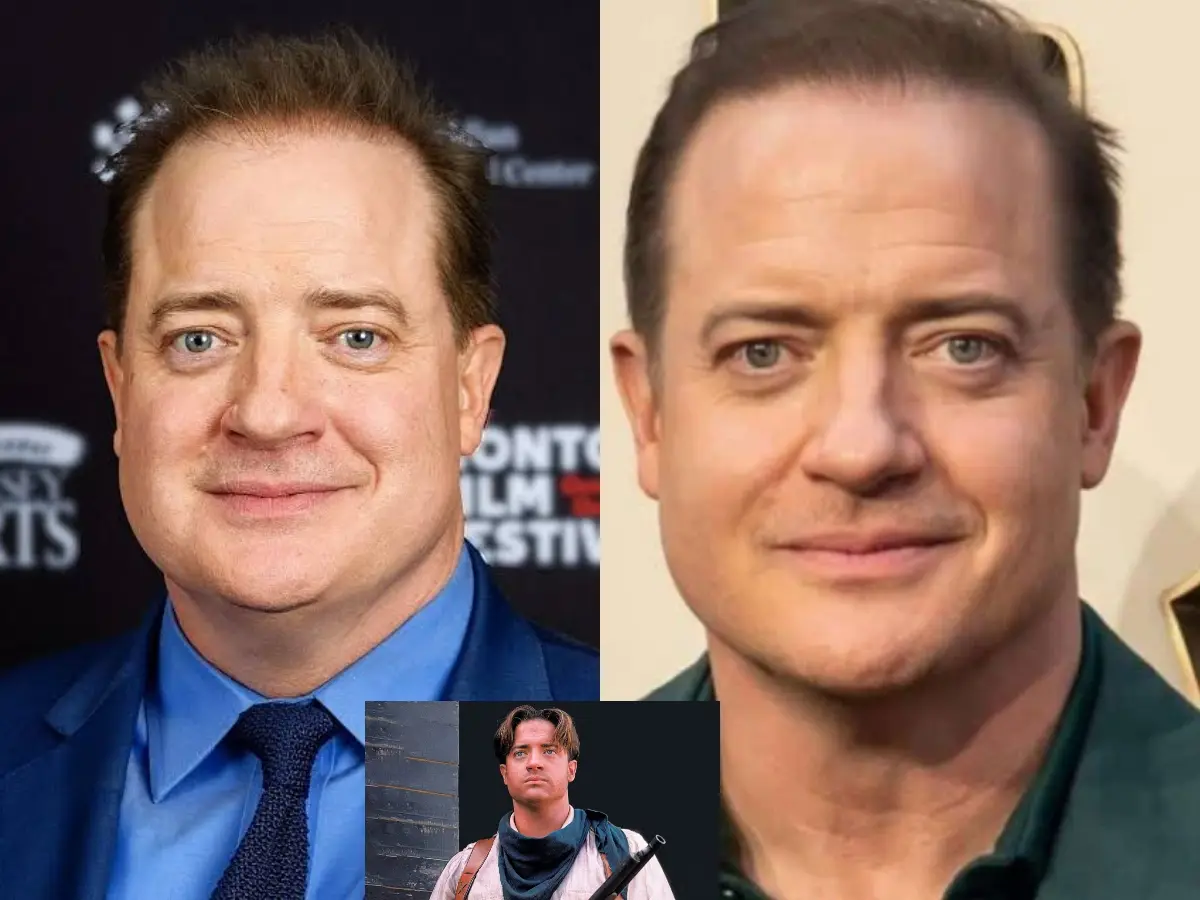)
Brendan Fraser’s transformation fuels The Mummy 4 excitement as fans welcome back Rick O’Connell
&im=FitAndFill=(700,400))
Krishna Janmashtami 2026: From Dhaniya Panjiri to Makhana Kheer- 5 best sweet dishes perfect for celebrating Lord Krishna’s birth
)
Donald Trump plans to travel to Ireland on Qatari-donated jet amid security concerns
)
Nazi-looted art to return to Jewish heirs
)
Eight killed in Kerala’s Thrissur after car rams into lorry parked on highway
&im=FitAndFill=(700,400))
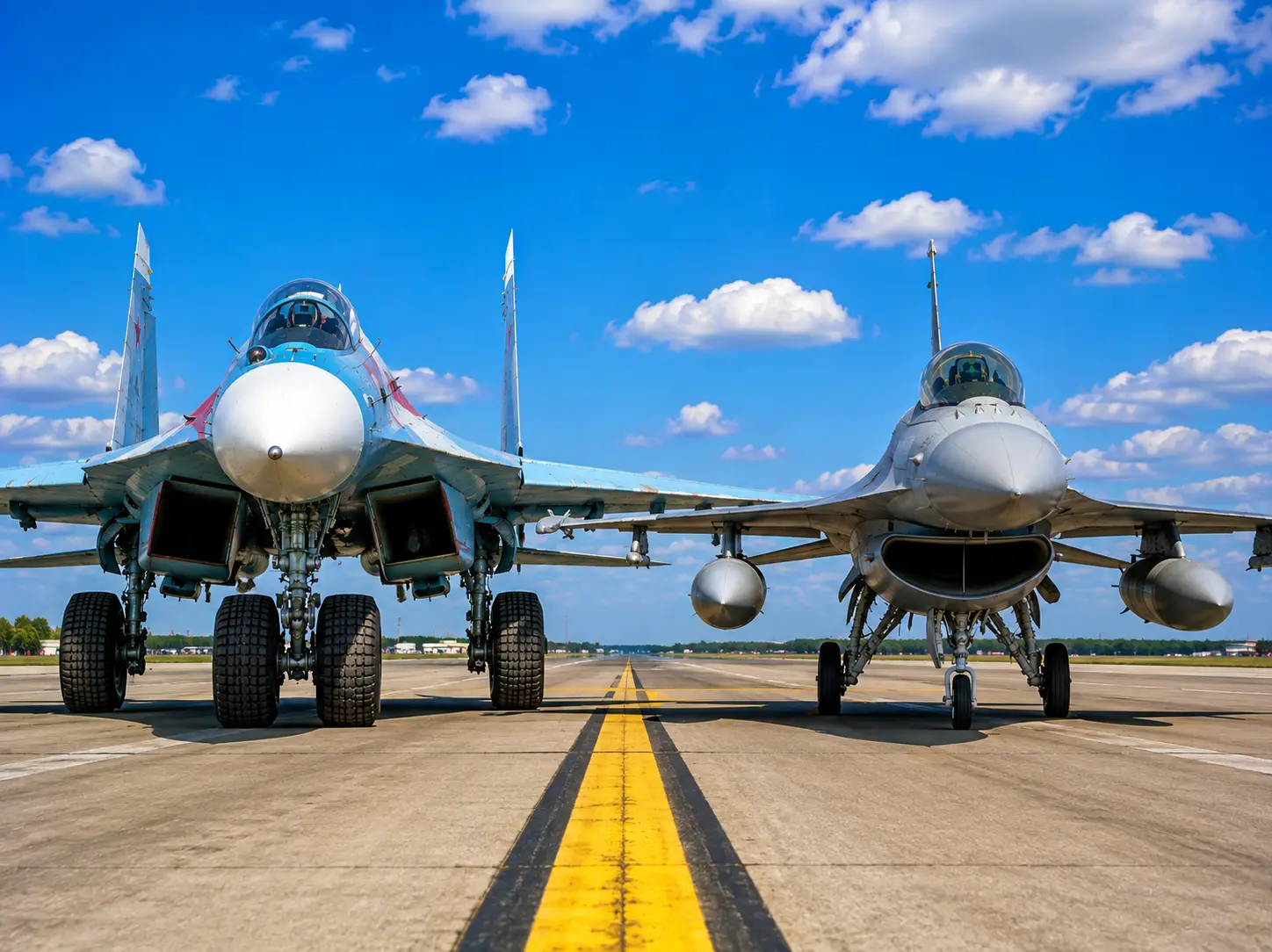
Why Russian fighter jets use bulky, low-pressure tyres compared to US jets
)
FBI-wanted fraud accused arrested in Jalandhar over $600,000 scam
&im=FitAndFill=(700,400))
Why US tanks weigh over 20 tons more than Russian tanks
&im=FitAndFill=(700,400))
New Friday OTT releases (September 4, 2026): GDN, Dhamaal 4, Jagamae Sangeetham- Watch 6 new movies and TV shows on Netflix, Prime Video and more
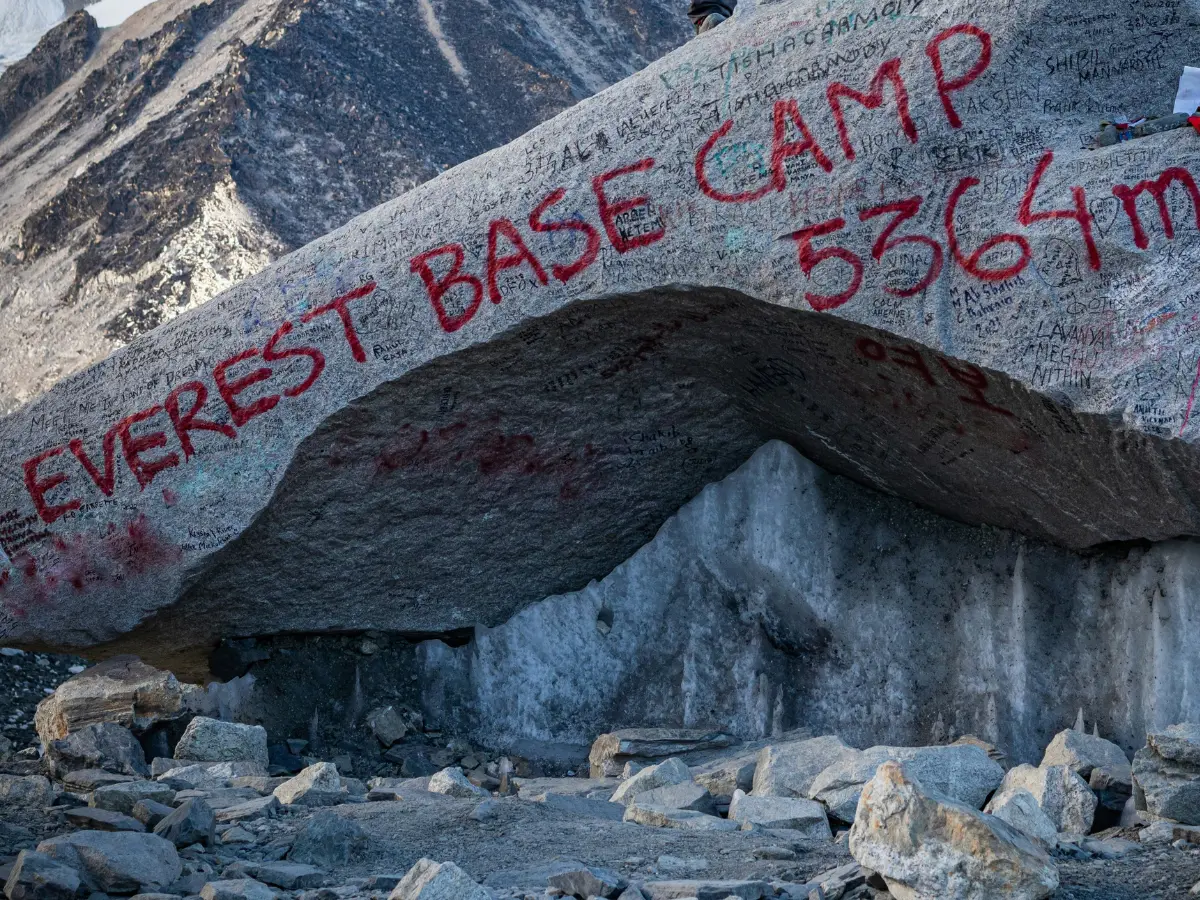)
Killing the Himalayas slowly: Human urine is melting a glacier on Mount Everest
However, the process does not end with that declaration. The president has the right to contest the move, which would trigger a constitutional process requiring a two-thirds majority in both chambers of Congress to uphold the removal. This high threshold makes the provision exceptionally difficult to enforce.
Despite criticism from figures such as former CIA director John Brennan, there has been no indication of support within the administration for invoking Section 4. Both the vice president and members of the cabinet would need to initiate the process, and there is little evidence of willingness to challenge the president internally.
The political arithmetic in Congress also presents a major obstacle. Any effort to sustain the removal would require significant backing from Republican lawmakers, many of whom continue to support Trump. Previous attempts to remove him through impeachment during his first term failed to secure the necessary bipartisan consensus.

