‘War must end simultaneously in Iran and Lebanon’: Foreign Minister Abbas Araghchi

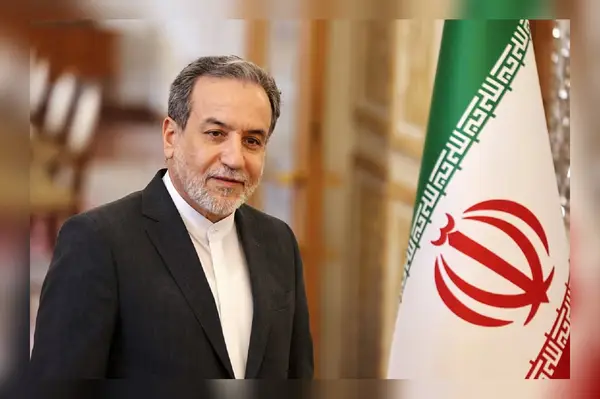
Foreign Minister Abbas Araghchi said war was imposed on Lebanon as a continuation of the war on Iran. Photograph: (AFP)
Iranian Foreign Minister Abbas Araghchi said the war demonstrated Iran’s military resilience. The US and Israel expected a rapid victory but failed to achieve objectives of forcing Tehran’s surrender, changing the political system, or neutralicing Iran’s missile capabilities, he added.
Iranian Foreign Minister Abbas Araghchi has said in an interview that any agreement to end the ongoing US-Israeli war on Iran must also include Lebanon, emphasising that Tehran views the two fronts as inseparable.
In an interview with the Chairman of the Board of Directors of Al Mayadeen Media Network, Ghassan Ben Jeddou, Araghchi said that Tehran had consistently maintained that any ceasefire or end to hostilities must extend to all fronts of the Resistance Axis, particularly Lebanon.
“We have been clear from the first day of discussions on negotiations and ceasefire arrangements that the war must end in Iran and across all resistance fronts, including Lebanon,” Araghchi said.
“The war was imposed on Lebanon as a continuation of the war imposed on us. That is why we believe its end must come simultaneously in Iran and Lebanon,” Araghchi said.
‘Deterrence prevented attack on Beirut’
Trending Stories
&im=FitAndFill=(700,400)&imwidth=280&imheight=210&format=webp&quality=medium)
&imwidth=280&imheight=210&format=webp&quality=medium)
&imwidth=280&imheight=210&format=webp&quality=medium)
&imwidth=280&imheight=210&format=webp&quality=medium)
&imwidth=280&imheight=210&format=webp&quality=medium)
&imwidth=280&imheight=210&format=webp&quality=medium)
&imwidth=280&imheight=210&format=webp&quality=medium)
&imwidth=280&imheight=210&format=webp&quality=medium)
&imwidth=280&imheight=210&format=webp&quality=medium)
&imwidth=280&imheight=210&format=webp&quality=medium)
&imwidth=280&imheight=210&format=webp&quality=medium)
&imwidth=280&imheight=210&format=webp&quality=medium)
&imwidth=280&imheight=210&format=webp&quality=medium)
&im=FitAndFill=(700,400)&imwidth=280&imheight=210&format=webp&quality=medium)
&imwidth=280&imheight=210&format=webp&quality=medium)
&imwidth=280&imheight=210&format=webp&quality=medium)
&imwidth=280&imheight=210&format=webp&quality=medium)
&imwidth=280&imheight=210&format=webp&quality=medium)
&imwidth=280&imheight=210&format=webp&quality=medium)
&imwidth=280&imheight=210&format=webp&quality=medium)
&imwidth=280&imheight=210&format=webp&quality=medium)
&im=FitAndFill=(700,400)&imwidth=280&imheight=210&format=webp&quality=medium)
&imwidth=280&imheight=210&format=webp&quality=medium)
&imwidth=280&imheight=210&format=webp&quality=medium)
&im=FitAndFill=(700,400)&imwidth=280&imheight=210&format=webp&quality=medium)
&imwidth=280&imheight=210&format=webp&quality=medium)
&imwidth=280&imheight=210&format=webp&quality=medium)
&imwidth=280&imheight=210&format=webp&quality=medium)
&imwidth=280&imheight=210&format=webp&quality=medium)
&imwidth=280&imheight=210&format=webp&quality=medium)
&imwidth=280&imheight=210&format=webp&quality=medium)
&imwidth=280&imheight=210&format=webp&quality=medium)
&imwidth=280&imheight=210&format=webp&quality=medium)
&imwidth=280&imheight=210&format=webp&quality=medium)
&imwidth=280&imheight=210&format=webp&quality=medium)
Referring to reports that US President Donald Trump prevented an Israeli attack on Beirut’s southern suburbs, Araghchi argued that Iranian deterrence was the decisive factor.
He added that Tehran communicated to Washington and regional governments that any major attack on Beirut would trigger a response from Iranian armed forces and could lead to the collapse of existing ceasefire arrangements.
Iranian military institutions like the Khatam al-Anbiya Central Headquarters and the Islamic Revolution Guard Corps issued clear warnings that Tehran would respond if ceasefire violations continued.
Also Read: ‘Nations reliant on oil imports via Hormuz already finding alternatives to strait,’ says Netanyahu
“The factor that determined the course of events was the capability and the readiness of our armed forces,” he said.
Iran conveyed its position directly to US officials and regional states, while several countries contacted Washington to urge restraint. He said that, ultimately, the planned attack on Beirut was prevented through US intervention.
‘Indirect exchanges between Tehran and Washington ongoing’
The foreign minister also confirmed that indirect exchanges between Tehran and Washington remain ongoing despite the tensions. While formal negotiations have slowed, he said, messages continue to be exchanged, and Iran recently communicated its concerns regarding Israeli actions in Beirut to US officials.
‘War ended with US seeking negotiations, not securing its stated goals’
Araghchi further said that the recent war demonstrated Iran’s military resilience. The US and Israel initiated the war expecting a rapid victory but failed to achieve objectives such as forcing Tehran’s surrender, changing the political system, or neutralizing Iran’s missile capabilities, he said.
“All of their calculations were wrong,” Araghchi said, adding that the war ended with the US seeking negotiations rather than securing its stated goals.
When asked whether Trump wanted to avoid a return to war, Araghchi replied that “if reason prevails, the war will not return.”
He said Iran remains fully prepared for a prolonged war and stated that the country’s military capabilities are stronger than before the war due to advances in domestic defence production.
Also Read: Iran’s central bank says inflation at World War II levels; eco pain deepening for Iranians
However, Araghchi insisted that Iran does not seek war and favours a negotiated solution based on “dignity, equality, and mutual respect.” He warned, however, that Tehran would respond decisively to any future attack against Iran, arguing that recent wars had demonstrated the country’s ability to sustain a long-term confrontation if necessary.
‘West wrongly assumed that killing of senior figures would lead to collapse of our movement’
The Iranian foreign minister said Western assessments were based on the assumption that the killing of senior figures would lead to collapse, both in Iran and among allied movements, but insisted that this expectation was proven wrong.
Araghchi said the martyrdom of key figures does not weaken movements but instead strengthens their resolve and expands their ranks. He added that such movements are not dependent on individuals and that he has always believed in their resilience.
Referring to the killing of Iranian General Qassem Soleimani, Araghchi said the blood of leaders has historically contributed to its continued strength. He added that while the martyrdom of Sayyed Hassan Nasrallah was a “major tragedy and deep wound,” it ultimately reinforced Hezbollah rather than weakening it.