&imwidth=800&imheight=600&format=webp&quality=medium "Venezuela preparing for war with US: Entire armed forces, militia on high alert as American aircraft carrier moves to region")
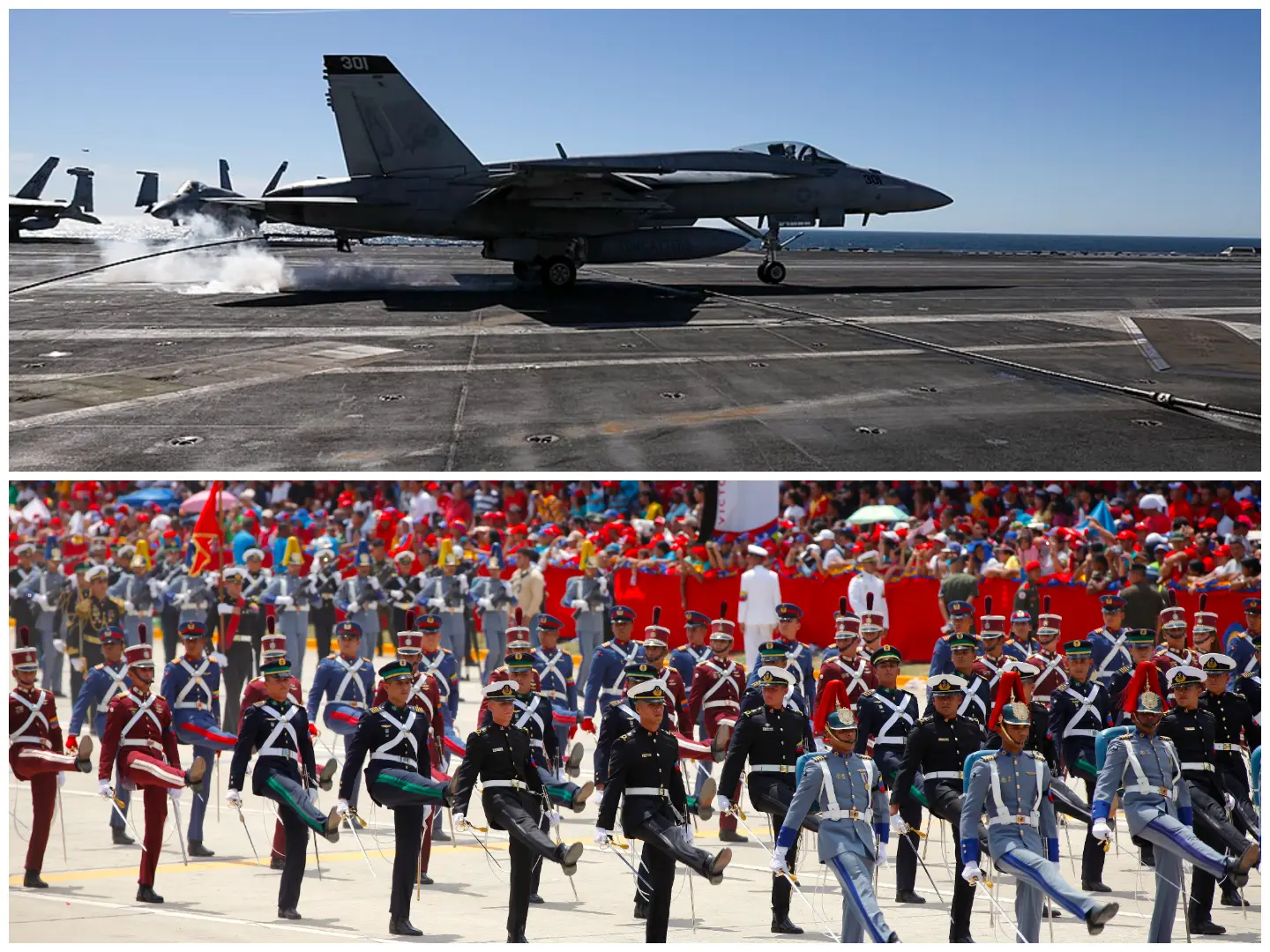
Venezuela has activated its entire armed forces and militia after the US military deployed an aircraft carrier strike group led by the USS Gerald R. Ford to the Caribbean region. While the US has described this as a counter-narcotics operation, the scale of the deployment far exceeds what is typically required for such missions. Venezuelan President Nicolás Maduro has announced a nationwide mobilisation of military and civilian militia, viewing the US posture as a direct threat of regime change. Here is a roundup of the tense situation.
How the US military escalated its presence close to Venezuela
Since October 24, when the Pentagon announced the redeployment of the USS Ford carrier strike group from Europe to the US Southern Command (SOUTHCOM) area of responsibility, the build-up has continued to grow. The Ford is escorted by multiple destroyers and support vessels, as well as advanced strike aircraft and special operations forces. This deployment marks the largest US naval build-up in the Caribbean in decades. US drones and maritime assets are conducting reconnaissance missions and maintaining a strike-ready posture.

Venezuela’s sweeping mobilisation of forces
Venezuela has launched an extensive mobilisation of its armed forces and civilian militia to “resist imperial aggression”. On October 29, President Maduro declared a “state of external commotion” and authorised nationwide militia call-ups. The country has deployed Russian- and Chinese-supplied air defence systems and drones along strategic borders. Under “Plan Independencia 200”, Venezuela has activated land, maritime, air and militia components, according to official reports.
Trending Stories
)
Did India risk its US trade deal despite softer stance at BRICS?
&im=FitAndFill=(700,400))
How 2nm technology improves iPhone performance
&im=FitAndFill=(700,400))
Shahid Kapoor to Rajkummar Rao: Actors who rule both theatres and OTT
)
First naval drone battle? Ukraine says Sargan 3000 sank Russian unmanned boat
)
BRICS Summit 2026: Trump wants to weaken BRICS, but maybe doing the opposite
&im=FitAndFill=(700,400))
Meet top 5 batters fastest to 3000 runs in T20Is
)
Delhi’s balancing act: BRICS serves as a stage for West Asia diplomacy
&im=FitAndFill=(700,400))
Why European Meteor missiles use ramjet engines compared to standard US solid rockets
)
'He is popular...': Malaysian PM Anwar Ibrahim's praise for PM Modi during bilateral meeting | WATCH
)
Iran, India agree to deepen humanitarian and political ties, President Pezeshkian says
)
‘Want to reset ties with India, have engagement based on mutual interests,’ says Bangladesh minister
)
BRICS Summit 2026: PM Modi, Xi reach key consensus on ties, China to assume BRICS chairmanship in 2027
)
UK breakup on the cards? Scotland, Wales and Northern Ireland push for independence
)
Trump says Canada eager to reach a deal, it could come ‘fairly soon’ if Ottawa treats US farmers better
)
‘Partners, not rivals’: Xi outlines four point plan for stronger India-China ties
&im=FitAndFill=(700,400))
Why Chinese PL-15 air-to-air missiles use dual-pulse motors compared to European interceptors
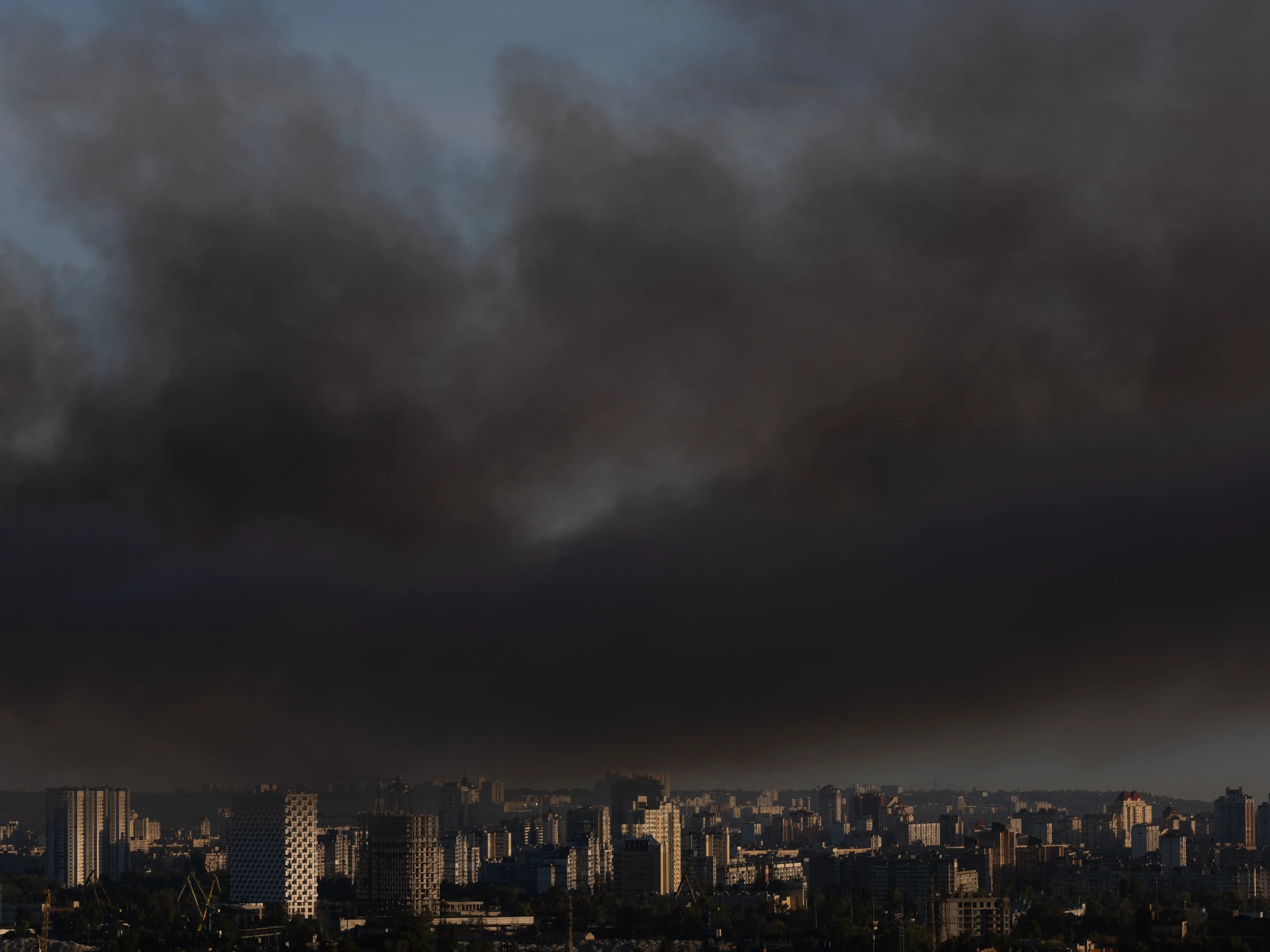)
NATO under Russian threat? Drone strikes just 2 km from Poland, narrow escape for former UK PM, CIA chief
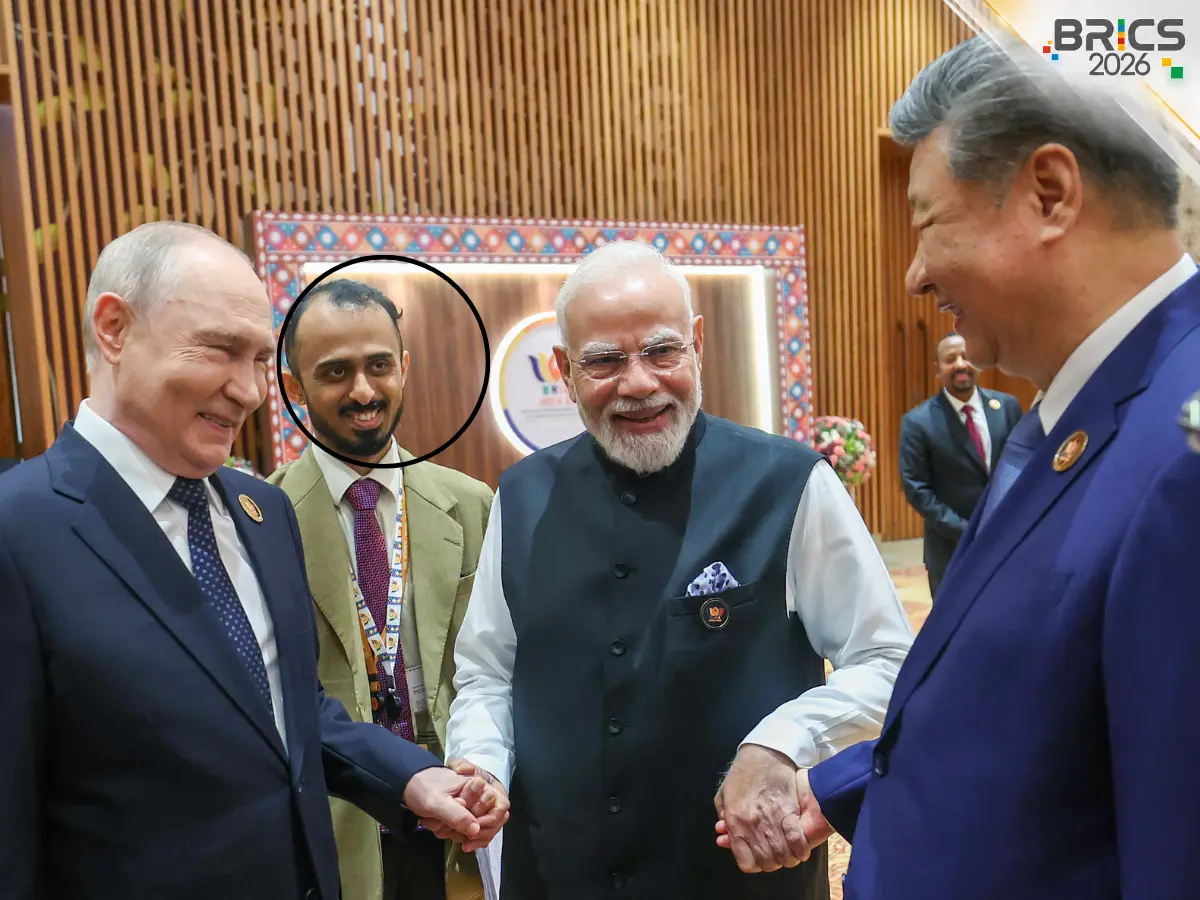)
Who is the smiling man beside Modi, Putin and Xi at BRICS Summit 2026?
)
BRICS Summit: New Delhi declaration adopted with full consensus, big diplomatic win for India
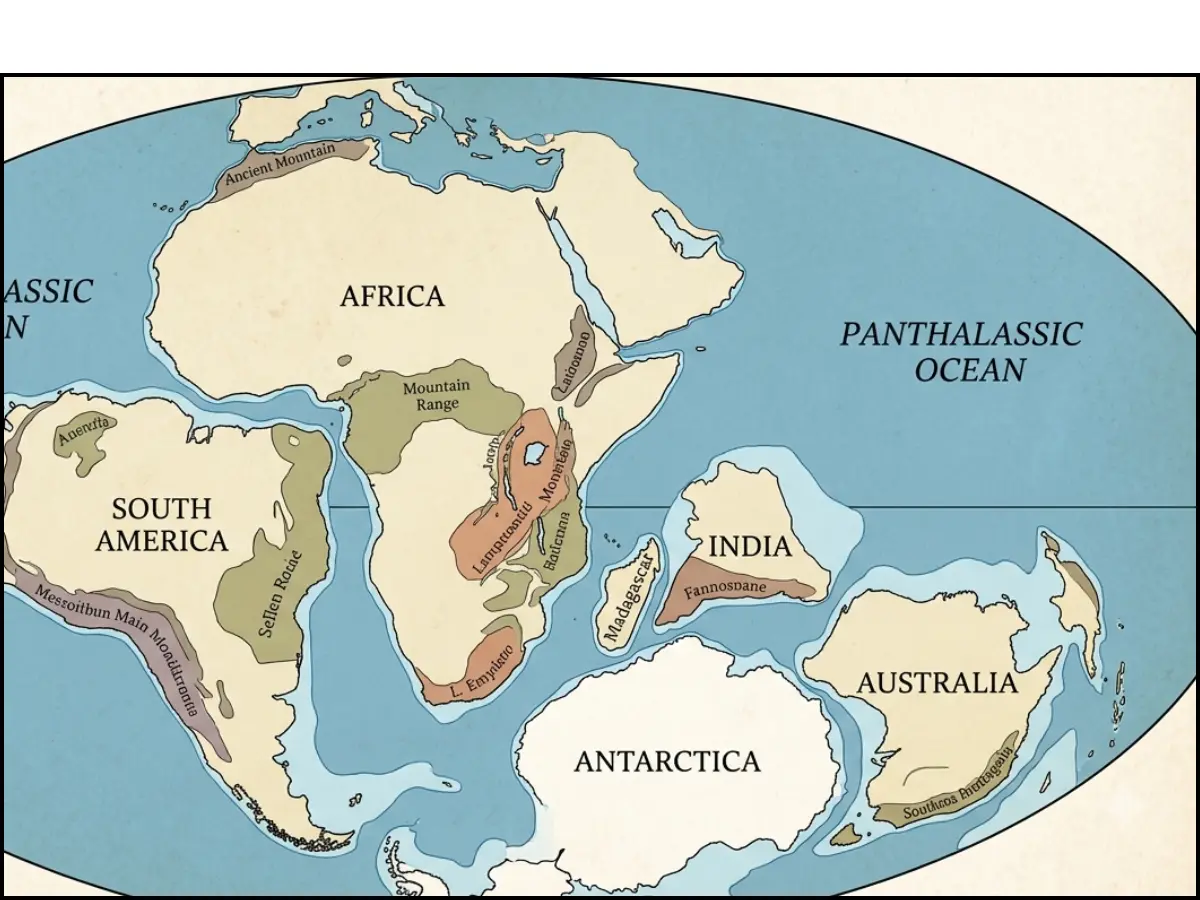)
800 million years old - Scientists discover 'fingerprints' of supercontinent Gondwana in ancient rocks
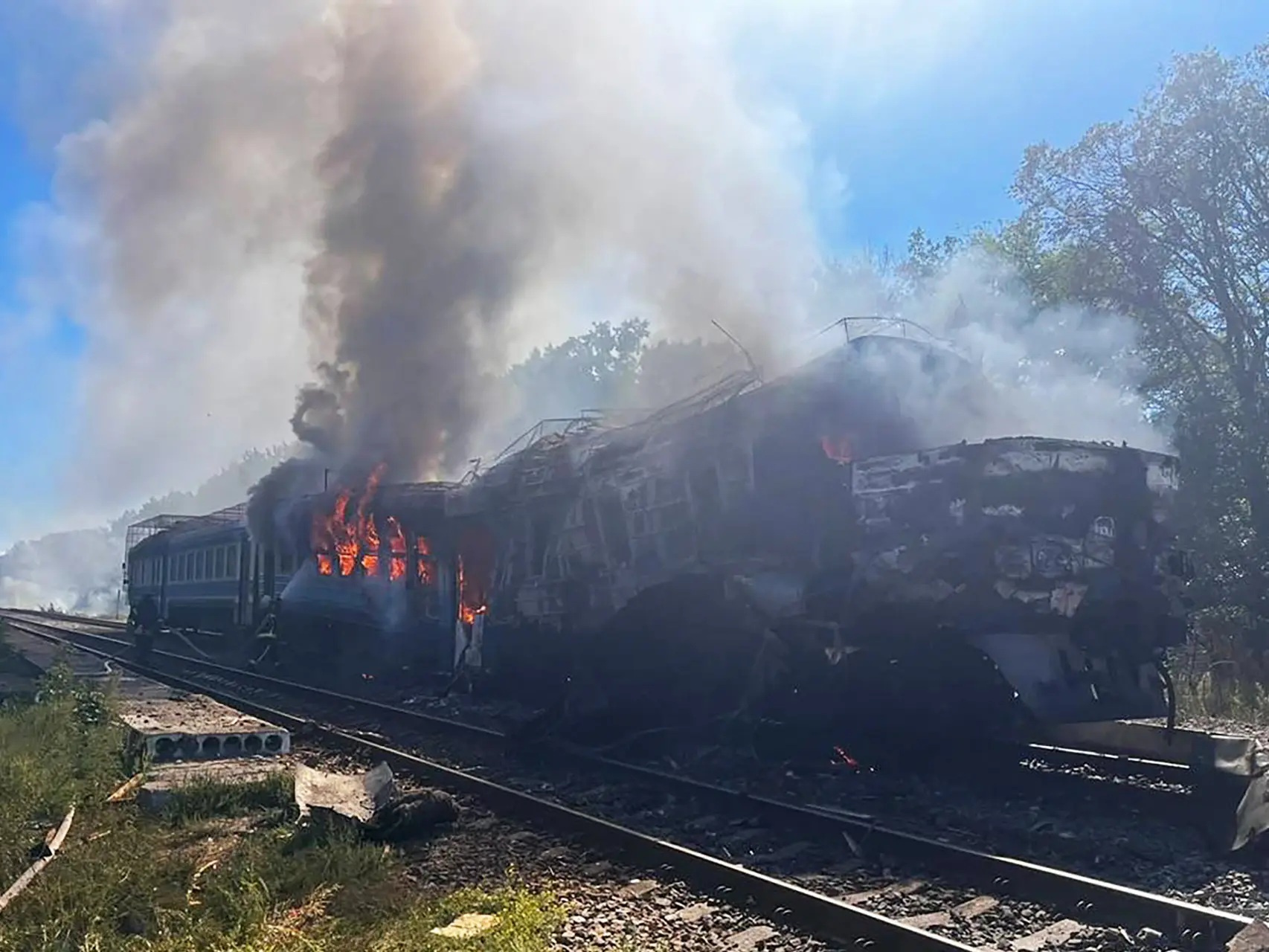)
Russian drone hits Warsaw-bound train near Polish border, Zelensky accuses Moscow of ‘deliberate’ targeting
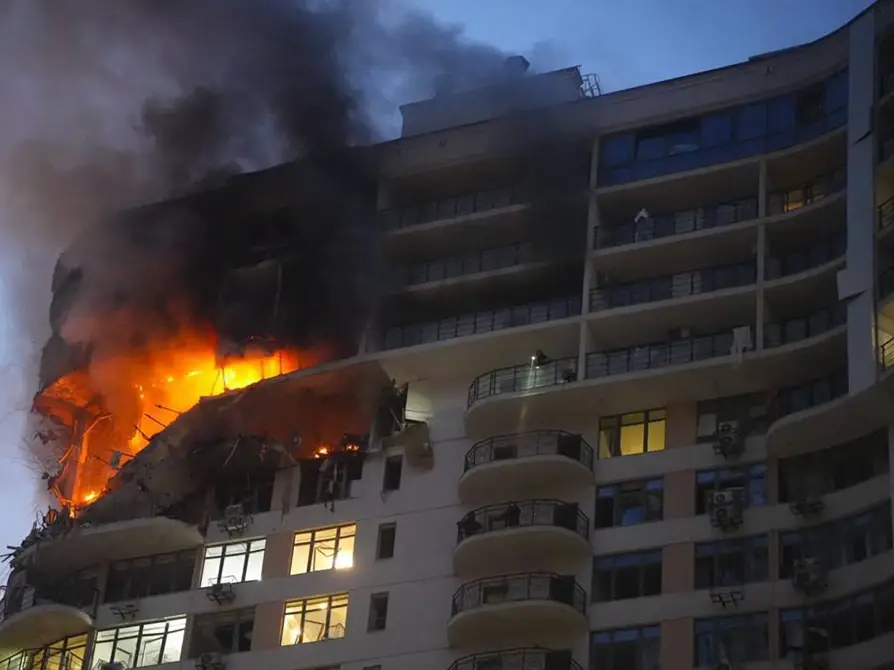)
War is making Russia stronger? How Ukraine is shaping Moscow’s next generation of weapons
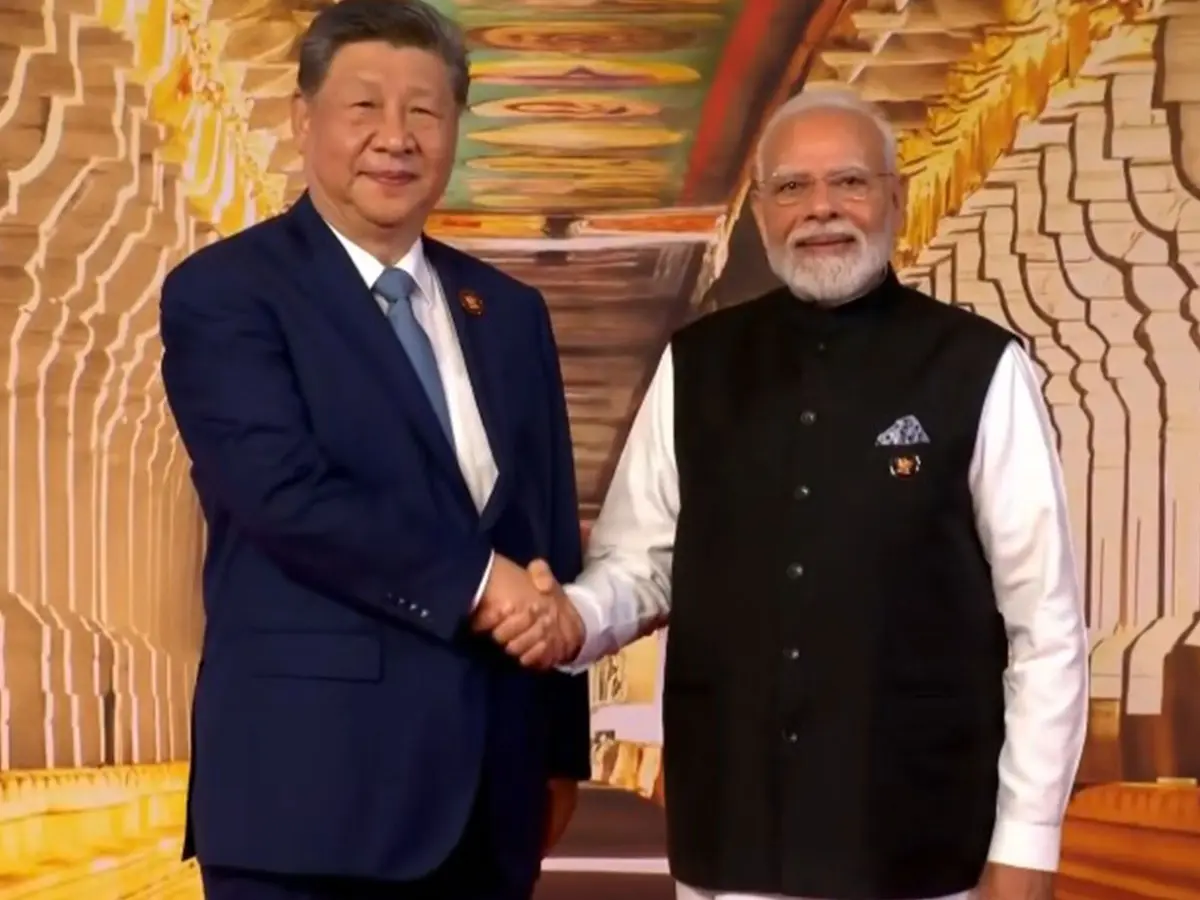)
Why Xi skipped PM Modi's gala dinner hosted for BRICS leaders
)
NEET-UG to move to computer-based test soon, NTA DG says ‘CBT is the future’
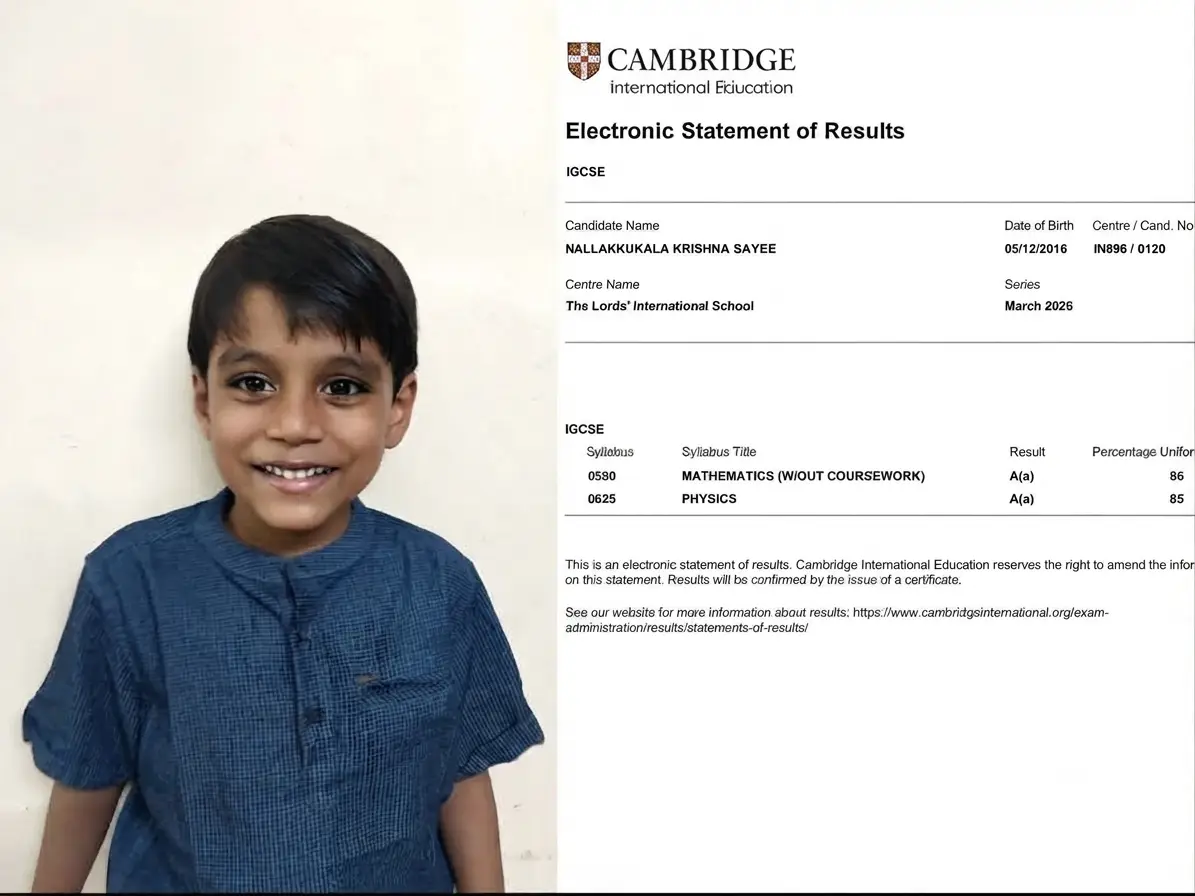)
9-year-old Chennai prodigy clears Cambridge IGCSE grade 10 exams
)
Indian importers urge Bangladesh to lift export ban on 'Hilsa' fish ahead of Durga Puja
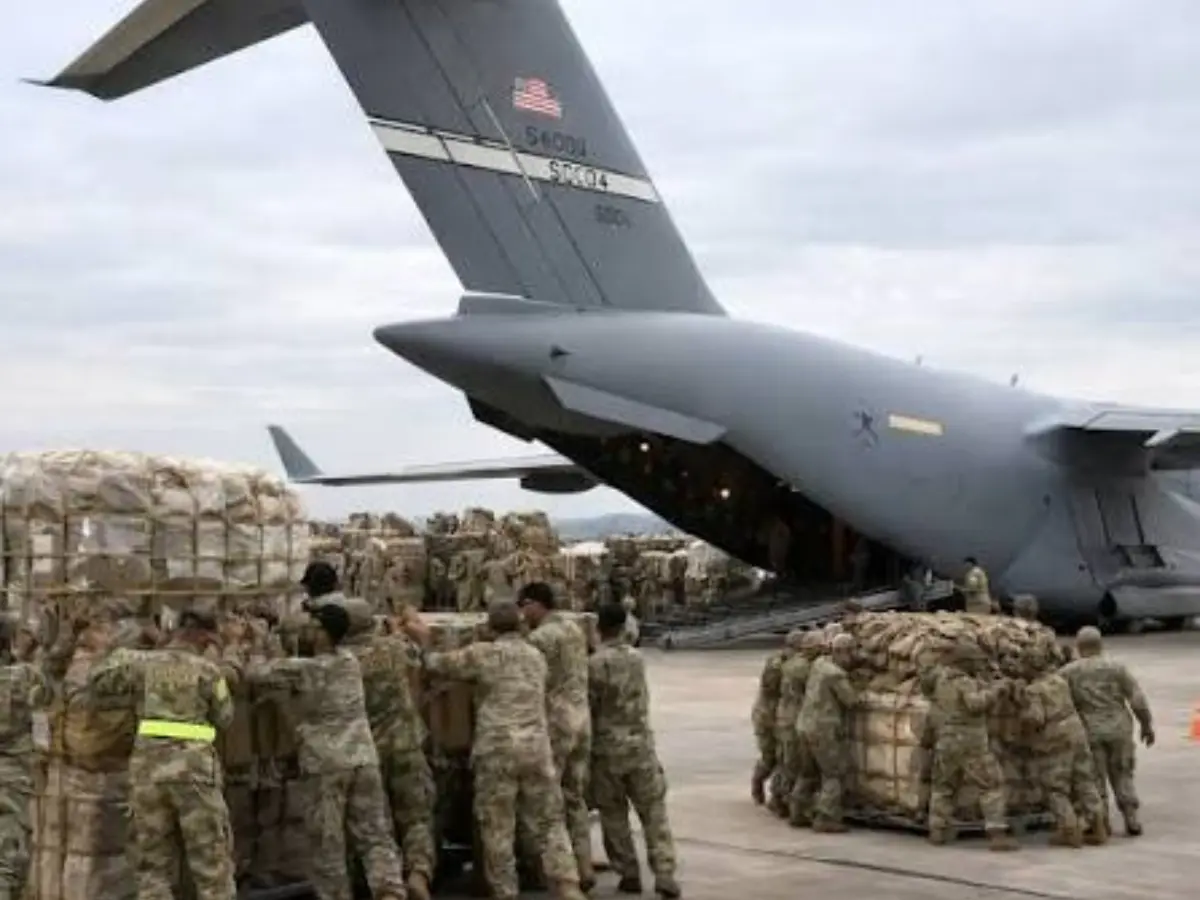)
Did China give Iran intel before US base strike that killed 3 troops? Trump says, 'You’re right...'
)
Baba Vanga's first prophecy for 2027 is out, and straight out of science fiction
)
Humans may lose control of AI: Anthropic CEO calls for slowdown, Altman, Musk back him
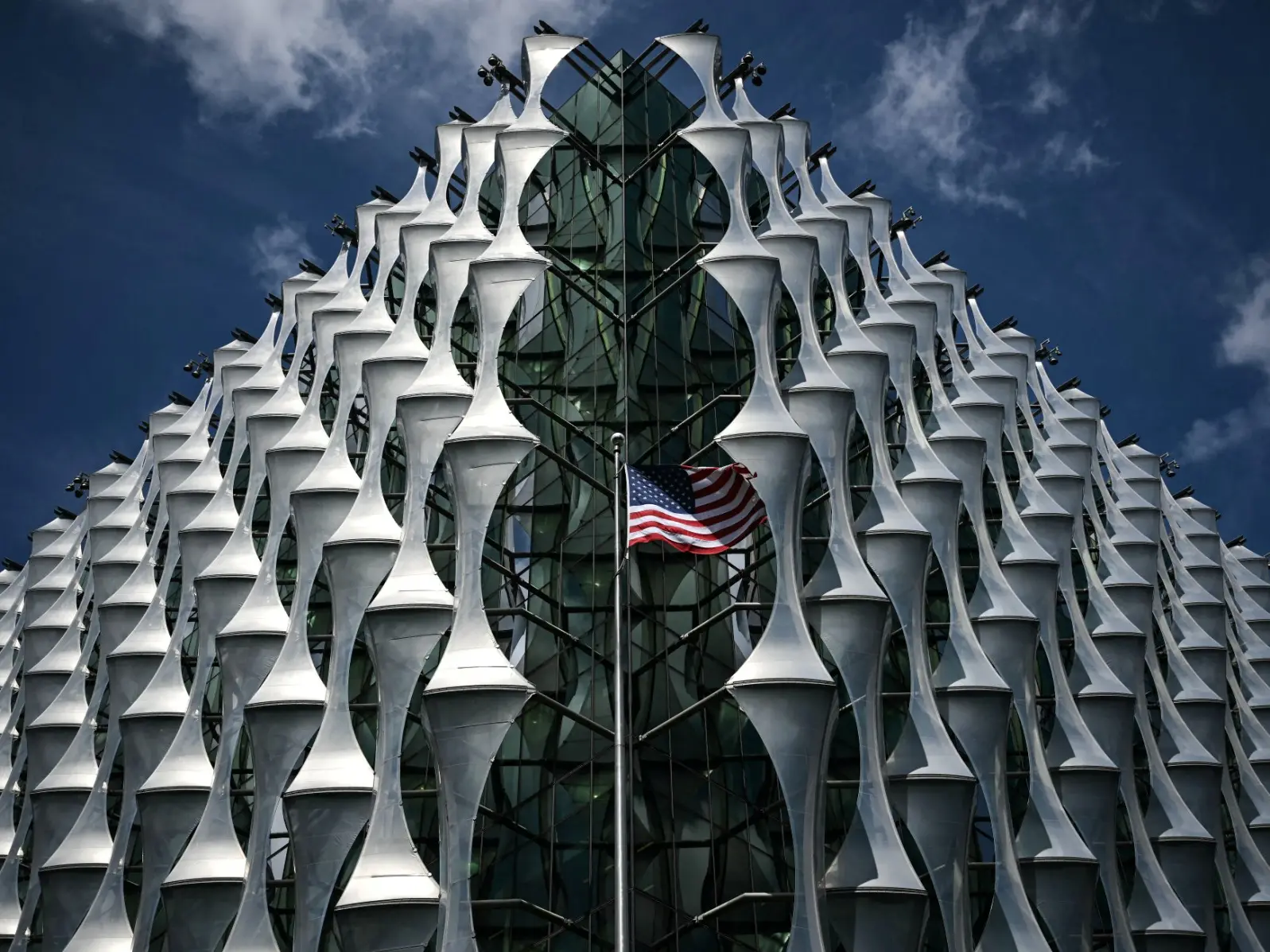)
US diplomat accused of possessing child abuse images secretly flown out of UK by US Marines
&im=FitAndFill=(700,400))
From Rinku Singh to Mayank Yadav, 5 players dropped from India’s squad for Afghanistan T20Is
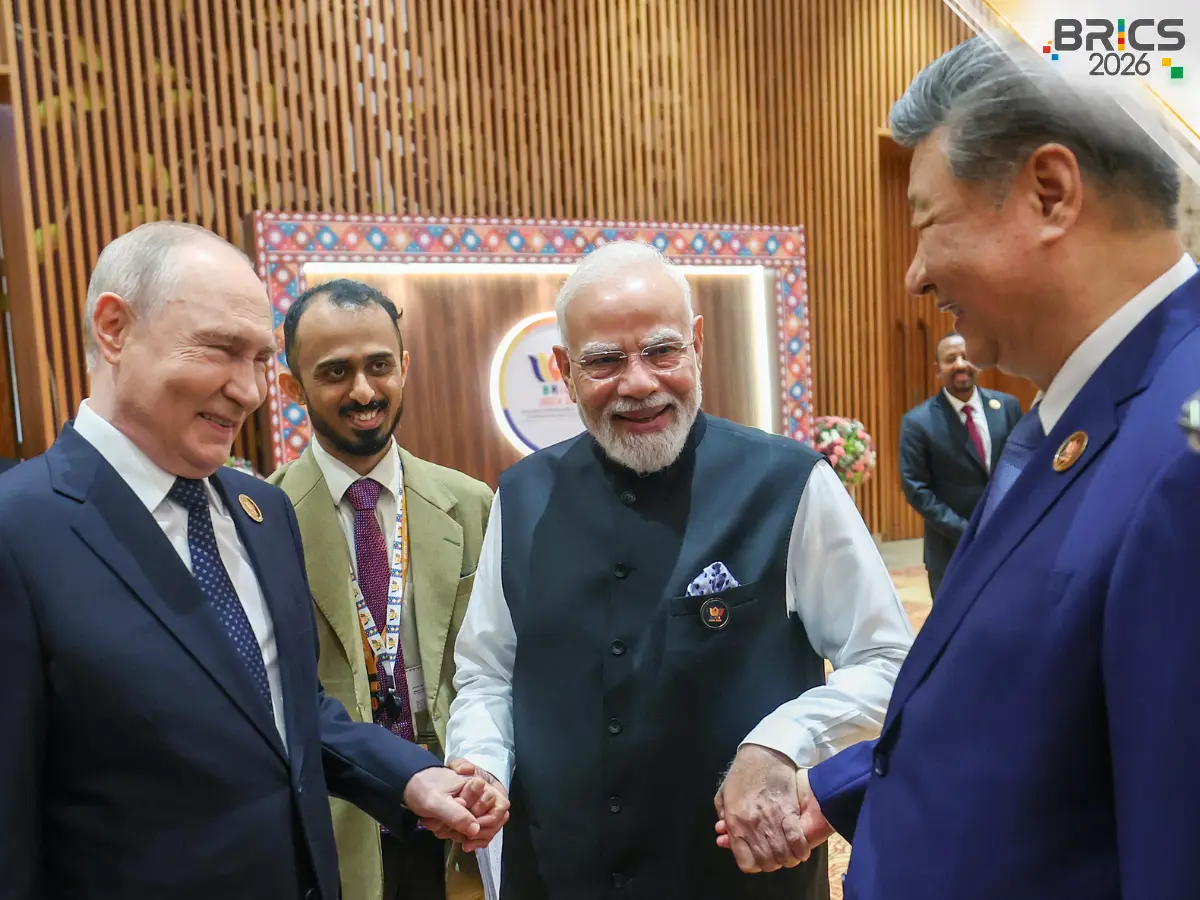)
PM Modi and China's Xi offered to help resolve Russia-Ukraine war: Kremlin
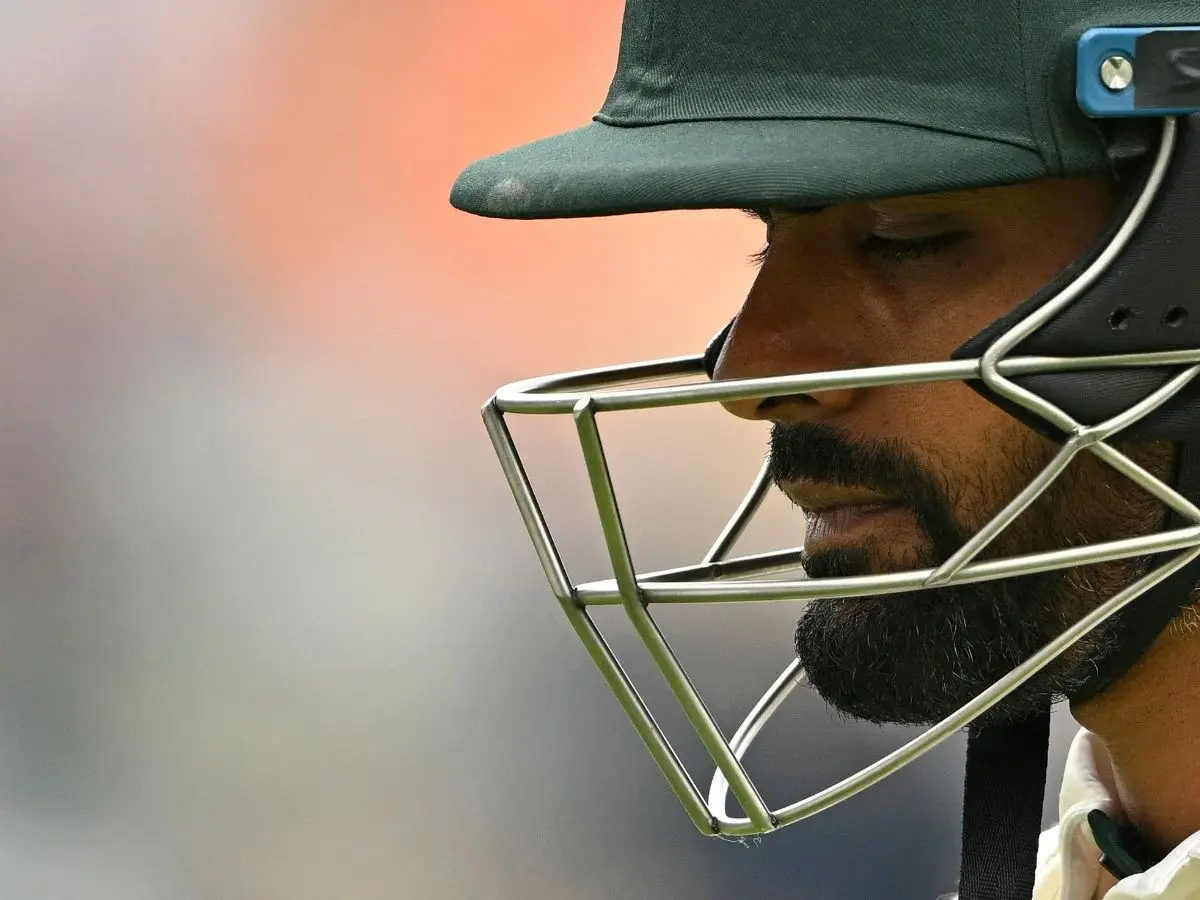)
Akram, Afridi, Mushtaq tear into PCB after Pakistan’s Test series collapse in UK
More than 200,000 active-duty troops and reservists, supported by several million militia volunteers, are on high alert and ready for operations. Venezuela is establishing layered defences, including coastal missile batteries and militia-manned checkpoints in major cities. Across the country, fuel rationing and widespread power blackouts have been reported.
US anti-drug operations in the Caribbean
Since early September 2025, US forces have conducted airstrikes against vessels allegedly operated by transnational criminal organisations and drug cartels, including some reportedly linked to Venezuela. Between 10 and 19 vessels have been targeted, with estimates suggesting up to 76 fatalities. These “war on drugs” operations are widely interpreted by analysts as part of a broader strategic effort aimed at undermining Maduro’s regime.
Also read: Venezuela claims foiled CIA-backed ‘false flag’ plot to attack US warship and frame Maduro
Will Latin America stand with Venezuela against the US?
The Community of Latin American and Caribbean States (CELAC) recently issued a joint declaration rejecting the use or threat of force in the region, implicitly criticising the US build-up. Meanwhile, the US has offered rewards of up to $50 million for information leading to President Maduro’s arrest on drug-trafficking charges. Russian Tu-95 strategic bombers have conducted patrols over the Atlantic in a show of support for Venezuela. Colombia, Guyana and Brazil have begun limited border evacuations and have offered to mediate between Caracas and Washington.
High risk of escalation and miscalculation
A naval close encounter, missile test, or miscalculation could trigger direct hostilities between the US and Venezuela. Despite overwhelming superiority in air and sea power, US forces are likely to face an asymmetric and guerrilla-style resistance from Venezuelan forces. Any conflict, if it begins, could become protracted, drawing in regional actors and intensifying global tensions.