US to impose 25% tariff on Brazilian imports over 'unfair' trade practices

&imwidth=600&imheight=450&format=webp&quality=medium "US to impose 25% tariff on Brazilian imports over 'unfair' trade practices")
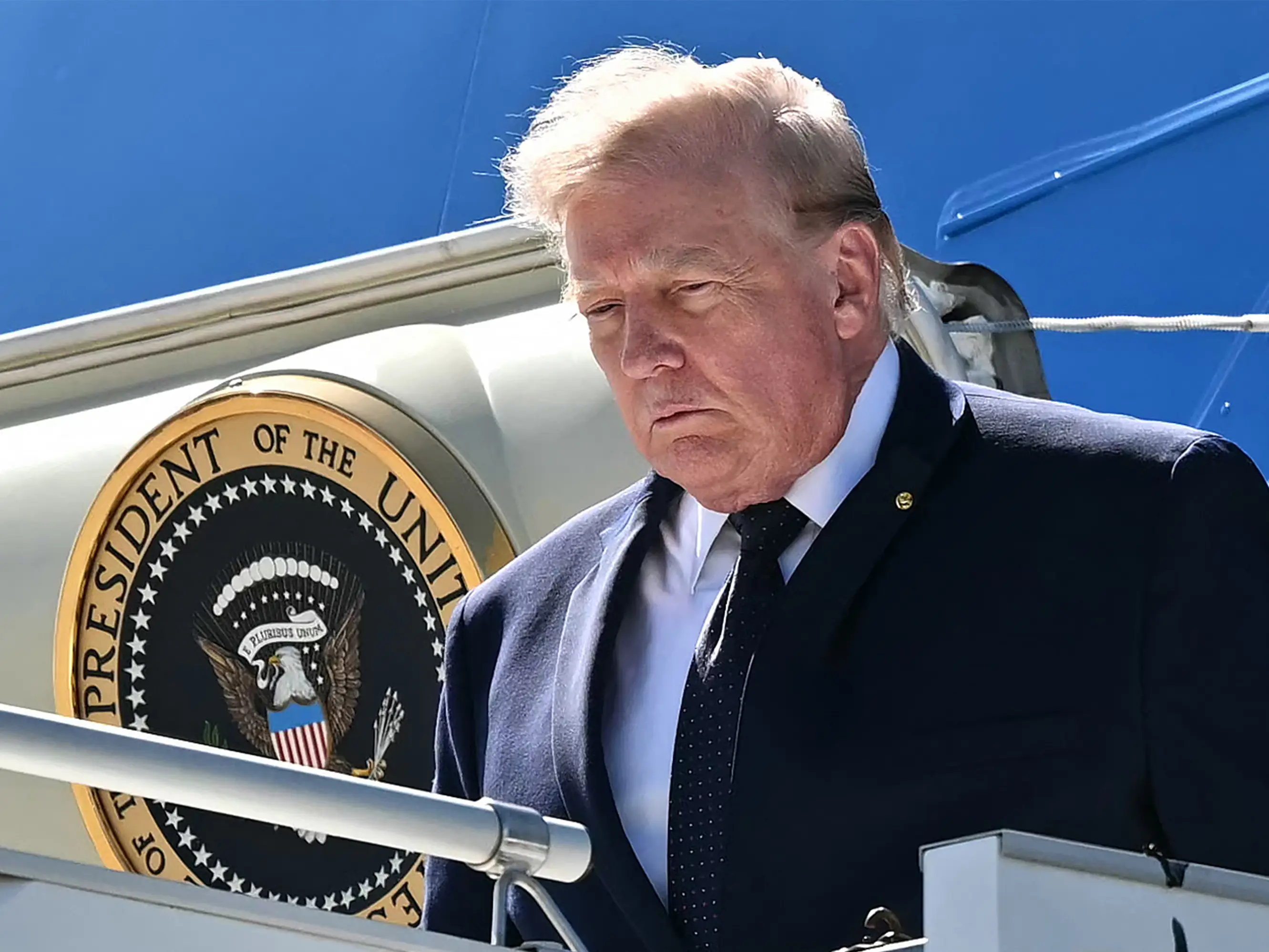
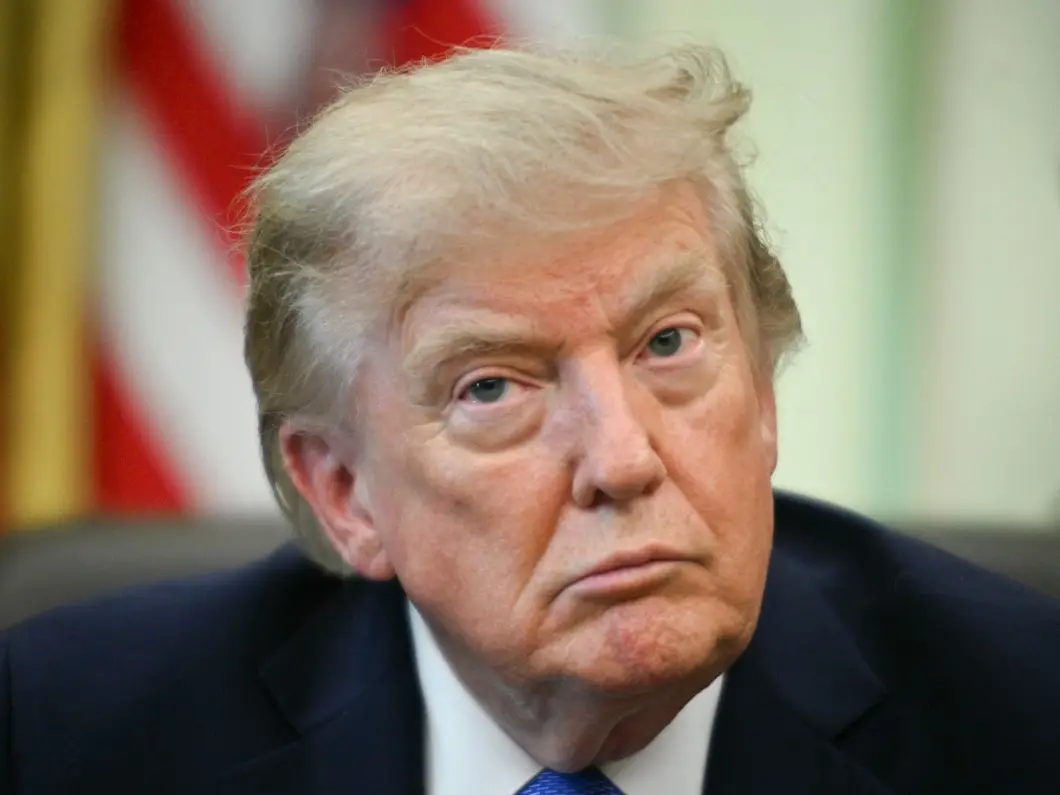
File photo of US President Donald Trump. Photograph: (AFP)
According to the USTR, the probe identified concerns related to digital trade practices, preferential tariff policies, ethanol market access and several other areas.
The US announced to impose a 25 per cent tariff on some Brazilian imports after a year-long investigation found that the country was involved in “unfair” trade practices. The move was announced by United States Trade Representative (USTR) Jamieson Greer late Wednesday in a statement, stating that their probe concluded Brazilian policies harm the interests of Americans.
According to the USTR, the probe identified concerns related to digital trade practices, preferential tariff policies, ethanol market access and several other areas. “President Lula and his government have not negotiated with the US in good faith,” Secretary of State Marco Rubio said in a post on X. “His economic policies are bad for Americans and bad for Brazilians. For the past year, Lula has put his own ego ahead of making a deal for the welfare of the Brazilian people, and these tariffs are the price for that," he added.
“President Lula and his government have not negotiated with the US in good faith,” Secretary of State Marco Rubio said in a post on X. “His economic policies are bad for Americans and bad for Brazilians. For the past year, Lula has put his own ego ahead of making a deal for the welfare of the Brazilian people, and these tariffs are the price for that," he added.
When tariff scheduled to take effect?
The tariffs, which were initially proposed last month, are scheduled to take effect on July 22. According to a notice issued by the office of the USTR, certain goods are exempted to avoid disruption to supply chains and are they are not produced in the US. This includes certain raw materials, pharmaceuticals, and coffee, among others. Greer said the US remains open to continuing negotiations with Brazil to resolve the issues.
Trending Stories
&im=FitAndFill=(700,400))
)
)
)
)
)
)
)
)
)
)
)
)
)
)
&im=FitAndFill=(700,400))
)
)
&im=FitAndFill=(700,400))
)
)
)
)
)
)
)
&im=FitAndFill=(700,400))
)
)
)
)
)
)
&im=FitAndFill=(700,400))
These exemptions include select raw materials, pharmaceuticals and coffee, among other goods. Greer stated that the US remains willing to continue discussions with Brazil to solve the outstanding concerns.
The US launched the investigation in July last year under Section 301 of the Trade Act of 1974, a provision used to address foreign trade practices that adversely affect US commerce and competitiveness. During the same month, President Donald Trump announced a 50 per cent tariff on Brazil, which was later withdrawn, and accused the Brazilian government of human rights violations. He also warned of economic action unless Brazil halted the trial of former right-wing President Jair Bolsonaro.
Section 301 is typically invoked against countries that maintain a substantial trade surplus with the United States, such as China, which exported $202.1 billion more in goods to the US than it imported in the previous year. By contrast, the United States recorded a goods trade surplus of $14.4 billion with Brazil last year, representing a 112.8 per cent increase compared with the previous year.

