US Supreme Court conservatives cast doubt over Biden student loan plan

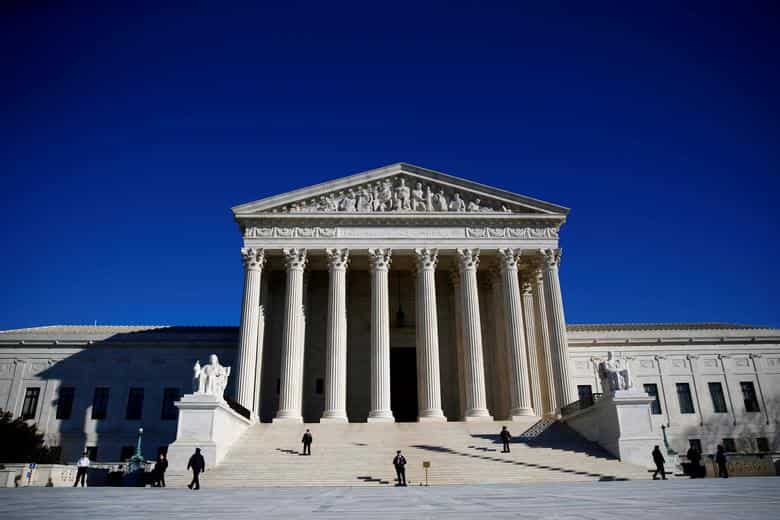
US Supreme Court in Washington DC
Conservative USSupreme Court justices on Tuesday (February 28) signaled skepticism over the legality of President Joe Biden's plan to cancel $430 billion in student debt for about 40 million borrowers, with the fate of his policy that fulfilled a campaign promise hanging in the balance.
The nine justices heard arguments in appeals by Biden's administration of two lower court rulings blocking the policy that he unveiled last August in legal challenges by six conservative-leaning states and two individual student loan borrowers opposed to the plan's eligibility requirements.
Under the plan, the U.S. government would forgive up to $10,000 in federal student debt for Americans making under $125,000 who took out loans to pay for college and other post-secondary education and $20,000 for recipients of Pell grants awarded to students from lower-income families.

U.S. Solicitor General Elizabeth Prelogar, arguing on behalf of Biden's administration, faced skeptical questions from conservative justices including John Roberts, Samuel Alito, Clarence Thomas and Brett Kavanaugh about the legal underpinning of the policy and its fairness.
Roberts, the chief justice, questioned whether the scale of the relief could be considered a mere modification of an existing student loan program, as allowed under the law the administration cited as authorizing it.
"We're talking about half a trillion dollars and 43 million Americans. How does that fit under the normal understanding of 'modify'?" Roberts asked.
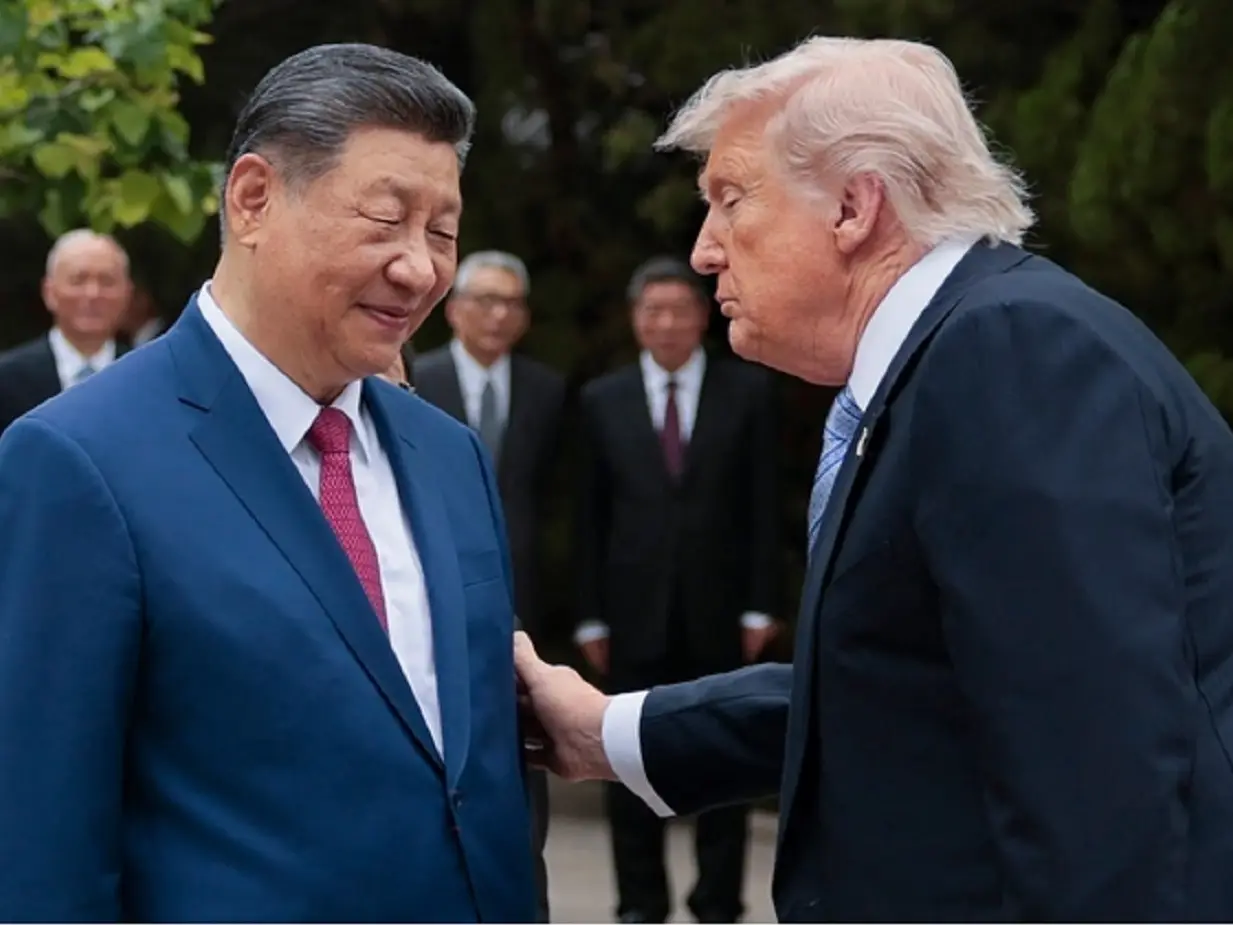)
Trump-Xi Summit: Trade, Taiwan and the red lines shaping US-China talks | Race To Power
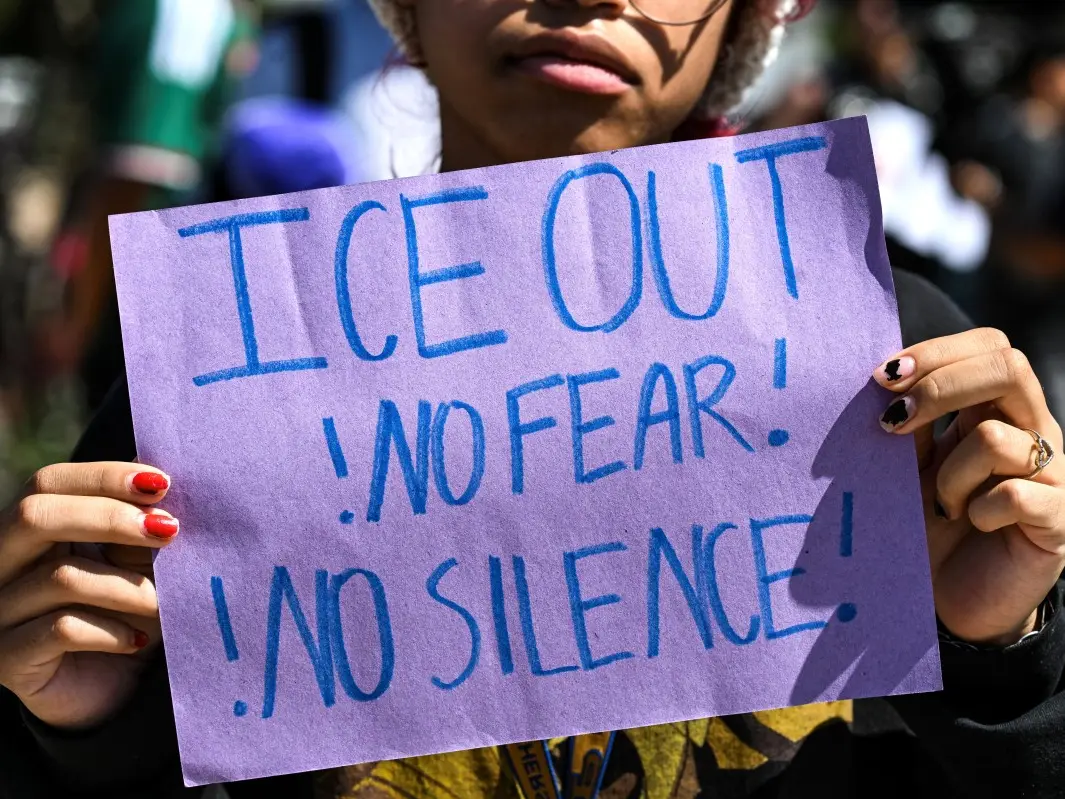)
US citizen injured in Illinois after ICE agents mistook him for fugitive, hospitalised
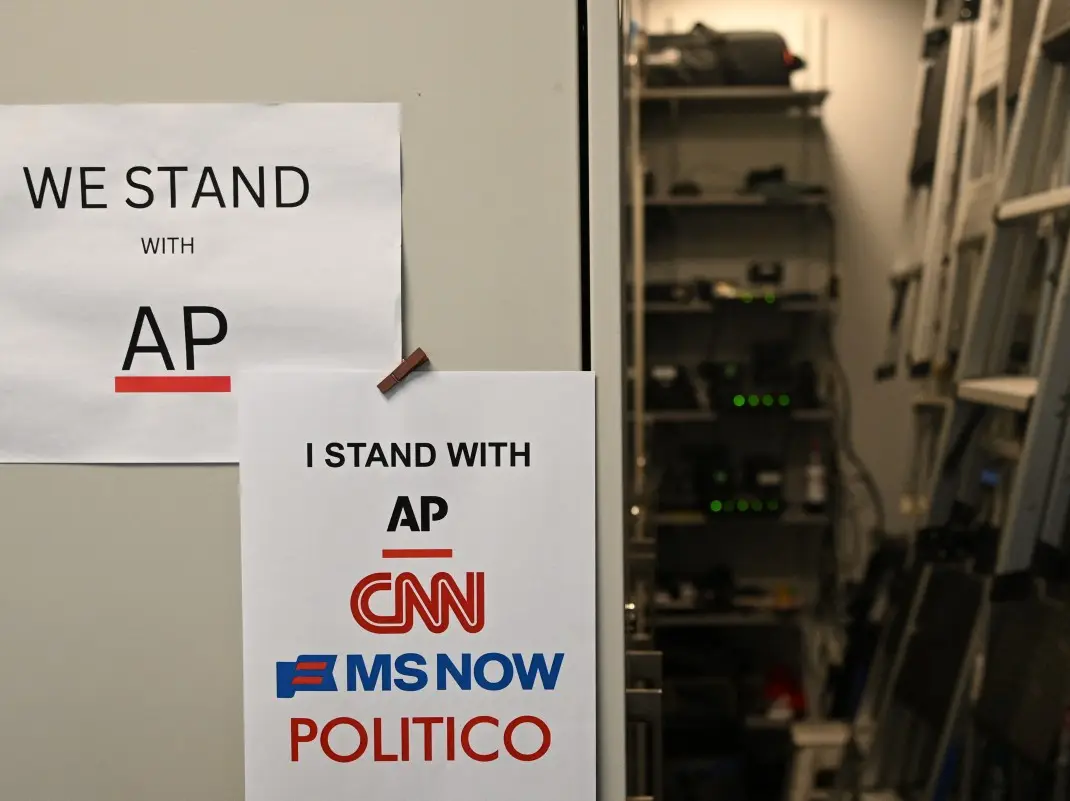)
US judge questions Trump’s decision to ban CNN, MS NOW and Politico from White House
)
Afghan woman cyclist who disguised herself as a boy to escape Taliban, wins Asian Games medal
)
Italy hit by floods in the north, drought in the south
)
'There will be elections': Venezuela's interim leader Delcy Rodriguez makes big announcement at UN
)
Would you date an AI? South Korea’s My AI Partner: Strange Love sparks buzz on relationship and intimacy
)
'Arrogant parasites': Milei blasts UN over Falklands dispute, warns Argentina will ‘take matters into our own hands’
)
IIT Bombay CCTV footage emerges: Sahil Wakode seen looking at phone in examination hall
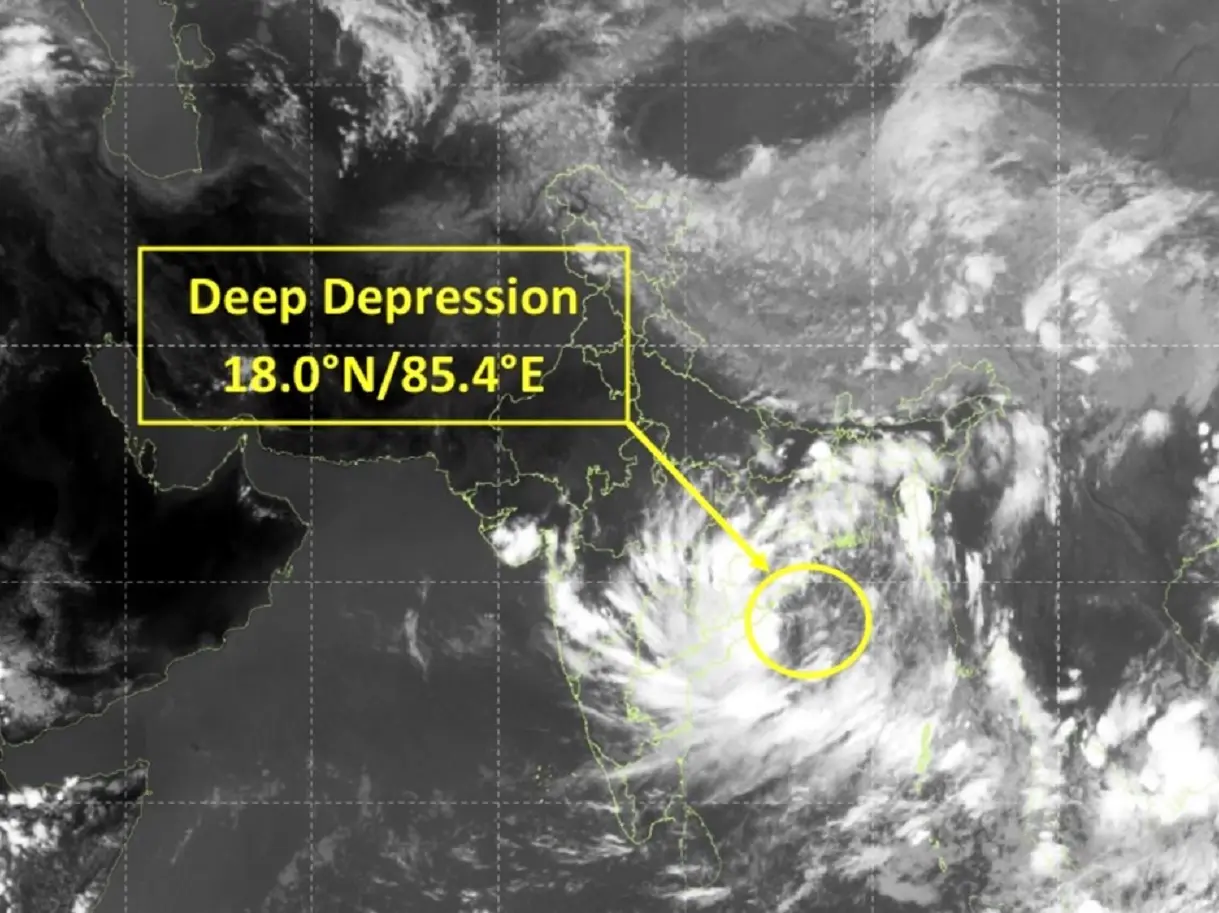)
Cyclone Arnab: Landfall expected before midnight tomorrow as IMD issues orange alerts across six states
)
9 killed, several injured as tourist bus catches fire on Yamuna Expressway
)
NBA player Steven Adams shares hilarious GTA VI theory
)
WION Iconic Tourism Summit 2026: Union Minister Shekhawat on 'experiential travel', peace diplomacy
)
'AI got into my speech': Prince Harry jokes after teleprompter failure at event in New York
)
Scientists detect first radio signals directly from faraway planet
)
China to test supersonic jet that moves at Mach 2, double the speed of sound
)
WION Iconic Tourism Summit: 'Hanuman Ansh' Director on blockbuster success
)
Hours before Xi-Trump meeting, US announces visa curbs targeting birth tourism: What is it?
)
'Partners rather than rivals': Xi Jinping's first message after landing in US for Trump summit
)
WION Iconic Tourism Summit: Is India's travel boom outrunning its airports, airlines and hotels?
)
IIT Bombay student suicide case: CCTV from the exam hall hours before suicide
)
2,000-foot tube, laser tests and more: China builds towns to expand nuclear arsenal, satellite images show
)
WION Iconic Tourism Summit and Awards 2026: Key voices to discuss India’s tourism future
)
French court upholds decision to send PSG and Morocco footballer Hakimi to rape trial
&im=FitAndFill=(700,400))
New OTT releases this week (September 21-27, 2026): Shaque: Trust No One, Hunkkaar, Don’t Be Shy- 5 new titles coming to Netflix, Prime Video and more
)
WATCH | China President Xi Jinping lands in US as Trump greets him ahead of high-stakes summit
)
Australian PM Anthony Albanese calls OpenAI AI incident 'unacceptable' after restricted data access
)
Claude Opus 5.5 is here: Anthropic claims it can finish a 680,000-line code migration in less than a day
)
'What kind of confession is this?': Pakistan PM Shehbaz Sharif’s 'terrorists would be roaming New York' remark goes viral, raises alarm online. Watch
)
WION Iconic Tourism Summit: How local tourism MSMEs must upskill for AI integration
)
Eight USS Abraham Lincoln sailors attempted suicide, Acting Navy Secretary says
)
EC appointment law: Why is the 2023 act controversial, and what happens next? WION explains
)
'Putin is patient zero': Zelensky slams Russian president at UNGA, accuses him of using fighters from 47 countries
&im=FitAndFill=(700,400))
National Film Awards 2026: Kartik Aaryan, Mammootty, Yami Gautam, Randeep Hooda and other key winners
)
El Niño 2026 heats up to become strongest in 1,000 years
)
Israeli envoy to US Yechiel Leiter’s son critically injured in West Bank ramming attack
&im=FitAndFill=(700,400))
Trump welcomes Xi Jinping in rare airport gesture: Photos from Chinese President's arrival in US
)
Xi-Trump meeting: China’s human rights red line and past protests explained
The policy, intended to ease the financial burden on debt-saddled borrowers, faced scrutiny by the court under the so-called major questions doctrine. Its 6-3 conservative majority has employed this muscular judicial approach to invalidate major Biden policies deemed lacking clear congressional authorization.
Liberal Justice Sonia Sotomayor also noted the high-dollar amount at issue.
"How do you deal with that?" Sotomayor asked Prelogar. "That seems to favor the argument that this is a major question."
Questioned by Alito about whether a member of Congress would consider this policy a major question, Prelogar said, "Of course, we acknowledge that this is an economically significant action. But I think that can't possibly be the sole measure for triggering application of the major questions doctrine."
Prelogar said that "national policies these days frequently do involve more substantial costs or trigger political controversy." Prelogar added that Biden's plan "is not an assertion of regulatory authority at all. This is the administration of a benefits program."
A 2003 federal law called the Higher Education Relief Opportunities for Students Act, or HEROES Act, authorizes the U.S. education secretary to "waive or modify" student financial assistance during war or national emergencies."
Many borrowers experienced financial strain during the COVID-19 pandemic, a declared public health emergency. Beginning in 2020, the administrations of President Donald Trump, a Republican, and Biden, a Democrat, paused federal student loan payments and halted interest from accruing, relying upon the HEROES Act.
The program fulfilled Biden's 2020 campaign promise to cancel a portion of $1.6 trillion in federal student loan debt. Republicans called it an overreach of his authority.
The states that challenged it were Arkansas, Iowa, Kansas, Missouri, Nebraska and South Carolina. The individual borrowers were Myra Brown and Alexander Taylor.
Also watch| Biden administration extends student loan payment pause till June amid a legal battle
Roberts told Prelogar the case reminded him of Trump's effort - blocked by the Supreme Court - to end a program that protects from deportation hundreds of thousands of immigrants, often called "Dreamers," who entered the United States illegally as children.
"This is a case that presents extraordinarily serious, important issues about the role of Congress and about the role that we should exercise in scrutinizing that - significant enough that the major questions doctrine ought to be considered implicated?" Roberts asked.
Kavanaugh said Congress, in the HEROES Act, did not specifically authorize loan cancellation or forgiveness and that Biden's administration pursued a "massive new program."
"That seems problematic," Kavanaugh said.
Hundreds of demonstrators including borrowers rallied in favor of Biden's relief plan outside the court. Biden wrote on Twitter, "The relief is critical to over 40 million Americans as they recover from the economic crisis caused by the pandemic. We're confident it's legal."
Some Republicans have attacked Biden's plan as unfair because it benefits certain Americans - college-educated borrowers - and not other people.
“Why was it fair to the people who didn't get arguably comparable relief? Now it may be that their interests were outweighed by the interests of those who were benefited or they were somehow less deserve deserving of solicitude. But what is your answer to that question?” Justice Alito asked.
Prelogar responded to such "fairness" concerns raised by conservative justices by saying that "you can make that critique of every prior" government relief to various Americans under the HEROES Act.
The liberal justices raised doubts that the state challengers had the proper legal standing to bring their lawsuit based on the claim that Biden's plan would harm Missouri-based student loan servicer known as the Higher Education Loan Authority of the State of Missouri (MOHELA). They noted MOHELA did not itself bring the lawsuit.
The court's rulings on the matter are due by the end of June.
WATCH WION LIVE HERE
You can now write for wionews.com and be a part of the community. Share your stories and opinions with us here.