US report accuses China of committing 'genocide' against Xinjiang Muslims


Uighurs in China
A report by the USCongress has accused China of committing ''genocide''in its treatment of Uighurs and other minority Muslims in its western region of Xinjiang.
The report, released by The Congressional-Executive Commission on China (CECC), stated that the Chinese government and Communist Party have taken unprecedented steps to extend their repressive policies through censorship, intimidation, and the detention of people in China for exercising their fundamental human rights.

Genocide is a serious crime under international law and the US government has adopted the term on rare occasions only after extensive documentation.
China has been widely condemned for setting up complexes in Xinjiang that it describes as “vocational training centres” to stamp out extremism and give people new skills and which others have called concentration camps.
)
Asian Games 2026: India face Afghanistan in quarterfinal on Sep 28; Pakistan clash with Hong Kong
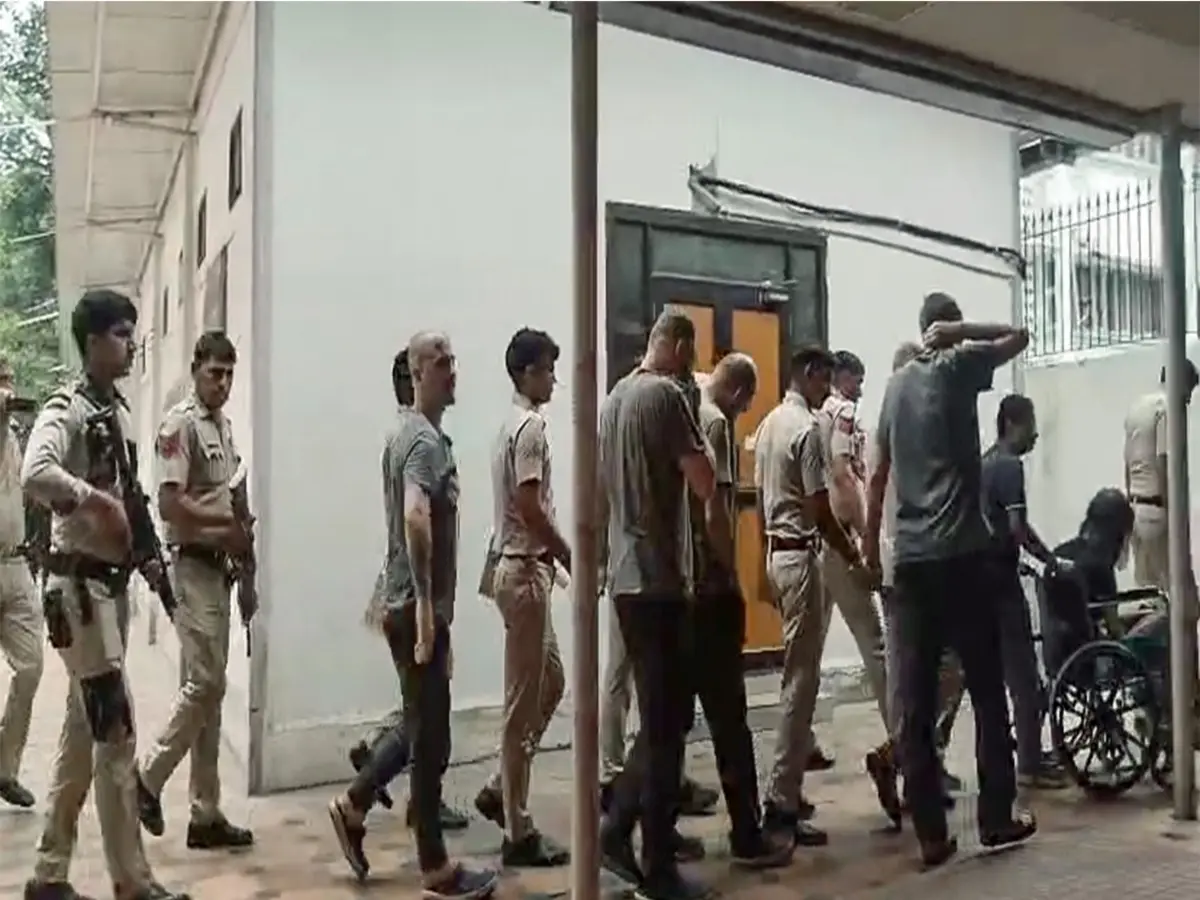)
Myanmar training camp case: US national, 6 Ukrainians allowed to meet their families abroad
)
Bigg Boss 20: Salman Khan schools Rhiti Tiwari over Qazi Touqeer clash, compares her to Dolly Bindra
)
Mushtaq Khan dies at 56: When Welcome actor opened up about his salary for iconic role Ballu
)
LPU students go on rampage, vandalise campus amid widespread protest: What's happening
)
'FIRST LOOK from inside Noah’s Ark': Researchers share video from inside mysterious mound in Turkey
)
‘Attack on Mecca a red line for Pakistan’: Shehbaz Sharif warns Houthis at UN
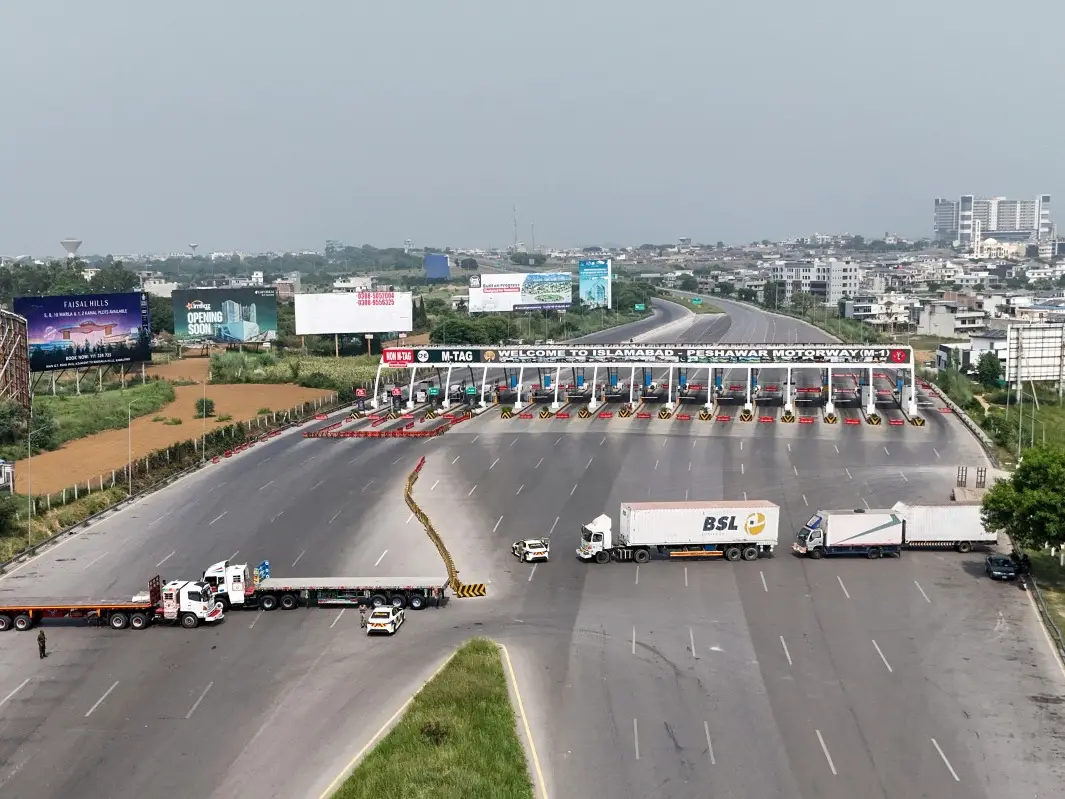)
Pakistan deploys over 20,000 security personnel as PTI vows march for Imran Khan's release
)
OpenAI AI Agents hacked 4 websites before Hugging Face, researchers reveal
)
'A terrorist country is asking me that question?': Jaishankar hits back at Pakistani journalist at UN; flags attacks on commercial shipping
)
Trump-Xi summit wrap: Big pageantry, Iran talks, few major developments and more meetings planned
)
Did Hitler kill his niece Geli Raubal? Newly found records reopen a 95-year-old mystery
)
Hawaii braces for Hurricane Nolo: NOAA warns of flash flooding and mudslides
)
'What kind of confession is this?': Pakistan PM Shehbaz Sharif’s 'terrorists would be roaming New York' remark goes viral, raises alarm online. Watch
)
US-Iran war: Trump rejects Iran's Hormuz proposal, reports suggest talks expected next week
)
Bollywood x K-pop crossover! LE SSERAFIM’s Kazuha charms fans with Shah Rukh Khan’s ‘Chammak Challo’ steps
)
Gaza's war turned environmental damage into second crisis
)
‘Serial practitioner of terrorism’: Jaishankar calls out Pakistan’s ‘state-sponsored’ terror at UNGA
)
‘It is all possible’: Putin weighs next steps on Ukraine talks, rules out Europe conflict
)
Prince Harry offers rare glimpse into Archie and Lilibet’s life after UK move
)
Nigeria Navy moves to boost oil security, tackle crude theft and infrastructure threats
)
Donald Trump shares image of Xi's arrival in Washington, carries signs of AI
)
Pentagon quietly adds 37 wounded troops to Iran war tally without explaining when or how
)
US court backs Pentagon's decision to exclude Anthropic over Claude AI restrictions
)
US Supreme Court backs Trump administration's use of SAVE database to check voter citizenship
)
‘Could kill billions...’: Bill Gates backs calls to slow AI development amid fears of catastrophe
)
'Countries far from conflict are penalised': Jaishankar calls for Gulf peace, seafarer safety at UN
)
WATCH | As Shehbaz Sharif claims Pakistan’s ‘victory’ during 2025 conflict, Indian diplomat R Srinivas laughs at UN
)
Outrage erupts after 3-year-old is married to 60-year-old man in Pakistan, link to her sister's murder being probed
&im=FitAndFill=(700,400))
New Friday OTT releases (September 25, 2026): Don’t Be Shy, Hunkkaar: The Roar, Mango Pachcha- 6 movies and TV shows on Netflix, Prime Video and more
)
Global community 'absent' in Gulf crisis: Saudi at UN calls for freedom of navigation, pre war status for Hormuz
)
Farhan, who went viral for AK47 celebration vs India in Asia Cup, hopes to lead Pakistan beyond Asian Games
)
‘I rejected it’: Trump confirms turning down Iran’s proposal to reopen Hormuz, claims Tehran is losing ‘badly’
)
Russia will achieve Ukraine war aims; Europe doing everything to block peace talks: Lavrov at UN
The United Nations says at least 1 million Uighurs and other Muslims have been detained in Xinjiang. Faith leaders, activist groups and others have said crimes against humanity, including genocide, are taking place there.
Beijing denies the accusations and on Thursday its Washington embassy said the CECC was “obsessed with making up all sorts of lies to vilify China.”
“The so-called ‘genocide’ is a rumour deliberately started by some anti-China forces and a farce to discredit China,” an embassy spokesperson said.
The CECC report called for a formal US“determination on whether atrocities are being committed” in Xinjiang, something required within 90 days of USlegislation passed on December27.
The report comes after the United States on Wednesday announced a ban on the entry of cotton and tomato products from China's Xinjiang region amid allegations that detainee or prison labour from Uyghurs went into making them, according to the US Customs and Border Protection.
Secretary of State Mike Pompeo, in his final days in office before President-elect Joe Biden succeeds President Donald Trump on January20, has already been weighing a determination.
Pompeo in July said that it is time "for a new alliance of democracies" to counter Beijing's aggressive policies. But given the current turmoil in Washington, officials have played down the possibility of an announcement before that.
CECC co-chair, Democratic Representative Jim McGovern, called China’s actions to crush human rights in the past year “shocking and unprecedented” and urged Congress and the incoming Biden administration to hold Beijing accountable.
“The United States must continue to stand with the people of China in their struggle and lead the world in a united and coordinated response to the human rights abuses of the Chinese government,” he said.
In Trump’s last year in power, relations between the world’s two biggest economies have plunged to their lowest level in decades with disagreements on issues including human rights, the coronavirus pandemic, trade and espionage.
Experts say a USgenocide determination would be an enormous embarrassment for China, a permanent member of the U.N. Security Council.
It could also pose problems for Biden by complicating his dealings with Beijing, although his campaign had already declared, before the November election, that genocide was occurring in Xinjiang.
In October, Trump’s national security adviser, Robert O’Brien, said Beijing was perpetrating “something close to” genocide and other officials have referred to concentration camps in Xinjiang.
Under international law, crimes against humanity are defined as widespread and systematic, whereas the burden of proof for genocide - the intent to destroy part of a population - can be more difficult to prove.
Expectations that Pompeo might declare genocide were raised in June when he labelled as “shocking” and “disturbing” reports that China was using forced sterilization, forced abortion and coercive family planning against Muslims.
He was referring to a report about Xinjiang by German researcher Adrian Zenz, which the CECC report also cited.
Zenz said his findings represented the strongest evidence yet that Beijing’s Xinjiang policies met one of the criteria cited in the U.N. genocide convention, namely “imposing measures intended to prevent births within the (targeted) group.”
A USgenocide declaration would mean countries would have to think hard about allowing companies to do business with Xinjiang, a leading global supplier of cotton. It would also raise pressure for further USsanctions.