US midterm elections 2026: How Gen Z voters consume elections on Social Media and are poised to vote - EXPLAINED

&imwidth=600&imheight=450&format=webp&quality=medium "US midterm elections 2026: How Gen Z voters consume elections on Social Media and are poised to vote - EXPLAINED")
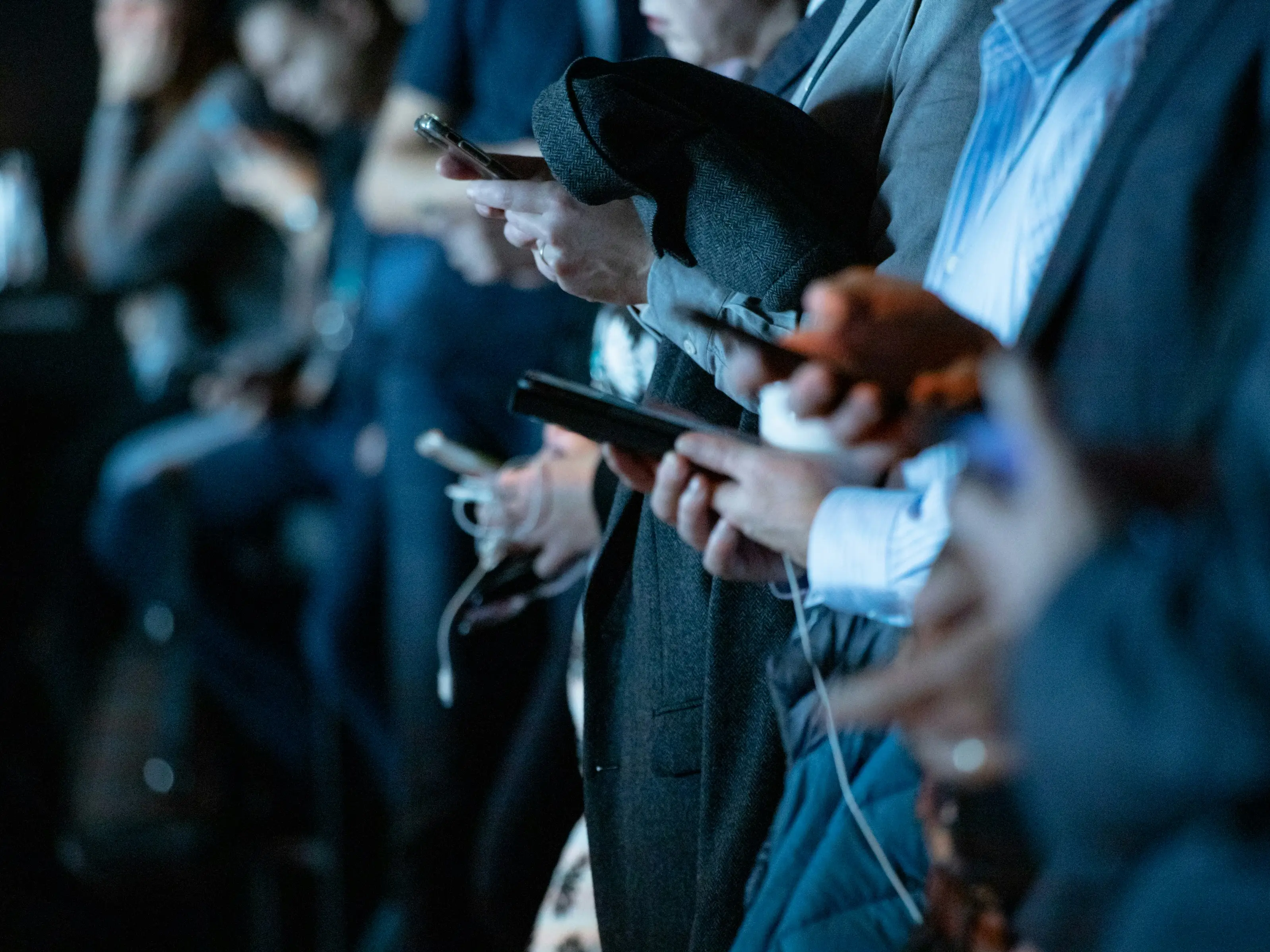
Representative image. Photograph: (Unsplash)
TikTok has emerged as the unlikely newsroom for this generation in the US. Among young Americans, 44 per cent access news daily via social media, and a quarter name TikTok as their primary news platform, ahead of dedicated news apps.
Not only Generation Z, but every generation, irrespective of age and gender, had another a social media another option to consume news or ongoing developments on social media. But Gen Z are ahead of all generations, relying on social media as a source of information and entertainment. Social media became attractive as it is convenient to access and retrieve a lot of sources for political campaigns to share their messaging or meet their agenda. In recent years, political campaigns have also incorporated social media into their communication strategy for reaching voters.
While TV remains the overall go-to source for election coverage, the study found that social media has become the more powerful force for Gen Z and Millennials in terms of influencing voting decisions and how they perceive political candidates. The Q3 2026 Pulse Survey Analysis revealed that close to half of Gen Z respondents had their voting choice shifted by something they saw in a single social media post.
Social media shapes more than half of Gen Z voters in US
The influence runs even deeper when it comes to opinion formation more broadly: more than half of all US voters, and a striking 79 per cent of Gen Z voters, said social media content has shaped or altered their views on candidates. With the November midterms drawing closer, the report also found that one in five Gen Z and Millennial users intend to turn to social platforms as their main way of tracking election developments.
The report also indicates that nearly half of Gen Z say a single social media post has changed their opinion on who to vote for. Talking about TikTok, it has emerged as the unlikely newsroom for this generation in the US. Among young Americans, 44 per cent access news daily via social media, and a quarter name TikTok as their primary news platform, ahead of dedicated news apps. Instagram isn't far behind, functioning as a hybrid space for political content and social connection. Trust is notably high too: 53 per cent find social media news trustworthy, with only 16 per cent expressing active distrust.
Trending Stories
&imwidth=280&imheight=210&format=webp&quality=medium)
&im=FitAndFill=(700,400)&imwidth=280&imheight=210&format=webp&quality=medium)
&imwidth=280&imheight=210&format=webp&quality=medium)
&imwidth=280&imheight=210&format=webp&quality=medium)
&imwidth=280&imheight=210&format=webp&quality=medium)
&imwidth=280&imheight=210&format=webp&quality=medium)
&imwidth=280&imheight=210&format=webp&quality=medium)
&imwidth=280&imheight=210&format=webp&quality=medium)
&imwidth=280&imheight=210&format=webp&quality=medium)
&imwidth=280&imheight=210&format=webp&quality=medium)
&imwidth=280&imheight=210&format=webp&quality=medium)
&imwidth=280&imheight=210&format=webp&quality=medium)
&imwidth=280&imheight=210&format=webp&quality=medium)
&imwidth=280&imheight=210&format=webp&quality=medium)
&imwidth=280&imheight=210&format=webp&quality=medium)
&imwidth=280&imheight=210&format=webp&quality=medium)
&imwidth=280&imheight=210&format=webp&quality=medium)
&imwidth=280&imheight=210&format=webp&quality=medium)
&imwidth=280&imheight=210&format=webp&quality=medium)
&imwidth=280&imheight=210&format=webp&quality=medium)
&imwidth=280&imheight=210&format=webp&quality=medium)
&imwidth=280&imheight=210&format=webp&quality=medium)
&imwidth=280&imheight=210&format=webp&quality=medium)
&imwidth=280&imheight=210&format=webp&quality=medium)
&imwidth=280&imheight=210&format=webp&quality=medium)
&imwidth=280&imheight=210&format=webp&quality=medium)
&im=FitAndFill=(700,400)&imwidth=280&imheight=210&format=webp&quality=medium)
&imwidth=280&imheight=210&format=webp&quality=medium)
&imwidth=280&imheight=210&format=webp&quality=medium)
&imwidth=280&imheight=210&format=webp&quality=medium)
&imwidth=280&imheight=210&format=webp&quality=medium)
&imwidth=280&imheight=210&format=webp&quality=medium)
&imwidth=280&imheight=210&format=webp&quality=medium)
&imwidth=280&imheight=210&format=webp&quality=medium)
Gen Z is nearly twice as likely as the general population to lean on creators and influencers they follow for election information, and roughly 70 per cent of Gen Z follow at least one politician directly on social media, collapsing the distance between voters and candidates that once ran through press conferences and campaign ads.
Surprisingly, one in five Gen Z and Millennial users decide to use social media specifically for election news as polling dates approach, making their feeds a running ballot briefing rather than a passive scroll, and making them more likely to be controlled by the algorithm. Yet this digital-first approach comes with caveats. Algorithmic feeds risk narrowing exposure to confirming viewpoints, and misinformation spreads as quickly as genuine civic content. Still, for a generation that treats TikTok and Instagram as search engines, news desks, and town halls rolled into one, the ballot box is increasingly being shaped scroll by scroll, making digital fluency as decisive to this election cycle as any traditional campaign strategy.

