US top commander visits USS Lincoln amid Iran war, Gaza and Lebanon tensions

&imwidth=600&imheight=450&format=webp&quality=medium "US top commander visits USS Lincoln amid Iran war, Gaza and Lebanon tensions")
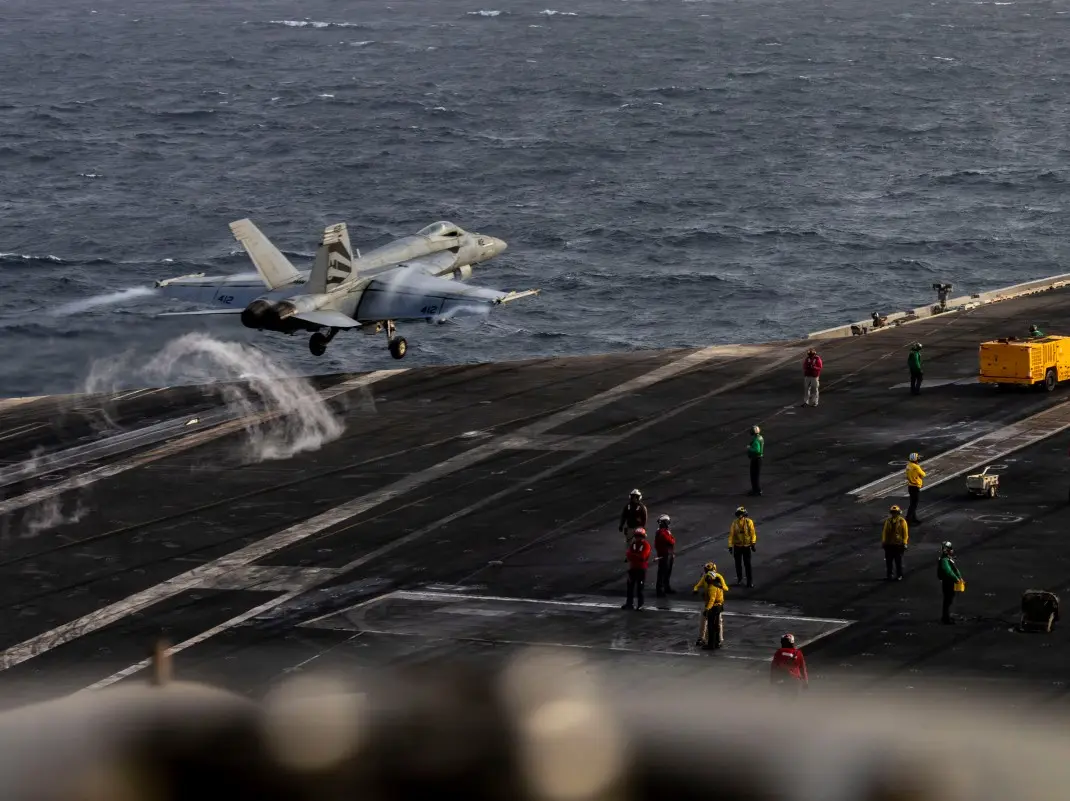
US, Israel, Iran and Hamas face rising tensions as the USS Lincoln patrols the region Photograph: (AFP)
US, Israel, Iran and Hamas face rising tensions as the USS Lincoln patrols the region, Lebanon strikes kill 11 and Gaza ceasefire talks resume
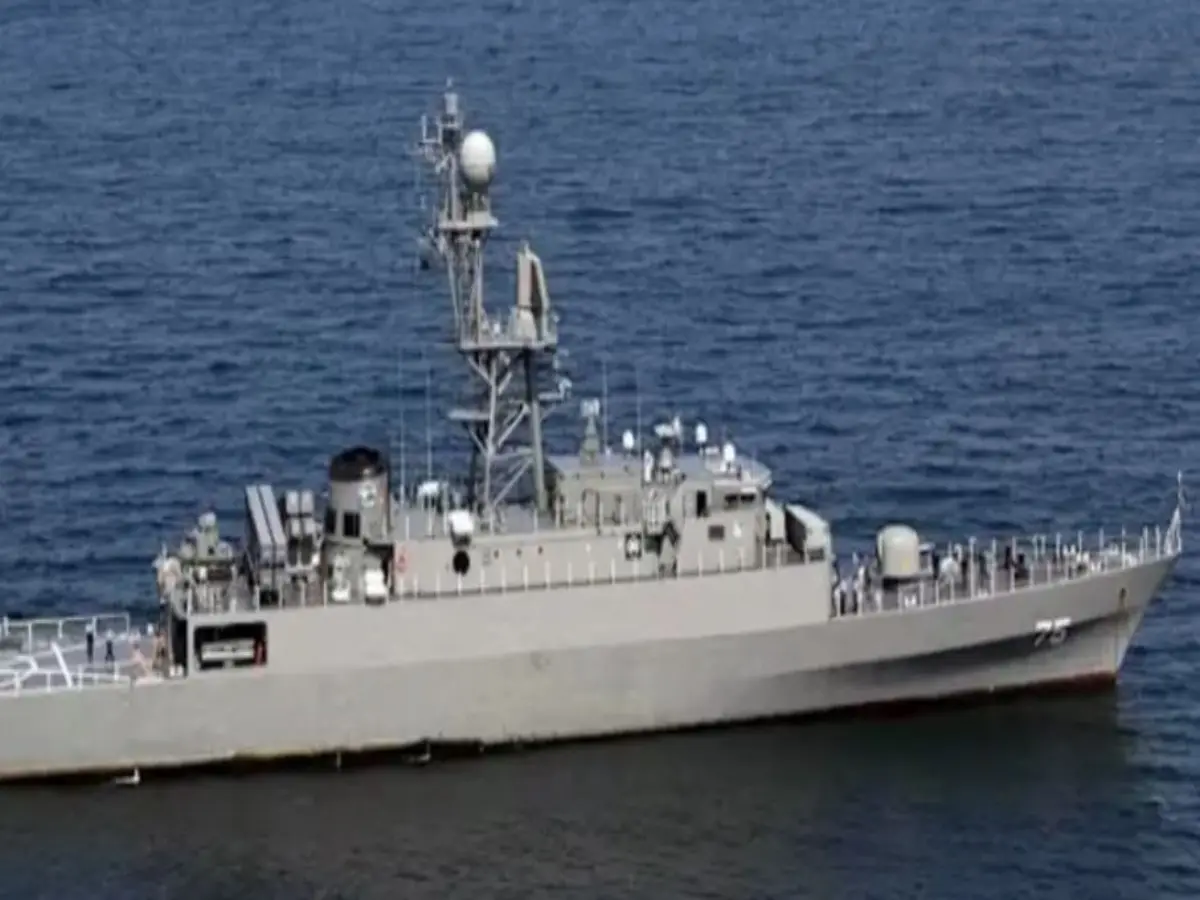
US Central Command chief Admiral Brad Cooper visited the USS Abraham Lincoln in the Arabian Sea during a 10-day tour of the Middle East that concluded on Saturday, as the US military's war with Iran and wider regional tensions continued to dominate developments. Cooper's visit came amid reports of mental health concerns and supply problems aboard the aircraft carrier. The Lincoln arrived in the Middle East in January and has been supporting the US military campaign against Iran, including operations linked to the blockade of Iranian ports.
The carrier has spent more than 240 consecutive days at sea, setting a record. Its extended deployment has renewed concerns about the impact of prolonged operations on both the ship and its more than 5,000 sailors and Marines. In a statement issued on Saturday, Cooper described the deployment as historic, saying, “History will record this deployment as one of the most operationally intense and consequential of the modern era.”
According to Central Command, Cooper also visited Bahrain, Iraq, Israel, Jordan, Saudi Arabia and the United Arab Emirates, where he met civilian and military leaders. The US Navy's blockade followed Iran's declaration of control over the Strait of Hormuz after the war started on February 28 with US and Israeli strikes. Before the conflict, roughly one-fifth of the world's traded oil and natural gas passed through the strategic waterway at the entrance to the Persian Gulf.
Diplomatic efforts between Washington and Tehran have stalled. Iran is separately holding discussions with Oman over how the Strait of Hormuz should be managed, despite the waterway having traditionally been regarded as an international passage.
'Hezbollah commanders killed in Lebanon strikes': Israel
Meanwhile, Israel said its military strikes in southern Lebanon on Saturday targeted two Hezbollah commanders. Lebanese authorities and the country's state news agency reported that at least 11 people were killed in two separate attacks. The strikes were described as the deadliest since a truce between Israel and Hezbollah, the Iran-backed Lebanese group, took effect in June.
Trending Stories
)
)
)
)
)
)
)
)
)
)
)
)
)
)
)
)
)
)
)
)
)
)
)
)
)
)
)
)
)
)
)
)
)
)
&im=FitAndFill=(700,400))
)
)
)
)
Israel's military said early Sunday that a later strike killed Abu Hassan Alaa, whom it described as a senior Hezbollah commander. Israel said he had participated in attacks against Israeli soldiers in southern Lebanon and had led militants involved in attacks targeting Israeli soldiers and civilians over several years. Earlier, the Israeli military said a strike in Ansar killed Ali Samir Al-Haj Hassan, whom it also identified as a Hezbollah commander. The military said his family was present but was not targeted.
The developments come after Israel and Lebanon announced a framework agreement in late June outlining a potential Israeli withdrawal from southern Lebanon in return for Hezbollah's disarmament. The proposed framework also envisages steps toward an eventual peace agreement between Israel and Lebanon, which remain technically at war nearly eight decades after Israel's establishment. Hezbollah has rejected direct negotiations and was not a party to the US-mediated agreement.
Also Read: Wildfires rage across Greece and Croatia as tourists flee; firefighters battle flames and smoke
Hamas delegation arrives in Cairo for Gaza ceasefire talks
A Hamas delegation led by group leader Khalil al-Hayya arrived in Cairo on Sunday for talks related to a Gaza ceasefire, Hamas said. Egyptian state-run media reported that al-Hayya met Major General Hassan Rashad, head of Egypt's intelligence service. Al-Qahera News television said al-Hayya reaffirmed Hamas' commitment to implementing US President Donald Trump's Gaza peace plan 'to end the suffering of the residents of the Gaza Strip and to begin the reconstruction process'.
The discussions came as mediators worked to advance a roadmap involving the disarmament of Hamas and other Palestinian armed groups in Gaza, the withdrawal of Israeli forces and the transfer of administrative authority to Palestinian technocrats. Israeli Prime Minister Benjamin Netanyahu has rejected Trump's latest proposal to revive the stalled ceasefire process. Netanyahu has said Israel will not withdraw from the roughly 60 per cent of Gaza it currently controls until Hamas is completely disarmed.
Hamas, which controls the remaining territory, has long opposed disarmament. It was unclear whether al-Hayya would meet Trump's son-in-law and negotiator Jared Kushner, Board of Peace high representative Nickolay Mladenov, or executive board member and former British Prime Minister Tony Blair. The three are expected to travel to Israel and Egypt this week.
Iran and Qatar dispute claims over missing pilots
In another development, Iran accused Qatar of holding three Iranian pilots whose aircraft were downed in March. Qatar rejected the allegation. Iran's Armed Forces General Staff's Missing Persons Committee said Qatar's armed forces had captured and were holding the three pilots, who went missing after their jets were shot down in March. Iranian state television reported Sunday that the committee's commander had called on Qatar to allow Iranian Air Force experts to conduct an investigation at the site.
In a statement released Saturday, the committee claimed the pilots had not been permitted to communicate with their families or Iranian officials involved in their cases. Qatar's Foreign Ministry spokesperson Majed Al Ansari denied the allegation. In a post on X, he said the pilots had been shot down and that Qatari search-and-rescue teams had recovered the remains of one of them.
The developments come as the Iran war continues to reshape the security situation across the Middle East, with the US military presence, the Strait of Hormuz, Israel-Hezbollah tensions, Gaza ceasefire negotiations and the Iran-Qatar dispute emerging as key regional flashpoints.

