US inflation surges to near two-year high as energy prices spike 12%

&imwidth=600&imheight=450&format=webp&quality=medium "US inflation surges to near two-year high as energy prices spike 12%")
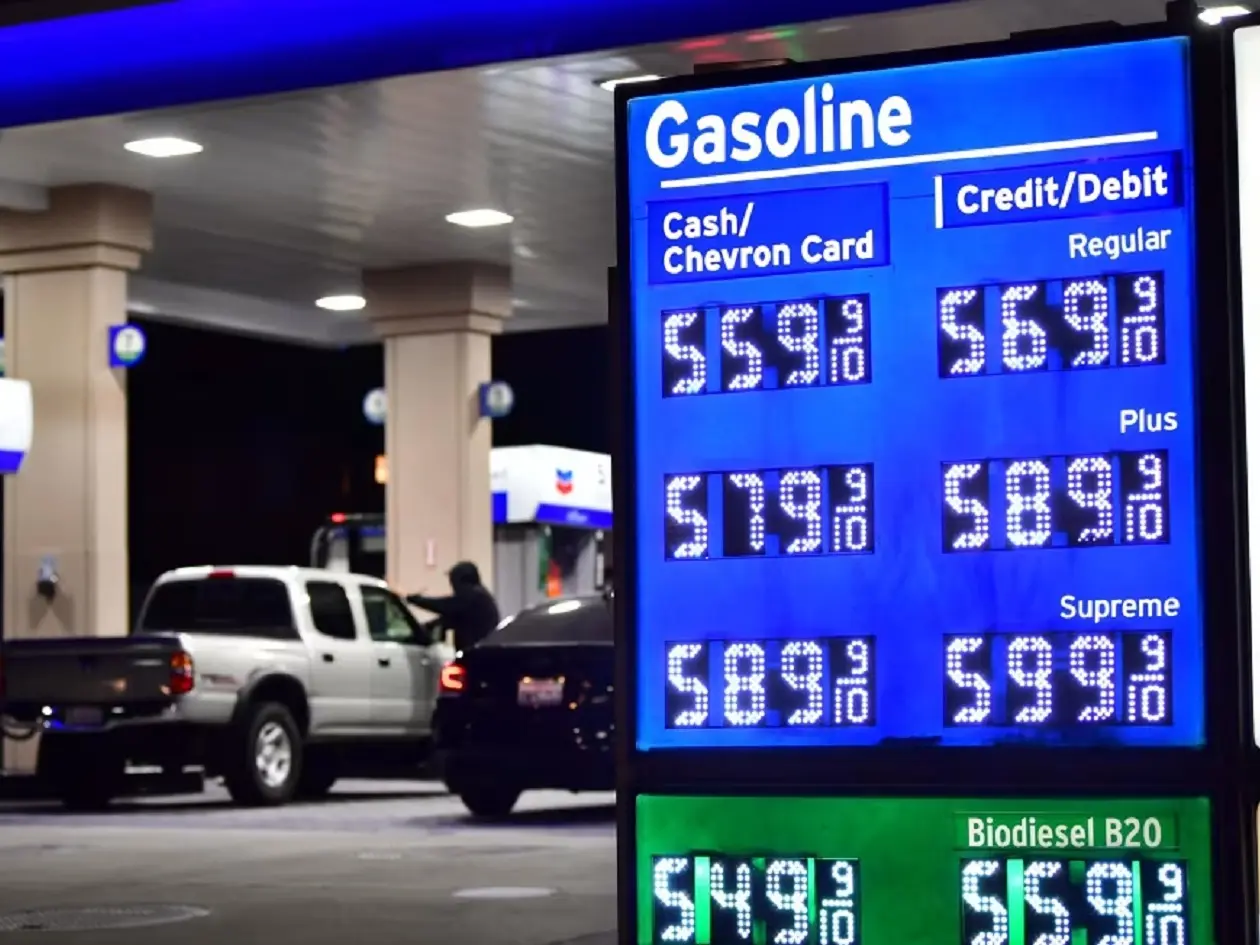
Gas prices rose 21.2% from February to March, the biggest monthly increase Photograph: (AFP)
Though the US-Iran talks have raised hopes of the crucial waterway’s reopening, it may take time for energy supplies to normalise. Oil prices have dropped but are still significantly higher. Besides oil, the Strait of Hormuz is a critical passage for fertiliser, aluminum, and helium.
Inflation in the United States surged last month to its highest rate in nearly two years, as rising oil prices triggered by the Iran war and subsequent closure of the Strait of Hormuz are showing their impact on the wider economy.
As per the US labour department, consumer prices rose 3.3% over the 12 months to March, picking up from 2.4% in February. That’s the biggest annual increase since May 2024.
Prices jumped 0.9% between February and March, with higher gasoline prices accounting for nearly three-quarters of that increase.
Biggest monthly change since 2022
The jump marked the biggest monthly change since 2022, when the world was dealing with an energy shock brought on by Russia’s invasion of Ukraine.
Last month’s increase was driven by a surge in fuel prices, as the near-total shutdown of the Strait of Hormuz by Iran sent oil prices soaring, said the report.
Trending Stories
&imwidth=280&imheight=210&format=webp&quality=medium)
&im=FitAndFill=(700,400)&imwidth=280&imheight=210&format=webp&quality=medium)
&imwidth=280&imheight=210&format=webp&quality=medium)
&im=FitAndFill=(700,400)&imwidth=280&imheight=210&format=webp&quality=medium)
&imwidth=280&imheight=210&format=webp&quality=medium)
&imwidth=280&imheight=210&format=webp&quality=medium)
&imwidth=280&imheight=210&format=webp&quality=medium)
&imwidth=280&imheight=210&format=webp&quality=medium)
&imwidth=280&imheight=210&format=webp&quality=medium)
&imwidth=280&imheight=210&format=webp&quality=medium)
&imwidth=280&imheight=210&format=webp&quality=medium)
&imwidth=280&imheight=210&format=webp&quality=medium)
&imwidth=280&imheight=210&format=webp&quality=medium)
&imwidth=280&imheight=210&format=webp&quality=medium)
&imwidth=280&imheight=210&format=webp&quality=medium)
&imwidth=280&imheight=210&format=webp&quality=medium)
&imwidth=280&imheight=210&format=webp&quality=medium)
&imwidth=280&imheight=210&format=webp&quality=medium)
&imwidth=280&imheight=210&format=webp&quality=medium)
&imwidth=280&imheight=210&format=webp&quality=medium)
&imwidth=280&imheight=210&format=webp&quality=medium)
&imwidth=280&imheight=210&format=webp&quality=medium)
&im=FitAndFill=(700,400)&imwidth=280&imheight=210&format=webp&quality=medium)
&imwidth=280&imheight=210&format=webp&quality=medium)
&imwidth=280&imheight=210&format=webp&quality=medium)
&imwidth=280&imheight=210&format=webp&quality=medium)
&imwidth=280&imheight=210&format=webp&quality=medium)
&imwidth=280&imheight=210&format=webp&quality=medium)
&imwidth=280&imheight=210&format=webp&quality=medium)
&imwidth=280&imheight=210&format=webp&quality=medium)
&imwidth=280&imheight=210&format=webp&quality=medium)
&imwidth=280&imheight=210&format=webp&quality=medium)
&imwidth=280&imheight=210&format=webp&quality=medium)
&imwidth=280&imheight=210&format=webp&quality=medium)
Gas prices rose 21.2% from February to March, the biggest monthly increase since the government started tracking the figures in 1967.
The impact has been particularly visible in states like California, where gas prices were already higher than the rest of the US.
On Thursday, the average cost of a gallon of gas in California was $5.93 in contrast to the nationwide average of $4.16, according to the American Automobile Association.
Gas prices surge account for nearly three quarters of inflation rise
The spike in gas prices accounted for nearly three quarters of the rise in inflation from February to March.
Besides, prices for airline tickets and clothing also increased over the month due to higher energy prices and the lingering impact of tariffs, as the costs are being passed onto customers.
Though food prices remained unchanged, they may rise ahead once the impact of higher transportation and fertiliser costs starts to create an impact.
Besides oil, the Strait of Hormuz is a critical passage for commodities like fertiliser, aluminium, and helium.
Though the US-Iran talks have raised hopes of the crucial waterway’s reopening, it may take time for energy supplies to normalise. Oil prices have dropped from highs but are still significantly higher than before the war.
Although inflation is nowhere near the four-decade high it reached in 2022, following Russia’s invasion of Ukraine, progress on stabilizing prices fizzled out last year, partly as a result of President Trump’s tariffs. The wartime jump in energy prices has pushed inflation even higher.