

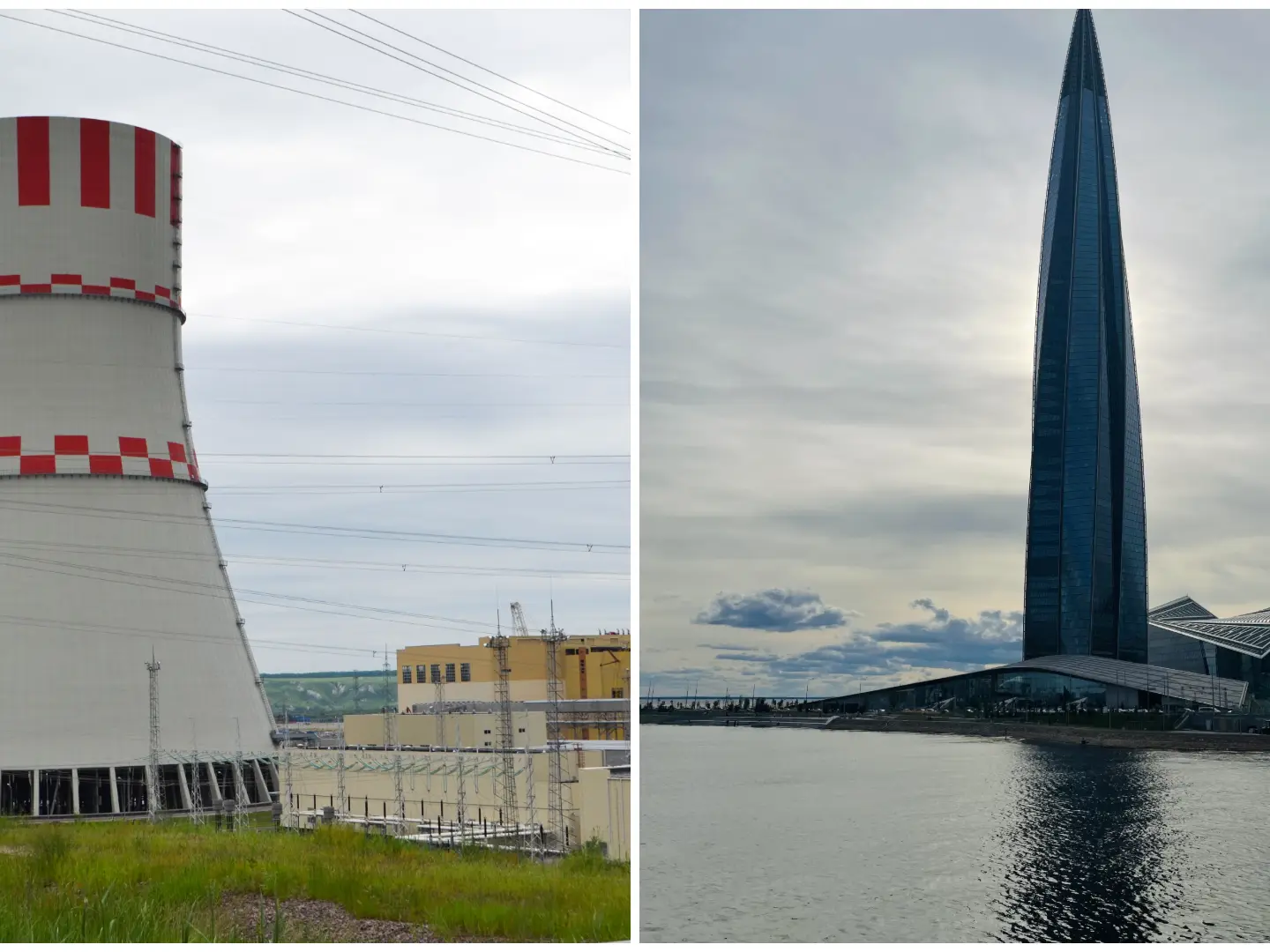
&imwidth=800&imheight=600&format=webp&quality=medium "Bad if we do it, good if you do? US, West's Russia energy trade HYPOCRISY EXPOSED as Trump browbeats India with tariffs, fines")
India is being attacked by US President Donald Trump over its energy and defence trade with Russia, alleging it's fuelling Moscow's war with Ukraine. But Trump is hiding more than what he reveals. Many Western nations, including NATO members and the US, continue to trade in Russian energy—directly or indirectly—using exemptions, loopholes and round-tripping. The overview below focuses solely on oil and gas trade, and even that is shocking.
Western nations, including NATO members, continue to import Russian energy
If you're too busy to read the whole thing, here's a snapshot: As recently as June, the European Union was the largest buyer of Russian Liquified Natural Gas (LNG), purchasing 51 per cent of Russia's LNG exports. The EU also bought 37 per cent of piped natural gas (PNG), while NATO member Turkiye bought 27 per cent. Turkiye is, in fact, the largest buyer of Russian oil products, accounting for 26 per cent of exports.
Five top EU importers of Russian fossil fuels paid Russia a total of 1.2 billion euros. Crucially, over 72 per cent of these imports were in natural gas, which the EU has not sanctioned. May be because this gas is essential for heating European homes during cold months.
Belgium, host of the EU headquarters, was the second-largest importer in June, spending 300 million euros on LNG alone—a 12 per cent increase from May. France followed, importing 232 million euros worth of Russian LNG.
Then, there’s the indirect trade. In June, more than half of Russian seaborne oil exports were transported on G7+ tankers, up from 36 per cent in January to 56 per cent. This shows Western logistical involvement in sustaining Russian exports.
Trending Stories
&imwidth=180&imheight=135&format=webp&quality=medium)
Serbia’s student-led movement defeats Vucic’s party after 14 years in power: Why it matters
&imwidth=180&imheight=135&format=webp&quality=medium)
Clayface tops North American box office, Elizabeth Holmes documentary follows close behind
&imwidth=180&imheight=135&format=webp&quality=medium)
Pahalgam, Gulmarg record season’s first sub-zero temperatures as winter chill intensifies in Kashmir
&im=FitAndFill=(700,400)&imwidth=180&imheight=135&format=webp&quality=medium)
Why do some fighter jets have two engines while others use one?
&im=FitAndFill=(700,400)&imwidth=180&imheight=135&format=webp&quality=medium)
How do army night-vision systems see in almost complete darkness?
&imwidth=180&imheight=135&format=webp&quality=medium)
Telangana unveils AI avatar of IT minister D Sridhar Babu at Hyderabad DevFest 2026
&im=FitAndFill=(700,400)&imwidth=180&imheight=135&format=webp&quality=medium)
Armoured vehicles vs main battle tanks: What is the real difference?
&imwidth=180&imheight=135&format=webp&quality=medium)
Donald Trump targets Bill Maher in lengthy post after White House dinner, says ‘Don’t call anymore’
&imwidth=180&imheight=135&format=webp&quality=medium)
'Clear overkill': Putin rejects claims Russia is behind mass protests in Europe
&imwidth=180&imheight=135&format=webp&quality=medium)
Saudi says debris fell in Mecca, Medina after missile interceptions; Houthis deny targeting holy cities
&imwidth=180&imheight=135&format=webp&quality=medium)
'Already tired of his 9-to-5': Baby born with a moustache becomes internet sensation, video goes viral | Watch
&imwidth=180&imheight=135&format=webp&quality=medium)
‘Do I make a deal or finish them off’: What Trump said on resuming Iran strikes
&imwidth=180&imheight=135&format=webp&quality=medium)
WATCH | Langur walks into Odisha repair shop, hugs shopkeeper; internet reacts to heartwarming video
&imwidth=180&imheight=135&format=webp&quality=medium)
US midterms 2026: Election workers face rising threats, vote-counting process under pressure
&imwidth=180&imheight=135&format=webp&quality=medium)
Brazil re-elects factory worker Lula for fourth term; Indian PM Modi congratulates 'dear friend'
&imwidth=180&imheight=135&format=webp&quality=medium)
Rahul Gandhi’s convoy collides with ambulance on UP expressway | VIDEO
&imwidth=180&imheight=135&format=webp&quality=medium)
Govinda breaks silence on divorce rumours with Sunita Ahuja, calls her his first love
&imwidth=180&imheight=135&format=webp&quality=medium)
Nagpur man fails to pay rent, allegedly prints fake Rs 500 notes worth Rs 37 lakh
&imwidth=180&imheight=135&format=webp&quality=medium)
Delhi's new entry rules for vehicles begin November 1. Here's all you need to know about the ban
&imwidth=180&imheight=135&format=webp&quality=medium)
Elon Musk’s Grok releases first AI-generated Odyssey episode, months after promising ‘historically accurate’ full-length film
&imwidth=180&imheight=135&format=webp&quality=medium)
‘That is a miss’: Ravi Ashwin questions Sooryavanshi’s demotion to No. 3 in 2nd T20I vs NZ
&imwidth=180&imheight=135&format=webp&quality=medium)
Can Putin cheat death? All about his daughter’s billion-dollar quest for immortality
&imwidth=180&imheight=135&format=webp&quality=medium)
'I promised Gautam & Kotak Sir that...': Tilak Varma opens up on match-winning mindset against NZ
&imwidth=180&imheight=135&format=webp&quality=medium)
‘Will finish the Iran job’: Trump backs Netanyahu again, claims 99% support in Israel
&imwidth=180&imheight=135&format=webp&quality=medium)
US Midterms: Trump targets Norway over Nobel Peace Prize snub, likens Abdul El-Sayed to 9/11 hijackers
&imwidth=180&imheight=135&format=webp&quality=medium)
'Hell of a beautiful a**': Trump compliments Nicki Minaj as rapper joins him in Michigan rally
&imwidth=180&imheight=135&format=webp&quality=medium)
Pakistan airline PIA unveils new crew uniforms, faces online criticism
&im=FitAndFill=(700,400)&imwidth=180&imheight=135&format=webp&quality=medium)
Why does this fighter jet have a golden window that looks like alien technology?
&imwidth=180&imheight=135&format=webp&quality=medium)
Why Europe’s protests are about more than austerity and rising costs
&imwidth=180&imheight=135&format=webp&quality=medium)
Netanyahu warns Israelis of ‘existential threat’ from Iran, posts AI image of nuclear strike
&imwidth=180&imheight=135&format=webp&quality=medium)
'This is humiliation': Vijay Deverakonda under fire over controversial marriage proposal remark on Koffee With Karan 9
&imwidth=180&imheight=135&format=webp&quality=medium)
Formula 1: Mercedes' Kimi Antonelli one race and ninth spot finish away from title after US Grand Prix win
&imwidth=180&imheight=135&format=webp&quality=medium)
FIR filed against opposition MPs for ‘trespassing’ amid Jamia Millia students’ protest
&imwidth=180&imheight=135&format=webp&quality=medium)
‘Saddam Hussein opened a cheesecake factory’: Obama mocks Trump’s White House renovations; defends Abdul El-Sayed
US still imports enriched uranium from Russia
According to Rosatom Director General Alexey Likhachev, the US continues to import enriched uranium from Russia because it’s economically sensible. In 2023, Russia supplied 27 per cent of enriched uranium used by US nuclear operators—more than any other foreign supplier, he said in May this year.
This trade continues despite the US passing the Prohibiting Russian Uranium Imports Act in 2024, banning the imports from 2028 to 2040. Interestingly, waivers to this law till 2028 allow the trade to legally continue. Likhachev even claimed that ongoing discussions with the Trump administration were happening on uranium cooperation.
Shocking details of Russia's energy trade with Western nations in spite of sanctions, Ukraine war
The Centre for Research on Energy and Clean Air (CREA) exposed how energy trade with Russia persists through loopholes, exemptions, and re-routed supply chains. Here is a breakdown:
European Union is still among top buyers
The EU continues to lead in Russian LNG imports (51 per cent) and pipeline gas (37 per cent). Neither is sanctioned, which allows legal trade.
Seaborne oil and oil products continue entering Europe, despite formal bans. Crude oil flows to Hungary and Slovakia via the southern Druzhba pipeline under EU exemptions. Refined oil from Slovakia is possibly re-exported to other EU nations.
Hungary is the largest fossil fuel importer among EU countries, valued by CREA at 356 million euros in June, including 165 mn in crude oil and €191 mn in pipeline gas.
Slovakia imported 178 mn euros in crude oil and has been refining and re-exporting Russian crude to Czechia, till recent restrictions kicked in.
Netherlands bought 99 million euros worth of Russian LNG.
Many importers from Russia are NATO members
NATO countries like Belgium, France, Hungary, Slovakia, The Netherlands and Turkiye are among the largest importers of Russian energy.
Hungary and Slovakia exploit legal exemptions to refine and re-export Russian crude.
G7+ tankers, many from NATO nations, transport Russian seaborne oil, with 41 per cent of crude oil and 80 per cent of oil products moved by Western-owned or insured ships.
Turkiye: The middleman playing both sides amid NATO - Russia tussle
Turkiye was the third-largest importer of Russian fossil fuels in June this year, worth 2.3 billion euros. This included 1 billion in oil products (44 per cent of its total imports), as well as LNG and other fuels. Its Port of Ceyhan saw a 33 per cent increase in refined oil product imports, 88 per cent of which were Russian. Some of this are likely re-exported to the EU.
Greece and Spain facilitate indirect trade
Greek-owned tankers and G7+ maritime fleets play a significant role in shipping Russian oil, which is indirect complicity in the trade. According to CREA, EU waters saw Russian oil worth 218 million per day being moved through ship-to-ship (STS) operations in June, out of which 87 per cent used G7+ vessels.
Shadow fleets and maritime loopholes
A ‘shadow’ fleet of old, poorly insured tankers are still handling some Russian exports. Many transit EU waters under limited enforcement, using so-called "flags of convenience." G7+ vessels are increasingly conducting such STS operations to avoid scrutiny.
So, it's not just India that prioritises economic interests
It’s clear that India is not alone in prioritising energy security over geopolitical rhetoric. Unlike others, India is unapologetic about buying Russian oil. Western and NATO countries continue their robust energy trade with Russia, either through legal exemptions or indirect methods like refining and maritime rerouting, as explained above.
Countries such as Hungary, Slovakia, Belgium, and France remain key players in this trade despite their public posturing. G7+ tankers and facilities enable Russian fossil fuel trade, while the US quietly continues its uranium imports.
Western nations are doing exactly what they criticise others for—prioritising their own interests. In short, energy security trumps geopolitics. Trump can’t trump that.

