Trump tariff war escalates with end of 'de minimis' exemption — What is it and how will it hit US online buyers?

&imwidth=600&imheight=450&format=webp&quality=medium "Trump tariff war escalates with end of 'de minimis' exemption — What is it and how will it hit US online buyers?")
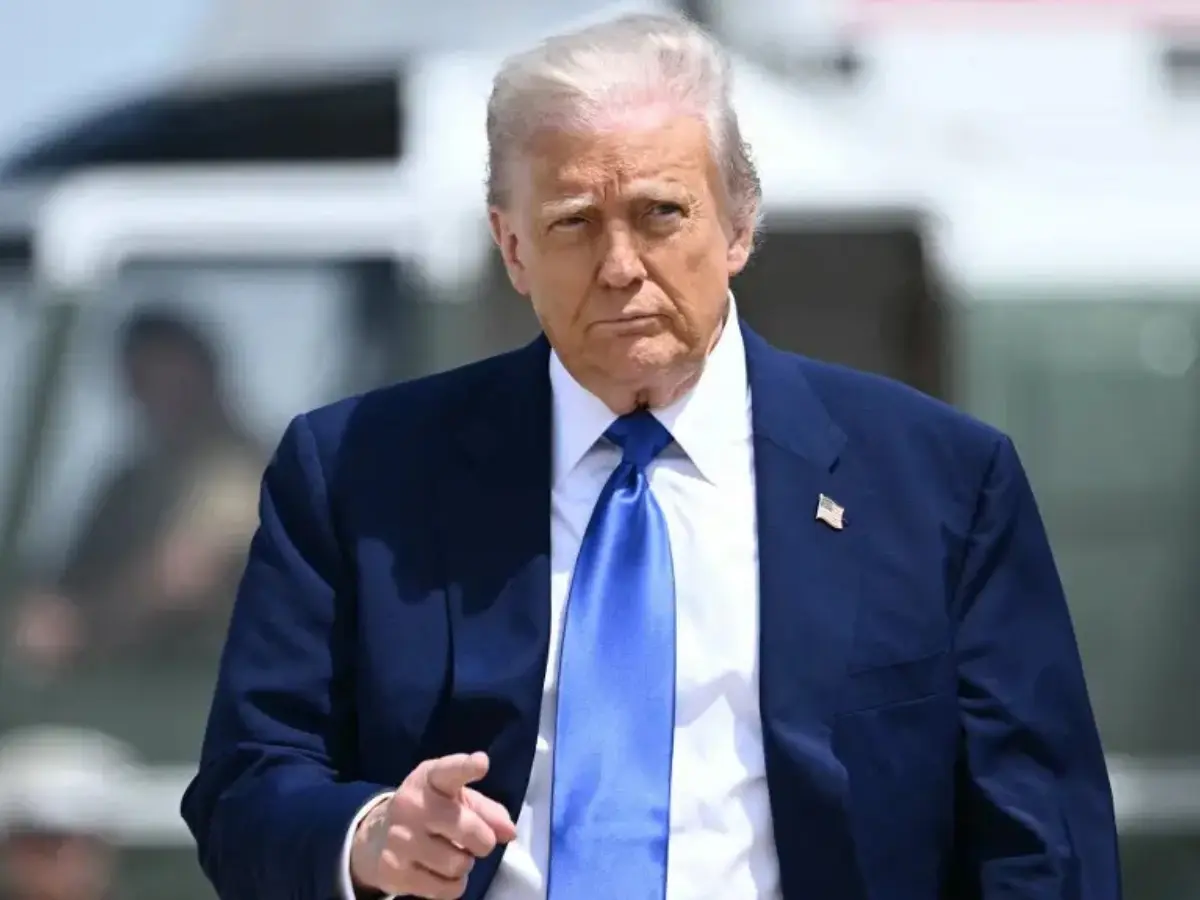
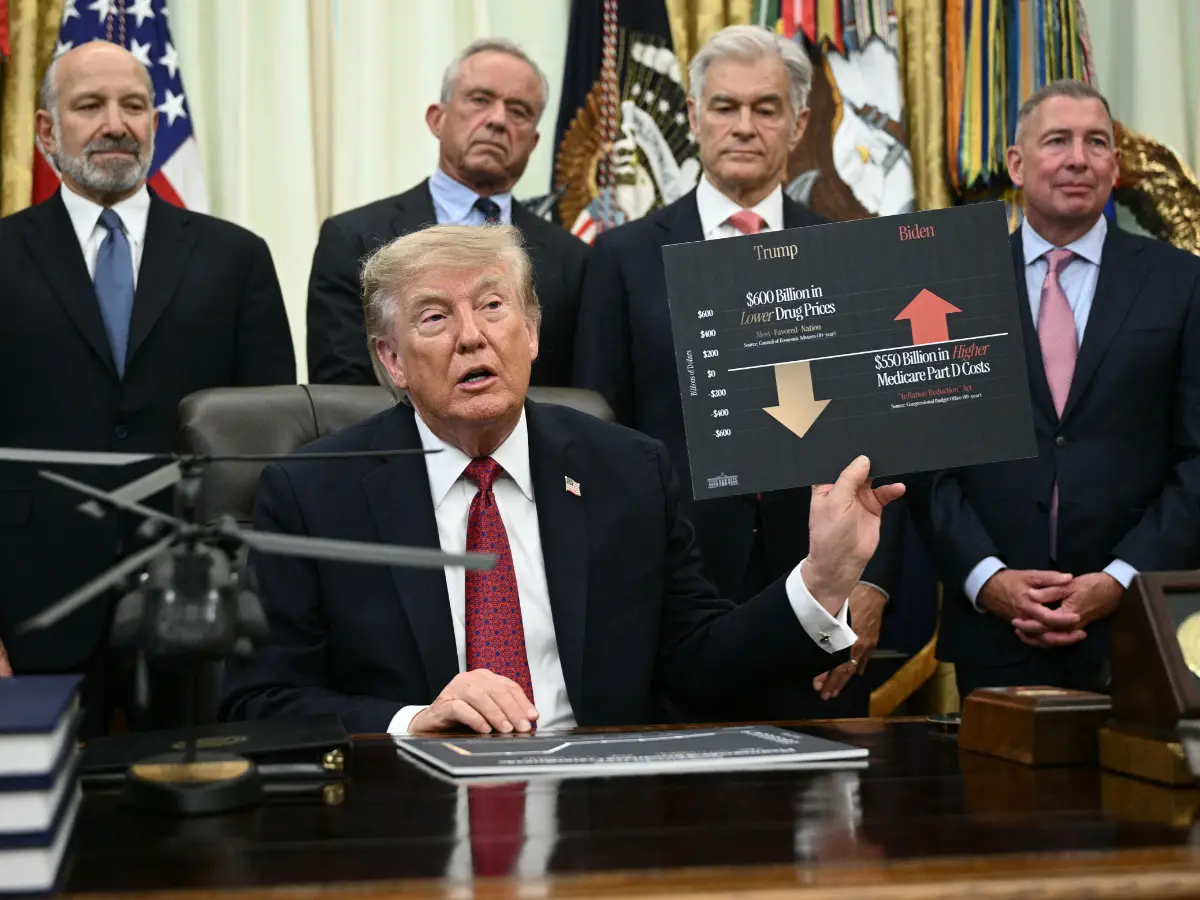
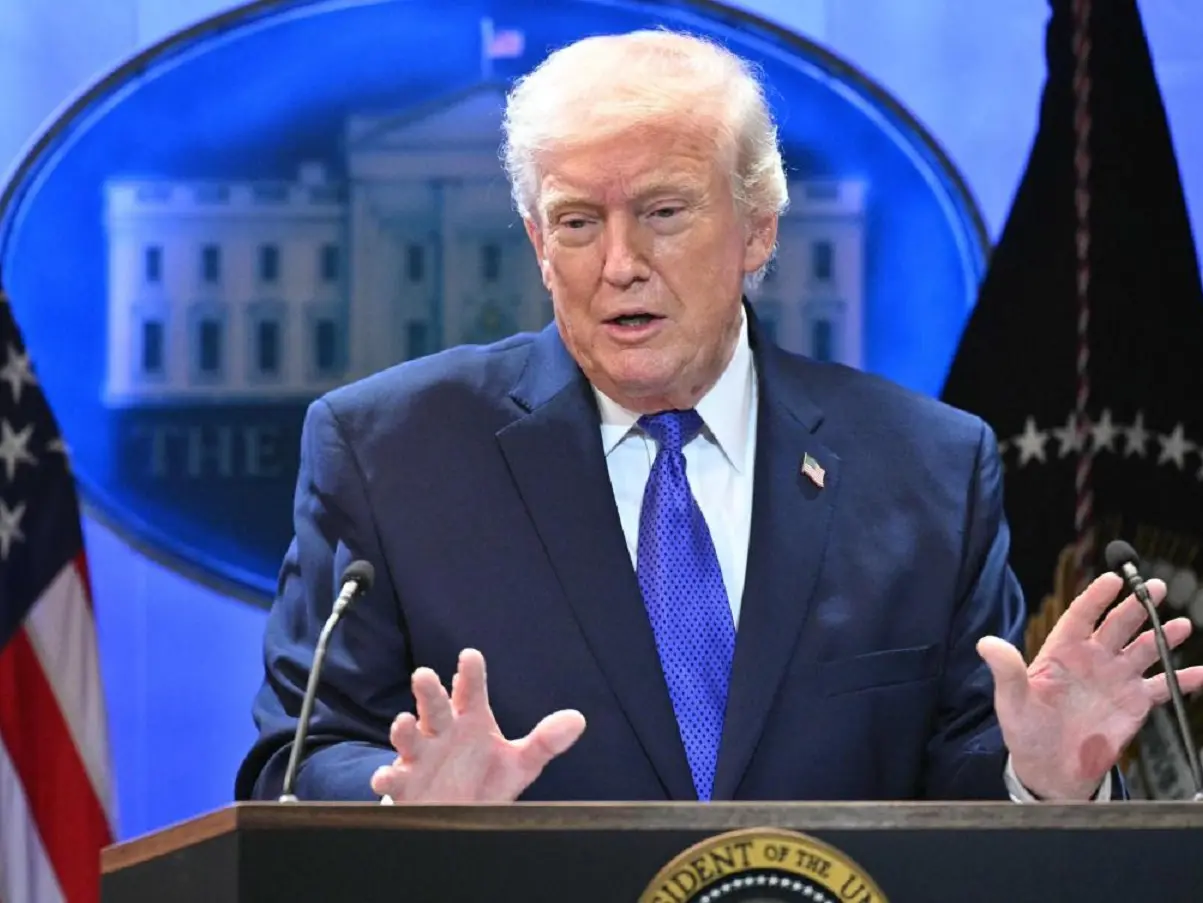
US President Donald Trump Photograph: (Credit: AFP)
The US has scrapped the $800 “de minimis” duty-free threshold for foreign parcels, imposing tariffs on all imports from August 29. A six-month flat fee system will ease the shift. The move targets smuggling and counterfeits but has disrupted global postal services and raised shipping costs.
Continuing with US President Donald Trump's tariff war, the United States on Thursday (Aug 28) has officially ended the long-standing “de minimis” exemption, which previously let foreign parcels worth under $800 enter the country without duties. From August 29, 2025, every incoming shipment will now attract tariffs. To smooth the transition, Washington has introduced a six-month arrangement. Instead of value-based tariffs, parcels will be charged a flat fee of $80 to $200 depending on the origin country. Once this period ends, the regular duty system will fully apply to all packages.
According to US officials, the change is designed to stop the misuse of low-value shipments, which were frequently used to sneak in fentanyl and counterfeit goods. The administration also expects the move to generate more customs revenue. Several foreign postal operators—including those in India, Australia, and parts of Europe—have temporarily suspended or scaled back deliveries to the U.S. They argue that the sudden shift has created uncertainty in customs clearance and increased costs for carriers.
Read More | Donald Trump's tariff on India in numbers: Which sectors are hardest hit, which are exempt
What this means for US markets
For American buyers, the new rules could mean higher online shopping costs and slower deliveries, especially for products sourced from overseas sellers. Analysts caution that some international sellers might even cut back on serving the U.S. market altogether. For consumers, the immediate impact may be felt in the form of higher prices. Smaller sellers, especially those operating through platforms like Etsy, eBay, and Shopify, are unlikely to absorb the additional costs imposed by tariffs, stricter customs compliance, or shipping surcharges. Instead, many are expected to pass those expenses directly onto their customers. As a result, bargain hunting online — particularly for handmade, niche, or imported products — could become more expensive.
Trending Stories
)
)
)
)
)
)
&im=FitAndFill=(700,400))
)
)
)
&im=FitAndFill=(700,400))
)
)
)
)
)
&im=FitAndFill=(700,400))
)
)
)
)
)
)
)
)
)
)
)
)
)
)
)
)
)
)
&im=FitAndFill=(700,400))
)
&im=FitAndFill=(700,400))
)
)
India-US trade war
On July 31, US President Donald Trump reinstated and expanded tariffs on several trading partners, citing a continuing national emergency. Initially paused on April 2 to allow a 90-day window for trade negotiations, the tariffs were reimposed after little progress. As part of the revised policy, a 25 per cent tariff was slapped on Indian goods. Additionally, Trump introduced another 25 per cent tariff specifically targeting India for its ongoing purchases of Russian oil, taking the total tariff impact on Indian exports to 50 per cent. He also warned other nations of similar action if they continued energy deals with Moscow.
In response, Indian Prime Minister Narendra Modi reaffirmed his administration's dedication to protecting the interests of farmers and small businesses. Delivering a strong message promoting economic self-reliance, Modi encouraged shop owners to proudly display signs indicating they sell only indigenous ('swadeshi') products. He urged citizens to support Indian-made goods during the festive season, underlining that national interests would not be compromised. In Japan currently, PM Modi has again urged Indians to focus on ‘swadeshi’.