UK PM Boris Johnson, Labour leader face off in first election debate

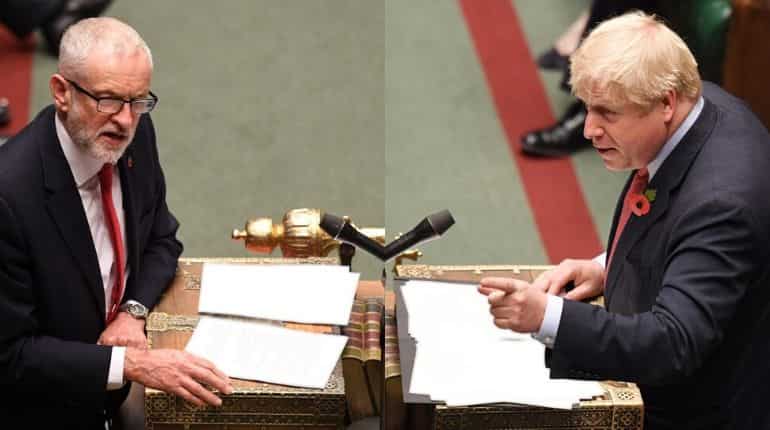
Jeremy Corbyn and Boris Johnson
Britain's Boris Johnson andLabourleaderJeremy Corbyn go head-to-head Tuesday in theirfirstTVdebateof theelectioncampaign, facing scrutiny over their plans for Brexit and more public spending.
Johnson, who took over as theleaderof the governing Conservatives in July, has held a double-digit lead overLabourin opinion polls for weeks, making the December 12electionhis to lose.
Corbyn meanwhile is seeking to repeat the success of the last campaign in 2017, when his promise to end austerity and deliver change "for the many, not the few" fired up voters and denied the Tories an outright win.

The two men have sparred only a handful of times in parliament, making the prime-timedebate, broadcast on ITV television at 8:00pm(2000 GMT), a rare opportunity to see how they engage up close.
Both sides will also be hoping the hour-long clash could put the boosters on what has so far been a slow-burningelectioncampaign.
Johnson fired the starting gun with a letter to Corbyn overnight questioning his plans for Britain's looming departure from the European Union.
&imwidth=180&imheight=135&format=webp&quality=medium)
Sidhu Moose Wala’s younger brother wins hearts by recreating late singer’s signature move at Toronto Hologram Show
&im=FitAndFill=(700,400)&imwidth=180&imheight=135&format=webp&quality=medium)
Navratri 2026: 9 days, 9 forms of Goddess Durga and 9 colours- Check the complete list
&imwidth=180&imheight=135&format=webp&quality=medium)
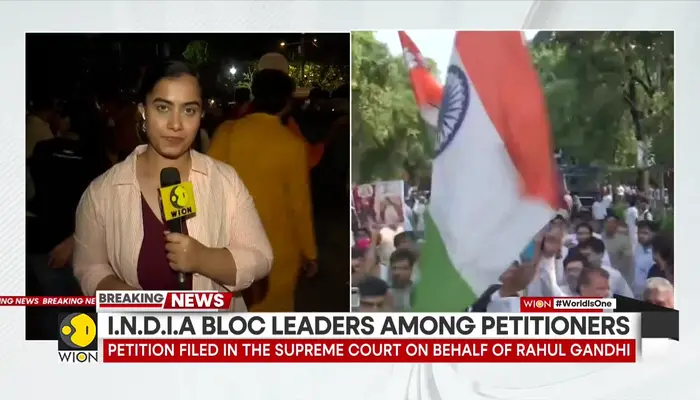
Anti-SIR protest in Mumbai: Protestors wear black masks & ribbons in Mumbai
&imwidth=180&imheight=135&format=webp&quality=medium)
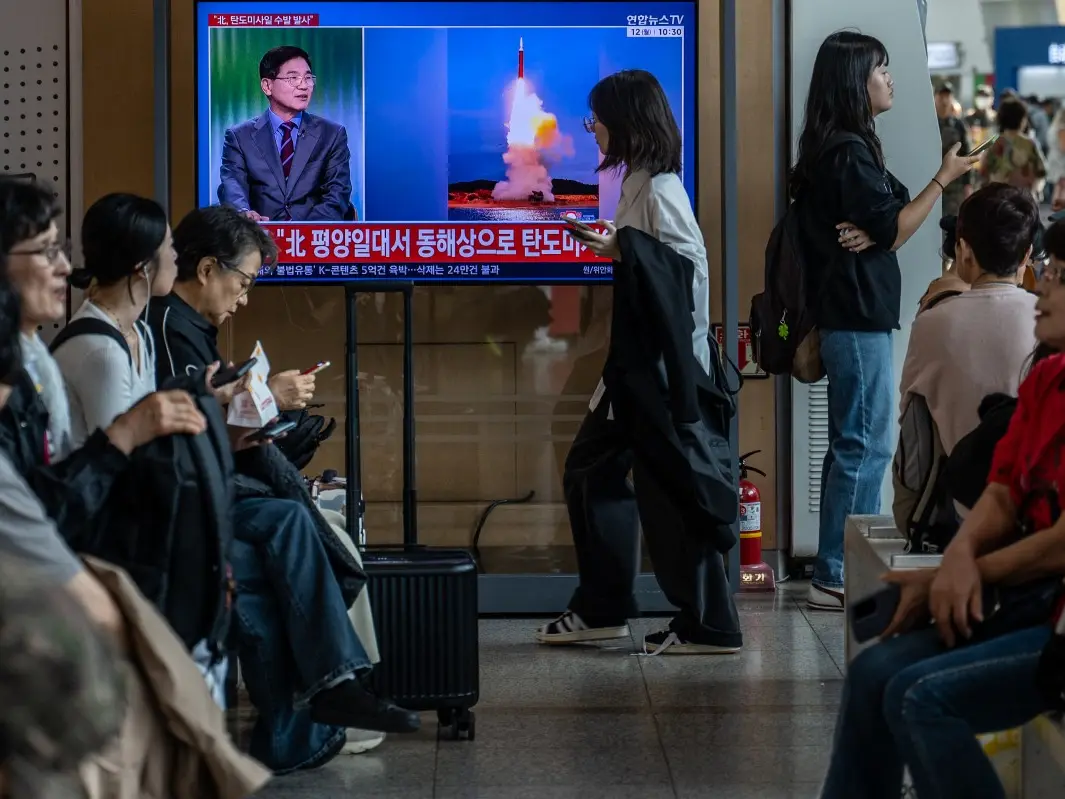
Korean peninsula tensions escalate as North Korea launches multiple ballistic missiles, PACOM says 'no threat to US personnel'
&imwidth=180&imheight=135&format=webp&quality=medium)
Congress demands action against chief election commissioner
&imwidth=180&imheight=135&format=webp&quality=medium)
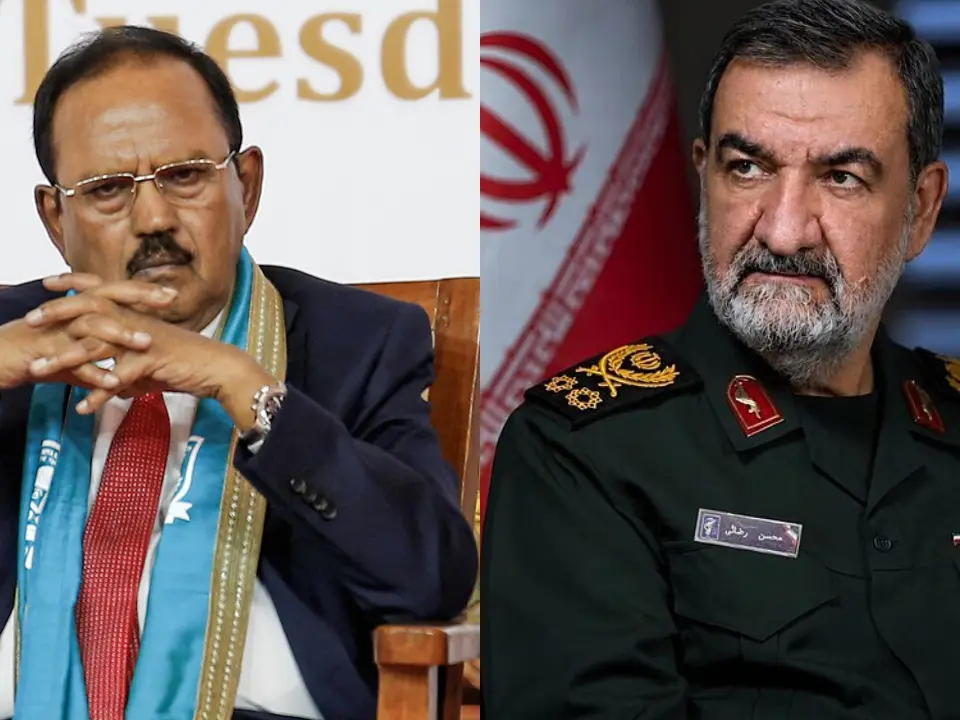
India's Ajit Doval, Iran's Mohsen Rezaei hold talks amid escalating West Asia tensions, discuss 'issues of mutual interest'
&imwidth=180&imheight=135&format=webp&quality=medium)
1,500 drones illuminate Mumbai sky as Cordelia Cruises unveils second ship, Cordelia Sky
&imwidth=180&imheight=135&format=webp&quality=medium)
Rahul Gandhi's plea against Election Commission delayed as Supreme Court registry flags 14 ‘defects’
&im=FitAndFill=(700,400)&imwidth=180&imheight=135&format=webp&quality=medium)
The world’s best places to live in 2026: Is your city on the list? Top 7 ranked
&imwidth=180&imheight=135&format=webp&quality=medium)
Robotic surgery, advanced treatment: What is coming to this small Gujarat town?
&imwidth=180&imheight=135&format=webp&quality=medium)
Delhi protest: CJI Surya Kant declines to meet India Bloc leaders
&imwidth=180&imheight=135&format=webp&quality=medium)
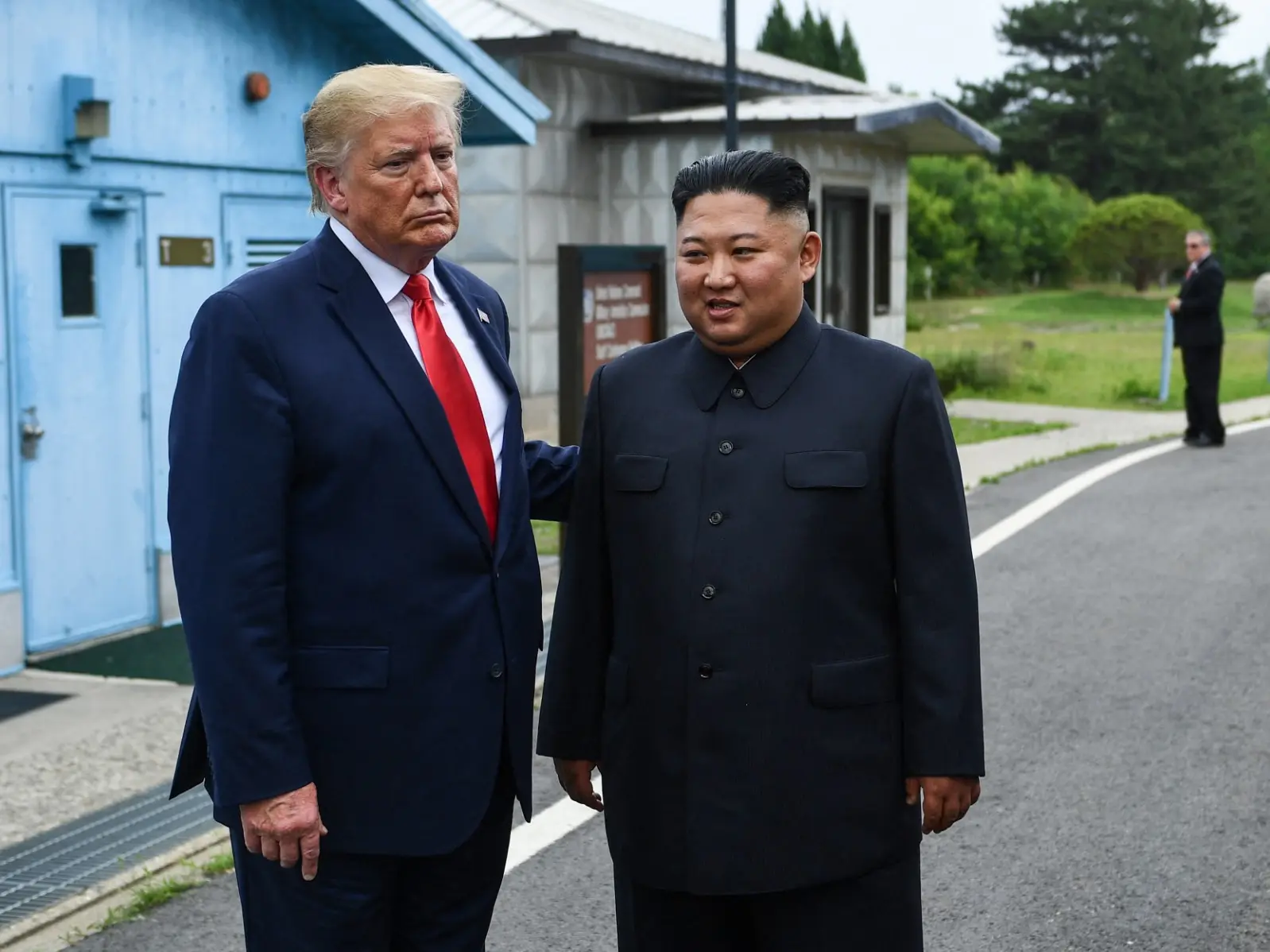
Trump says he 'may' meet North Korean leader Kim Jong Un during upcoming Asia trip
&imwidth=180&imheight=135&format=webp&quality=medium)
'Ouch!!! That must hurt': Kangana Ranaut hails Kamal Haasan's sharp reply to Elon Musk over Starlink row
&imwidth=180&imheight=135&format=webp&quality=medium)
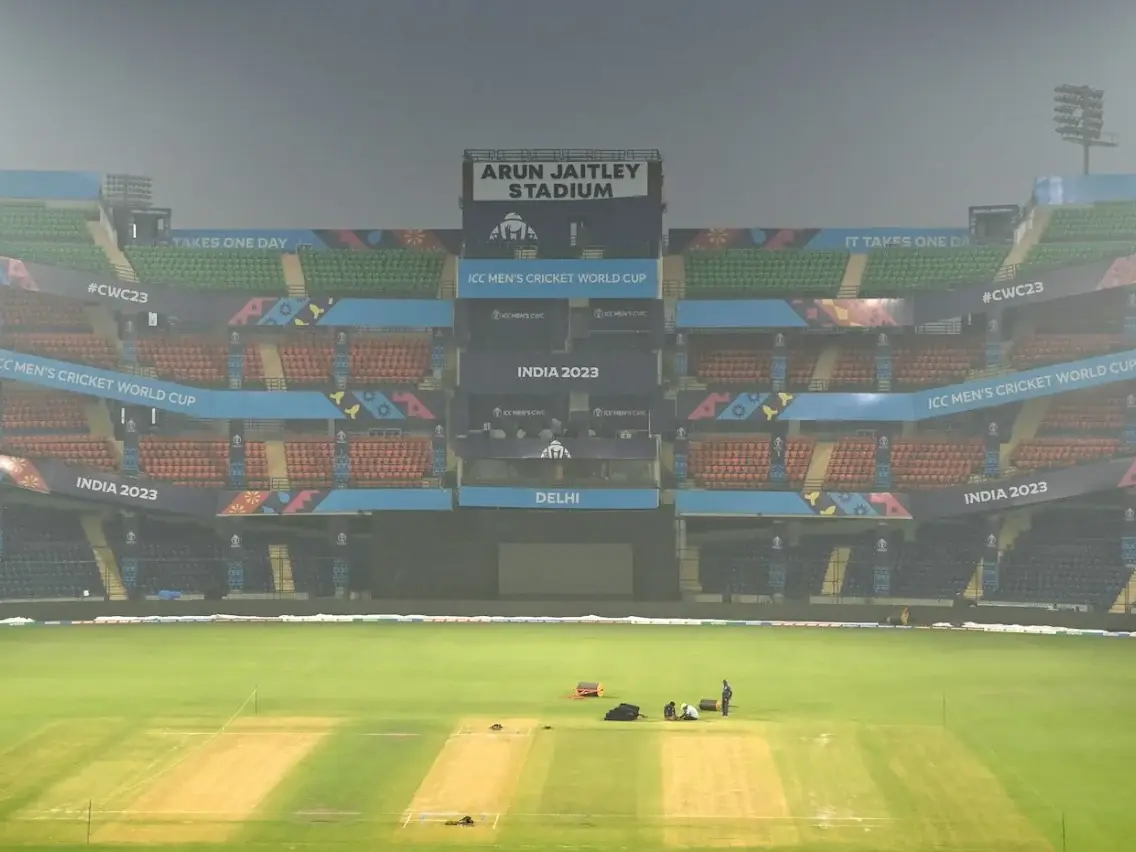
BCCI rejects venue shift reports, India vs Sri Lanka 1st ODI to remain in Delhi
&imwidth=180&imheight=135&format=webp&quality=medium)
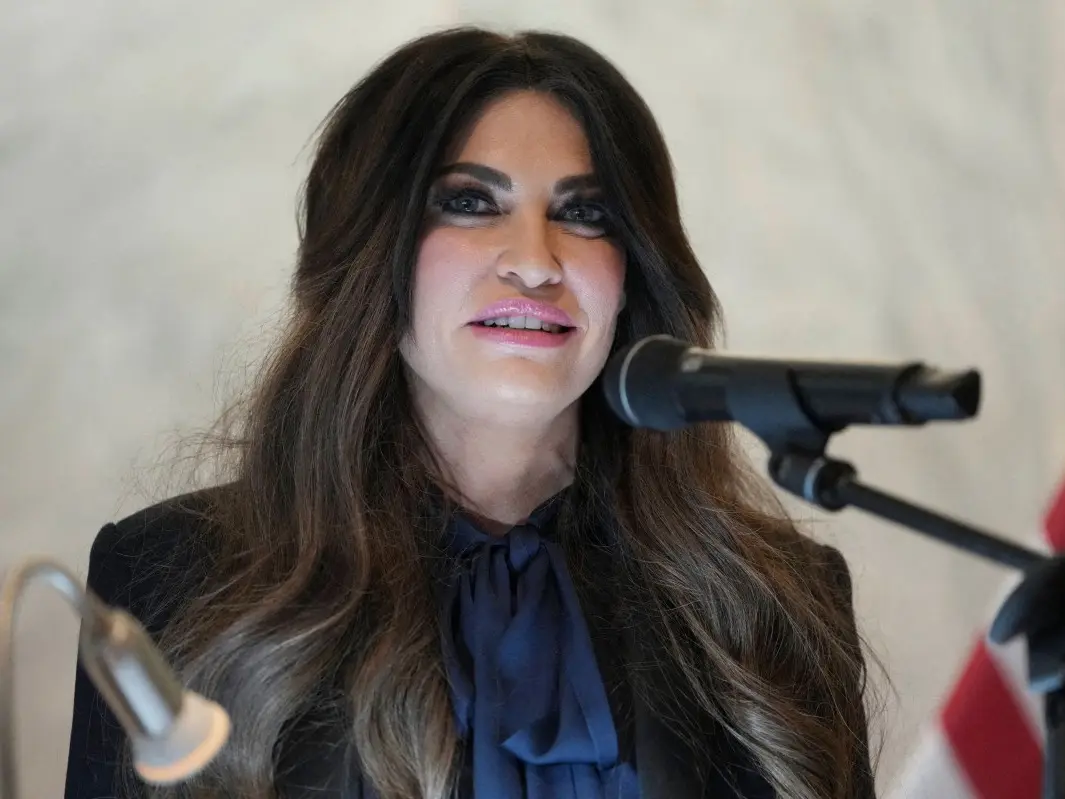
Trump weighs firing Kimberly Guilfoyle as US ambassador to Greece amid misconduct allegations: Report
&im=FitAndFill=(700,400)&imwidth=180&imheight=135&format=webp&quality=medium)
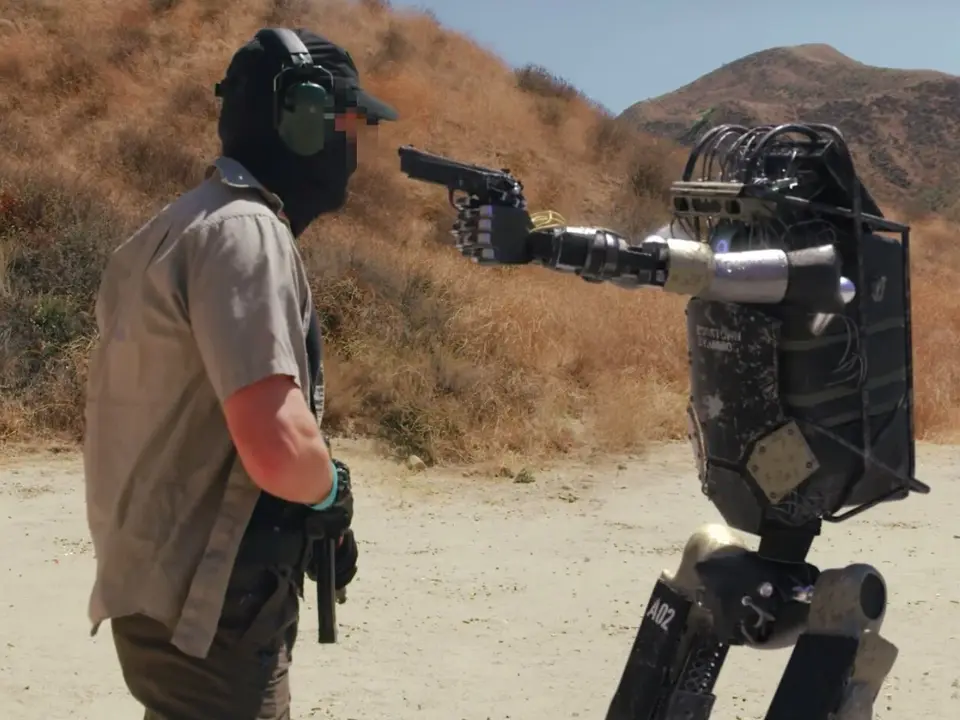
How does a robot decide what to do next?
&imwidth=180&imheight=135&format=webp&quality=medium)
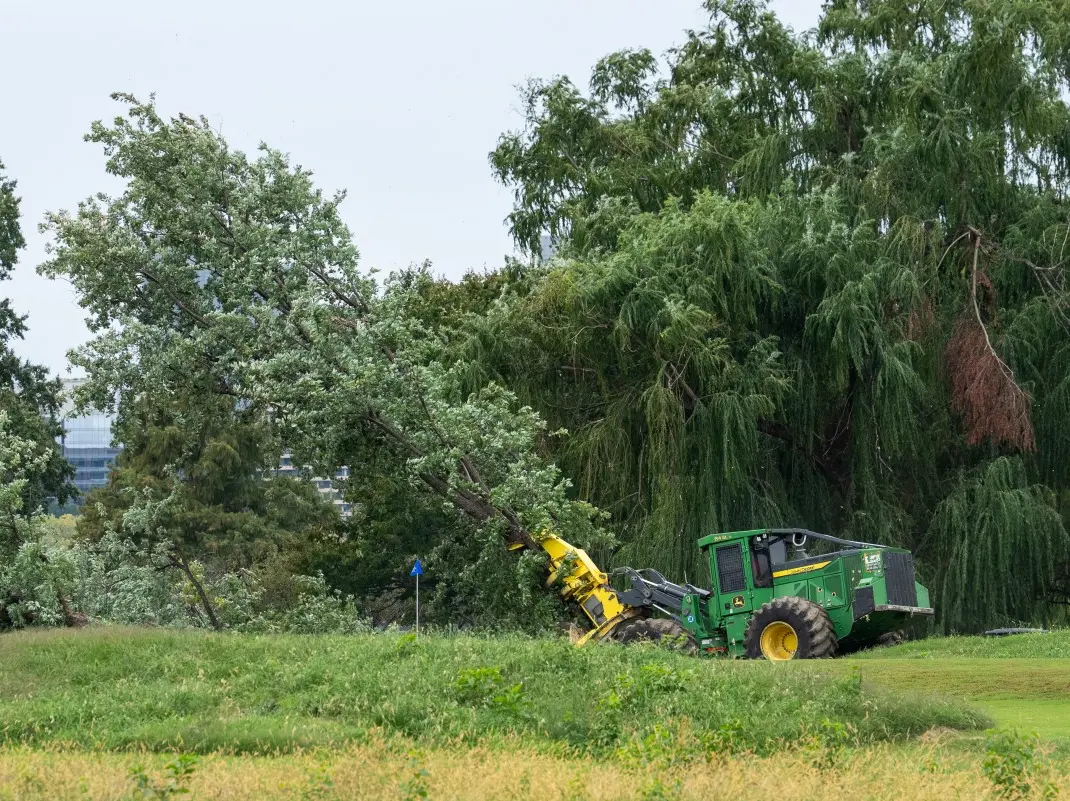
'I am thoroughly unamused': Judge slams Trump administration after 400 trees cut at Washington golf course
&imwidth=180&imheight=135&format=webp&quality=medium)
'Absolutely disgusting': Australia slams US plan to livestream Nidal Hasan's execution; Mike Johnson raises concerns, warns of terrorist propaganda
&imwidth=180&imheight=135&format=webp&quality=medium)
I.N.D.I.A. Bloc lists 10 requests to Supreme Court
&imwidth=180&imheight=135&format=webp&quality=medium)
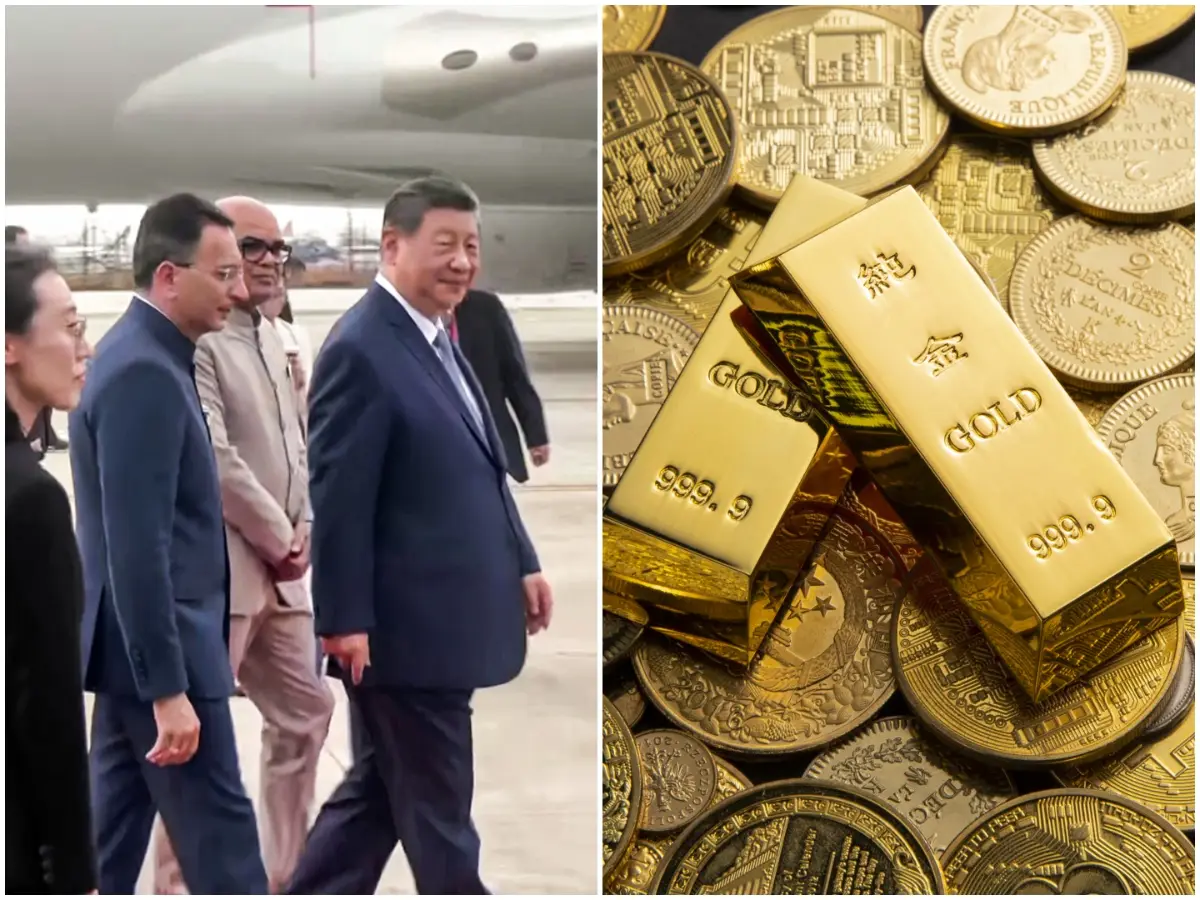
New Cold War: Why is China buying more gold? Explained
&imwidth=180&imheight=135&format=webp&quality=medium)
Opposition’s 10 demands in Supreme Court petition range from stay on SIR to audit of voter rolls
&imwidth=180&imheight=135&format=webp&quality=medium)
'I will not be silenced': Ilhan Omar alleges political intimidation after federal officers search her Washington home
&imwidth=180&imheight=135&format=webp&quality=medium)
‘This is just the start’: Maaya Rajeshwaran on historic ITF title, confidence boost and future goals
&imwidth=180&imheight=135&format=webp&quality=medium)
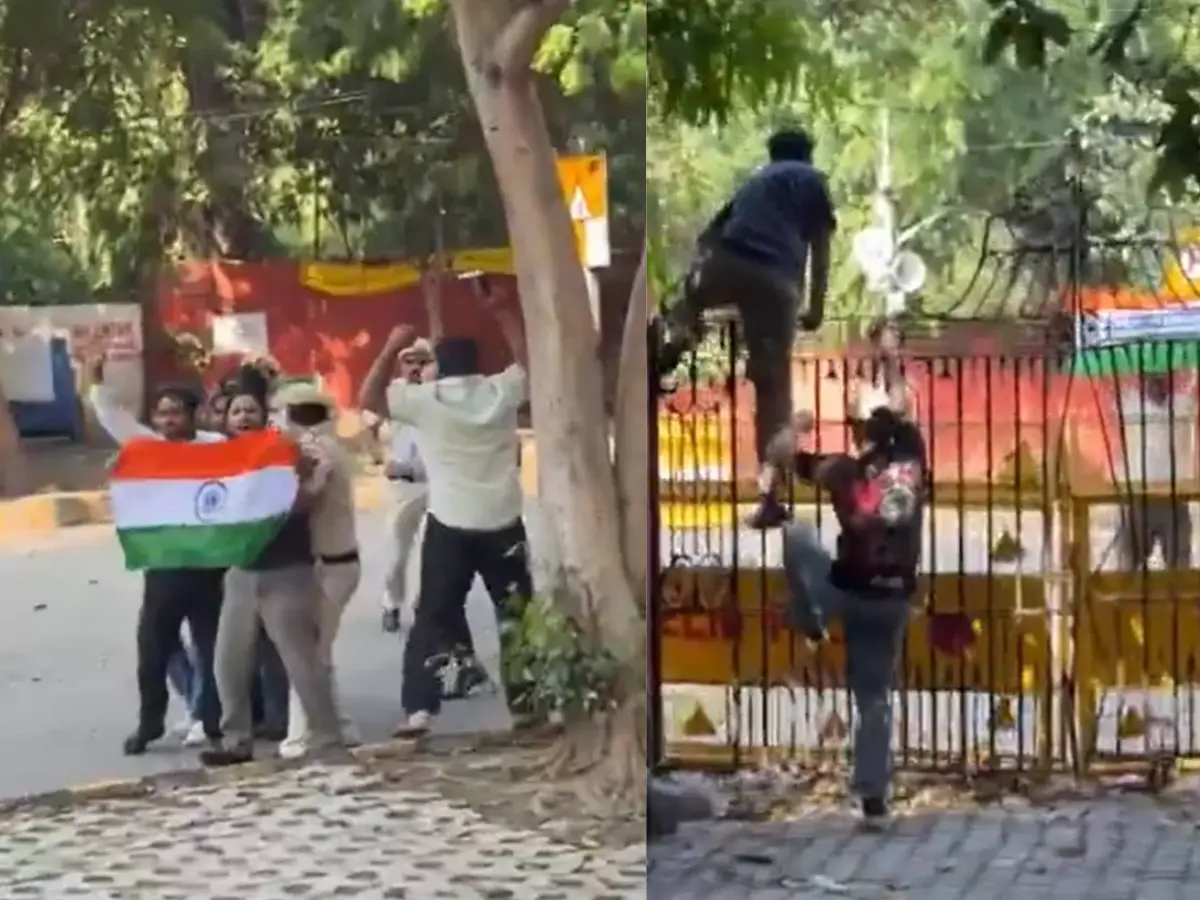
‘Fortress breached, reclaimed’: CJP leaders enter Jantar Mantar a day after loss of protest venue status | WATCH
&imwidth=180&imheight=135&format=webp&quality=medium)
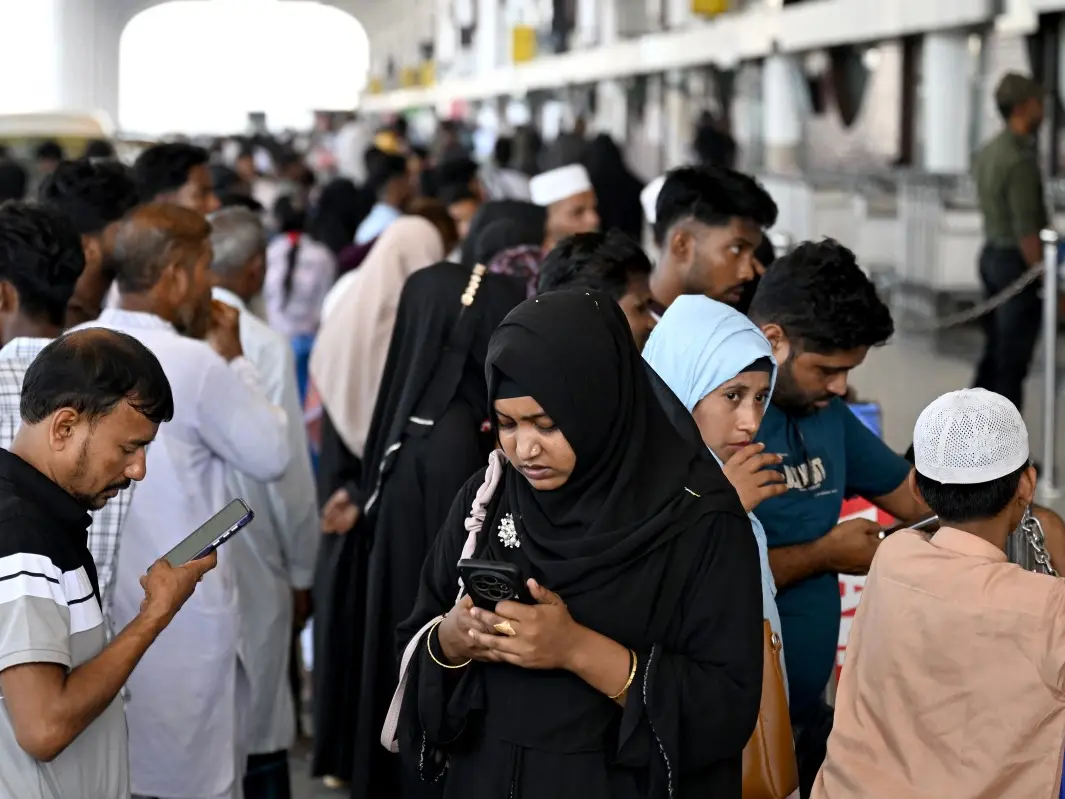
Houthis warns US of 'painful response' if Washington joins Saudi war in Yemen as airlines suspend flights to Saudi Arabia
&imwidth=180&imheight=135&format=webp&quality=medium)
'Turn approver, resign, we'll forgive you': Rahul Gandhi claims receiving messages from CEC Gyanesh Kumar
&imwidth=180&imheight=135&format=webp&quality=medium)
Pakistan's government blames PTI for rise of terrorism in Khyber Pakhtunkhwa
&imwidth=180&imheight=135&format=webp&quality=medium)
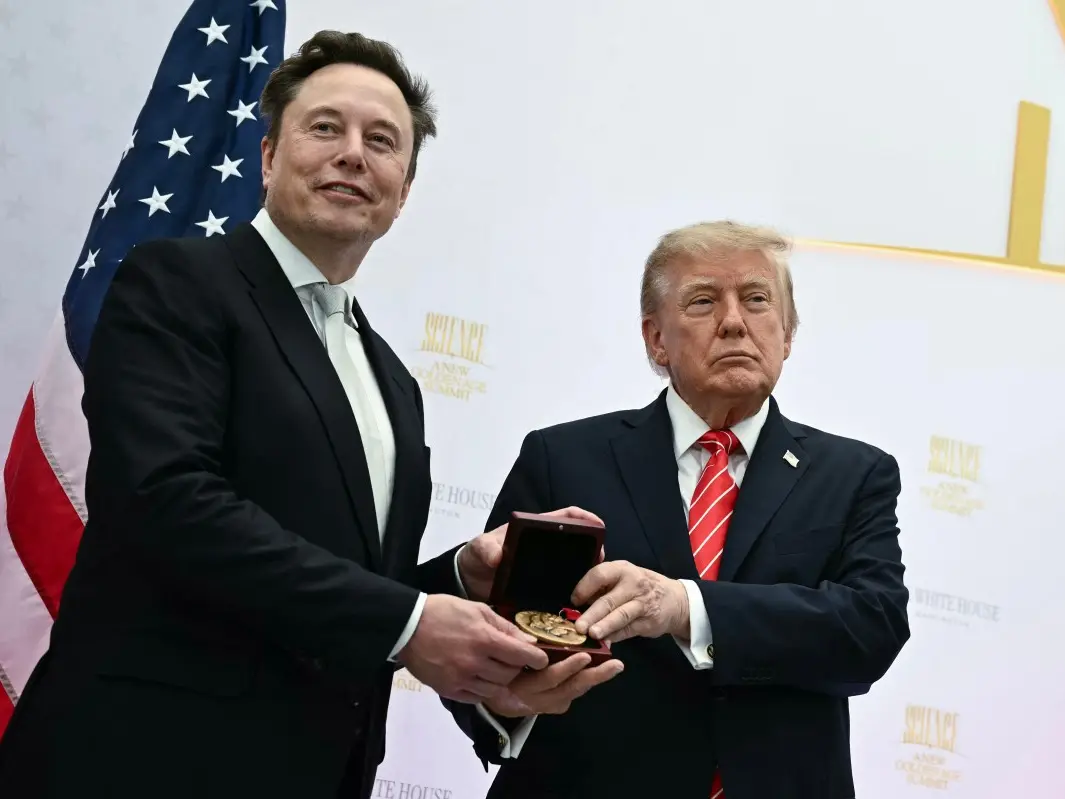
Elon Musk pumps $276 million into Republican campaigns ahead of US midterm elections
&imwidth=180&imheight=135&format=webp&quality=medium)
UK school ditches technology, shifts from screen to pen and paper for learning
&imwidth=180&imheight=135&format=webp&quality=medium)
Girl 'dead' for 8 hours wakes up at her own funeral, dad insists she wasn't breathing
&imwidth=180&imheight=135&format=webp&quality=medium)
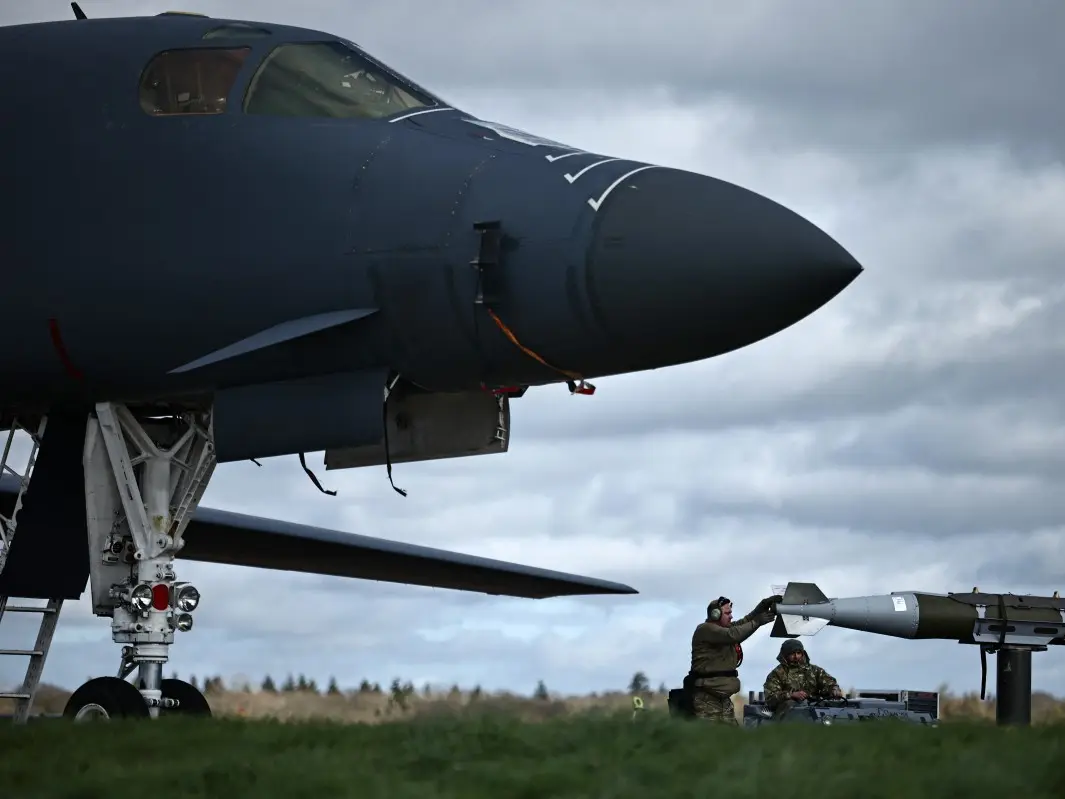
'Almost certainly': UK Prime Minister Andy Burnham says Iran's IRGC behind RAF Fairford threat
&imwidth=180&imheight=135&format=webp&quality=medium)
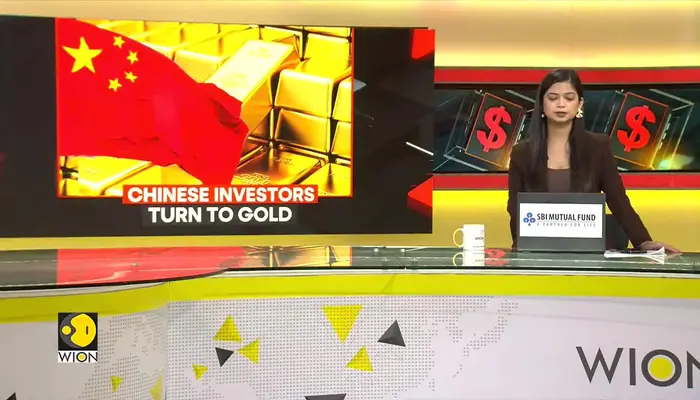
China’s gold rush puts billion in focus
&im=FitAndFill=(700,400)&imwidth=180&imheight=135&format=webp&quality=medium)
New OTT releases this week (October 12-18, 2026): Sacrifice, Koffee with Karan S9, Roadies Rebirth- 6 titles coming on Netflix, JioHotstar and more
&imwidth=180&imheight=135&format=webp&quality=medium)
UK PM Andy Birnham renews claims of Russian meddling in Brexit vote
The Conservatives are campaigning on a pledge to "get Brexit done", promising to end years of political disagreements and several delays by leaving the EU on January 31.
Corbyn has promised to renegotiate Johnson's exit deal and hold another referendum, appealing to around half of voters who still oppose the shock result of thefirst2016votefor Brexit.
But theLabourleaderhas yet to say how he would campaign in thatvote, and Johnson warned in his letter that he offered only more "dither and delay".
Corbyn meanwhile has sought to shift attention to the impact of a decade of Conservative spending cuts, promising a swathe of nationalisations and huge investment in public services.
Labourhas attacked the wealthy elites, and sought to link them to Johnson's Tories.
The party claimed Tuesday that 48 of Britain's 151 billionaires have donated more than £50 million to the Tories since 2005,10 of them giving money since Johnson becameleader.
Finance spokesman John McDonnell said that having that much money was "obscene", adding: "We know whose side Boris Johnson is on,the billionaires, the bankers and big business."
Johnson warns thatLabourwould cripple the economy,although he also has his own big spending plans, with more money for hospitals, schools and police, as well as infrastructure including broadband.
The two leaders will answer questions submitted by viewers in front of a live audience, a format that had been challenged by smaller parties.
The Scottish National Party and the Liberal Democrats went to court to protest their exclusion from thedebate, but the High Court rejected their case on Monday.
Although the next prime minister is almost certainly going to be either Johnson or Corbyn, the role of smaller parties could be crucial.
The Conservatives failed to win a majority of MPs in 2017, forcing them to agree an alliance with Northern Ireland's Democratic Unionist Party (DUP).
Their arrangement collapsed over rows over Brexit, leaving Johnson without the support he needed to get his EU exit deal ratified by parliament.
This time, he has faced a challenge from Nigel Farage's hardline Brexit Party, although it has agreed not to field candidates in Tory-held seats.
Labourmeanwhile is languishing so far behind the Conservatives that polling expert John Curtice, from the University of Strathclyde in Glasgow, has suggested it has almost zero chance of winning a majority.
But he noted Corbyn could still take power at the head of a loose coalition involving the SNP and Lib Dems, both of whom strongly oppose Brexit.