Trump returns to White House early after F16 intercepts plane near Camp David amid Saudi-Houthi crisis

&imwidth=600&imheight=450&format=webp&quality=medium "Trump returns to White House early after F16 intercepts plane near Camp David amid Saudi-Houthi crisis")
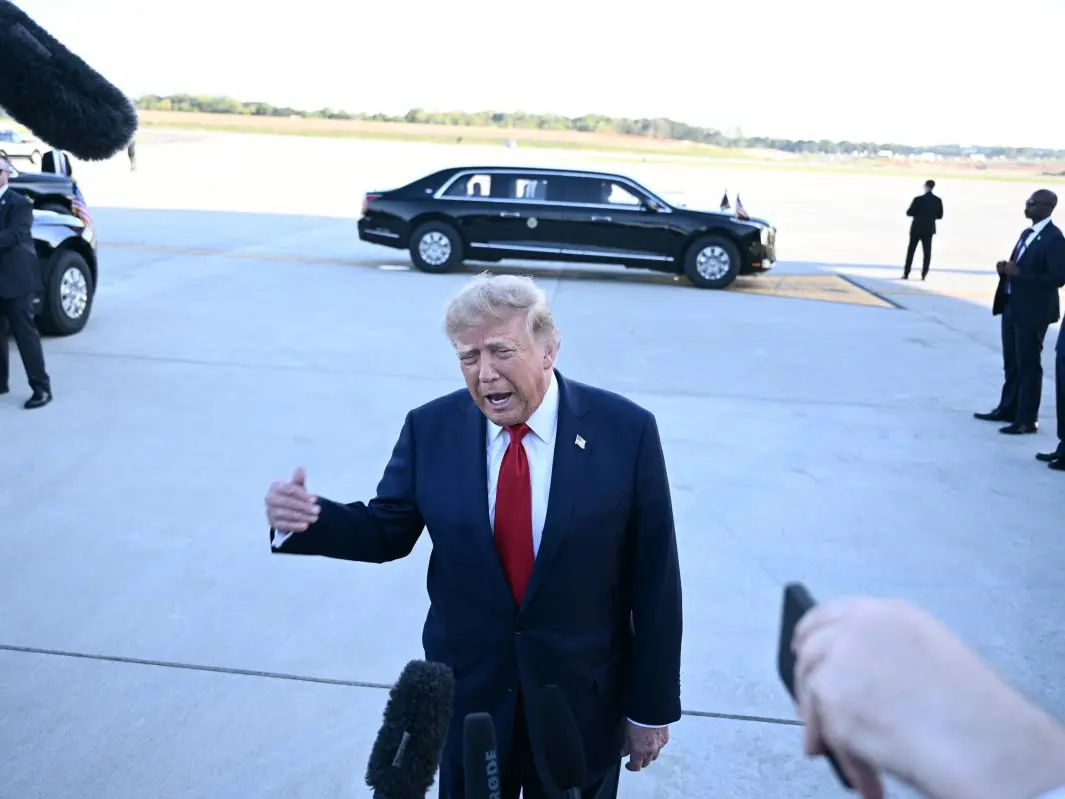
US President Donald Trump Photograph: (Credit: AFP)
Donald Trump abruptly returned to the White House from Camp David after an F-16 intercepted a civilian plane, coinciding with escalating US-Saudi deliberations over Houthi attacks.
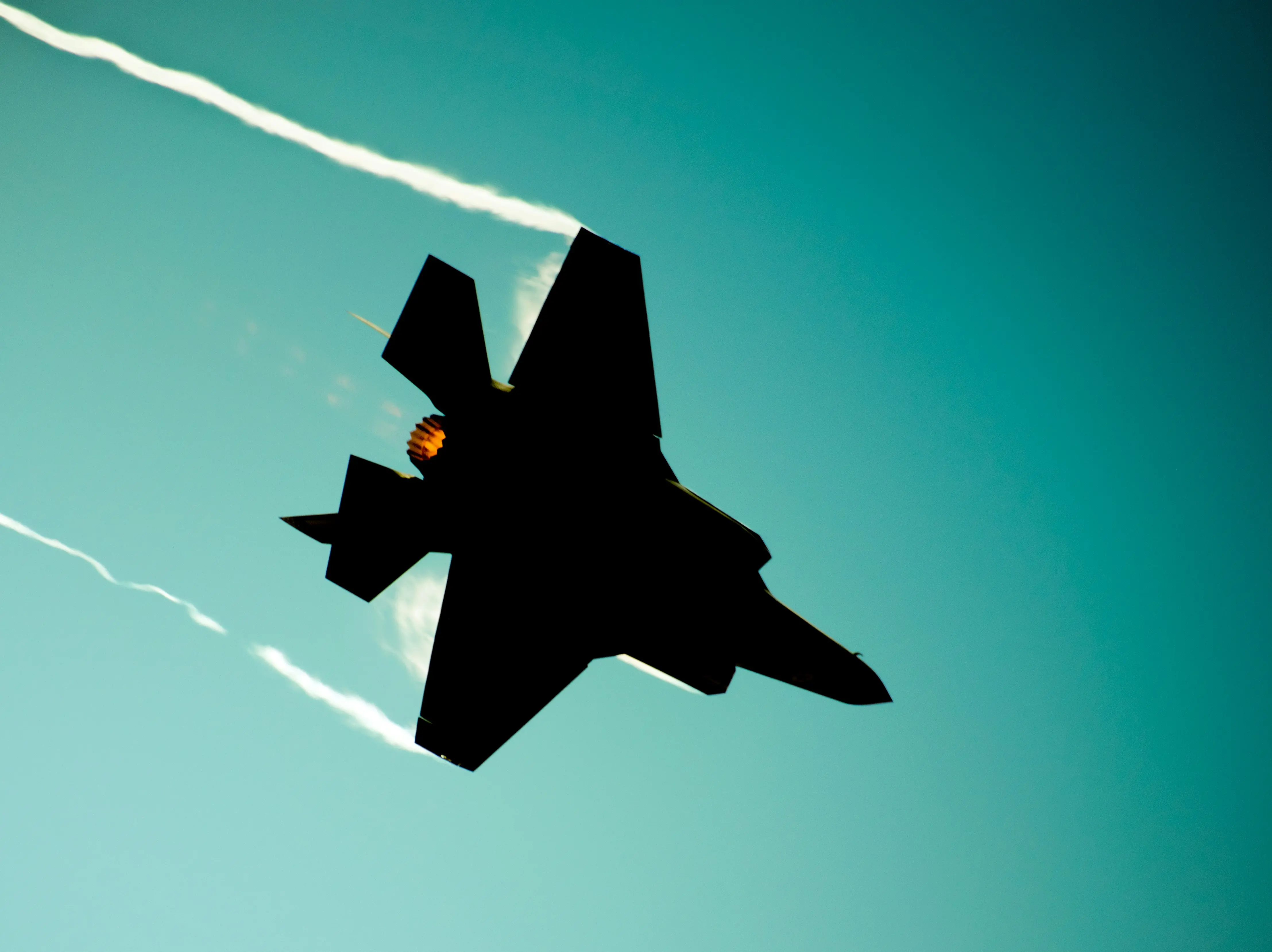
A NORAD F-16 intercepted a civilian aircraft that strayed into restricted airspace near Camp David on Saturday morning (Sep 19) while President Donald Trump was at the retreat. Trump returned to the White House that evening, a day ahead of schedule. The intercept took place over Thurmont, Maryland, at about 7:50 am, the First Air Force said. The jet fired flares to draw the pilot's attention and escorted the aircraft out of the restricted zone. No injuries or damage were reported. Officials said there was no indication the aircraft threatened Trump or the retreat.
Trump had left for Camp David on Friday evening. A plane was also intercepted there in June while he was staying. The Jerusalem Post reported that there was no connection between the incident and his early return.
Trump landed at the Ellipse just before 8 pm, according to a White House pool report. He had been due to leave on Sunday, and the White House did not immediately explain the change.
The return followed a State Department security alert advising Americans in the West Asia to exercise heightened vigilance. The department warned that the conflict could escalate rapidly and urged Americans outside the region to reconsider travel there.
Trending Stories
)
)
)
)
)
)
)
)
)
)
)
)
)
)
)
)
)
)
)
)
)
)
)
)
)
)
)
&im=FitAndFill=(700,400))
)
)
)
)
)
)
)
)
&im=FitAndFill=(700,400))
)
)
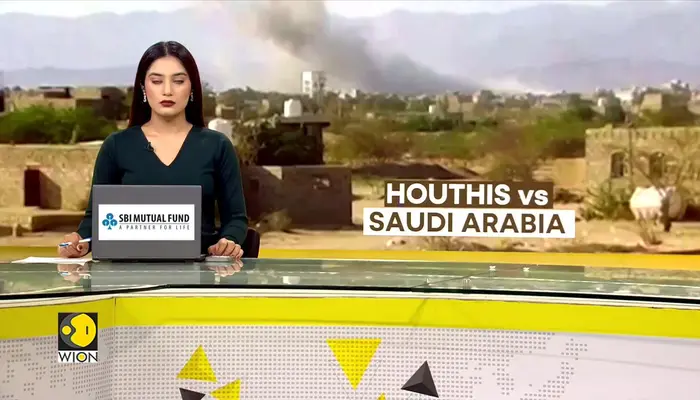
Saudi Arabia confirmed on Saturday (Sep 19) that the Houthis tried to hit Riyadh with a ballistic missile. The Saudi-led coalition said it was intercepted, though residents reported hearing a blast and seeing smoke near the airport. It was the Houthis' first targeting of the capital since fighting renewed during the Iran war.
The White House’s plan remains unconfirmed; security analysts say Camp David meeting was meant to review Yemen strike options. Until now, Trump has declined to join strikes on the Houthis. CNN reported earlier that his stated red line is direct US participation in strikes and that US support to Saudi Arabia has been limited to intelligence and targeting data. Crown Prince Mohammed bin Salman asked for US strikes twice last week and was rebuffed, sources told CNN, which noted it was unclear whether policy would shift.

