'Ceasefire' is 'moderate shooting'- Trump says he won't resume full scale war if Tehran does not kill US troops

&imwidth=600&imheight=450&format=webp&quality=medium "'Ceasefire' is 'moderate shooting'- Trump says he won't resume full scale war if Tehran does not kill US troops")
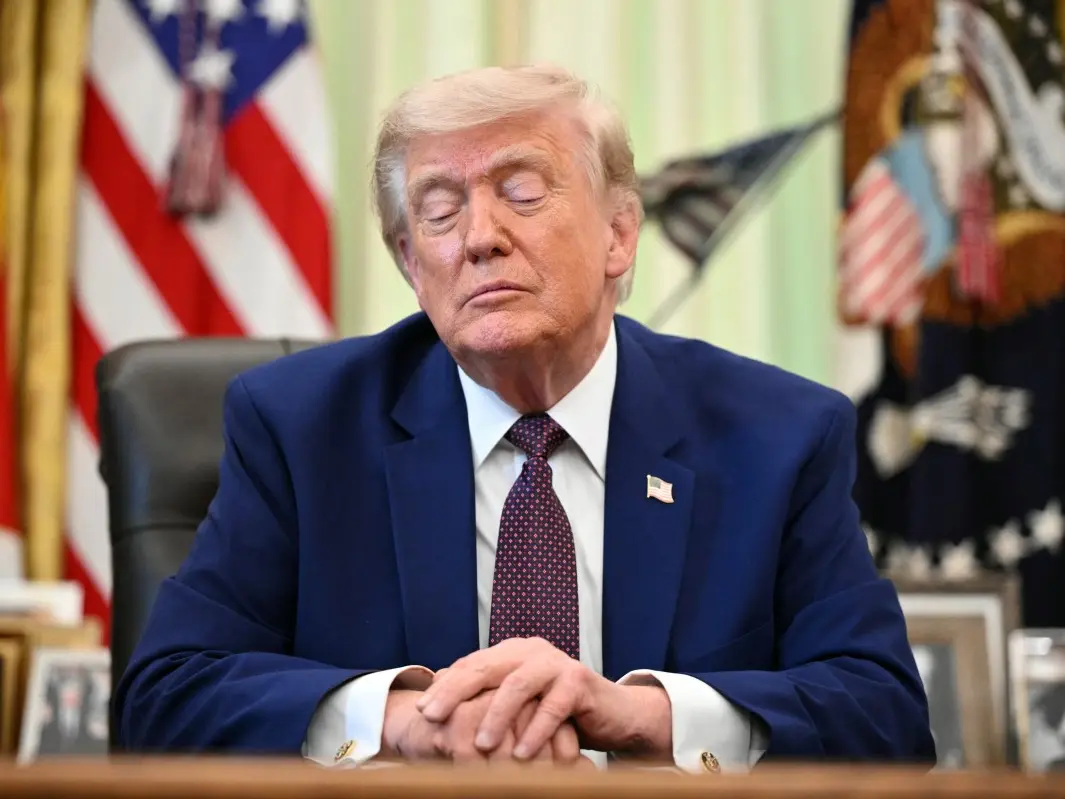
US President Donald Trump speaks to the press in the Oval Office of the White House in Washington, DC, on June 3, 2026 Photograph: (AFP)
Donald Trump reportedly told aides he does not want to resume a full-scale war with Iran unless US troops are killed. The ongoing exchanges are increasing pressure on stalled US-Iran negotiations.
US President Donald Trump privately told aides that he does not intend to resume a full-scale war with Iran unless Tehran kill US troops. This comes following the recent skirmishes between the US and Iran, which led to friction and conflicting messaging in the US-Iran talks. Trump further added that he is prepared to absorb weeks or months of smaller strikes in order to avoid returning to a full-scale war, reported the Wall Street Journal. The US House of Representatives has passed a symbolic measure directing US President Trump to end the conflict.
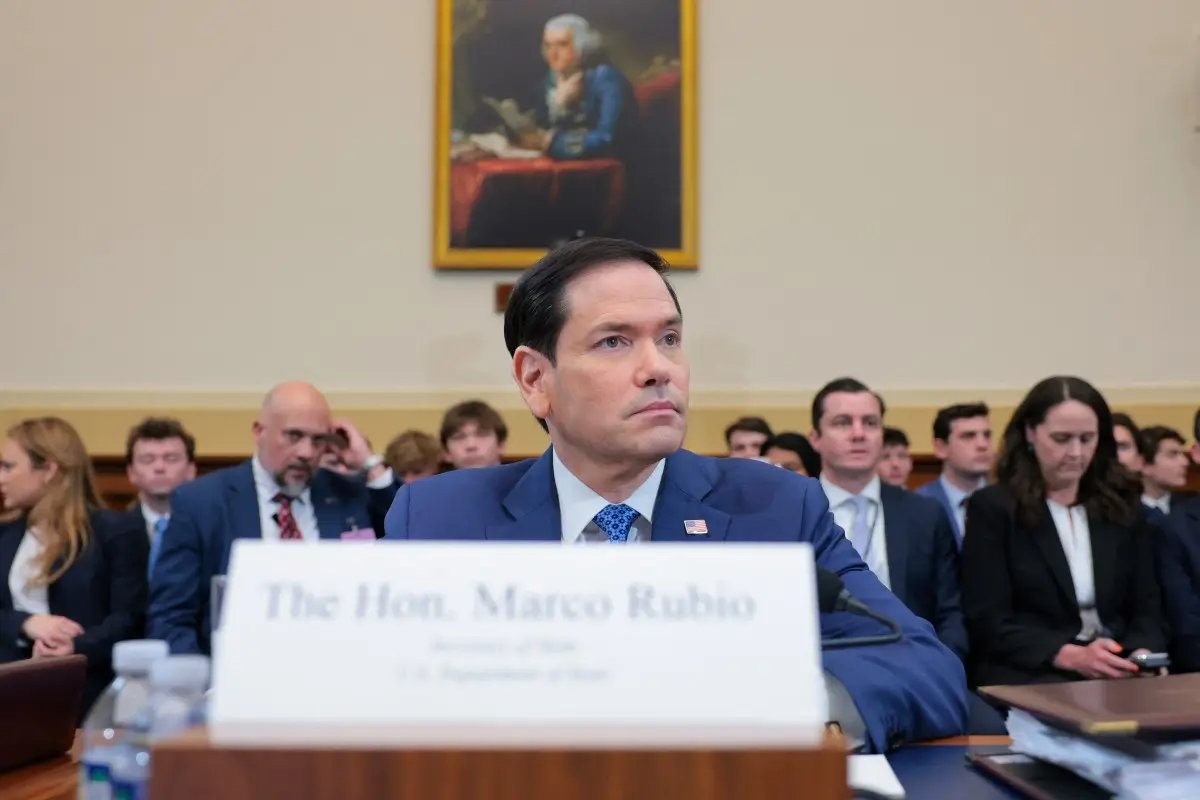
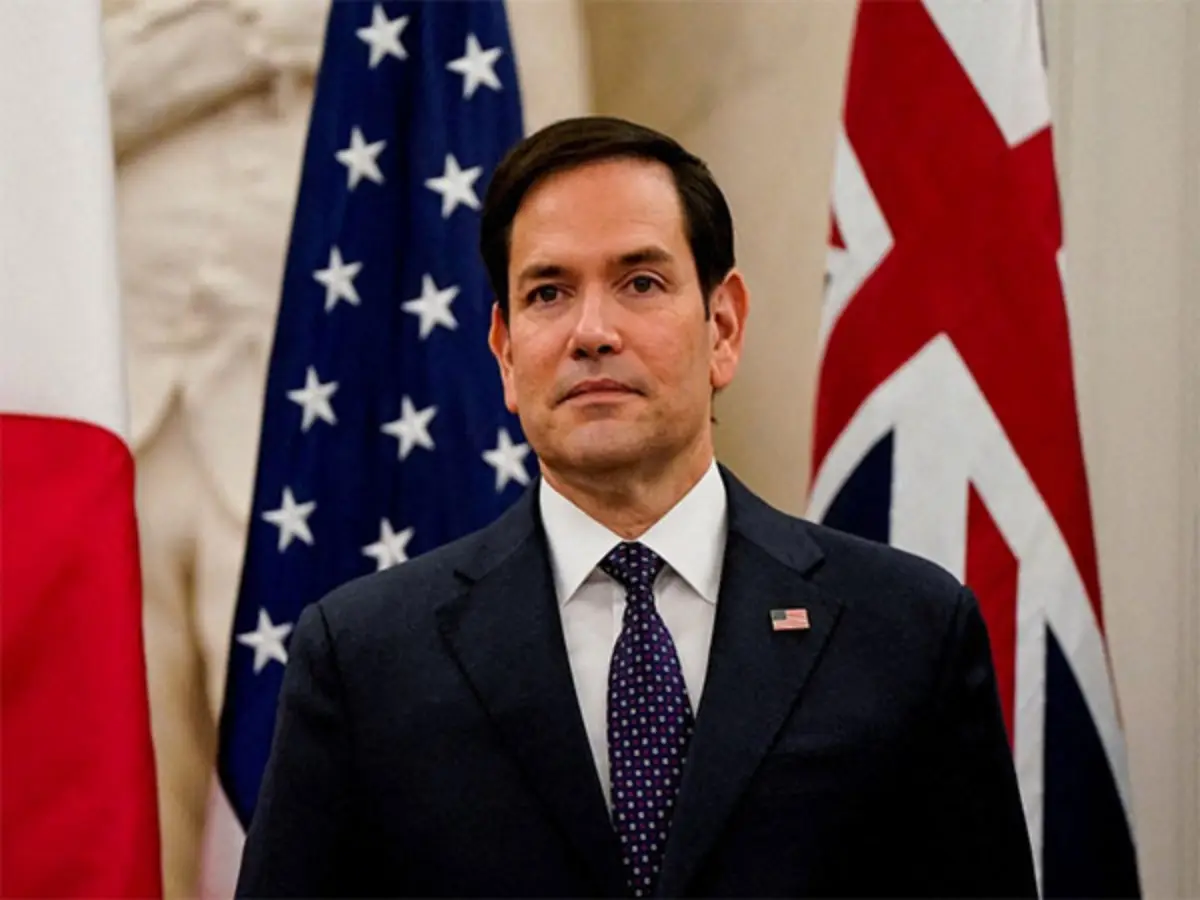
"In that part of the world, ceasefire is when you're shooting in a more moderate manner," said Trump, altering the definition of ceasefire. Asked about the tit-for-tat exchange, he said, "It takes two to tango. We hit them very hard on something else, and so they were responding." US Secretary of State Marco Rubio also described the strikes as reactive in nature.
"They are happening in response to an Iranian action. If they don't shoot at those ships, we don't shoot, but we have to respond," said Rubio. A US official told the Wall Street Journal that repeated exchanges were still increasing pressure on the US-Iran talks. According to the Journal, despite Trump repeatedly claiming a deal is close to reality, it seems far-fetched. As Trump rejected a proposal last Friday, telling aides that Iran needs to make concessions up front in order to receive any benefits. While Iran has also taken a different position, there can be no nuclear discussion without unfreezing of its assets or providing some financial benefit. Tehran also want an end to the Israel-Hezbollah war as a prerequisite to the deal.
Also Read: What is Fast-Track Indexing? How SpaceX's IPO could force billions into unprofitable AI giant
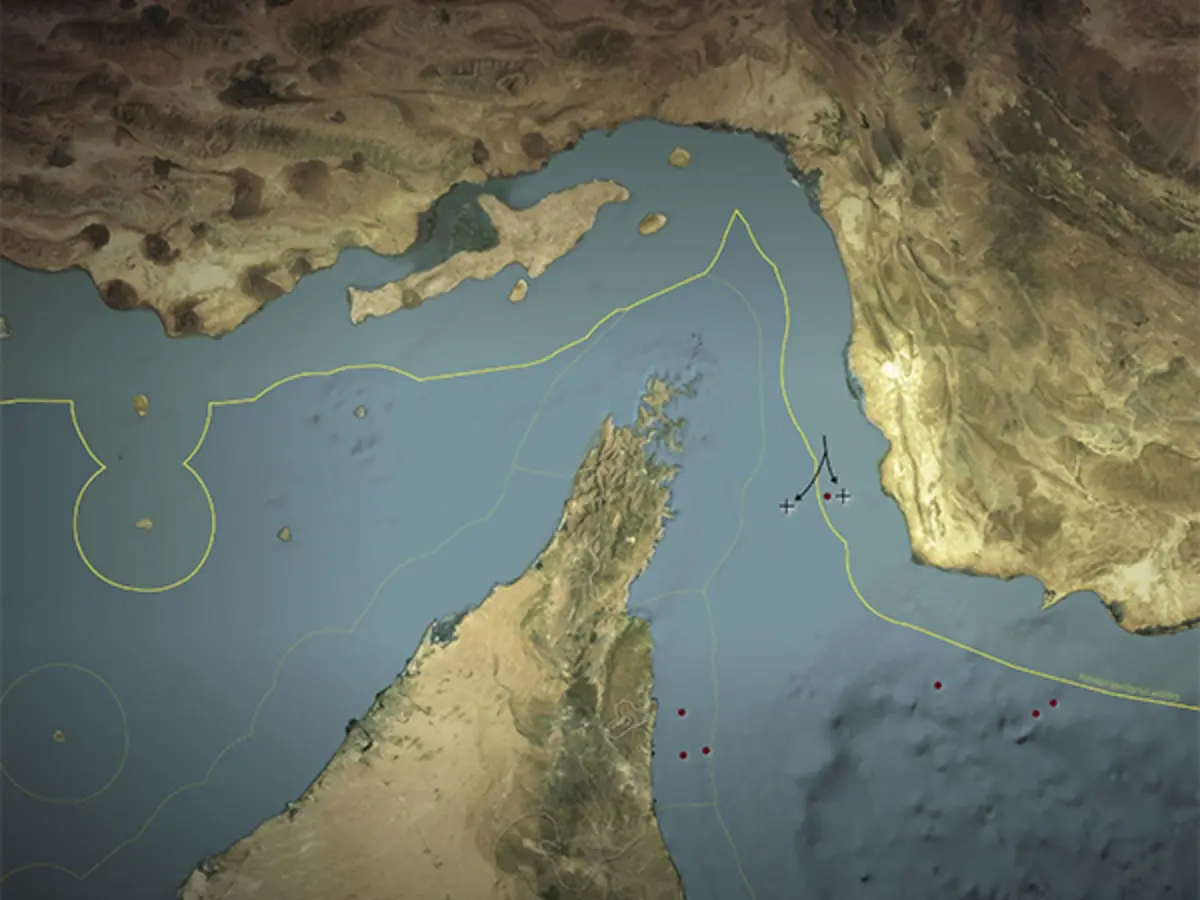
According to a senior US official, the minimal contour of any prospective deal- “the U.S. ends the war by reopening the Strait of Hormuz and lifting the blockade, Iran pledges to dispose of its highly enriched uranium without specifying when or how, and there is no Iranian commitment to suspend enrichment for a set period.” However, this will likely fall short of Trump's stated goal. According to analysts, Trump does seem stuck in a quicksand-like scenario. In a New York Post interview, he said he is in no hurry to make a deal, even as he claimed one is almost closed. He claimed that he does not care about the mid-term as the mid-term approaches, while his approval rating is lowest in his second term.
"The Iranians are demonstrating that they are willing to endure pain and thus haven't capitulated. That leaves the president in a bad situation," said Steven Cook, a senior fellow for the Middle East at the Council on Foreign Relations, to the Wall Street Journal. The Iran war seems to have worked like the quagmire of Vietnam; the US can't fall back, and at the same time, it's too costly to continue.
Trending Stories
&imwidth=280&imheight=210&format=webp&quality=medium)
&imwidth=280&imheight=210&format=webp&quality=medium)
&imwidth=280&imheight=210&format=webp&quality=medium)
&imwidth=280&imheight=210&format=webp&quality=medium)
&imwidth=280&imheight=210&format=webp&quality=medium)
&imwidth=280&imheight=210&format=webp&quality=medium)
&imwidth=280&imheight=210&format=webp&quality=medium)
&imwidth=280&imheight=210&format=webp&quality=medium)
&imwidth=280&imheight=210&format=webp&quality=medium)
&imwidth=280&imheight=210&format=webp&quality=medium)
&imwidth=280&imheight=210&format=webp&quality=medium)
&imwidth=280&imheight=210&format=webp&quality=medium)
&imwidth=280&imheight=210&format=webp&quality=medium)
&imwidth=280&imheight=210&format=webp&quality=medium)
&imwidth=280&imheight=210&format=webp&quality=medium)
&imwidth=280&imheight=210&format=webp&quality=medium)
&im=FitAndFill=(700,400)&imwidth=280&imheight=210&format=webp&quality=medium)
&imwidth=280&imheight=210&format=webp&quality=medium)
&imwidth=280&imheight=210&format=webp&quality=medium)
&imwidth=280&imheight=210&format=webp&quality=medium)
&imwidth=280&imheight=210&format=webp&quality=medium)
&imwidth=280&imheight=210&format=webp&quality=medium)
&imwidth=280&imheight=210&format=webp&quality=medium)
&imwidth=280&imheight=210&format=webp&quality=medium)
&imwidth=280&imheight=210&format=webp&quality=medium)
&imwidth=280&imheight=210&format=webp&quality=medium)
&imwidth=280&imheight=210&format=webp&quality=medium)
&imwidth=280&imheight=210&format=webp&quality=medium)

&imwidth=280&imheight=210&format=webp&quality=medium)
&imwidth=280&imheight=210&format=webp&quality=medium)
&imwidth=280&imheight=210&format=webp&quality=medium)
&im=FitAndFill=(700,400)&imwidth=280&imheight=210&format=webp&quality=medium)
&imwidth=280&imheight=210&format=webp&quality=medium)
&imwidth=280&imheight=210&format=webp&quality=medium)