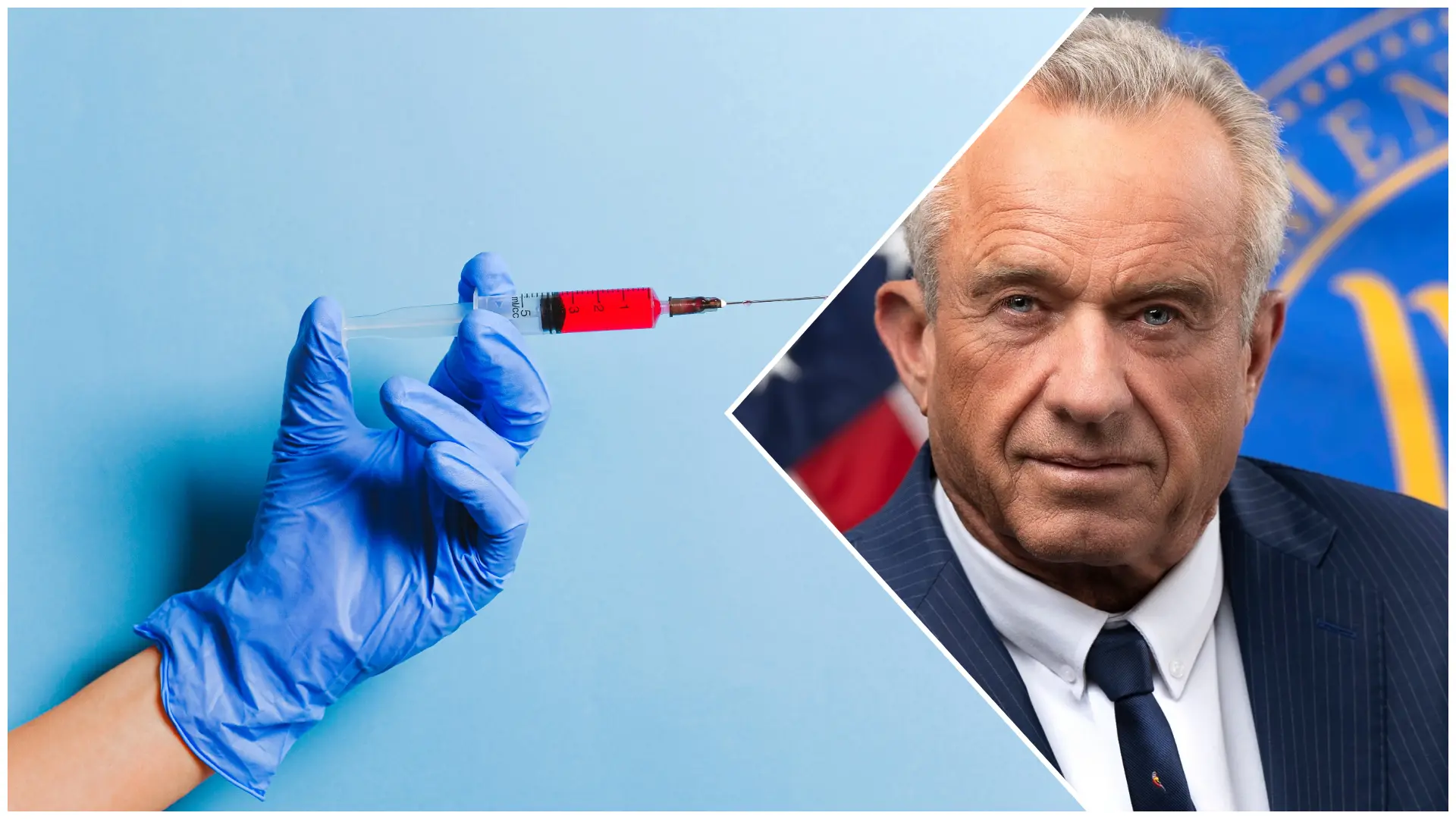
Trump govt putting American kids in danger? CDC panel suggests curbs to vaccine that prevents measles and chickenpox, amid 'Covid shot deaths' probe

&imwidth=600&imheight=450&format=webp&quality=medium "Trump govt putting American kids in danger? CDC panel suggests curbs to vaccine that prevents measles and chickenpox, amid 'Covid shot deaths' probe")
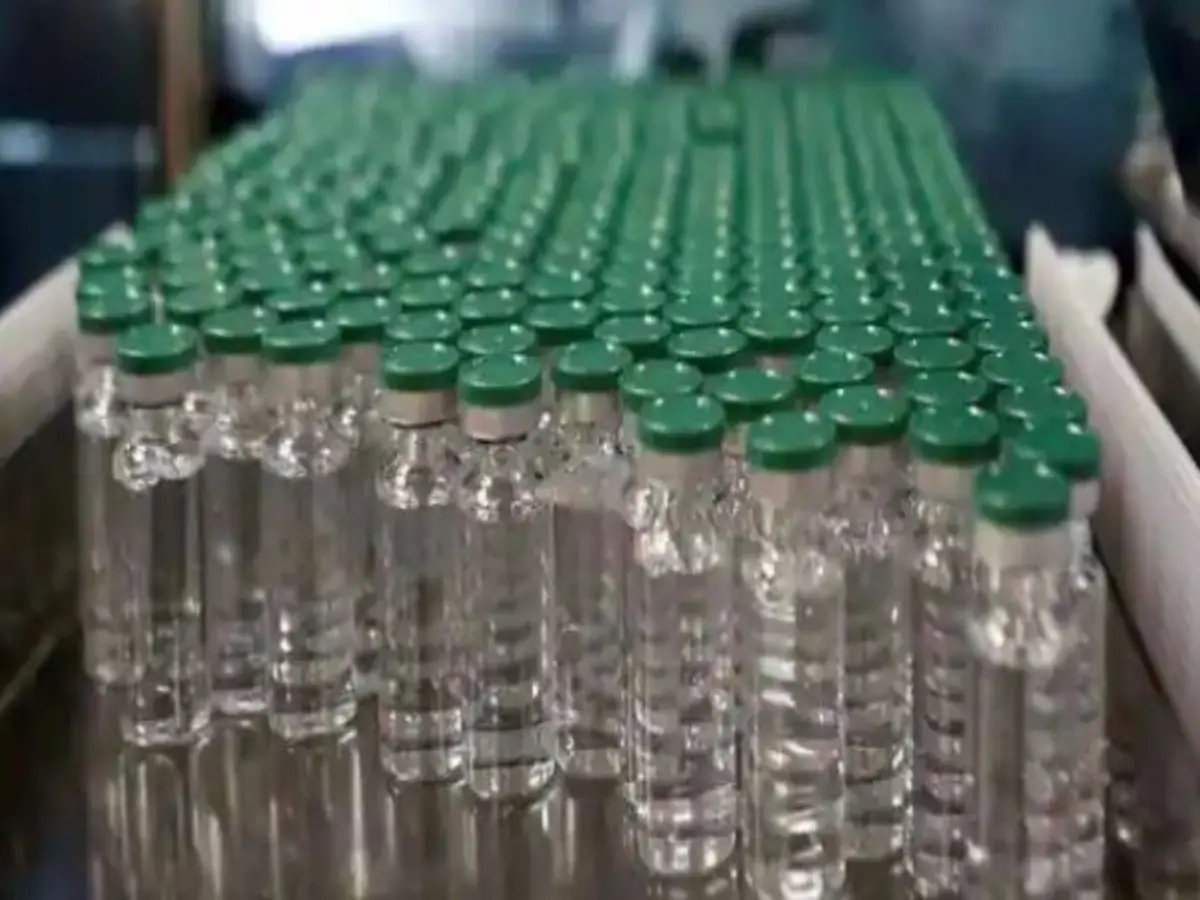
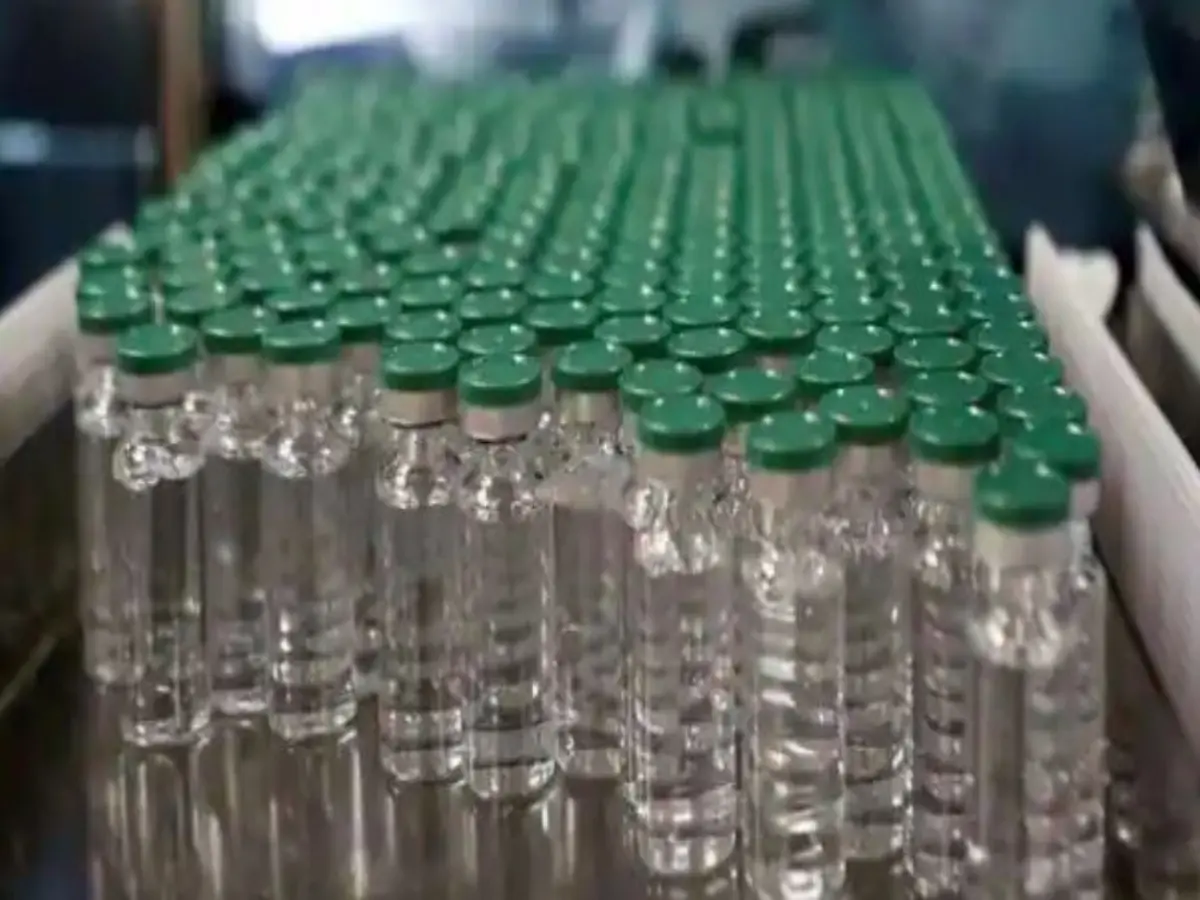
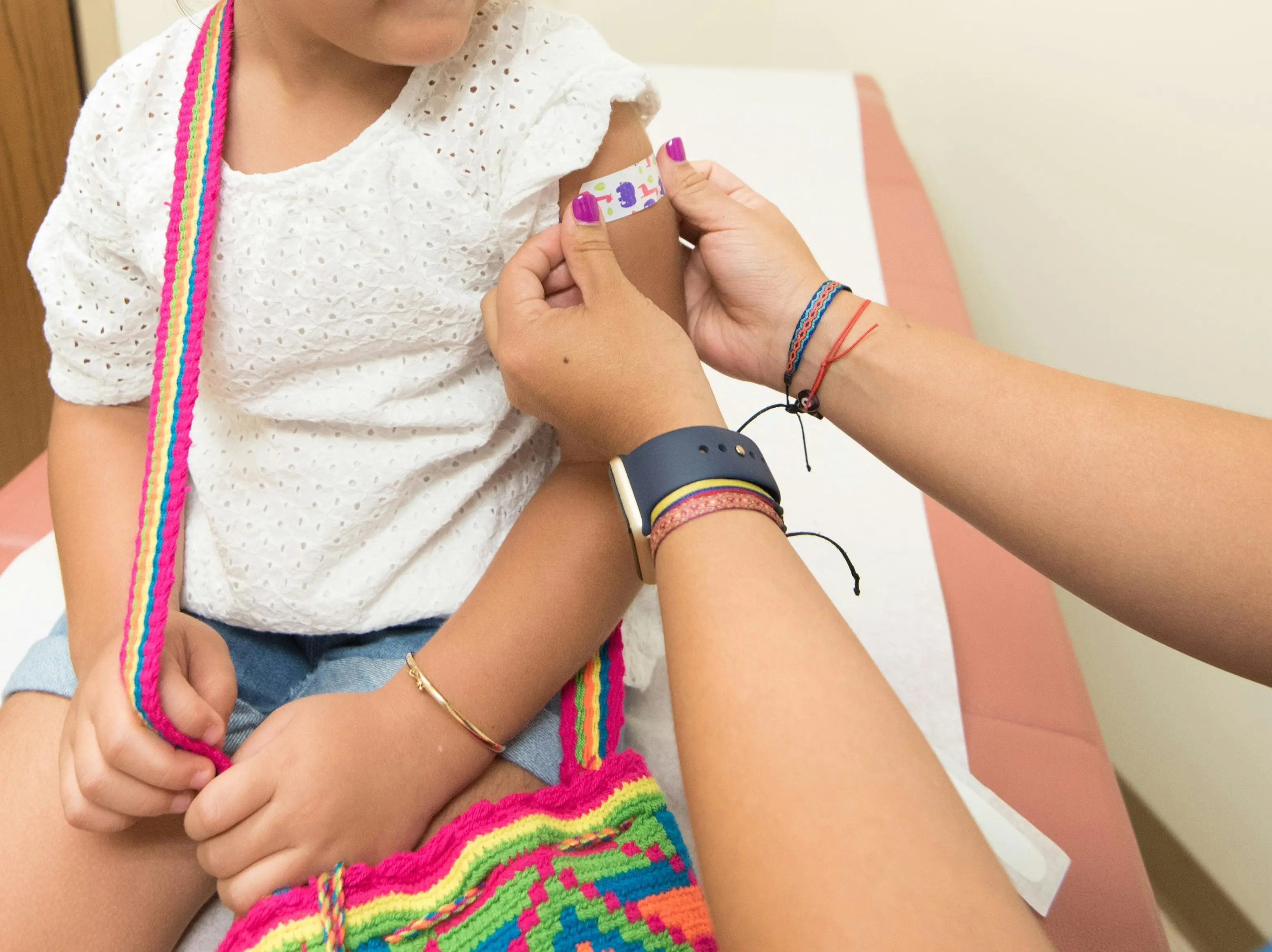
Image strictly for representational purposes only Photograph: (Others)
A CDC panel under Trump administration has advised against MMRV vaccine for kids aged under four. This is sparking fears of lower vaccine uptake and disease outbreaks. The move came amid reports that CDS is going to link Covid vaccines to children's deaths.
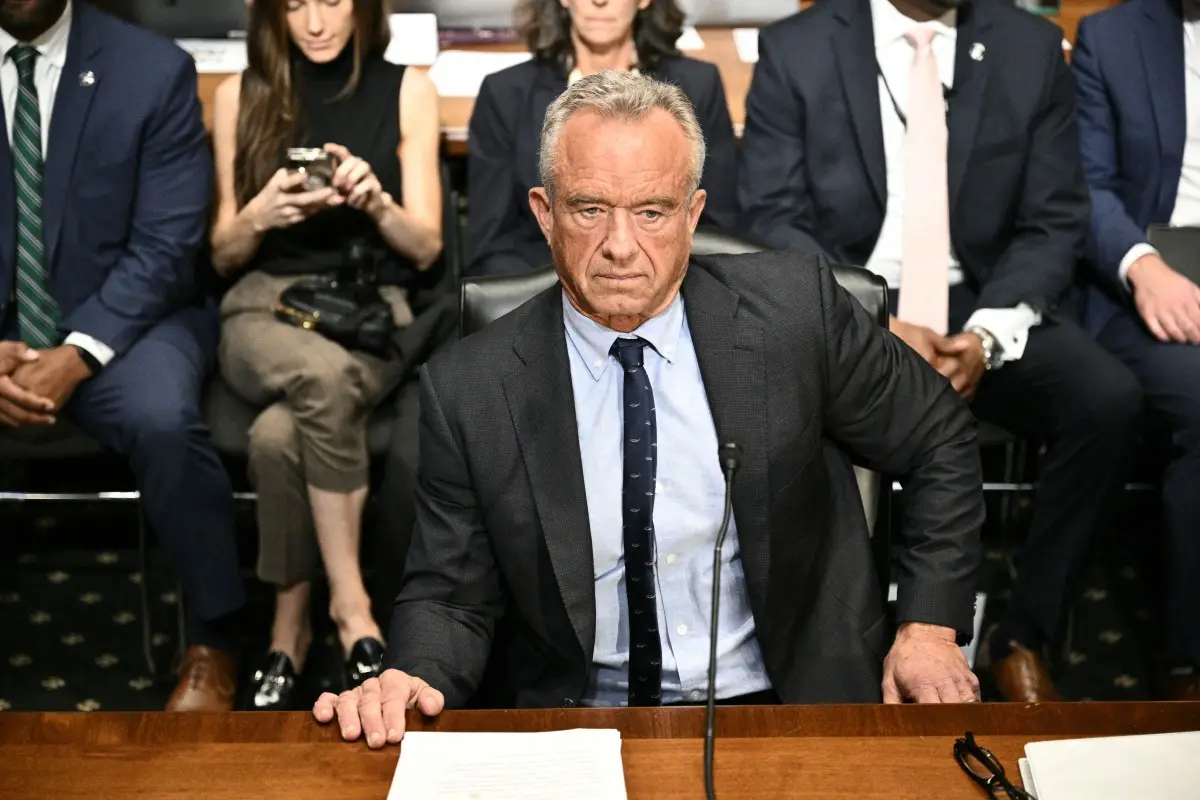
A key US vaccine advisory panel has recommended against giving a combined vaccine that protects against preventable diseases like measles and chickenpox to children aged four or under. This recommendation comes just days after reports emerged that the Trump administration plans to link 25 child deaths to Covid vaccines. The move aligns with the anti-vaccine stance of current Health Secretary Robert F Kennedy Jr, even as medical experts warn that such actions could cause confusion, reduce vaccine uptake, and lead to a resurgence of preventable childhood diseases across America.
What did the vaccine panel say about the MMRV vaccine?
The MMRV vaccine is a combination shot that protects against measles, mumps, rubella, and varicella (chickenpox). On Thursday (Sep 18), the Advisory Committee on Immunization Practices (ACIP) — an expert panel under the Centers for Disease Control and Prevention (CDC) — voted 8-3 to recommend that children aged four and under not receive the combined MMRV vaccine. Instead, they recommended giving separate MMR and varicella (chickenpox) shots. The panel cited a slightly increased risk of febrile seizures in children aged 12 to 23 months when given the combined MMRV shot, compared to receiving the MMR and varicella vaccines separately. While these seizures are rare and typically not dangerous, the panel used this data to support their recommendation.
They also proposed reconsidering the timing of other childhood vaccinations, including the hepatitis B vaccine, which is usually given at birth, and delaying its administration where possible.
The seizure risk associated with MMRV has been acknowledged in prior CDC guidance, though the risk is rare—about one additional seizure per 2,300 to 2,600 vaccinated children.
Trending Stories
&imwidth=280&imheight=210&format=webp&quality=medium)
&imwidth=280&imheight=210&format=webp&quality=medium)
&imwidth=280&imheight=210&format=webp&quality=medium)
&imwidth=280&imheight=210&format=webp&quality=medium)
&imwidth=280&imheight=210&format=webp&quality=medium)
&imwidth=280&imheight=210&format=webp&quality=medium)
&imwidth=280&imheight=210&format=webp&quality=medium)
&imwidth=280&imheight=210&format=webp&quality=medium)
&imwidth=280&imheight=210&format=webp&quality=medium)
&imwidth=280&imheight=210&format=webp&quality=medium)
&imwidth=280&imheight=210&format=webp&quality=medium)
&imwidth=280&imheight=210&format=webp&quality=medium)
&imwidth=280&imheight=210&format=webp&quality=medium)
&imwidth=280&imheight=210&format=webp&quality=medium)
&imwidth=280&imheight=210&format=webp&quality=medium)
&imwidth=280&imheight=210&format=webp&quality=medium)
&imwidth=280&imheight=210&format=webp&quality=medium)
&imwidth=280&imheight=210&format=webp&quality=medium)
&imwidth=280&imheight=210&format=webp&quality=medium)
&imwidth=280&imheight=210&format=webp&quality=medium)
&imwidth=280&imheight=210&format=webp&quality=medium)
&imwidth=280&imheight=210&format=webp&quality=medium)
&imwidth=280&imheight=210&format=webp&quality=medium)
&imwidth=280&imheight=210&format=webp&quality=medium)
&imwidth=280&imheight=210&format=webp&quality=medium)
&imwidth=280&imheight=210&format=webp&quality=medium)
&im=FitAndFill=(700,400)&imwidth=280&imheight=210&format=webp&quality=medium)
&imwidth=280&imheight=210&format=webp&quality=medium)
&imwidth=280&imheight=210&format=webp&quality=medium)
&imwidth=280&imheight=210&format=webp&quality=medium)
&imwidth=280&imheight=210&format=webp&quality=medium)
&imwidth=280&imheight=210&format=webp&quality=medium)
&imwidth=280&imheight=210&format=webp&quality=medium)
&imwidth=280&imheight=210&format=webp&quality=medium)
&imwidth=280&imheight=210&format=webp&quality=medium)
&imwidth=280&imheight=210&format=webp&quality=medium)
US plans to link Covid-19 vaccines to child deaths
These changes came just days after multiple US media outlets reported that the Trump administration plans to present data allegedly linking 25 child deaths to Covid-19 vaccines at an upcoming ACIP meeting. The claims are said to be based on the Vaccine Adverse Event Reporting System (VAERS), a national vaccine safety surveillance programme in the US. However, public health experts have repeatedly cautioned that VAERS reports do not prove causality. Anyone can submit a VAERS report, and these reports are not verified. The existence of a report does not mean the vaccine caused the death or adverse event.
Public health experts warn of eroding trust in vaccines
Experts warn that these anti-vaccine shifts risk undermining decades of public health progress. Altering long-standing vaccine schedules—particularly under political influence—could fuel vaccine hesitancy. If uptake drops due to confusion or fear, diseases like measles, mumps, and chickenpox—which mainly affect children—could resurge. Measles is particularly contagious and had been nearly eradicated in parts of the world due to widespread immunisation.
While the CDC’s Vaccines for Children (VFC) programme will still cover MMRV in many cases, there is concern that insurance coverage, Medicaid, and logistics (more clinic visits, more injections) may complicate vaccine uptake.
Meanwhile, amid allegations of politicising the CDC, critics have noted that the composition of the ACIP panel has recently changed, with several vaccine-sceptic members added—raising concerns about the scientific rigour of decisions being made.
How risky is replacing MMRV with separate shots?
The medical risk of switching from MMRV to separate MMR and varicella vaccines is small. The cited seizure risk, while slightly elevated with MMRV, is rare (roughly 1 in 2,500) and almost all children recover fully.
However, logistical challenges arise with more appointments and injections, increasing the likelihood that children miss or delay one of the shots. These delays can reduce immunity and increase vulnerability to outbreaks.
Policy confusion could reduce protection for American children
Restricting or de-prioritising combined vaccines like MMRV could result in fewer children receiving timely and complete immunisation. This increases the likelihood of outbreaks of serious, preventable illnesses. Similarly, misleading the public by citing unverified VAERS reports to link vaccines to child deaths—without scientific evidence—could influence parents to delay or skip vaccinations.
There is no established causal link between Covid vaccines and child deaths as claimed. Official reviews from the CDC, FDA (Food and Drug Administration), and independent panels have not validated such a link.
Historical data shows that when vaccine uptake drops or schedules are disrupted, outbreaks of diseases like measles or whooping cough follow—often with serious consequences for children.
Politics is the biggest disease affecting Americans
There is growing concern that recent actions by the Trump administration—particularly through the restructured CDC advisory panel and its vaccine recommendations—may be prioritising political ideology over medical science.
While individual risk factors should always be carefully considered, public health experts stress that these policy changes may lead to lower immunisation rates, greater public confusion, and preventable disease outbreaks—effectively putting American children at greater risk.