
&imwidth=800&imheight=600&format=webp&quality=medium "Trump and Xi aim to ease trade war in first meeting since South Korea summit")
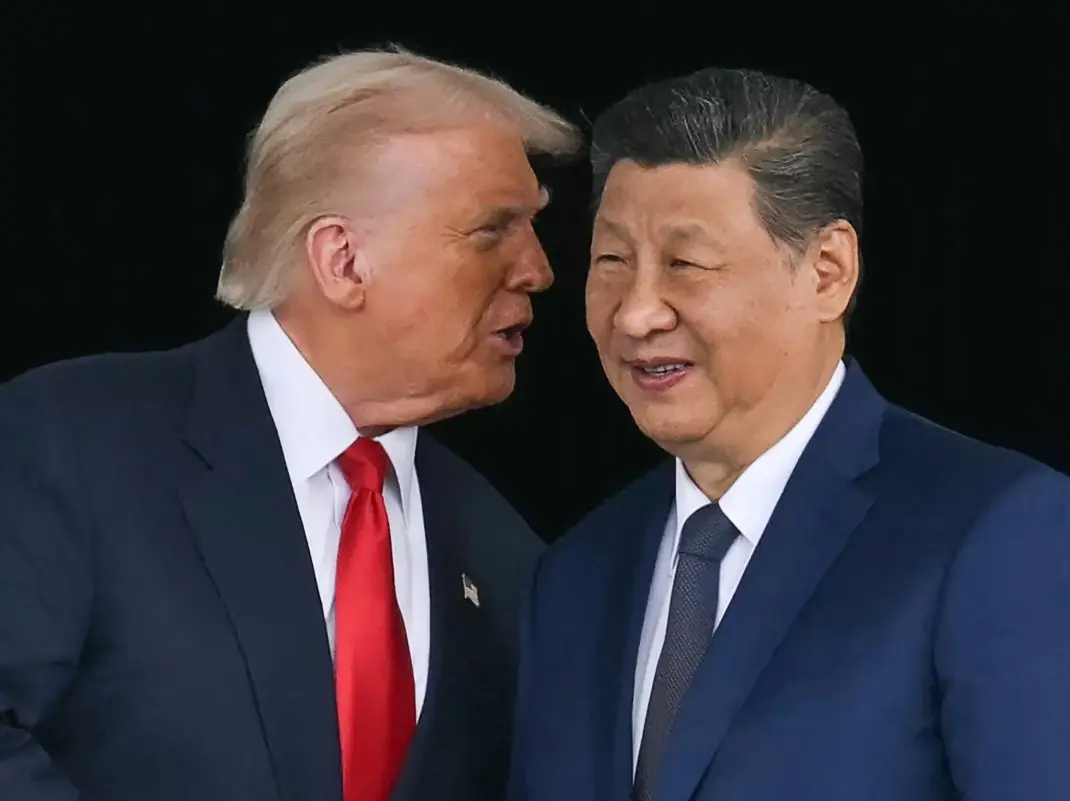
Donald Trump and Xi Jinping are preparing for high-stakes talks in Beijing this week, with discussions expected to cover Iran, Taiwan, artificial intelligence, nuclear weapons, trade tensions, and the future of a critical rare earth minerals agreement between the United States and China. According to US officials, the summit will mark the first face-to-face meeting between the two leaders in more than six months as Washington and Beijing attempt to stabilize increasingly strained relations. The relationship between the world’s two largest economies has faced mounting pressure in recent months due to ongoing trade disputes, geopolitical rivalry, and tensions surrounding the U.S. and Israeli conflict with Iran.
Trump is scheduled to arrive in Beijing on Wednesday (May 13), while formal meetings between the two leaders are expected to take place on Thursday and Friday. The visit will be Trump’s first trip to China since 2017. Officials said both sides are expected to announce new platforms aimed at strengthening trade and investment cooperation. China is also anticipated to confirm major purchases involving Boeing aircraft, US agricultural goods, and energy products.

Plans for a new Board of Trade and Board of Investment could also be formally introduced during the summit, although US officials said that additional negotiations may still be needed before the mechanisms become operational. Another major focus of the talks will be extending the temporary trade truce that currently allows the continued export of rare earth minerals from China to the United States. However, officials cautioned that it remains uncertain whether the agreement will be renewed during this week’s discussions.
The upcoming summit follows the last in-person Trump-Xi meeting held on October 30, 2025, in Busan, South Korea, during Trump’s five-day Asia tour. The two leaders reportedly spoke for nearly 100 minutes. At the time, Trump described the talks as ‘amazing’, while Chinese officials said both countries had reached a consensus on resolving 'major trade issues'. The Busan summit came after months of escalating economic pressure between the two nations. Trump had threatened sweeping tariffs on Chinese imports, while Beijing tightened export controls on rare earth materials.
Trending Stories
Despite the tensions, both leaders characterized the meeting as constructive and agreed to continue negotiations aimed at easing the growing trade conflict. Trump later praised the outcome of the Busan summit, saying he would rate the meeting “a 12 out of 10.” Reports suggested the discussions included tariff reductions, renewed Chinese purchases of American soybeans, expanded rare earth exports, and easing certain trade restrictions. The South Korea meeting was widely viewed as a critical attempt to stabilize ties between Washington and Beijing amid fears of a renewed global trade war and worsening geopolitical tensions.

