

&imwidth=800&imheight=600&format=webp&quality=medium "'Time and time again, profits won': The research Meta fought to keep sealed")
‘Time and time again, profits won.’
That was California Deputy Attorney General Megan O'Neill, opening the states' case against Meta in an Oakland federal court. It is a claim about intent, and intent is the hardest thing to prove against a corporation — unless the corporation wrote it down.
The states say Meta did. Most of this trial will be about documents the company did not expect anyone outside it to read.
The Ruling That Made It Possible
Before any of this reached a jury, Meta fought to keep its internal research out of the case, and lost.
A federal court held that the company could not invoke attorney-client privilege to withhold internal documents and research relating to teen harm. That ruling matters more than it sounds. Privilege protects communications made for the purpose of obtaining legal advice; it does not protect ordinary business records simply because a lawyer was copied in.
Trending Stories
&imwidth=180&imheight=135&format=webp&quality=medium)
Shreyas Iyer blames dew for West Indies' record run chase in 2nd T20I in Ranchi
&imwidth=180&imheight=135&format=webp&quality=medium)
'I am not going to be watching it': JD Vance on livestream of Nidal Hasan's firing squad execution
&imwidth=180&imheight=135&format=webp&quality=medium)
UK navy hit by espionage scandal: Sailor accused of spying for Russia | Gravitas
&imwidth=180&imheight=135&format=webp&quality=medium)
Katie Zacharia likely to succeed Karoline Leavitt as Trump's White House press secretary
&imwidth=180&imheight=135&format=webp&quality=medium)
Delhi on high alert for CJP protest: Delhi police to use body cams to 'prove whether we did anything’; Pink Force, RAF, 35,000 personnel deployed
&imwidth=180&imheight=135&format=webp&quality=medium)
‘Never-ending flow of cheap labour’: JD Vance hits back at Indian-origin Congresswoman over US green card curbs for major tech companies
&imwidth=180&imheight=135&format=webp&quality=medium)
Musk doubles down on Starlink India licence allegations; Rahul Gandhi says ‘wait till...’
&imwidth=180&imheight=135&format=webp&quality=medium)
Panama president declares ‘major disaster’ after powerful 7.7-magnitude earthquake; over 80 aftershocks recorded
&imwidth=180&imheight=135&format=webp&quality=medium)
‘250? Cool.’: Shai Hope takes swipe at Shubman Gill’s Instagram caption after Ranchi T20I masterclass
&imwidth=180&imheight=135&format=webp&quality=medium)
‘Ruh Roh’: Top US official mocks ‘Indian market collapse’ claim after Trump’s IT curbs. But did it? | FACT CHECK
&im=FitAndFill=(700,400)&imwidth=180&imheight=135&format=webp&quality=medium)
Fastest-growing Asian economies in 2026: Who tops the chart? Where does India rank?
&imwidth=180&imheight=135&format=webp&quality=medium)
'I ended 8 wars': Trump slams Nobel Peace prize decision, claims award was his due
&imwidth=180&imheight=135&format=webp&quality=medium)
Dhurandhar: The Revenge album submitted for Grammy consideration; But what does it mean?
&imwidth=180&imheight=135&format=webp&quality=medium)
J&K Government orders major police reshuffle, transfers 100 officers across UT
&imwidth=180&imheight=135&format=webp&quality=medium)
New York protests erupt as Trump administration defends ICE shooting
&imwidth=180&imheight=135&format=webp&quality=medium)
Delhi protest: Metro curbs, train cancellations, traffic diversions as protesters seek CEC Gyanesh Kumar’s resignation
&imwidth=180&imheight=135&format=webp&quality=medium)
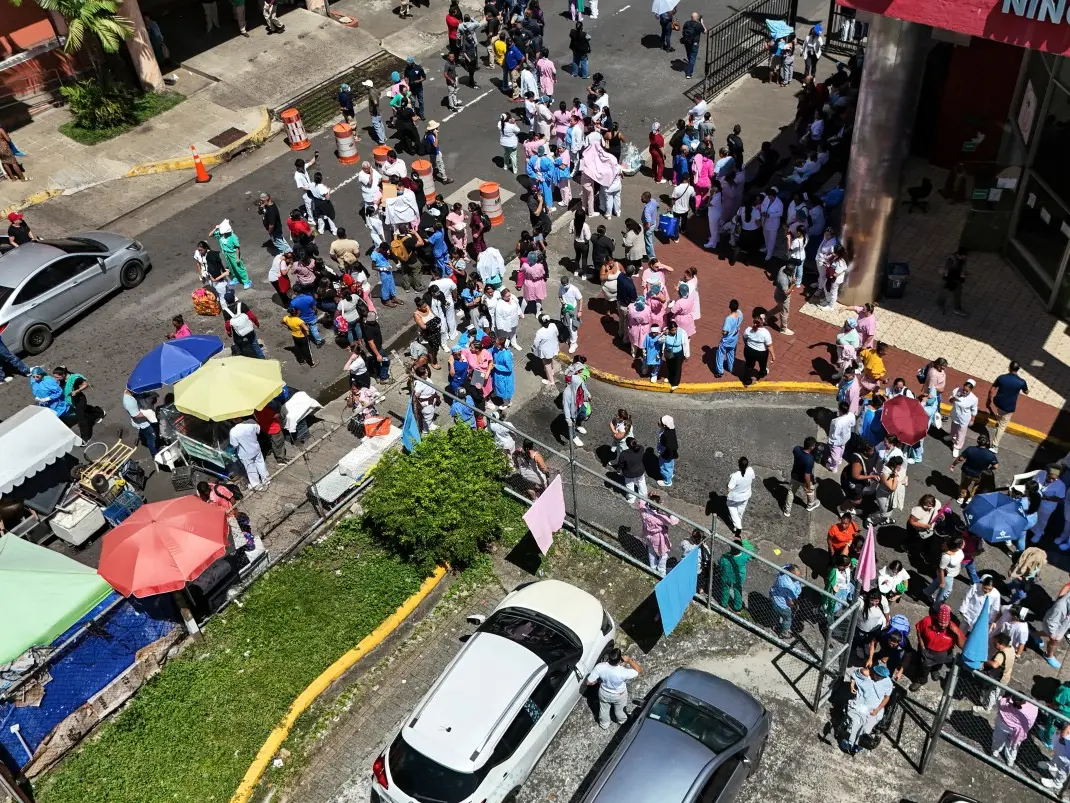
Powerful 7.7 magnitude earthquake strikes Panama, tsunami warning issued
&imwidth=180&imheight=135&format=webp&quality=medium)
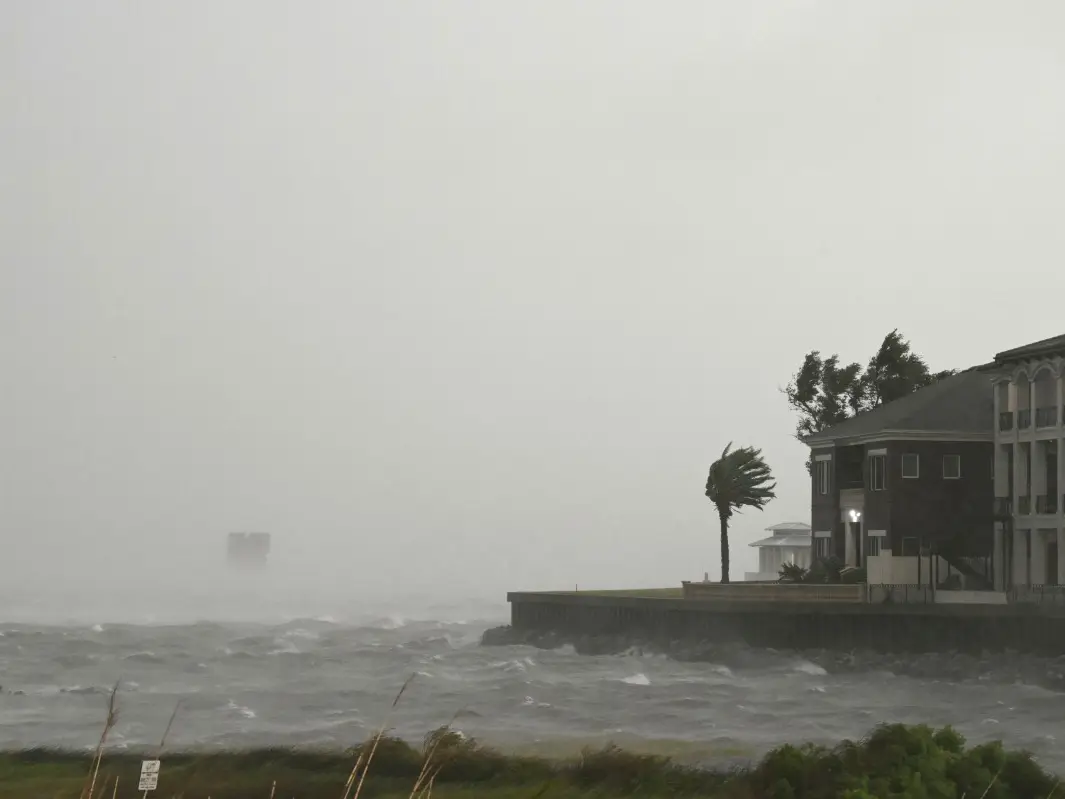
Hurricane Isaias makes landfall in Florida as Category 2 storm with winds of 105mph, threatens Gulf Coast with life-threatening surge
&imwidth=180&imheight=135&format=webp&quality=medium)
Trump has a new 'enemy': Anyone who calls it 'artificial intelligence'. Here's what we wants instead
&imwidth=180&imheight=135&format=webp&quality=medium)
Adéla gives KATSEYE’s Lara Raj and Megan Skendiel a shout-out at Fonda Theatre in LA
&imwidth=180&imheight=135&format=webp&quality=medium)
'Modi is a dictator': Abhijeet Dipke claims govt 'scared' of youth, slams stringent measures ahead of CJP Jantar Mantar protest
&im=FitAndFill=(700,400)&imwidth=180&imheight=135&format=webp&quality=medium)
New Friday OTT releases (October 9, 2026): Reporting Live, Animals, Take Charge of My Heart- 6 new titles coming on Netflix, JioHotstar and more
&imwidth=180&imheight=135&format=webp&quality=medium)
Trump announces Russian diesel deal as Zelensky criticises move
&imwidth=180&imheight=135&format=webp&quality=medium)
‘Right to protest must be protected, but...’: Delhi Police reveals why it denied CJP permission for October 10 Jantar Mantar protest
&imwidth=180&imheight=135&format=webp&quality=medium)
Pakistan denies reports of PAF jets being used in attacks against Iran-backed Houthis in Yemen
&imwidth=180&imheight=135&format=webp&quality=medium)
New York ICE shooting sparks protests as Mamdani to call on Trump to halt ICE operations
&imwidth=180&imheight=135&format=webp&quality=medium)
All 22 Indian seafarers safe in attack on Panama-flagged tanker off UAE coast
&imwidth=180&imheight=135&format=webp&quality=medium)
Ryan Reynolds’ private messages reveal his blunt views on Justin Baldoni from Blake Lively’s legal case
&im=FitAndFill=(700,400)&imwidth=180&imheight=135&format=webp&quality=medium)
Rakul Preet Singh birthday special: 7 times the Ramayana actress served glamorous looks

Kamal Haasan slams Elon Musk over Starlink delay row: 'Indian people, will decide our own future - not Western'
&im=FitAndFill=(700,400)&imwidth=180&imheight=135&format=webp&quality=medium)
Food shortages, suicide attempts and more: USS Abraham Lincoln returns to US after 321 day deployment — What happened aboard the US carrier?
&imwidth=180&imheight=135&format=webp&quality=medium)
OpenAI shuts down Russian, Iranian influence operations using ChatGPT to spread propaganda
&imwidth=180&imheight=135&format=webp&quality=medium)
SC questions closure of 57 Delhi Metro stations, asks Centre to resume services in regulated manner
&imwidth=180&imheight=135&format=webp&quality=medium)
'Even Indira Gandhi didn't do this': Abhijeet Dipke, Saurav Das and Ashutosh Ranka detained from inside their flight | Watch video
&imwidth=180&imheight=135&format=webp&quality=medium)
‘We will end ICC’: US sanctions International court, threatens to cripple hours after Navi Pillay wins Nobel Peace Prize
&imwidth=180&imheight=135&format=webp&quality=medium)
US midterm elections 2026: What a blue wave or blue tsunami could mean for Trump
&imwidth=180&imheight=135&format=webp&quality=medium)
Trump honours Microsoft CEO Satya Nadella with top technology honour amid immigration scrutiny
Where a company routes internal research through counsel, the question a court has to answer is whether the work was genuinely legal advice or whether privilege was being used as a container. Meta's position did not survive that examination on these documents.
The practical effect is that the states obtained material the company had classified as beyond reach, and it is now evidence.
What The States Say It Shows
The allegations drawn from that material fall into three groups.
First, that Meta's own research identified harms to young users, and that this knowledge existed inside the company while its public position was that the evidence was unclear.
Second, that executives made product decisions they understood would harm teenagers, and shelved proposed safeguards on the basis of what those safeguards would cost in engagement or revenue. This is the specific allegation behind O'Neill's line — not that Meta was careless, but that it weighed the two and chose.
Third, and most serious in institutional terms, that the company misrepresented what it knew to the United States Senate. Unsealed filings have alleged Meta told the Senate Judiciary Committee it could not determine whether its platforms were linked to increased anxiety and depression among young users, while internal work bearing on that question existed. A bipartisan group of senators demanded documents from Mark Zuckerberg in 2023 after an unsealed filing raised that allegation.
These remain allegations. None has been established by a court, and the trial exists to test them.
Meta's Answer
Paul Schmidt, arguing for Meta, told the court that the states have misrepresented the company's platforms and policies, and that their case was built by cherrypicking internal documents and comments.
That defence deserves to be taken seriously rather than dismissed, because it describes a real feature of discovery in any large organisation.
A company of Meta's size generates enormous volumes of internal debate. Researchers are paid to identify problems; product staff are paid to argue against changes they think are unwarranted; someone in a long email thread will always have written the sharpest possible version of the worst possible interpretation. Producing millions of documents and extracting the most damaging hundred is a legitimate description of how adversarial litigation works, and it is not the same thing as establishing what an institution decided.
The counter-argument is equally real. Internal dissent only becomes evidence of corporate knowledge when it reached decision-makers and a decision followed. That is precisely what the states will attempt to show, and it is why the testimony matters as much as the paper.
Why The Witnesses Matter More Than The Documents
Mark Zuckerberg is expected to testify. So is Adam Mosseri, who runs Instagram.
A document establishes that something was written. A witness under cross-examination establishes what was understood and what was done about it. The states' theory requires connecting research to a decision, and the only people who can confirm or deny that connection are the people who made the decisions.
Meta's cherrypicking defence also creates an obligation. If the states' selection is unrepresentative, the natural way to demonstrate that is to put the fuller picture in front of the court — which means Meta's own witnesses walking through the same material and explaining what it actually meant.
The Larger Point
Whatever Judge Yvonne Gonzalez Rogers concludes, this trial is producing something that has not existed before: a tested public record of what one of the largest technology companies knew about its effect on young users, and when.
Congressional hearings produced assertions. Journalism produced leaks. Neither carries the evidentiary weight of documents obtained under compulsion, authenticated in court, and put to the executives who wrote them, with cross-examination available to challenge every inference drawn from them.
That record will outlast the verdict. It becomes available to every regulator, legislature and litigant anywhere in the world with an interest in what social media does to children.
Meta spent years arguing this material was privileged. The reason that fight mattered is now becoming visible.
