
&imwidth=800&imheight=600&format=webp&quality=medium "The secret beneath the robe: How the 1981 bombing paralysed Ali Khamenei’s right hand")
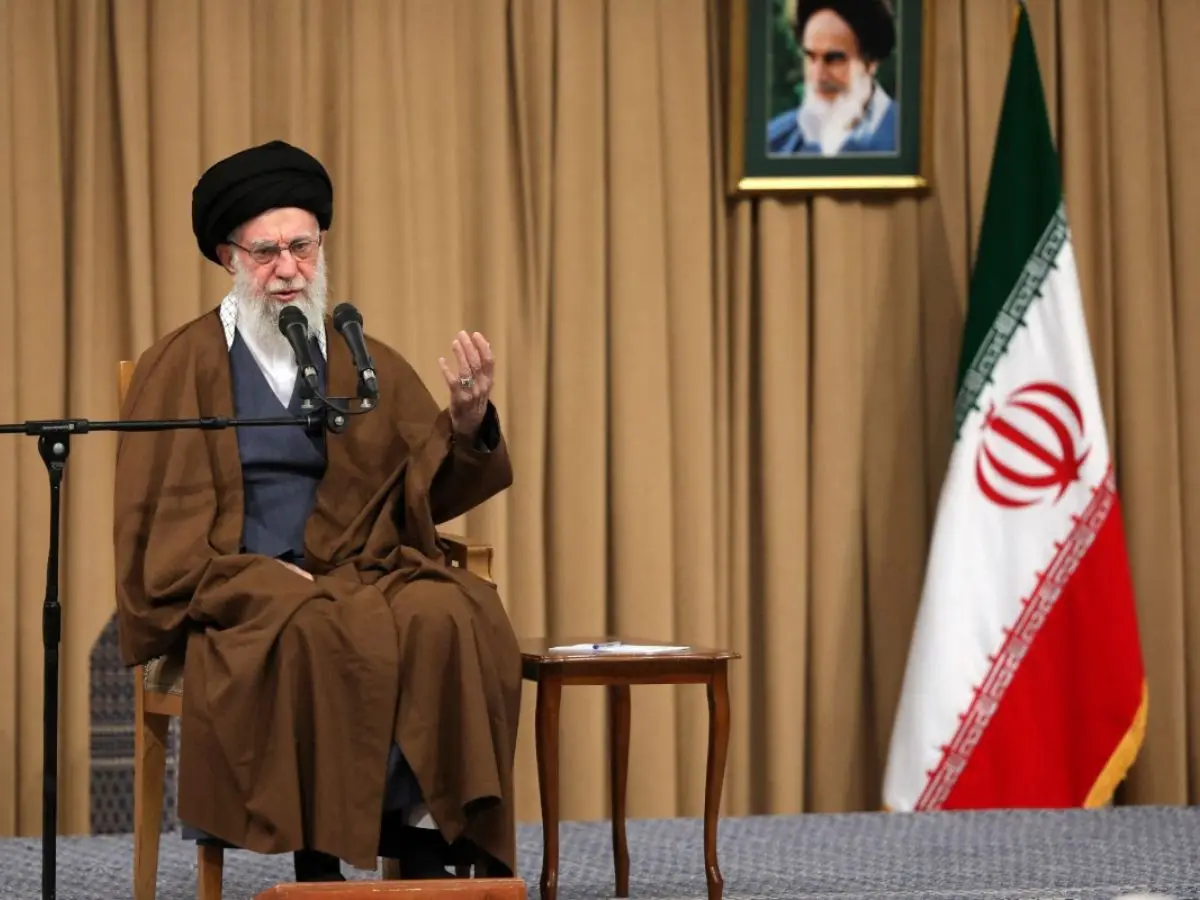
Iran’s Supreme Leader Ali Khamenei was killed in his office on Saturday (February 28) during a coordinated military strike conducted by the United States and Israel, in what is being described as one of the most consequential escalations in the long-running hostility between Tehran and its rivals. Iran’s state broadcaster Islamic Republic of Iran Broadcasting (IRIB) announced his death early on Sunday (March 1), declaring that the Supreme Leader had “reached martyrdom.” Khamenei, who held Iran’s highest authority for over three decades, had previously survived a dramatic assassination attempt years before assuming the role of Supreme Leader. The attack left him with lifelong physical damage that became closely associated with his public persona.
On June 27, 1981, while serving as president during the Iran-Iraq War, Khamenei visited a mosque shortly after returning from the war front. After leading prayers and interacting with attendees, a man approached and placed a tape recorder on the desk in front of him. Witnesses described the individual as a young man with curly hair, a beard and a chequered coat. Roughly a minute after being set down, the device emitted a sharp whistling sound before detonating.
Also Read: 'US entered war on behalf of Israel': Iran slams Rubio's justification of 'pre-emptive attack'

Authorities later discovered a note hidden inside the recorder saying: “A gift of Furqan Group to the Islamic Republic.” The Furqan Group was known at the time for its opposition to Iran’s clerical establishment. The explosion left Khamenei severely wounded, causing extensive injuries to his right arm, vocal cords and lungs. Though he survived after months of medical care, his right arm was permanently paralysed.
Undeterred, he pressed on with his political career. Reflecting his resilience, he once remarked that he did not require his hand as long as his mind and voice remained intact. He adapted by learning to write with his left hand and steadily consolidated influence within Iran’s political and religious hierarchy. In 1989, he rose to the position of Supreme Leader and went on to dominate Iran’s domestic and foreign policy for 35 years, becoming one of the most powerful and enduring figures in the country’s modern history.
Trending Stories
)
Why asking questions could be more important than memorising answers
)
Did India risk its US trade deal despite softer stance at BRICS?
&im=FitAndFill=(700,400))
How 2nm technology improves iPhone performance
&im=FitAndFill=(700,400))
Shahid Kapoor to Rajkummar Rao: Actors who rule both theatres and OTT
)
BRICS Summit 2026: Trump wants to weaken BRICS, but maybe doing the opposite
&im=FitAndFill=(700,400))
Meet top 5 batters fastest to 3000 runs in T20Is
)
Did BRICS Summit 2026 prove that an 11-member bloc with India and China in it can still agree on key issues?
)
Top 5 places to visit in Goa beyond its famous beaches
)
Delhi’s balancing act: BRICS serves as a stage for West Asia diplomacy
&im=FitAndFill=(700,400))
Why European Meteor missiles use ramjet engines compared to standard US solid rockets
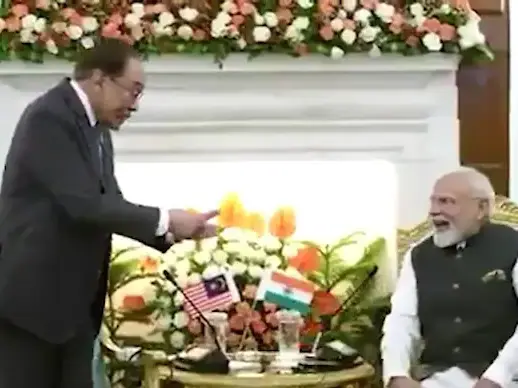)
'He is popular...': Malaysian PM Anwar Ibrahim's praise for PM Modi during bilateral meeting | WATCH
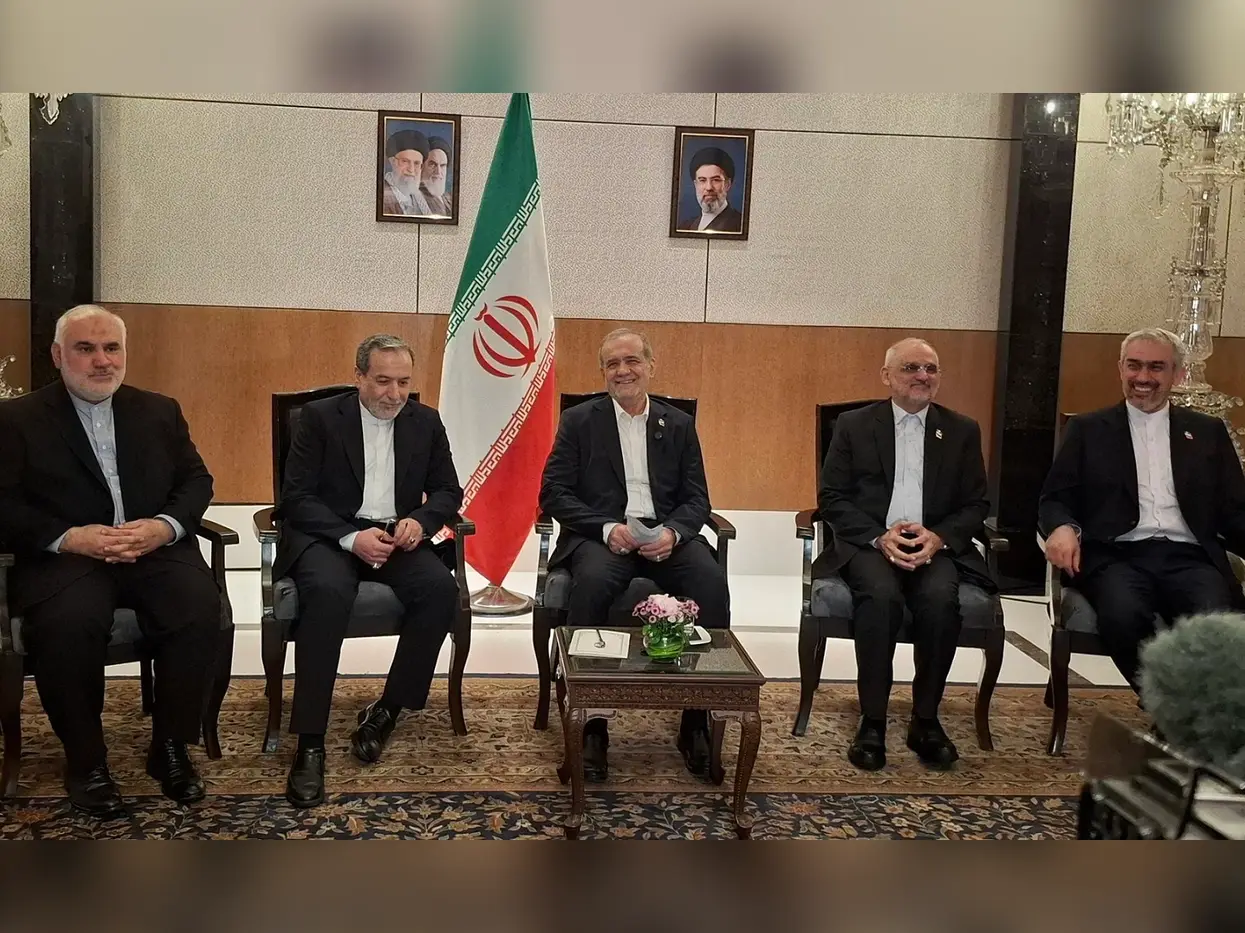)
Iran, India agree to deepen humanitarian and political ties, President Pezeshkian says
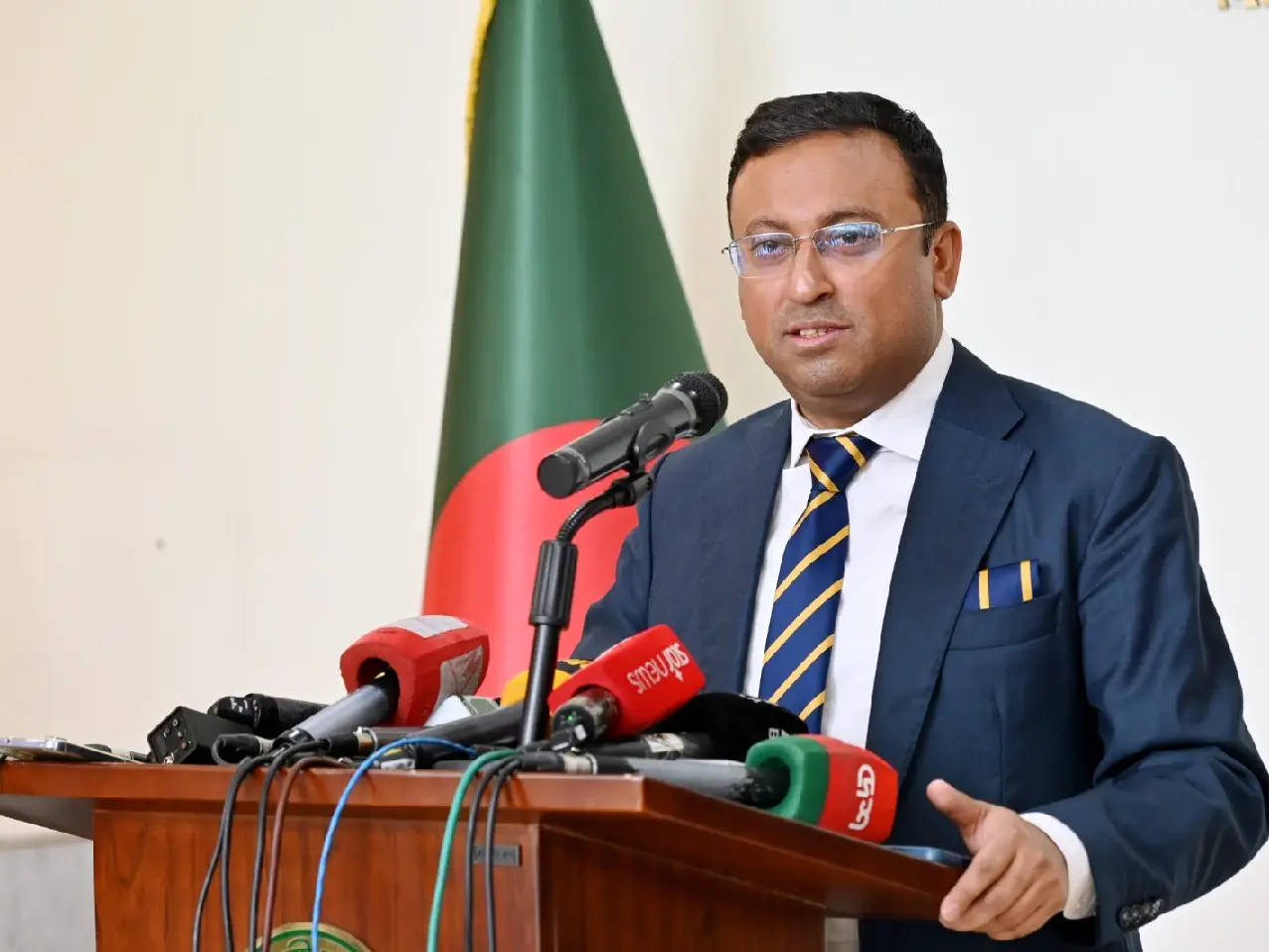)
‘Want to reset ties with India, have engagement based on mutual interests,’ says Bangladesh minister
)
BRICS Summit 2026: PM Modi, Xi reach key consensus on ties, China to assume BRICS chairmanship in 2027
)
UK breakup on the cards? Scotland, Wales and Northern Ireland push for independence
)
Russia-Ukraine-US talks in October? Kremlin says not ruling out possibility of trilateral
)
Trump says Canada eager to reach a deal, it could come ‘fairly soon’ if Ottawa treats US farmers better
)
The Verdict | Africa is too big to remain a guest at the BRICS table
)
‘Partners, not rivals’: Xi outlines four point plan for stronger India-China ties
&im=FitAndFill=(700,400))
Why Chinese PL-15 air-to-air missiles use dual-pulse motors compared to European interceptors
)
'It’s going to be a war': Ben Shelton on facing Zverev in US Open title clash
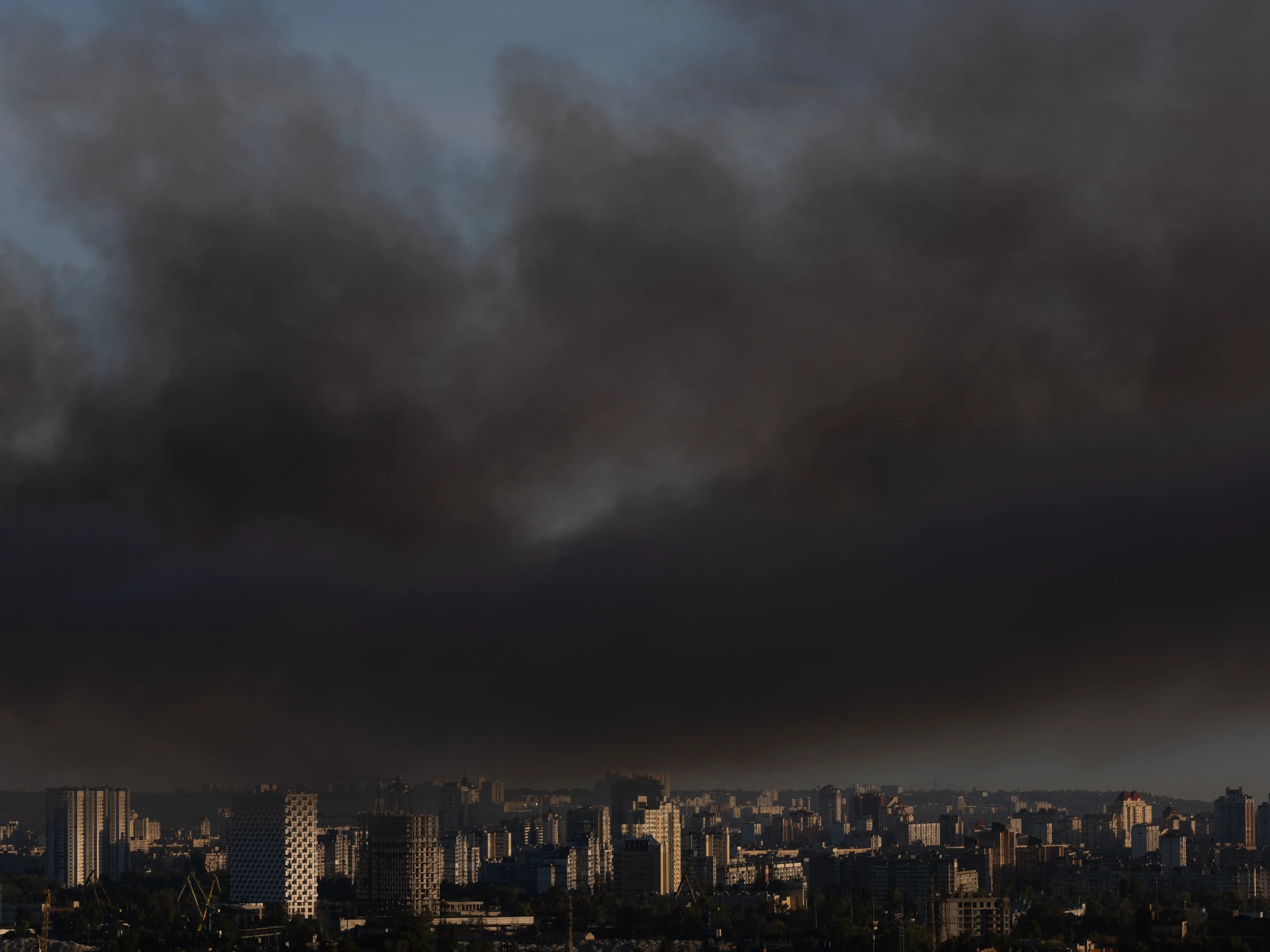)
NATO under Russian threat? Drone strikes just 2 km from Poland, narrow escape for former UK PM, CIA chief
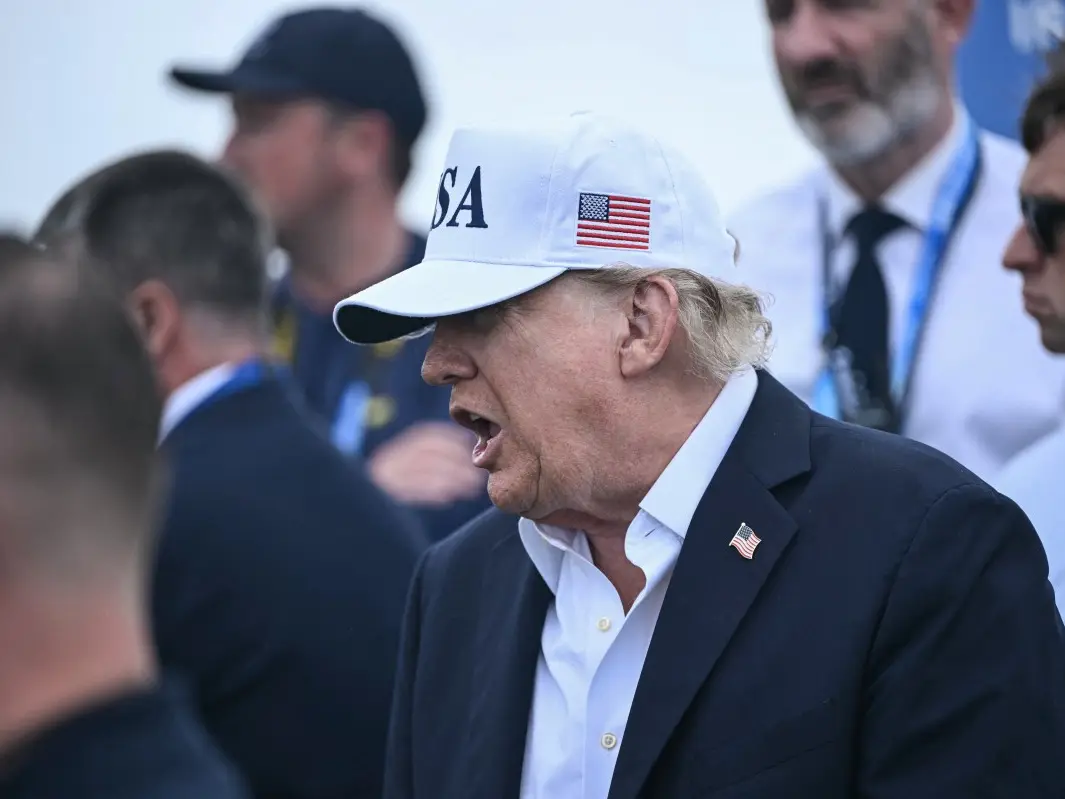)
Trump defends Lincoln Memorial pool amid NYT report blaming renovation flaws, not vandalism
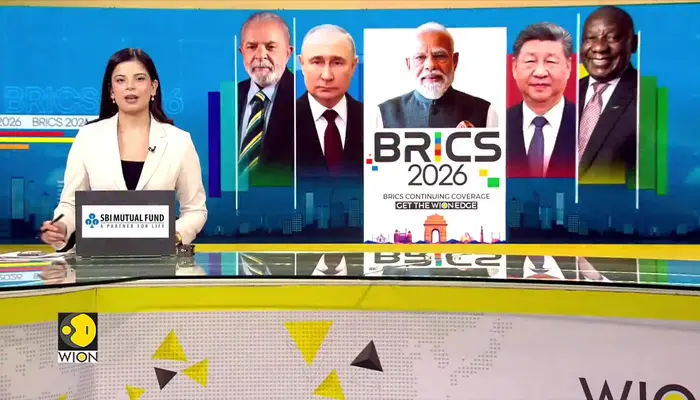)
BRICS Summit: New Delhi declaration adopted with full consensus, big diplomatic win for India
)
800 million years old - Scientists discover 'fingerprints' of supercontinent Gondwana in ancient rocks
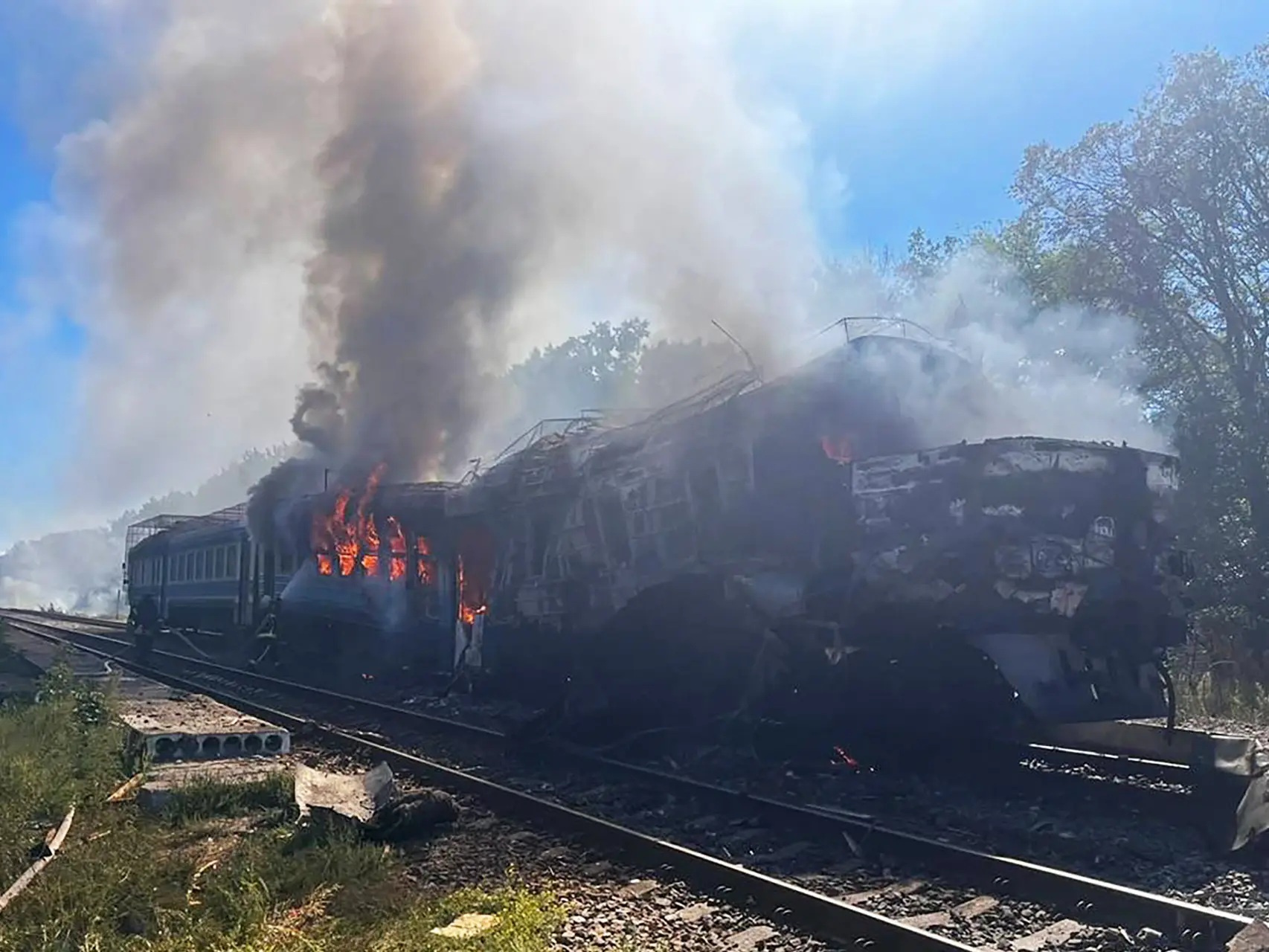)
Russian drone hits Warsaw-bound train near Polish border, Zelensky accuses Moscow of ‘deliberate’ targeting
)
War is making Russia stronger? How Ukraine is shaping Moscow’s next generation of weapons
)
BRICS Summit 2026: Russia-India-China grouping never formalised
)
9-year-old Chennai prodigy clears Cambridge IGCSE grade 10 exams
)
Indian importers urge Bangladesh to lift export ban on 'Hilsa' fish ahead of Durga Puja
)
Humans may lose control of AI: Anthropic CEO calls for slowdown, Altman, Musk back him
)
US diplomat accused of possessing child abuse images secretly flown out of UK by US Marines
)
BRICS Summit 2026: Modi-Xi moment highlights India-China thaw at BRICS
)
Why does your skin need protection from UV rays?
)
PM Modi and China's Xi offered to help resolve Russia-Ukraine war: Kremlin
)
Akram, Afridi, Mushtaq tear into PCB after Pakistan’s Test series collapse in UK
Despite his authority, much about his private life remained shielded from public view. He is survived by his wife, Mansoureh Khojasteh Bagherzadeh, and their six children. While reports suggest some extended family members reside abroad, his immediate household has largely stayed in Iran. According to Axios, the 86-year-old cleric ranked among the world’s longest-serving rulers. His death is likely to trigger uncertainty within Iran’s leadership structure and intensify pressure on the ruling establishment as tensions with Washington and Tel Aviv persist.
Disclaimer: WION takes utmost care to accurately and responsibly report ongoing conflicts in West Asia involving Israel, Iran, US, Gulf nations and non-state actors like Hezbollah, Hamas, Houthis, Islamic State, and others. Claims and counterclaims, disinformation and misinformation are being made online and offline. Given this context, WION cannot independently verify the authenticity of all statements, social media posts, photos and videos.

