The Capitals in 2023: The year when New Delhi proved sceptics wrong

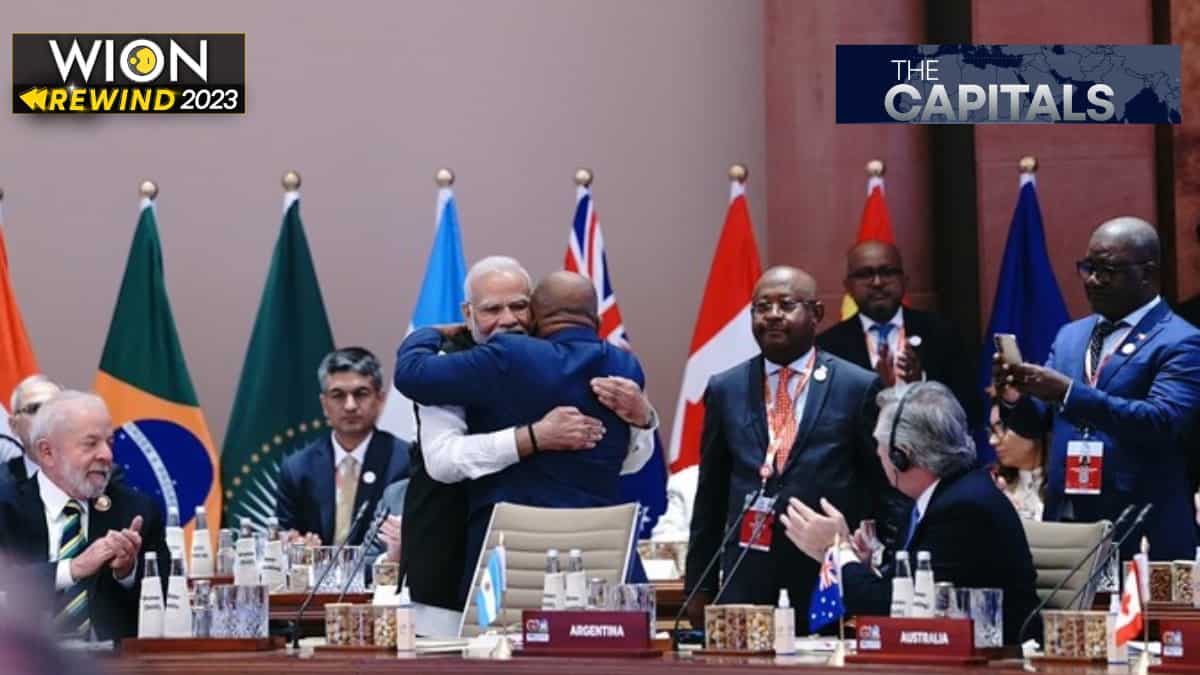
India's Prime Minister Narendra Modi embraced African Union chairperson Azali Assoumani on Sept 9, 2023
In a year when Moscowdodged an unprecedented mutiny bullet, Washington and Beijing wrangled with a consequential geo-economic confrontation over the development of semiconductors, the Israel-Palestine conflict entered its worst phase in decades—New Delhi's rising economic clout coincided with its presidency of the grouping of world's wealthiest economies: the G20.
Besides, during a Senate hearing in Washington, the most relevant warning of our times was issued.

"If this technology goes wrong, it can go quite wrong," Sam Altman,the Chief Executive of the world's most successful Artificial Intelligence startup OpenAI said at a Senate hearing in Washington DC.
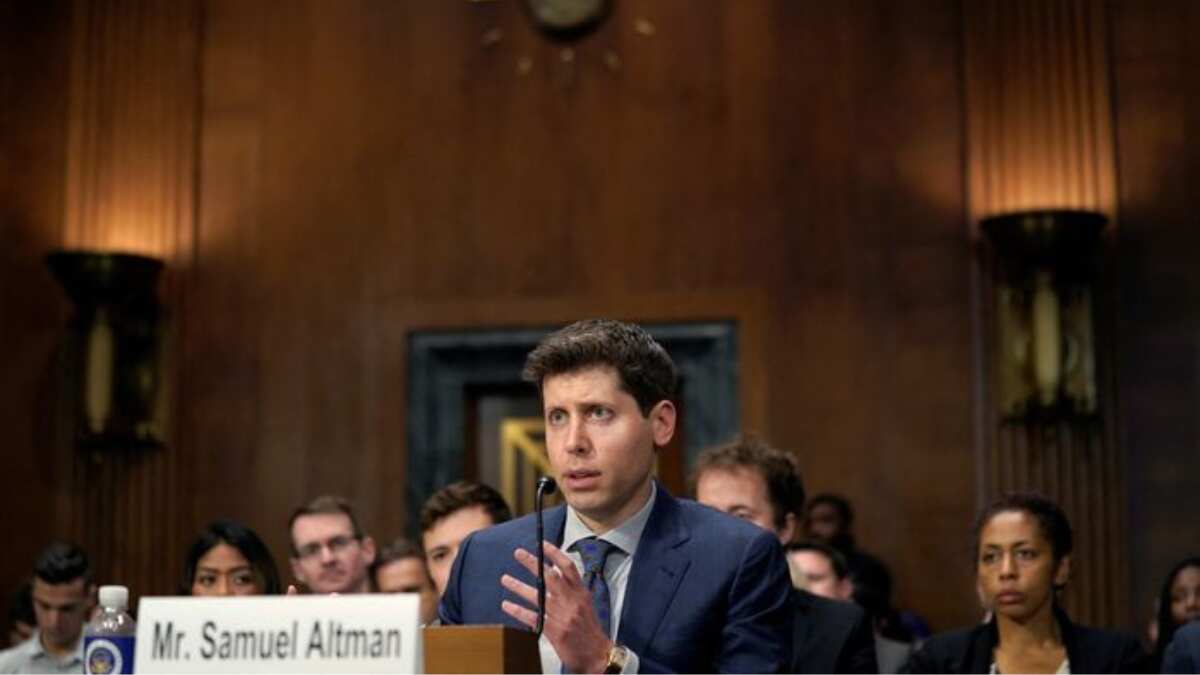
Samuel Altman, the CEO of ChatGPT-maker OpenAI | AP
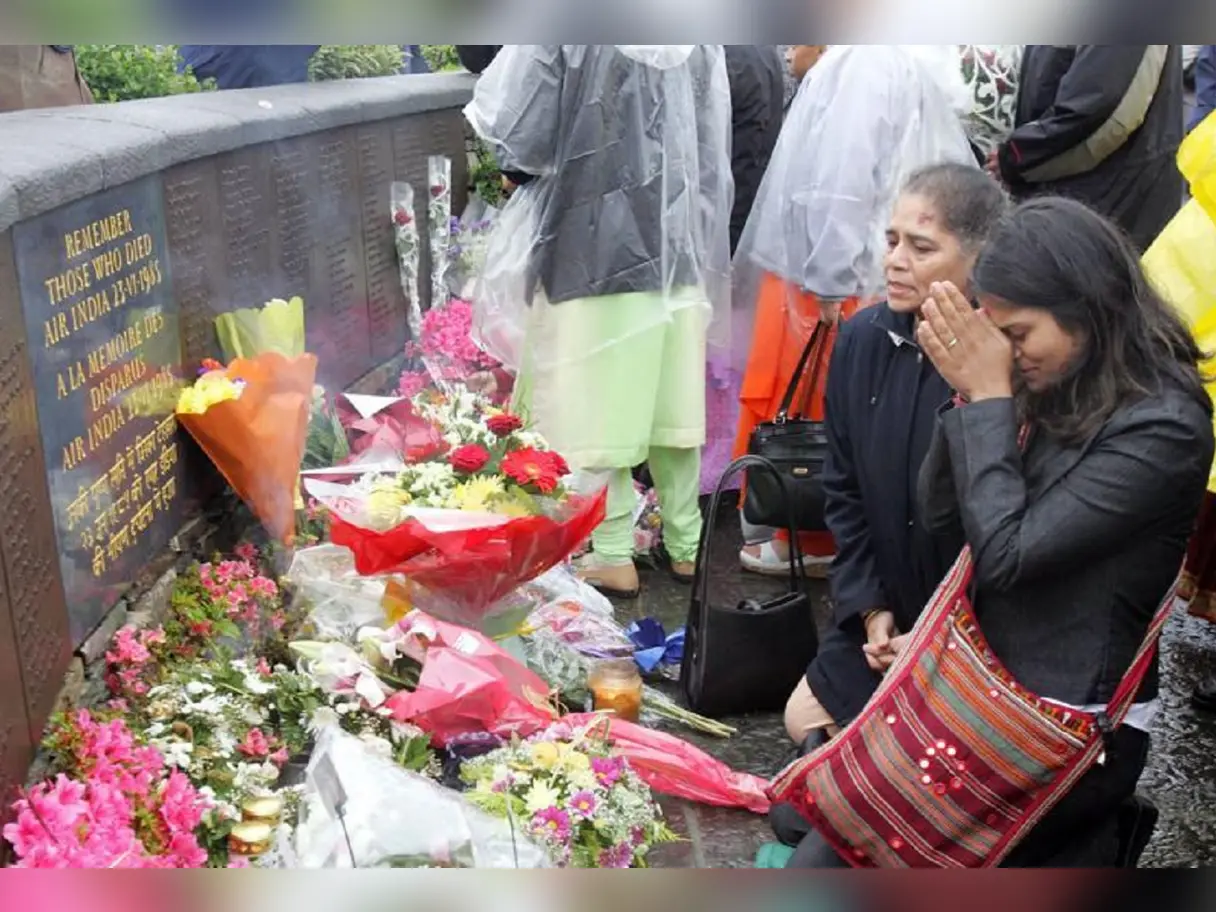)
Justice eludes Air India 1985 bombing victims as Canada probe goes 'inactive' | Gravitas
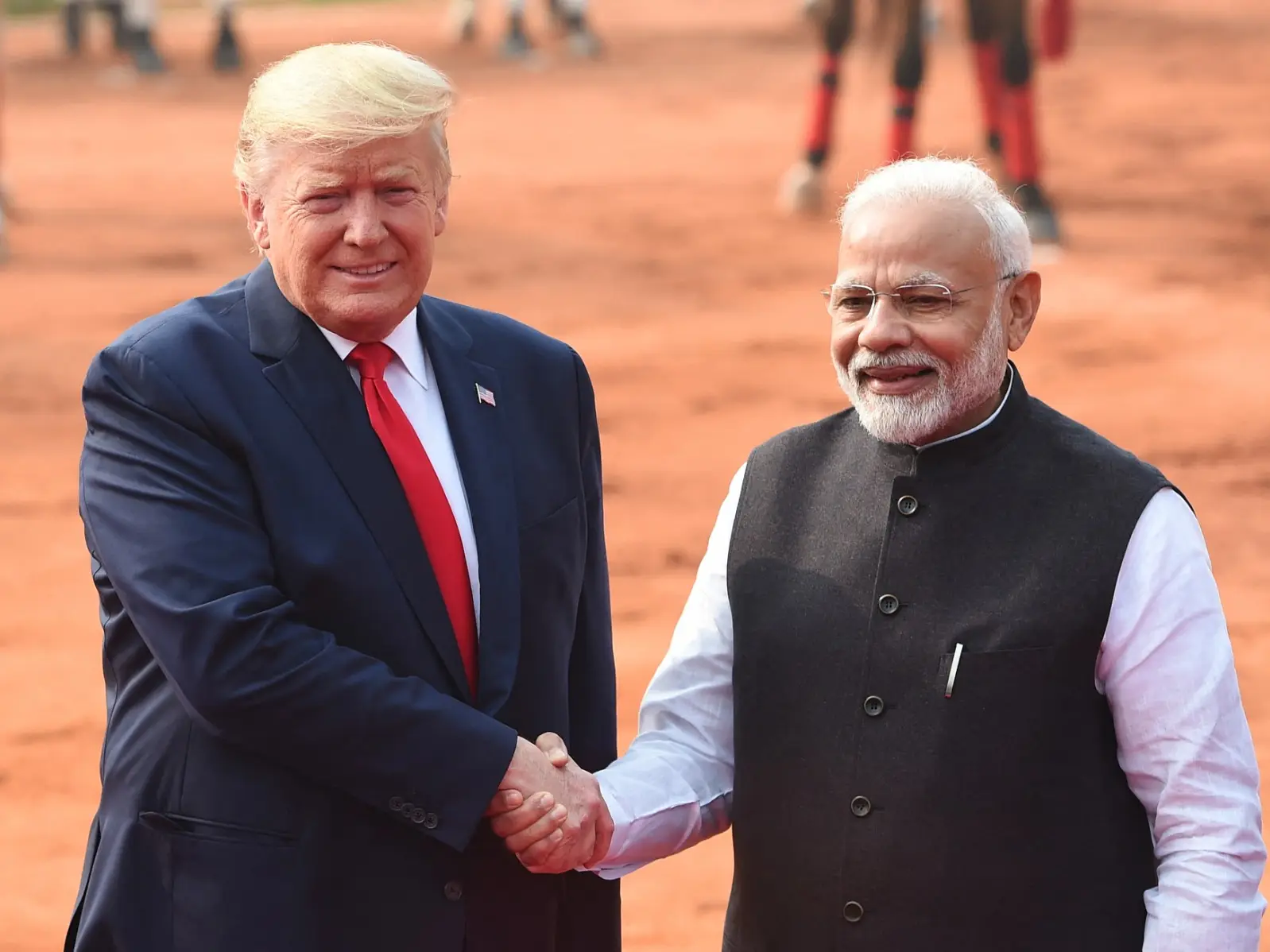)
Trump revives India-Middle East-Europe economic corridor as India emerges central to West Asia’s future: What is it?
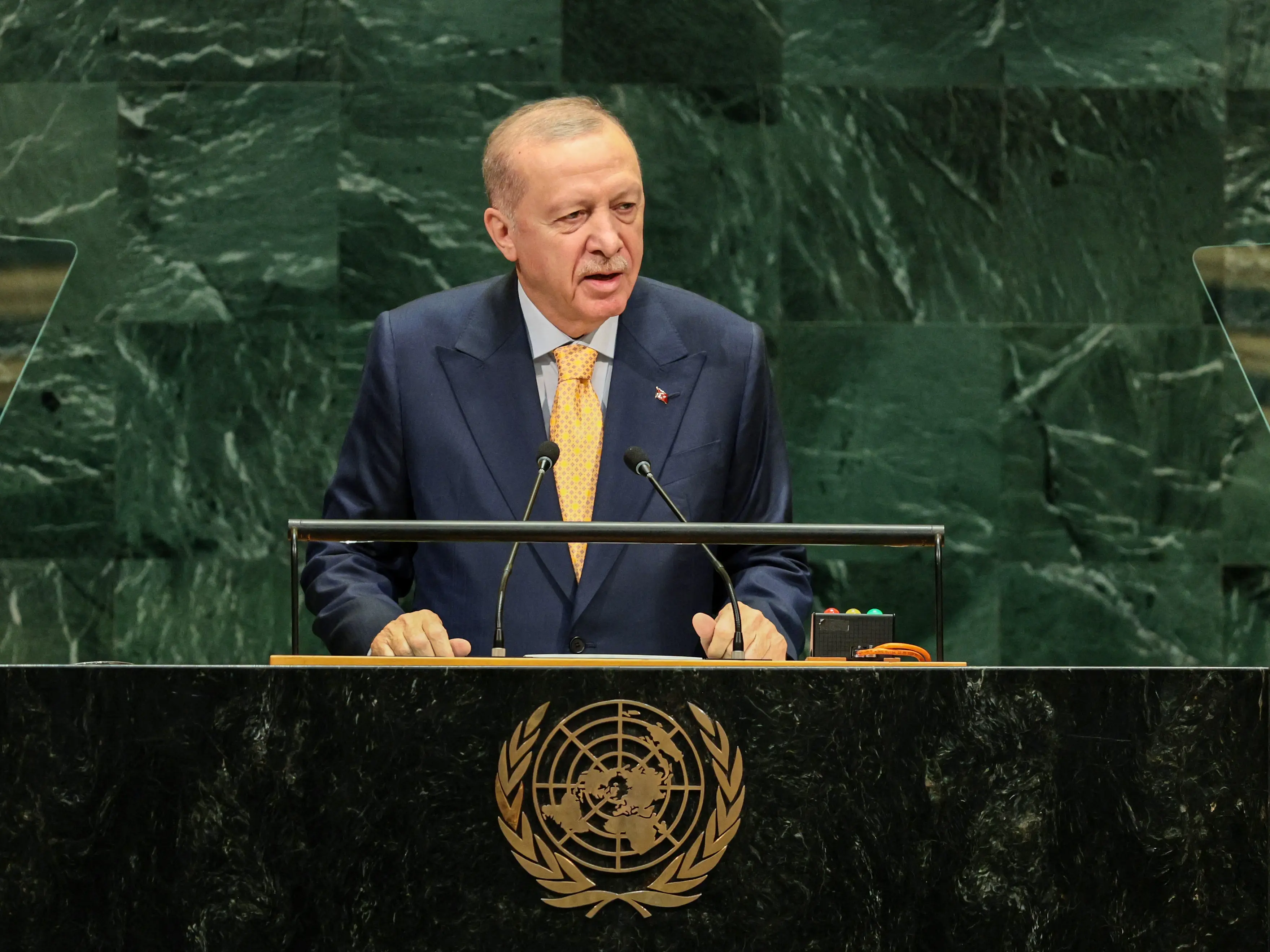)
Erdogan again raises Kashmir issue at UNGA, calls for dialogue under UN Charter
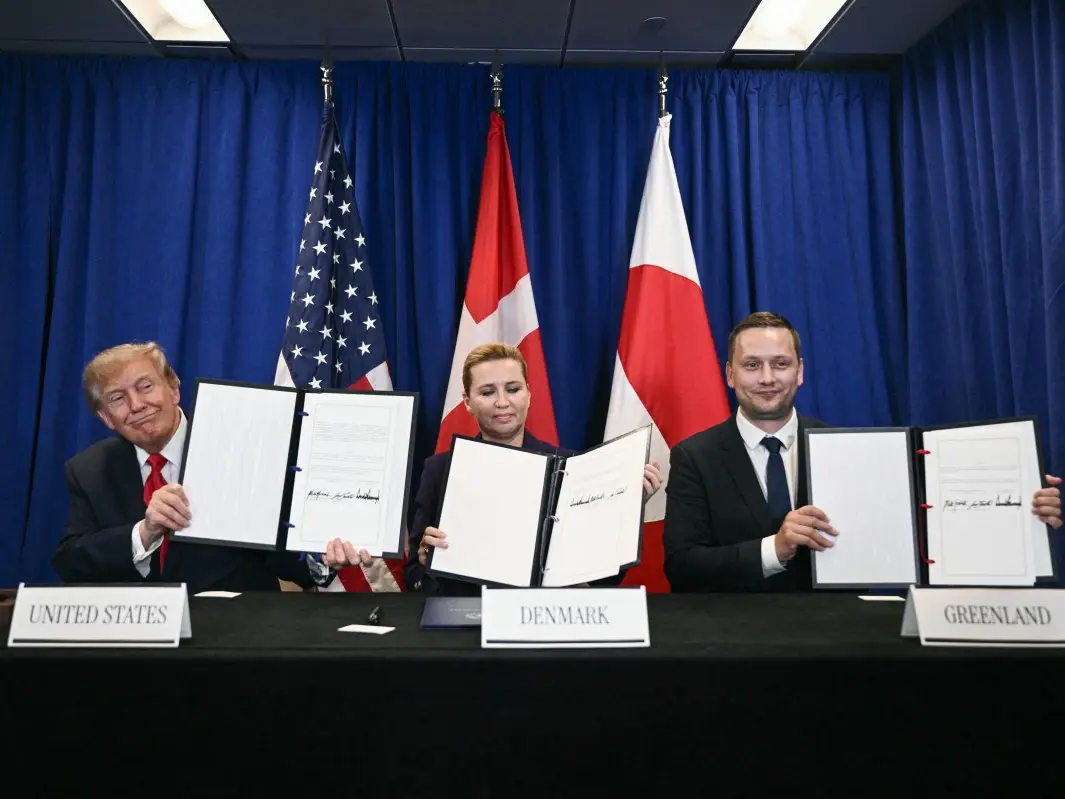)
Trump signs Greenland security deal with Denmark, paving way for two new US military bases
)
Most Americans want greater federal AI oversight
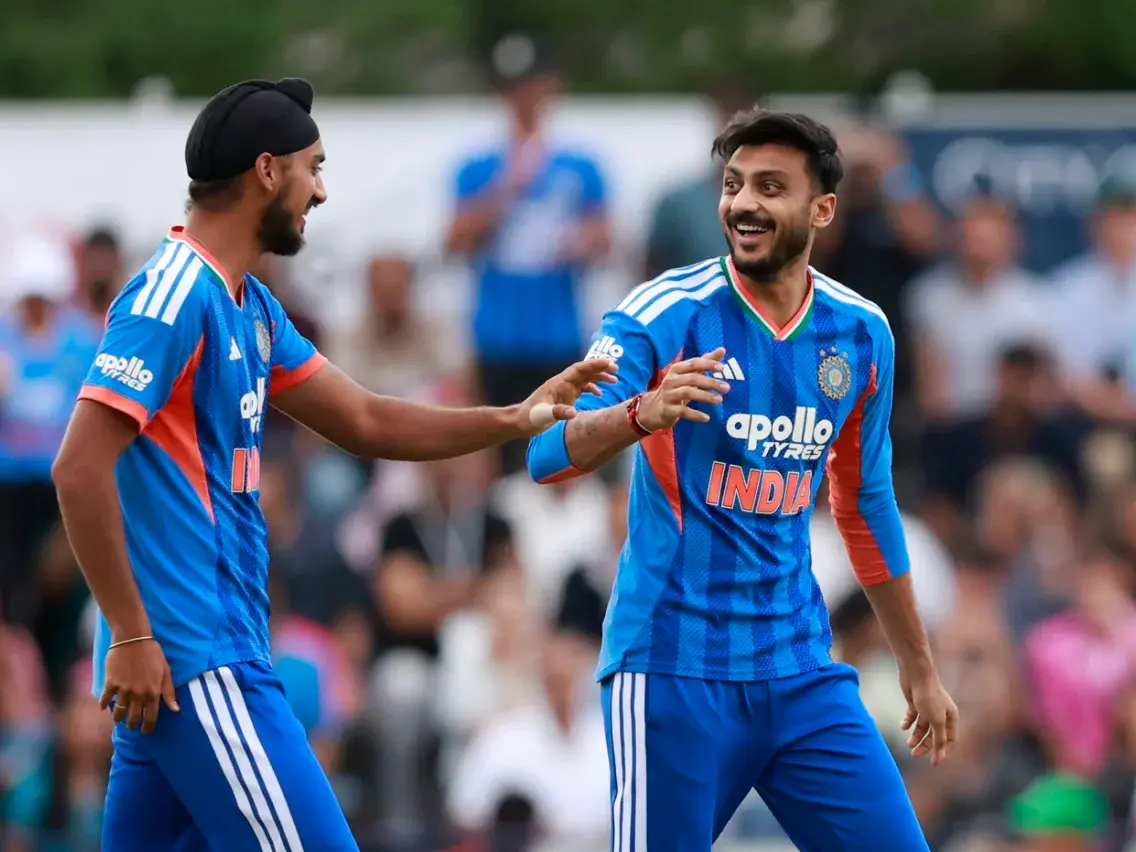)
IND vs JPN T20I: How an overturned wide became point of difference between India's win and a tie
)
Trump-Xi summit: From trade to Taiwan, what will the US and Chinese presidents discuss in Washington?
)
Cyclone Arnab: Landfall expected before midnight tomorrow as IMD issues orange alerts across six states
)
ICC plans T20I expansion and fewer ODIs in 2027–2031 FTP cycle: Report
)
US-China tech war: Businesses in the front line
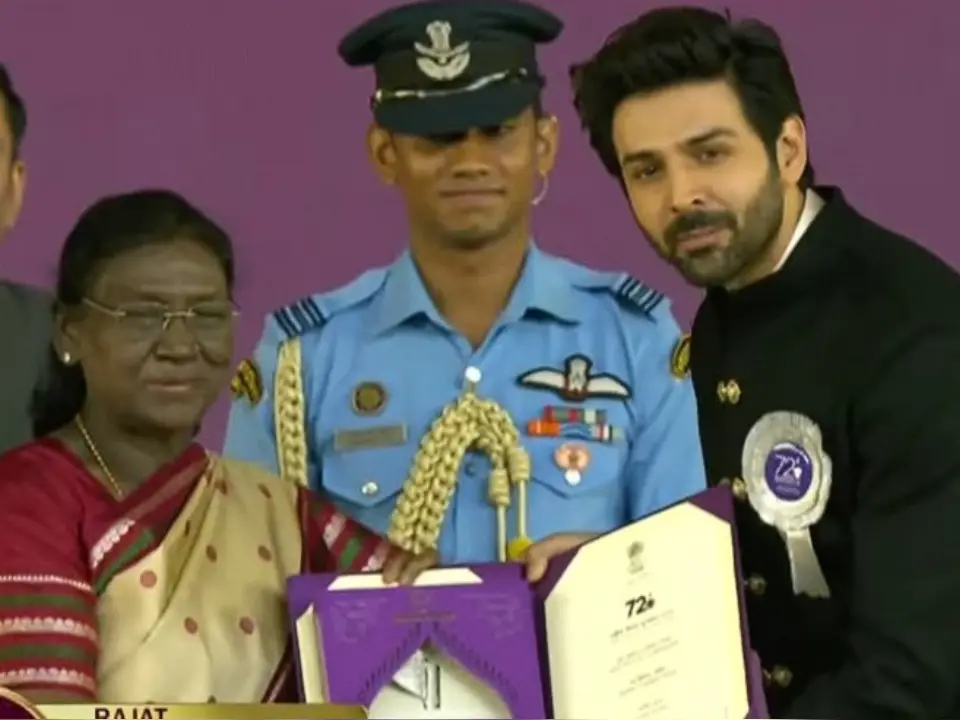)
'Mumma’s boy from Gwalior who dared to dream': Kartik Aaryan pens long note after first National Award win
)
Gravitas | Boosting NHS productivity could save 20,600 lives in UK annually: Report
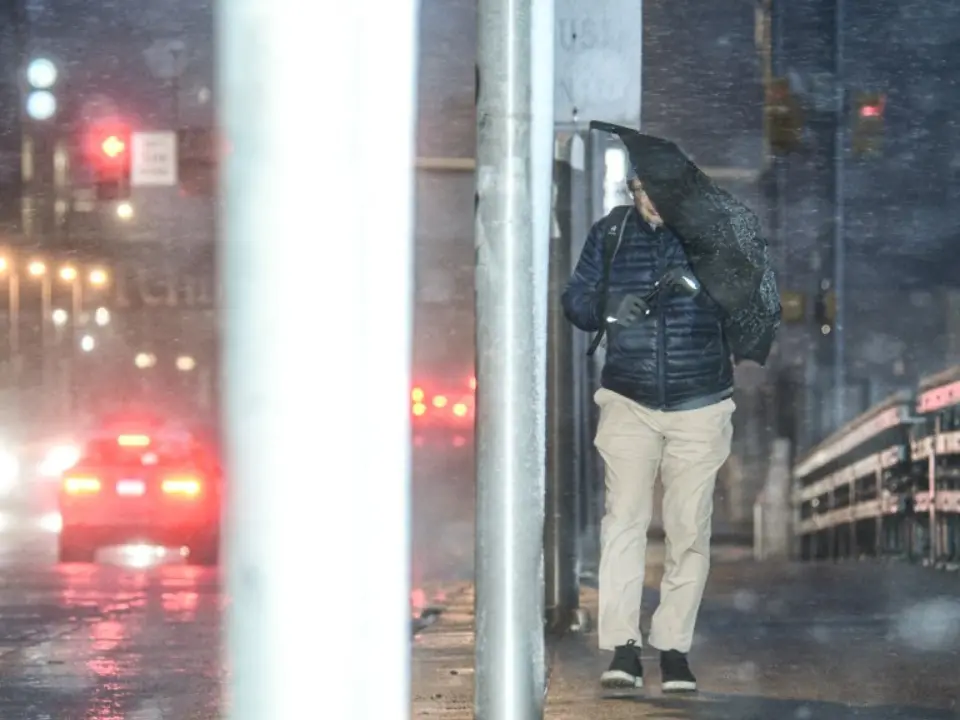)
Nor'easter could batter 13 US states this week. What you should know
)
US and China vie for AI dominance as calls grow for regulation | Gravitas
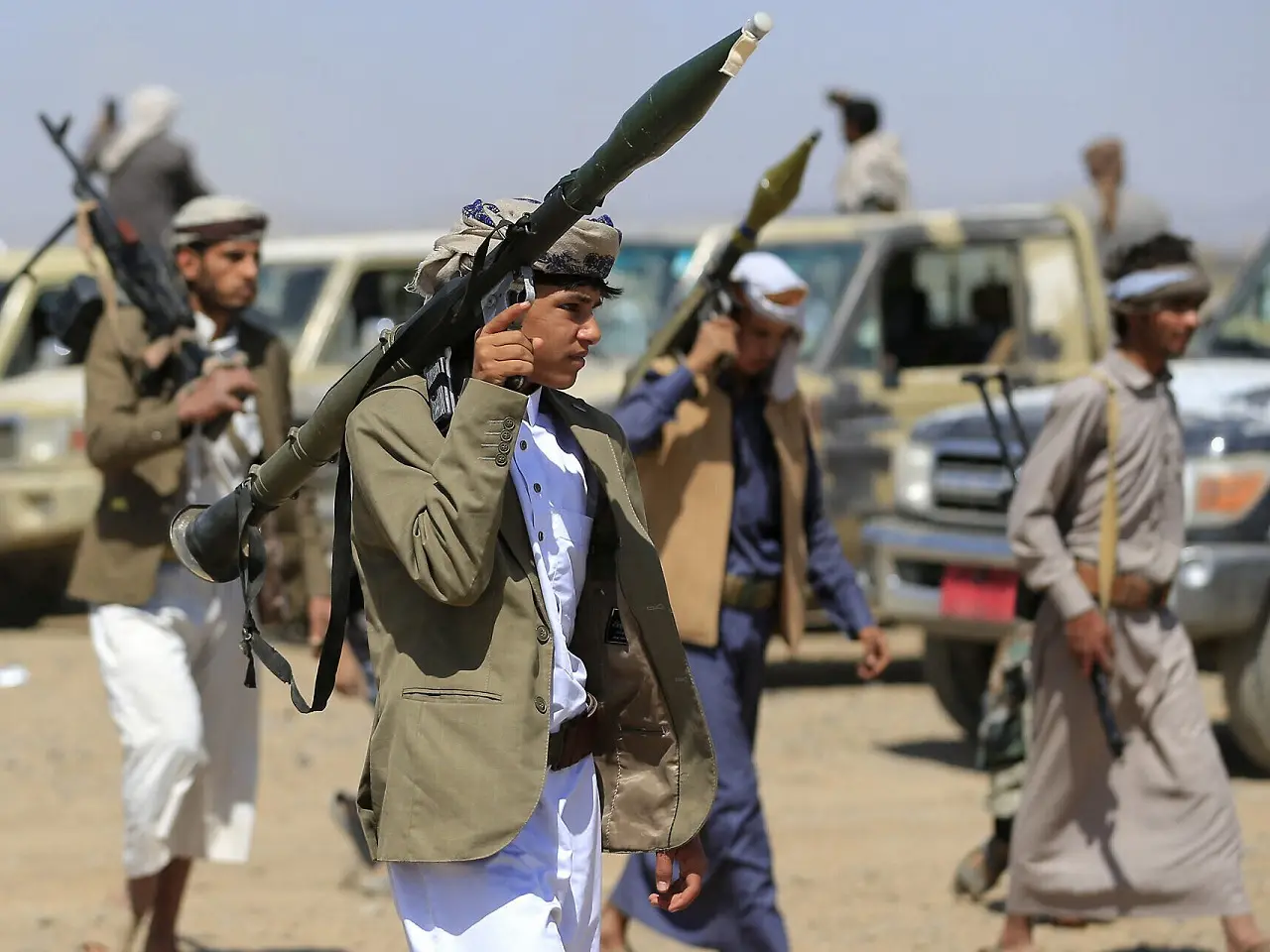)
Yemen clashes kill 154 people in two days as cornered Saudi battles Houthi offensive | Gravitas
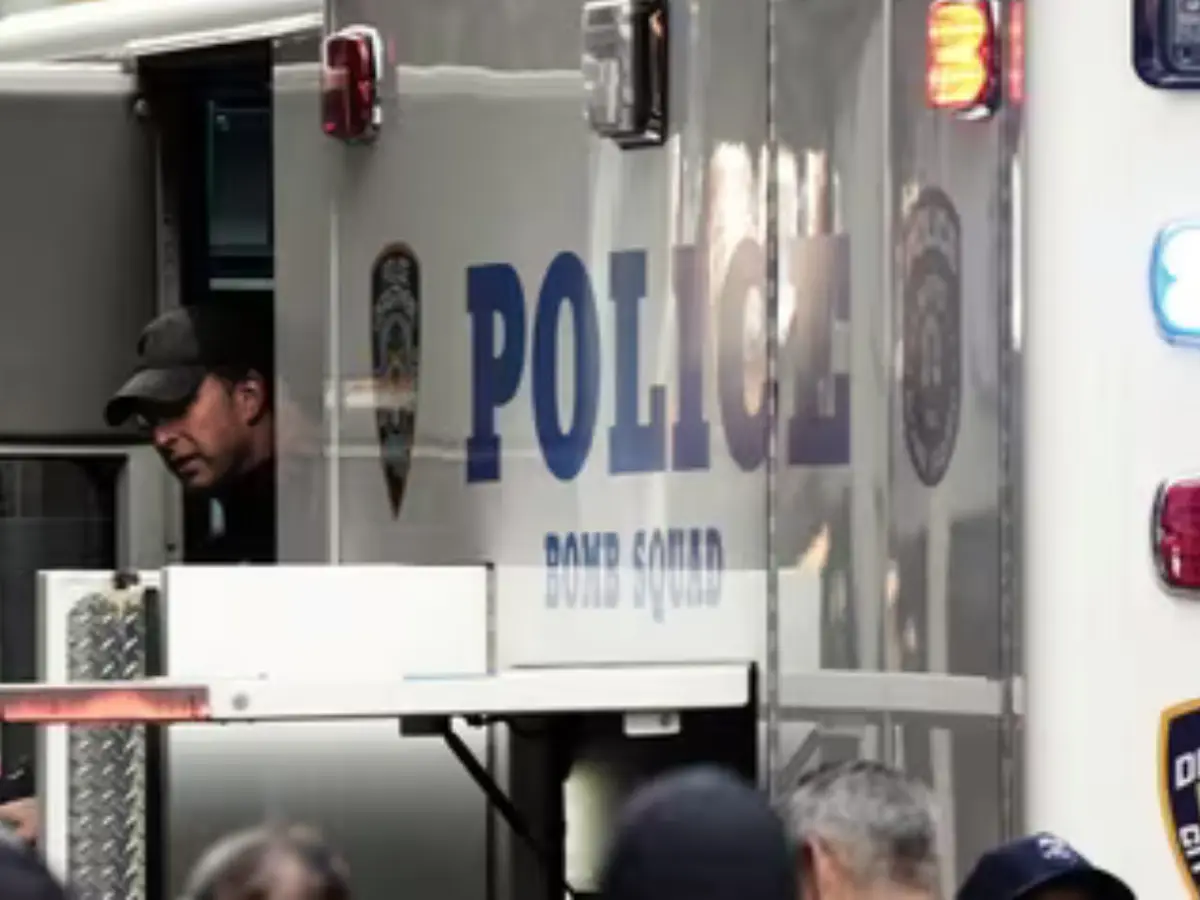)
Bomb scare in New York amid UNGA: Suspicious suitcase found near UN headquarters
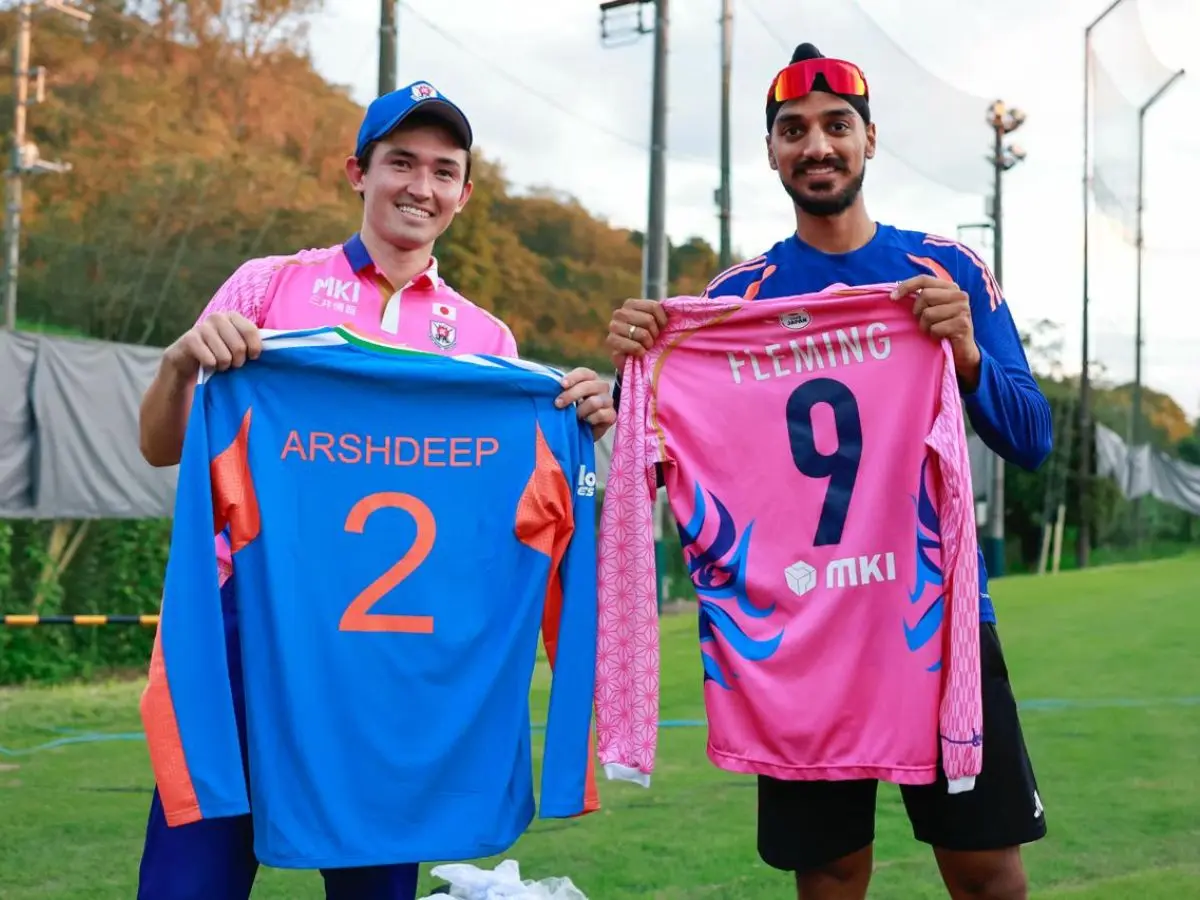)
IND vs JPN, one-off T20I: Japan captain Kendel on pushing India to the brink - ‘It was special’
)
Raaka creates history! Allu Arjun’s film secures Guinness World Record ahead of release
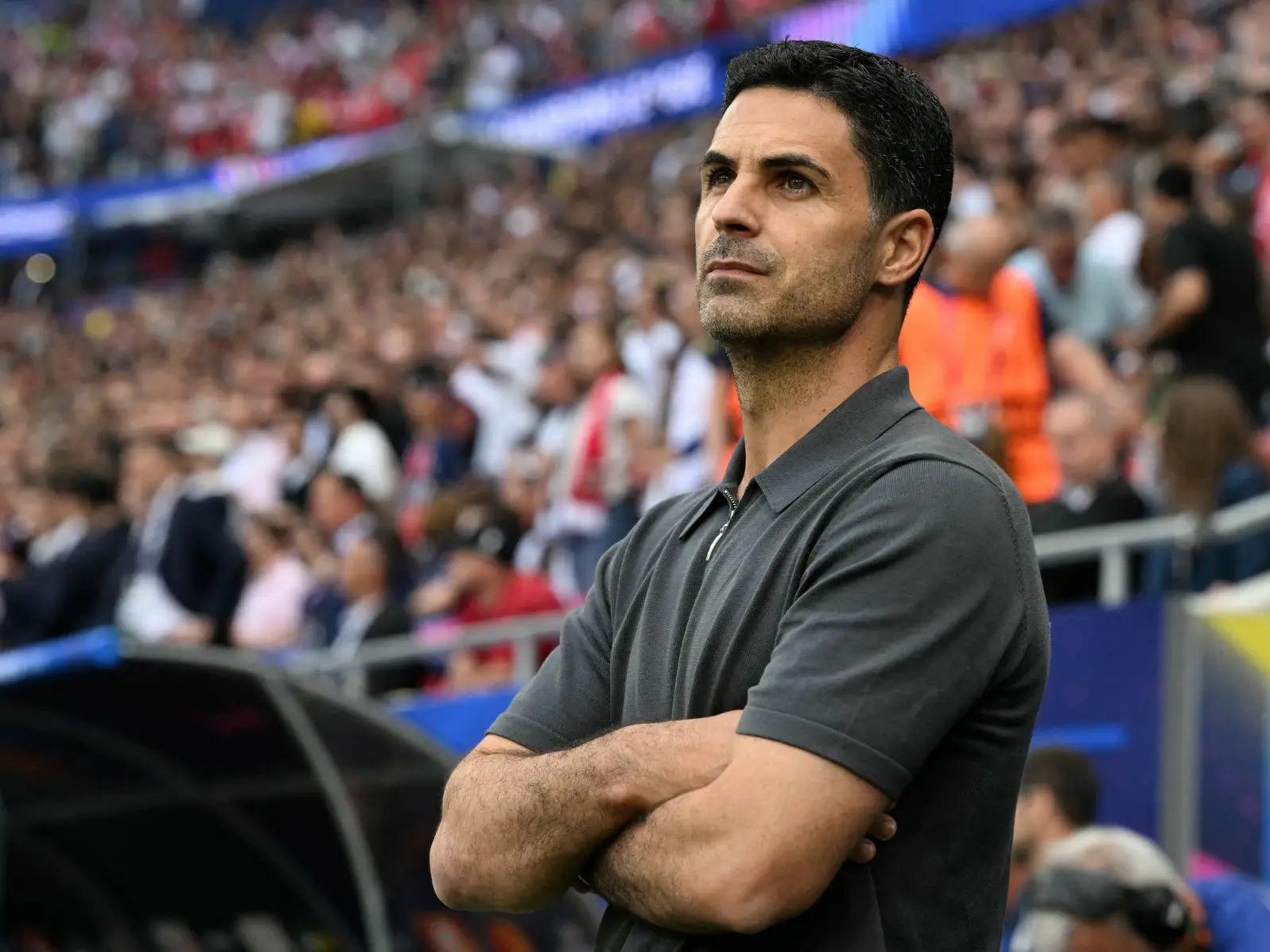)
Mikel Arteta verbally agrees to three-year extension with Arsenal after title-winning Premier League season
)
WION Iconic Tourism Summit and Awards 2026: Key voices to discuss India’s tourism future
)
WION Iconic Tourism Summit and Iconic Awards 2026: India's travel economy leaders gather in Delhi
&im=FitAndFill=(700,400))
New OTT releases this week (September 21-27, 2026): Shaque: Trust No One, Hunkkaar, Don’t Be Shy- 5 new titles coming to Netflix, Prime Video and more
)
81st UN General Assembly: Burnham announces UK-US AI defence tie-up
)
Trump calls on nations to quit ‘rogue’ and ‘out-of-control’ International Criminal Court, rips UN
)
Infections transmitted from pregnant woman linked to autism risk
)
'What kind of confession is this?': Pakistan PM Shehbaz Sharif’s 'terrorists would be roaming New York' remark goes viral, raises alarm online. Watch
)
Elephants hide behind trees, stage surprise attack on poachers targeting rhinos in South Africa
)
IIT Bombay professor Suryanarayana Doolla sent on leave amid Sahil Wakode death probe
&im=FitAndFill=(700,400))
National Film Awards 2026: Kartik Aaryan, Mammootty, Yami Gautam, Randeep Hooda and other key winners
)
‘Strike a deal or drive Iran into hell’: Trump issues fresh warning to Tehran at UNGA
)
Anne Hathaway to run in supporting race for Nolan's epic
)
Over 4,200 books withdrawn from circulation in J&K colleges, 94% from Kashmir
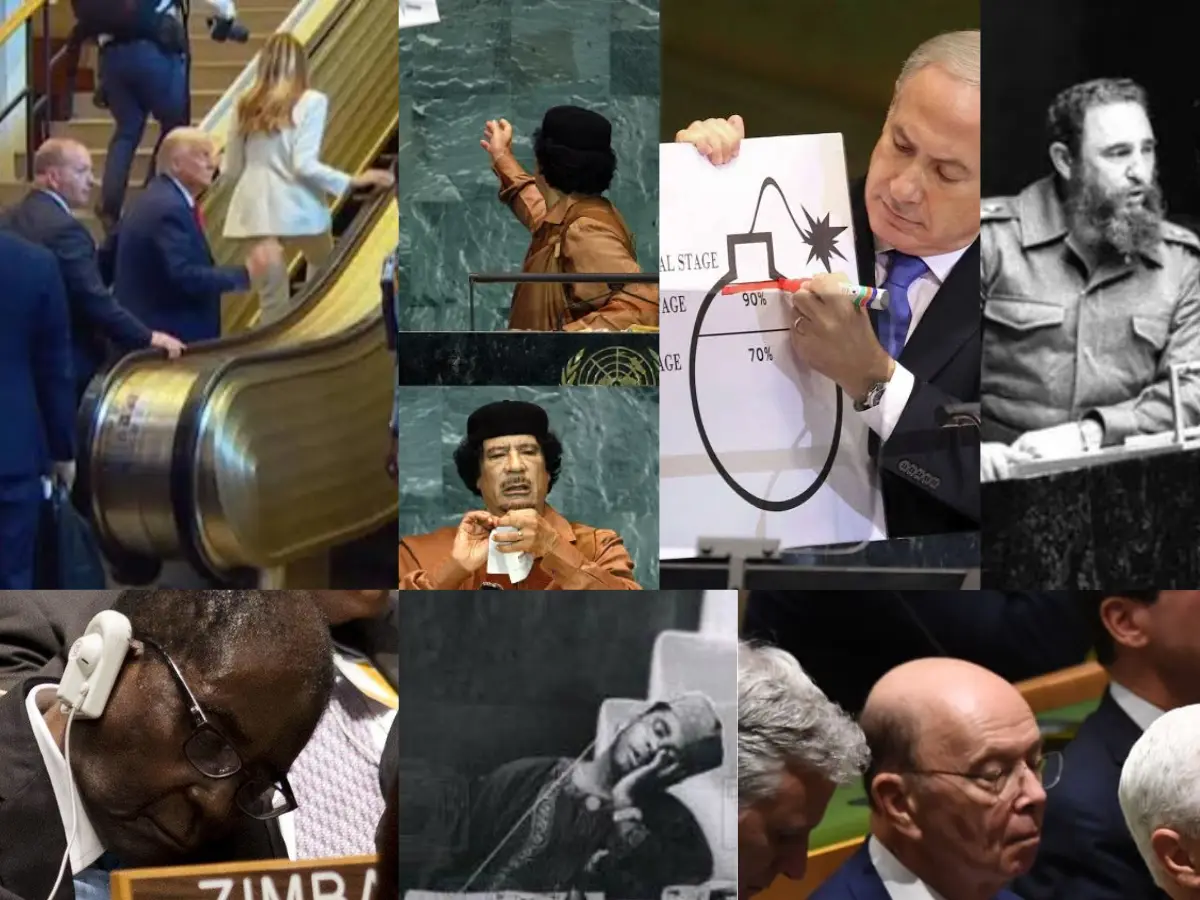)
From Gaddafi tearing up UN Charter to Trump’s ‘escalatorgate’: Most unforgettable UNGA moments
)
Explainer: Why rare-earth export licences and Board of Trade are US priorities ahead of Trump-Xi summit
)
Asia prepares for record El Nino, food shock
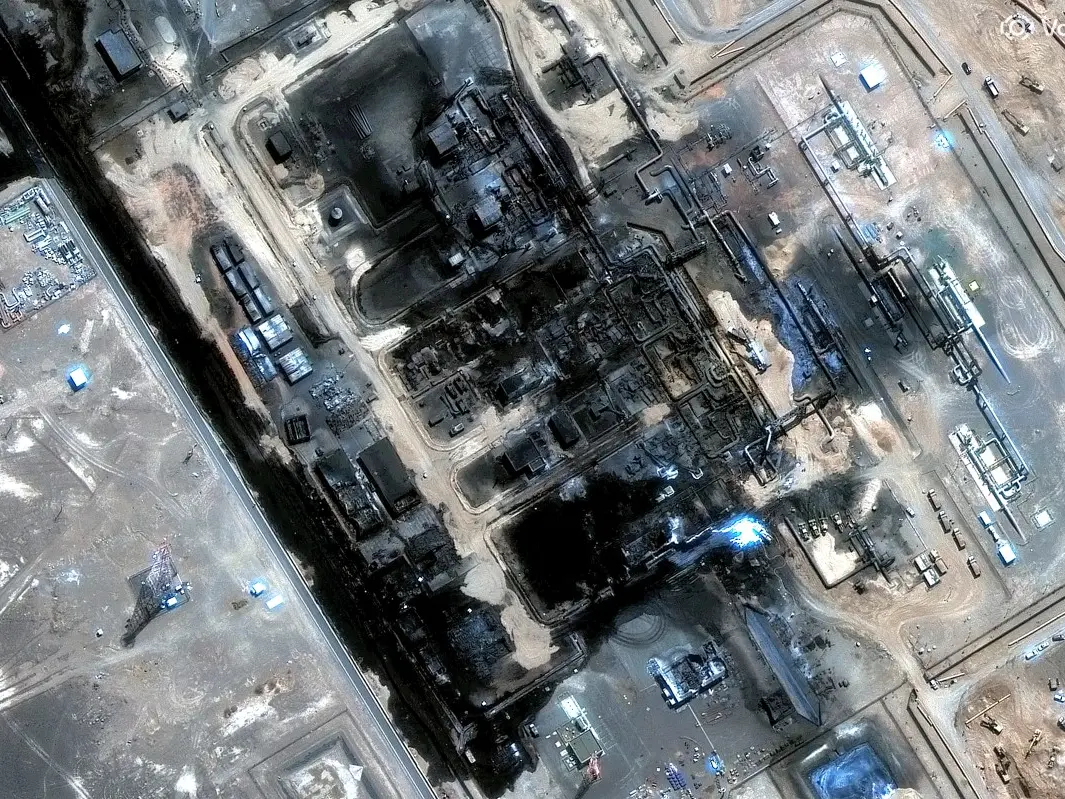)
Oil slips to $98 as Saudi Arabia restarts East-West oil pipeline
)
Four female students raped during 'Red Zone' at California university. What we know
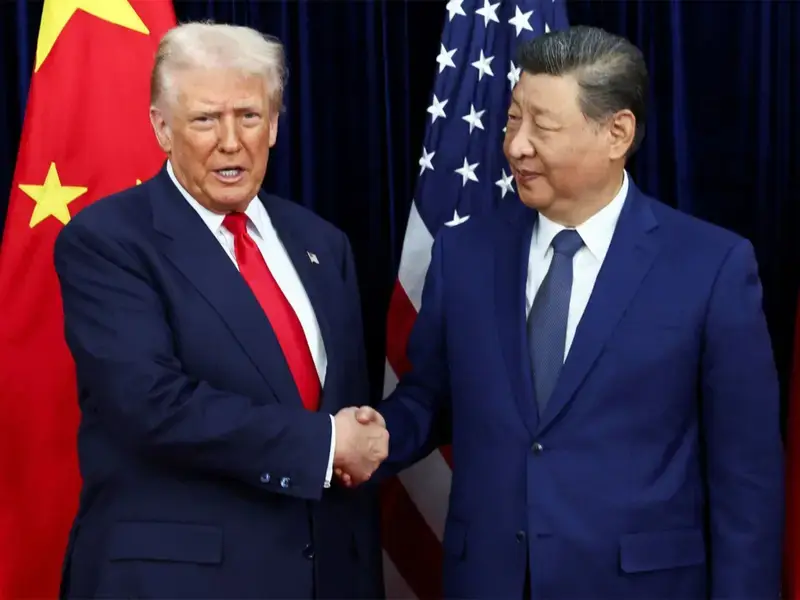)
'Taiwan and human rights are red lines': China warns US ahead of Xi-Trump visit
In Kyiv, SouthAfrica's President Cyril Ramaphosa on June 19 presented a 10-point peace plan of the African Peace Mission to end the war in Ukraine. Two days before, President Vladimir Putin told African leaders thatUkraine signed a peace treaty with Russia in the spring of 2022, then threw it into the 'garbage of history'. The war seems to be edging towards Russia by the end of the year, months after a Ukrainian counteroffensive to regain lost territories failed and the attention of the world was diverted towards the Israel-Hamas war.
In between, Bogota succeeded with a rescue operation of four indigenous children who had been missing for more than a month in the Colombian Amazon rainforest. Turkish capital Ankara witnessed the beginning of President Recep Tayyip Erdogan's third decade in power. All that while, West Asia witnessed a semblance of stability after the unprecedented restoration of ties between Riyadh and Tehran in March—which was shaken by the last quarter of 2023 when Hamas attacked southern Israel on October 7.
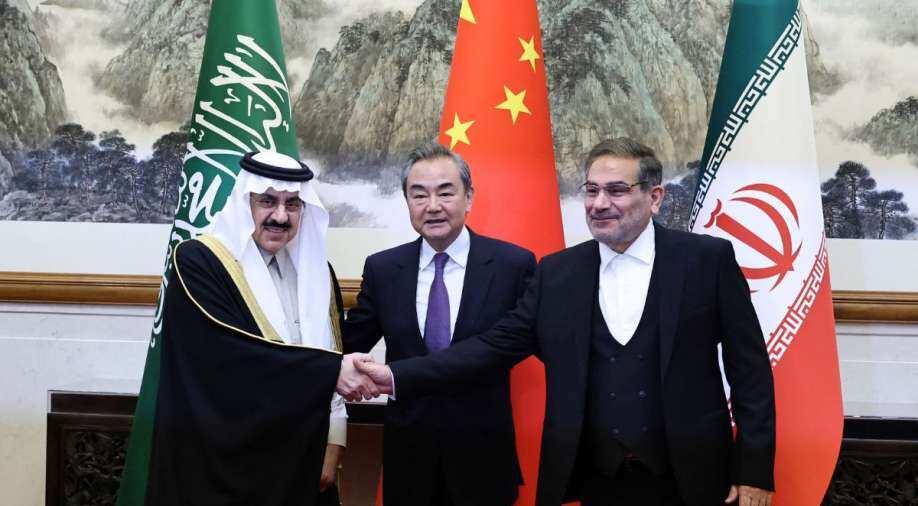 Chinese top diplomat Wang Yi (Centre), Ali Shamkhani (R), the secretary of Iran’s Supreme National Security Council, and Minister of State and national security adviser of Saudi Arabia Musaad bin Mohammed Al Aiban (L) in Beijing, China March 10, 2023 | AFP
But throughout 2023, New Delhi continued its emergence as a capital of significance.
In July, Tehran entered the Shanghai Cooperation Organisation, a Beijing-dominated and Moscow-fosteredclub of Central Asian 'stan' nations— at a summit hosted by New Delhi that turned virtual for no specified reason. The SCO summit cameless than four weeks after Modi received Washington's diplomatic niceties during a state visit that was described with 'unprecedented' adjectives.
In the same month, India's PM Modi and French President Emmanuel Macron watched French and Indian soldiers march down the tree-lined Champs-Elysees avenue in Paris, while French-made Rafale fighter jets India bought in 2015 took part in a fly-past over the Arc de Triomphe.
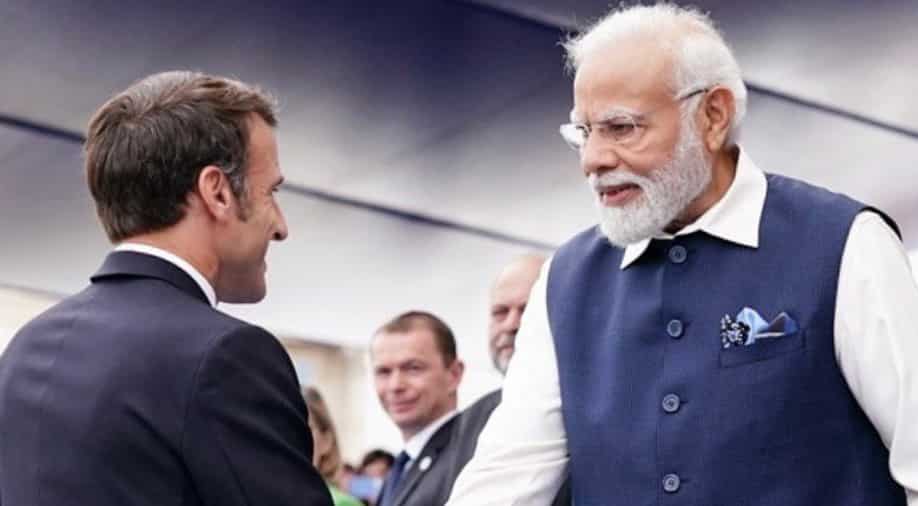
French President Emmanuel Macron meets India's Prime Minister Narendra Modi in Paris during Bastille Day Celebrations on July 14, 2023 | @EmmanuelMacron/Twitter
Also read |The Capitals: Delhi's 'defence' march with Paris, Kyiv fails its NATO admission for now, and more
New Delhi's pitch for 'reformed multilateralism' over concerns such as an unreformed UN Security Council, remained a recurring theme in the geopolitical discourse.
In an address ahead of the BRICS summit in August, South Africa's President Cyril Ramaphosa said in Johannesburg: "The United Nations Security Council must be transformed into a more inclusive, more effective body that is able to ensure peace and security."
On September 3rd, just a week before hosting the New Delhi G20 leaders summit, Prime Minister Narendra Modi in New Delhireiterated India's position on reformed multilateralism and the question of Security Council reforms.
"A mid-20th century approach cannot serve the world in the 21st century," Modi said.
A week later, the G20 New Delhi Leaders’ Declaration called for the need for "a more inclusive and reinvigorated multilateralism and reform aimed at implementing the 2030 agenda".
Besides, the absence of Russian President Vladimir Putin andChinese leader Xi Jinpingfrom New Delhi's G20 summit was widely described as a sign of impending floundering of India's stewardship of one of the world's most important geo-economic forums. But New Delhi proved the sceptics wrong, emerging as a capital of significance in accordance with its status as the world's fifth-largest economy.