Syrian govt and Kurdish forces reach deal on permanent truce, integration

&imwidth=600&imheight=450&format=webp&quality=medium "Syrian govt and Kurdish forces reach deal on permanent truce, integration")
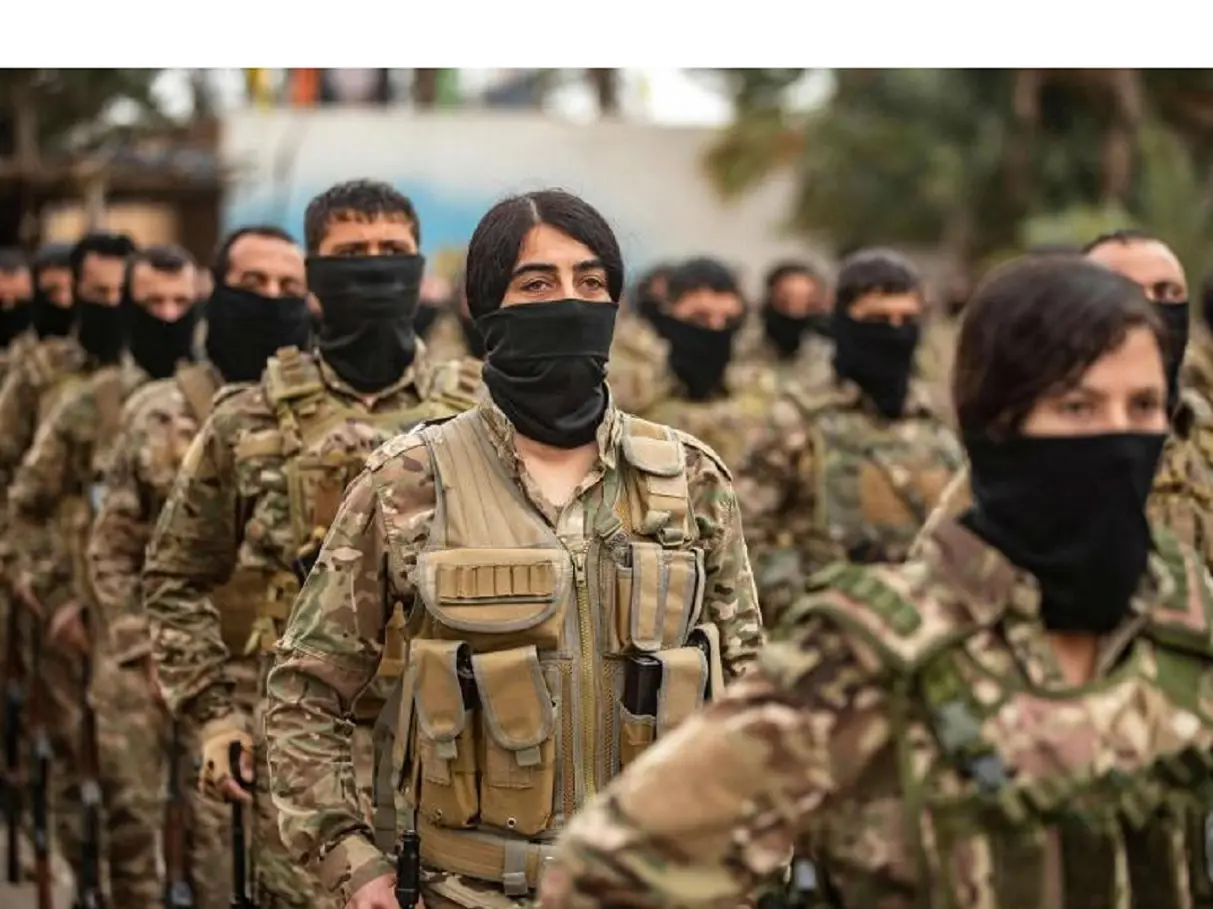
File photo of the Kurdish-led Syrian Democratic Forces’ fighters taking part in a military parade Photograph: (AFP)
The SDF previously controlled about a quarter of the country and all of its main oilfields. The agreement comes after the Syrian government forces swept through northeast Syria, aided by the Arab and tribal elements, shrinking the territory controlled by the SDF by about 80%.
The Syrian government and Kurdish-led forces reached an agreement on Friday to extend the ceasefire into a permanent truce and a framework to integrate Kurdish forces into state forces. The pact aims to resolve tensions between the two sides over the question of Kurdish autonomy in northeast Syria and paved the way for the Kurdish-led Syrian Democratic Forces (SDF) to join Syria’s new army through negotiations. The agreement is a big achievement for Damascus, which had been seeking to extend its control over the entirety of Syria’s territory, which for 14 years was carved up by competing militias and powers.
The SDF previously controlled about a quarter of the country and all of its main oilfields, constituting a significant challenge to the state’s rule.
Syrian govt forces swept through northeast Syria
The agreement materialised after the Syrian government forces swept through northeast Syria, aided by the Arab and tribal elements, shrinking the territory controlled by the SDF by about 80%.
Under the pact, both sides would pull their fighters back from the frontlines in northeast Syria, and government security forces would enter the cities of Hasakah and Qamishli, the strongholds of the Kurdish authority. The SDF would integrate into the army, and the Syrian state would absorb the civilian institutions of the Kurdish authority.
Trending Stories
&imwidth=280&imheight=210&format=webp&quality=medium)
&im=FitAndFill=(700,400)&imwidth=280&imheight=210&format=webp&quality=medium)
&im=FitAndFill=(700,400)&imwidth=280&imheight=210&format=webp&quality=medium)
&imwidth=280&imheight=210&format=webp&quality=medium)
&imwidth=280&imheight=210&format=webp&quality=medium)
&imwidth=280&imheight=210&format=webp&quality=medium)
&imwidth=280&imheight=210&format=webp&quality=medium)
&imwidth=280&imheight=210&format=webp&quality=medium)
&imwidth=280&imheight=210&format=webp&quality=medium)
&imwidth=280&imheight=210&format=webp&quality=medium)
&imwidth=280&imheight=210&format=webp&quality=medium)
&imwidth=280&imheight=210&format=webp&quality=medium)
&imwidth=280&imheight=210&format=webp&quality=medium)
&imwidth=280&imheight=210&format=webp&quality=medium)
&imwidth=280&imheight=210&format=webp&quality=medium)
&imwidth=280&imheight=210&format=webp&quality=medium)
&imwidth=280&imheight=210&format=webp&quality=medium)
&imwidth=280&imheight=210&format=webp&quality=medium)
&imwidth=280&imheight=210&format=webp&quality=medium)
&imwidth=280&imheight=210&format=webp&quality=medium)
&imwidth=280&imheight=210&format=webp&quality=medium)
&imwidth=280&imheight=210&format=webp&quality=medium)
&im=FitAndFill=(700,400)&imwidth=280&imheight=210&format=webp&quality=medium)
&imwidth=280&imheight=210&format=webp&quality=medium)
&imwidth=280&imheight=210&format=webp&quality=medium)
&imwidth=280&imheight=210&format=webp&quality=medium)
&imwidth=280&imheight=210&format=webp&quality=medium)
&imwidth=280&imheight=210&format=webp&quality=medium)
&imwidth=280&imheight=210&format=webp&quality=medium)
&imwidth=280&imheight=210&format=webp&quality=medium)
&imwidth=280&imheight=210&format=webp&quality=medium)
&imwidth=280&imheight=210&format=webp&quality=medium)
&imwidth=280&imheight=210&format=webp&quality=medium)
A new military brigade, including three SDF brigades, would be formed in the Syrian army, besides placing SDF fighters under government command in Aleppo.
The Kurdish authority has operated as a de facto autonomous zone for about a decade, with its own governing institutions and armed forces, but after the agreement, it would be replaced by unitary rule from Damascus.
Kurds are one of Syria’s largest ethnic minorities.
US special envoy Tom Barrack praises deal
The deal was praised by Tom Barrack, the US special envoy to Syria, who had been mediating between the two sides over the last two weeks to stave off a full-scale war. He called it a “profound and historic milestone”.
In a post on X, Barrack said, “This carefully negotiated step, building on earlier frameworks and recent efforts to de-escalate tensions, reflects a shared commitment to inclusion, mutual respect, and the collective dignity of all Syrian communities.”
The agreement was a result of intensive diplomacy from the US and France, which have good relations with both sides.
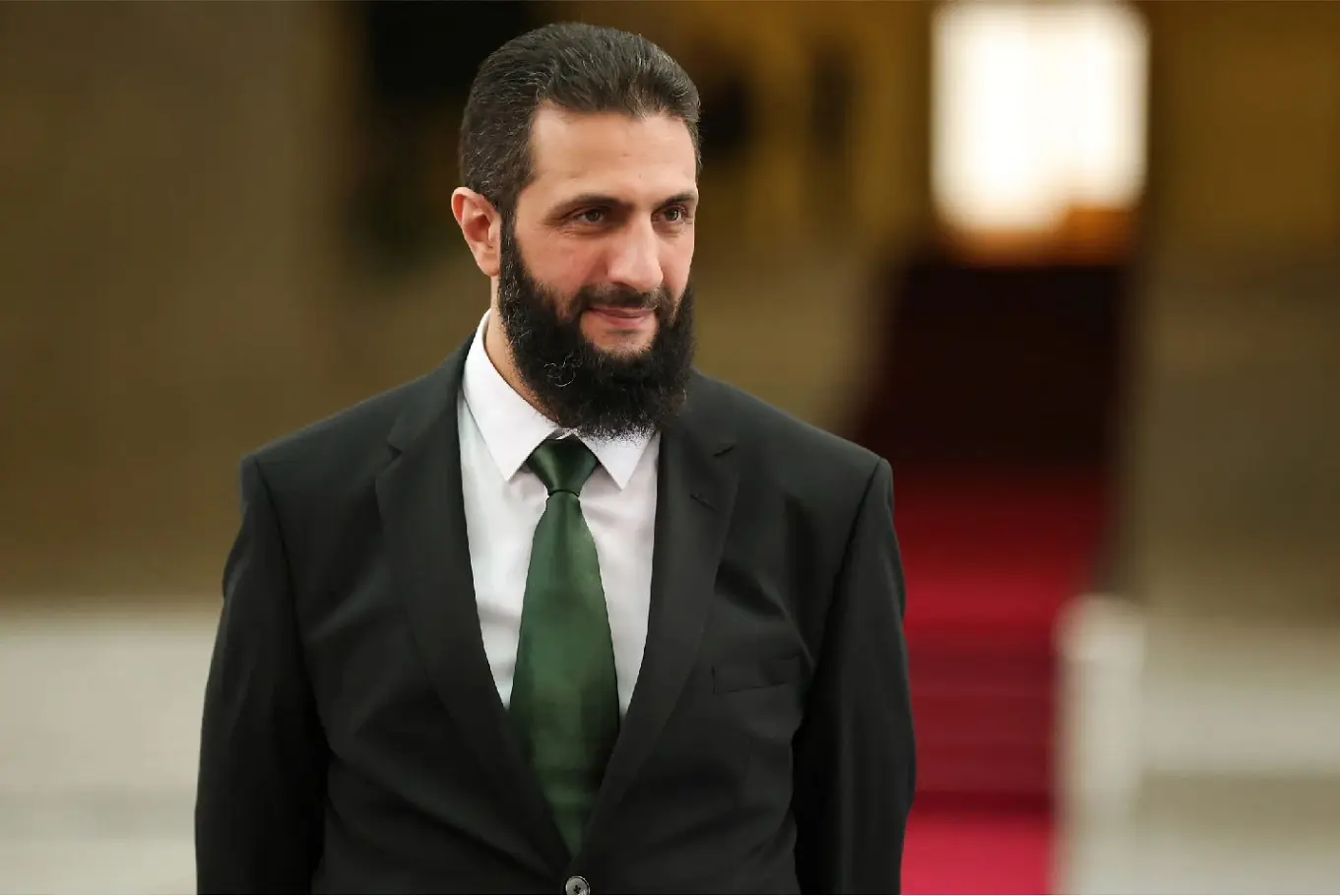
The development consolidates the leadership of interim President Ahmed al-Sharaa.