Strange times, stranger deals: Why Nvidia, AMD plan to give 15 per cent China revenue to Trump govt is as weird as it gets

&imwidth=600&imheight=450&format=webp&quality=medium "Strange times, stranger deals: Why Nvidia, AMD plan to give 15 per cent China revenue to Trump govt is as weird as it gets")
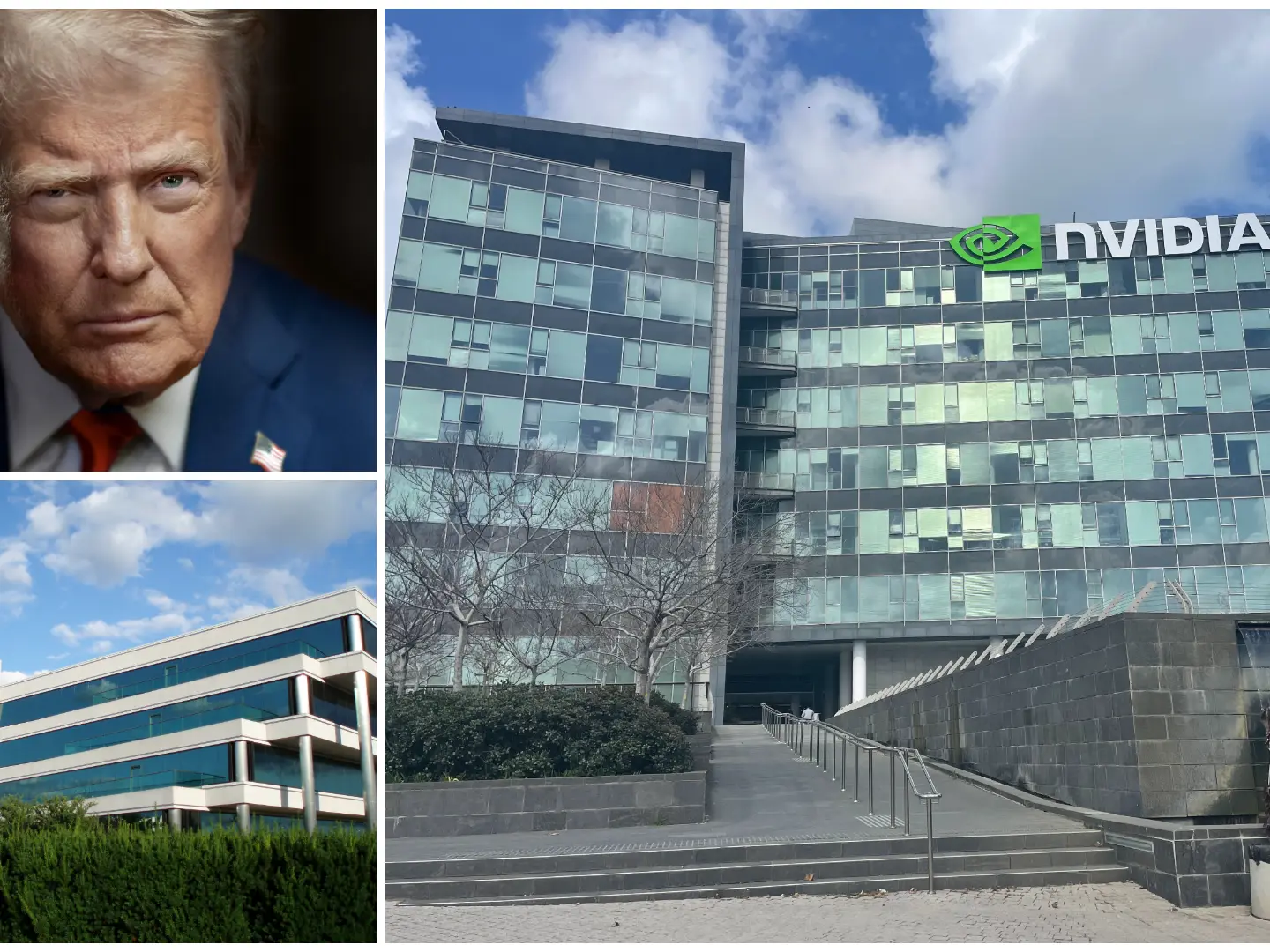
Nvidia, AMD buildings are shown here along with a file image of US President Trump Photograph: (Others)
The never-before deal will likely allow them to continue with China exports, a sort of "pay-to-play' arrangement in a legal grey zone.
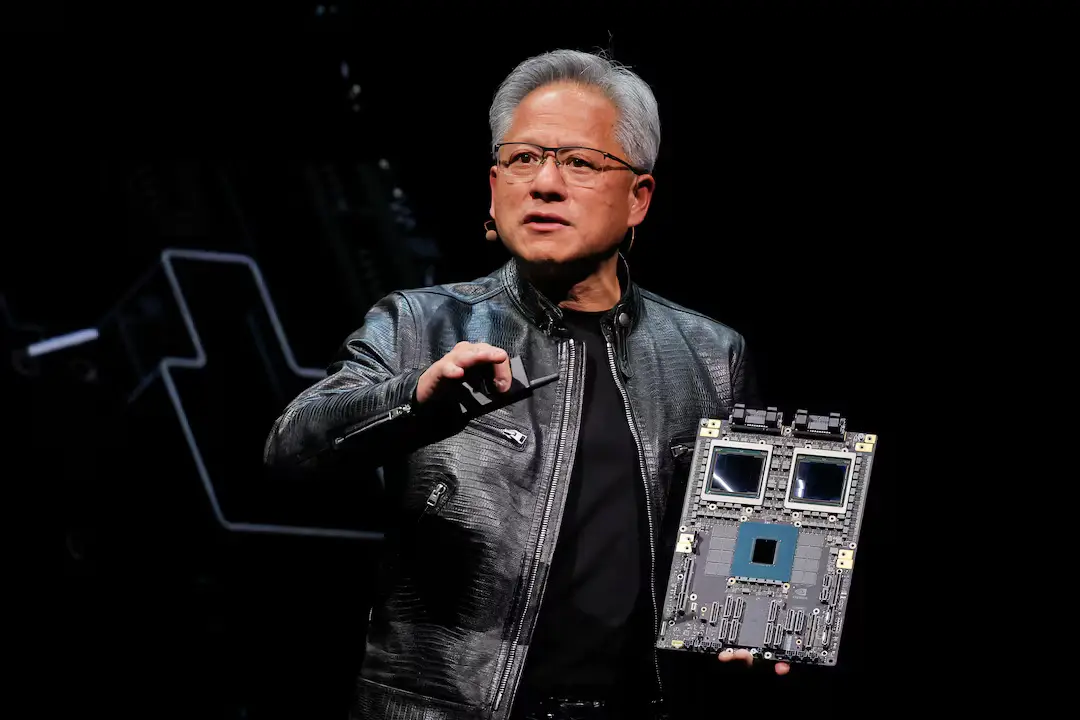
Nvidia and AMD, the leading American semiconductor firms, are reportedly going to hand over 15 per cent of their revenues from Artificial Intelligence chip sales from China to the US government. This is unprecedented if true, and is sure to stun both the business and political leaderships across the world. Why is it a strange deal? Find out below:
What's the 15 per cent revenue deal of Nvidia and AMD with US govt?
If media reports are to be believed, the chipmaking leaders will hand over 15 per cent of their China chip revenue to the US government. It's not a tax or a fine, but just a ‘deal’ to make sure they are allowed to keep selling certain AI chips to China.
That's important for them, because they desperately want to export to China, which the US government has been restricting.
The never-before deal will likely allow them to continue with China exports, a sort of "pay-to-play' arrangement in a legal grey zone.
Nvidia - AMD deal with US : Why is it strange?
This is an instance of the US government not just regulating but also profiteering. It’s going to take a cut of private business like a silent shareholder, something relatively unheard of in American capitalism.
Critics say the ‘arrangement’ looks more like a cash grab than a security safeguard.
Trending Stories
&imwidth=280&imheight=210&format=webp&quality=medium)
&im=FitAndFill=(700,400)&imwidth=280&imheight=210&format=webp&quality=medium)
&imwidth=280&imheight=210&format=webp&quality=medium)
&im=FitAndFill=(700,400)&imwidth=280&imheight=210&format=webp&quality=medium)
&imwidth=280&imheight=210&format=webp&quality=medium)
&imwidth=280&imheight=210&format=webp&quality=medium)
&imwidth=280&imheight=210&format=webp&quality=medium)
&imwidth=280&imheight=210&format=webp&quality=medium)
&imwidth=280&imheight=210&format=webp&quality=medium)
&imwidth=280&imheight=210&format=webp&quality=medium)
&imwidth=280&imheight=210&format=webp&quality=medium)
&imwidth=280&imheight=210&format=webp&quality=medium)
&imwidth=280&imheight=210&format=webp&quality=medium)
&imwidth=280&imheight=210&format=webp&quality=medium)
&imwidth=280&imheight=210&format=webp&quality=medium)
&imwidth=280&imheight=210&format=webp&quality=medium)
&imwidth=280&imheight=210&format=webp&quality=medium)
&imwidth=280&imheight=210&format=webp&quality=medium)
&imwidth=280&imheight=210&format=webp&quality=medium)
&imwidth=280&imheight=210&format=webp&quality=medium)
&imwidth=280&imheight=210&format=webp&quality=medium)
&imwidth=280&imheight=210&format=webp&quality=medium)
&im=FitAndFill=(700,400)&imwidth=280&imheight=210&format=webp&quality=medium)
&imwidth=280&imheight=210&format=webp&quality=medium)
&imwidth=280&imheight=210&format=webp&quality=medium)
&imwidth=280&imheight=210&format=webp&quality=medium)
&imwidth=280&imheight=210&format=webp&quality=medium)
&imwidth=280&imheight=210&format=webp&quality=medium)
&imwidth=280&imheight=210&format=webp&quality=medium)
&imwidth=280&imheight=210&format=webp&quality=medium)
&imwidth=280&imheight=210&format=webp&quality=medium)
&imwidth=280&imheight=210&format=webp&quality=medium)
&imwidth=280&imheight=210&format=webp&quality=medium)
&imwidth=280&imheight=210&format=webp&quality=medium)
This extra cost may be baked into the price of the chips, which might make Chinese buyers look elsewhere or speed up their own domestic chip production.
Nvidia-AMD payments: Is it a deal with Trump’s fingerprints?
The deal was reportedly hammered out during Donald Trump’s meetings with tech giants, with Nvidia’s CEO meeting the US president directly. The whole thing is causing questions of a “quid pro quo.”
Why Nvidia-AMD payment news is a dangerous new precedent
With the deal, Nvidia and AMD can potentially stay in the massive Chinese market, albeit with more red tape, higher compliance costs, and public and regulatory scrutiny.
For the US government, it is a way to make money off tech exports while keeping China in check.
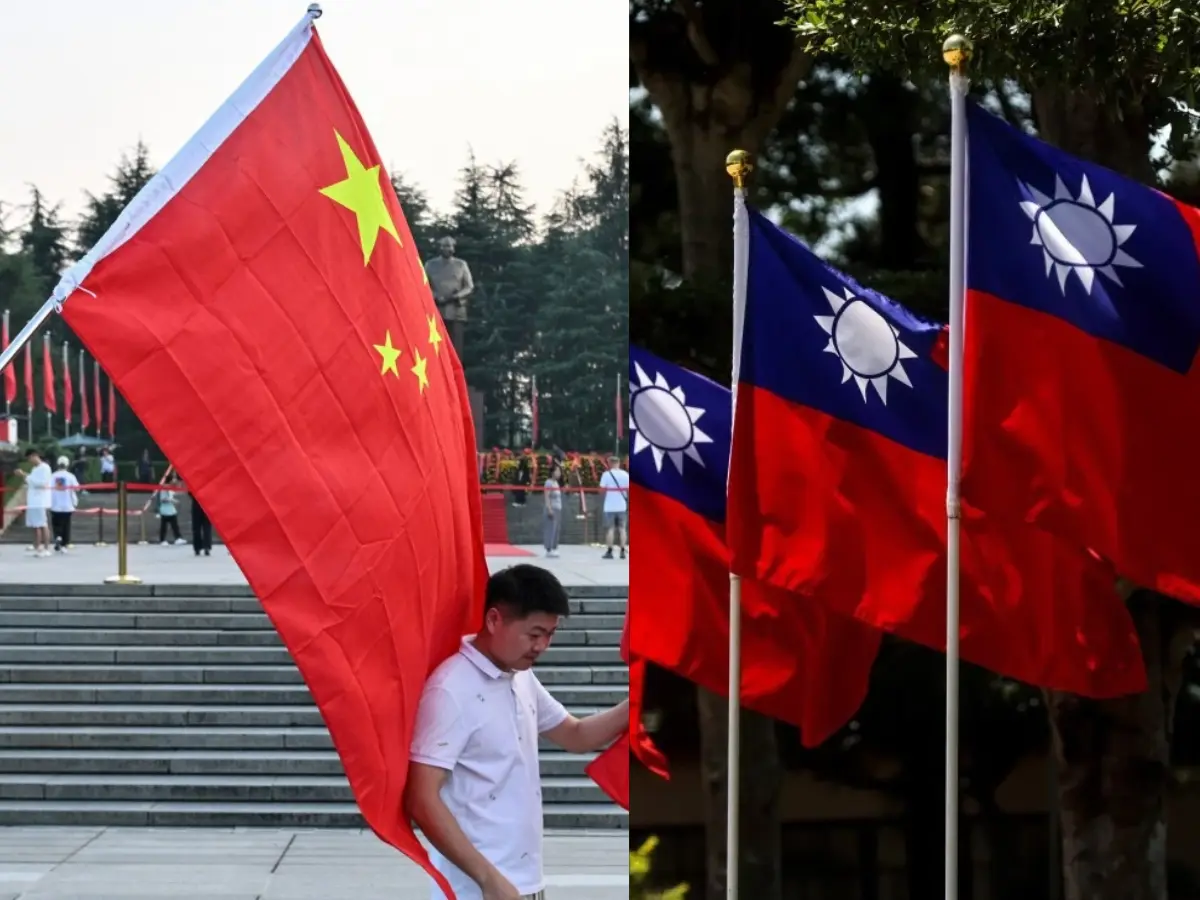
For China, the move could push it to double down on homegrown AI chip technology, cutting out US firms altogether in the future.
Other countries might also copy this model, thus turning the global tech industry in the age of AI into a battlefield of profit-sharing and protectionism.
Shakedown in a suit: Why the Nvidia-AMD China deal is raising fears
This 15 per cent deal isn’t just unusual, it’s a game-changer as the US government is acting like a business partner in private tech sales. Critics say it’s a shakedown in a suit, blurring the lines between national security and national profit, with some feeling it could even be unconstituional.