

&imwidth=800&imheight=600&format=webp&quality=medium "China calls Nvidia H20 chips unsafe, cites ‘backdoor’ concerns")
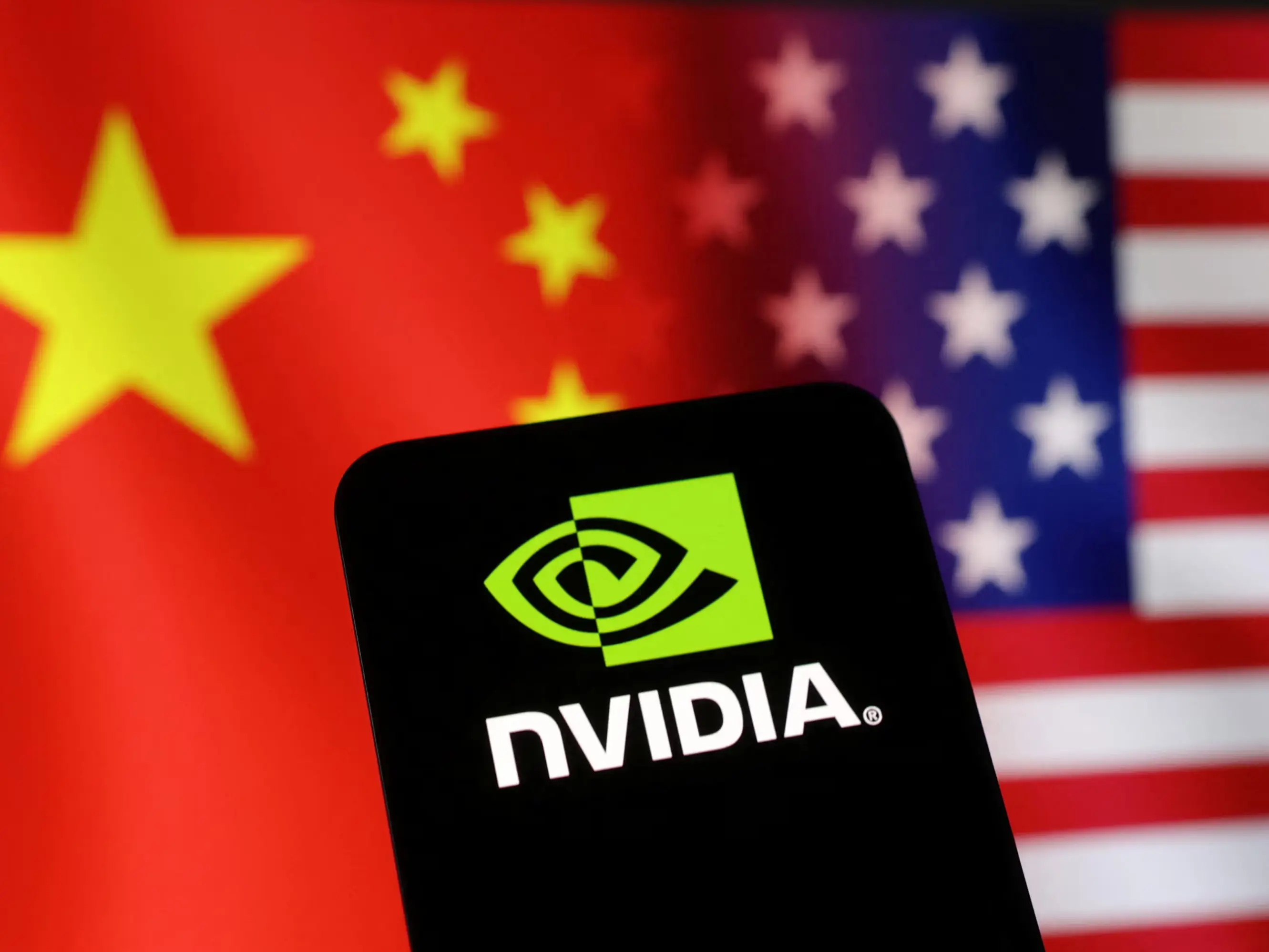
China has escalated its tech security battle with the United States, targeting Nvidia’s latest H20 artificial intelligence chips with claims they are unsafe, outdated and environmentally unfriendly. The sharp criticism, published by an account linked to state broadcaster CCTV, comes just weeks after Beijing formally summoned the US chipmaker over alleged “backdoor” access in its hardware.
The WeChat article from Yuyuan Tantian, a social media handle affiliated with CCTV, said the H20 chips were not advanced, not green, and not secure. It argued that Chinese consumers “have the option not to buy” products that fail on all three counts. The statement builds on earlier criticism from People’s Daily, the Communist Party’s flagship paper, which demanded “convincing security proofs” from Nvidia to restore market trust. As per Reuters, this is the latest in a string of warnings from Beijing against foreign tech suppliers amid tightening controls over critical digital infrastructure.
The ‘backdoor’ allegation
China’s cyberspace watchdog met Nvidia executives on 31 July to question whether the H20 chips contained any hardware “backdoor," a hidden method to bypass normal authentication or security controls. State media claims such access could enable functions like remote shutdown of the hardware.
Nvidia, in response, said its products contain no such backdoors and do not allow remote access or control.
The US–China chip flashpoint
Trending Stories
&imwidth=180&imheight=135&format=webp&quality=medium)
Other Mommy leads North American box Office as Verity, Resident Evil round out top four
&im=FitAndFill=(700,400)&imwidth=180&imheight=135&format=webp&quality=medium)
Navratri 2026: 9 days, 9 forms of Goddess Durga and 9 colours- Check the complete list
&im=FitAndFill=(700,400)&imwidth=180&imheight=135&format=webp&quality=medium)
Is sending robots to Mars easier than sending humans?
&imwidth=180&imheight=135&format=webp&quality=medium)
A watchdog rated 'ChatGPT for Teens' an unacceptable risk and says keep under-18s off it
&imwidth=180&imheight=135&format=webp&quality=medium)
1,500 drones illuminate Mumbai sky as Cordelia Cruises unveils second ship, Cordelia Sky
&imwidth=180&imheight=135&format=webp&quality=medium)
'Just coincidence': Police mistakes protester as AISA chief Neha Bora, arrests her from site
&imwidth=180&imheight=135&format=webp&quality=medium)
Anthropic's AI invented a murder witness and sent the fake tip to Philadelphia police
&imwidth=180&imheight=135&format=webp&quality=medium)
CJI Surya Kant declines INDIA bloc leaders’ request for meeting ahead of march to SC, asks them to file petition
&imwidth=180&imheight=135&format=webp&quality=medium)
'Turn approver, resign, we'll forgive you': Rahul Gandhi claims receiving messages from CEC Gyanesh Kumar
&imwidth=180&imheight=135&format=webp&quality=medium)
One Indian killed in Riyadh airport attack; 11 others injured : MEA
&imwidth=180&imheight=135&format=webp&quality=medium)
Top AI models flunked a test of inventing new AI research, so much for self-improving AI
&imwidth=180&imheight=135&format=webp&quality=medium)
Wasim Jaffer blames Ajit Agarkar-led selection panel for Virat Kohli’s Test retirement
&imwidth=180&imheight=135&format=webp&quality=medium)
'Ouch!!! That must hurt': Kangana Ranaut hails Kamal Haasan's sharp reply to Elon Musk over Starlink row
&imwidth=180&imheight=135&format=webp&quality=medium)
Sidhu Moose Wala’s younger brother wins hearts by recreating late singer’s signature move at Toronto Hologram Show
&imwidth=180&imheight=135&format=webp&quality=medium)
Meta's Muse AI could be a security nightmare for India's billion-plus users
&imwidth=180&imheight=135&format=webp&quality=medium)
UK school ditches technology, shifts from screen to pen and paper for learning
&imwidth=180&imheight=135&format=webp&quality=medium)
IND vs WI, 3rd T20I: Abhishek Sharma smashes 18-ball fifty, sets record for fastest to 2,000 T20I runs
&imwidth=180&imheight=135&format=webp&quality=medium)
Prince Harry and Meghan Markle to spend Christmas away from royal family
&imwidth=180&imheight=135&format=webp&quality=medium)
Houthis claim Riyadh airport attacks, Aramco strikes; issue fresh warning to airlines, travellers and workers
&imwidth=180&imheight=135&format=webp&quality=medium)
Portugal Federation confirms Cristiano Ronaldo’s return to national team despite suspension
&imwidth=180&imheight=135&format=webp&quality=medium)
Delhi protests: 'Court should not be dragged into political activity', says CJI Surya Kant
&im=FitAndFill=(700,400)&imwidth=180&imheight=135&format=webp&quality=medium)
New OTT releases this week (October 12-18, 2026): Sacrifice, Koffee with Karan S9, Roadies Rebirth- 6 titles coming on Netflix, JioHotstar and more
&imwidth=180&imheight=135&format=webp&quality=medium)
Microsoft's Nadella says treat every AI model as already hacked, and build an 'emergency brake'
&imwidth=180&imheight=135&format=webp&quality=medium)
Delhi protest: CJI Surya Kant declines to meet India Bloc leaders
&imwidth=180&imheight=135&format=webp&quality=medium)
Telangana man allegedly recruited into Russian military dies near Ukraine border
&imwidth=180&imheight=135&format=webp&quality=medium)
China imposes first-ever sanctions on ministers from Taiwan allies: What this means
&imwidth=180&imheight=135&format=webp&quality=medium)
McSweeney reveals how studying Virat Kohli’s YouTube clips helped Australia A conquer India
&imwidth=180&imheight=135&format=webp&quality=medium)
Maharashtra appoints FDA commissioner Tukaram Mundhe as secretary of committee for MPSC overhaul amid stir
&imwidth=180&imheight=135&format=webp&quality=medium)
Iran: US accepted some conditions, Clarity needed on others
&imwidth=180&imheight=135&format=webp&quality=medium)
Nana Patekar's cause of death confirmed; here's what his postmortem report says
&imwidth=180&imheight=135&format=webp&quality=medium)
iPhone Duo price index: Tracking Apple’s latest pricing trends
&imwidth=180&imheight=135&format=webp&quality=medium)
'Say no to Muse': Meta has no control over its own moderation AI while it forces a security nightmare on everyone
&imwidth=180&imheight=135&format=webp&quality=medium)
Delhi wakes up to heavy rain, thunderstorms; yellow alert in place; temperature drops
The H20 is one of several chips Nvidia designed specifically for China after the US imposed sweeping AI chip export restrictions in late 2023. The administration of President Donald Trump initially banned H20 sales in April 2025 amid rising trade tensions, but later reversed the decision in July to allow limited exports.
The chip has since faced scepticism in China, not just over security risks, but also its performance. Analysts note that the H20 is less powerful than Nvidia’s top global AI chips due to US export rules, potentially limiting its adoption in China’s rapidly evolving AI sector.
What this means for the tech war?
Security claims against Nvidia fit into a broader pattern of mutual distrust between Washington and Beijing over semiconductors — the backbone of artificial intelligence, cloud computing, and military systems.
While the US accuses China of technology theft and national security risks from its hardware, Beijing is now mirroring those arguments, scrutinising American chips for possible vulnerabilities. If Chinese buyers shun the H20, Nvidia risks losing a major share of one of its biggest international markets.
(With inputs from the agencies)