Sept. 11 prosecutors are in plea talks that could avert a death penalty trial


Khalid Shaikh Mohammed, the accused mastermind of the Sept. 11, 2001 attacks
Prosecutors have opened talks with lawyers for Khalid Sheikh Mohammed, the accused mastermind of the Sept. 11, 2001, attacks, and his four co-defendants to negotiate a potential plea agreement that would drop the possibility of execution, according to people with knowledge of the discussions.
Guilty pleas in exchange for life sentences could bring to an end the long-running case at the war court, which was set up by the George W. Bush administration and has been mired in pretrial proceedings focusing on the CIA’s torture of the defendants. Nearly a decade after the men were arraigned, the military judge has set no trial start date.
No deal is expected soon. But guilty pleas resulting in life sentences could force the Biden administration to modify its ambition of ending detention operations at Guantánamo Bay and instead rebrand it as a military prison for a few men.

In an earlier, failed attempt at such talks during the Trump administration, the accused plotters demanded that they serve their sentences at Guantánamo, where they are able to pray and eat in groups. They specifically did not want to be sent to the supermax prison in Florence, Colorado, where federal inmates are held in solitary confinement up to 23 hours a day.
The five men are accused of directing and training or providing travel arrangements and money to the 19 hijackers who crashed four commercial aircraft into the World Trade Center, the Pentagon and a field in Pennsylvania, killing nearly 3,000 people.
A plea deal would undoubtedly disappoint, if not enrage, death penalty advocates among the victims’ family members. But other family members, including those troubled by the role of U.S. torture in the case and the delays, might see it as a fitting conclusion.
)
IND vs JPN one-off T20I: India survive scare from Japan to win five-over a side match by 2 runs
)
Putin's United Russia party wins 355 seats in Duma election; 4 other parties cross threshold to enter parliament
)
AI models chose to harm humans to stop ‘pain,’ alarming study raises fresh safety questions
)
‘0% chance’: Nvidia CEO Jensen Huang dismisses AI extinction fears by 2030
)
Samay Raina-Mukesh Chhabra controversy explained: What happened over girlfriend joke on India's Got Latent?
)
Trump's helipad event overshadowed by audio failure as major TV networks suspend pool coverage
)
'Needs time away from the international scene': England white-ball captain Brook on pacer Brydon Carse's future
)
New Zealand farms shift to carbon forests: Carbon credits fuel a land rush reshaping rural life
)
Anti-AI activists storm summit, say 'incompetent' leaders are leading us into a disaster - 'We need a vote'
)
Samsung raises Galaxy S26 prices by Rs 20,000: Here’s what each model now costs
)
J&K Assembly Session begins amid chaos: BJP, ruling alliance clash as statehood demand dominates
)
Asian Games 2026: India women's cricket team beats Sri Lanka by 147 runs for first gold
)
Key accused in Bihar's Jamui molestation case, arrested after police shoot him in leg
)
Randeep Hooda arrives in Gujarat for his first National Film Award: ‘Very grateful’
)
US and China vie for AI dominance as calls grow for regulation | Gravitas
&im=FitAndFill=(700,400))
Anant Nag to recieve Dadasaheb Phalke Award: From Ankur to Nishant- Revisit his best films and iconic performances on OTT
)
FIFA chief Infantino wants to reform governing body with consultation from federations
)
The Verdict | The Mecca Agreement is under scrutiny as Houthis attack Saudis
)
India at UNGA81: Jaishankar warns global order under 'growing stress', pushes for ‘reformed multilateralism’
)
Raaka creates history! Allu Arjun’s film secures Guinness World Record ahead of release
)
Saudi Arabia exits China-led mBridge digital currency platform amid Saudi-Houthi conflict
)
'Lot of things to learn from experienced players': Jayasuriya backs Rohit, Virat for 2027 ODI World Cup
)
$110 billion Warner Bros merger: Paramount reaches settlement with 12 US states
&im=FitAndFill=(700,400))
New OTT releases this week (September 21-27, 2026): Shaque: Trust No One, Hunkkaar, Don’t Be Shy- 5 new titles coming to Netflix, Prime Video and more
)
From ‘communist’ to ‘great mayor’: Trump praises Mamdani after New York meeting, discusses immigration and housing
)
Report: Zelensky meets CIA chief Ratcliffe at Shannon airport, weeks after his secret Moscow trip
)
How Zaheer Khan came to be CSK's head coach of IPL 2027
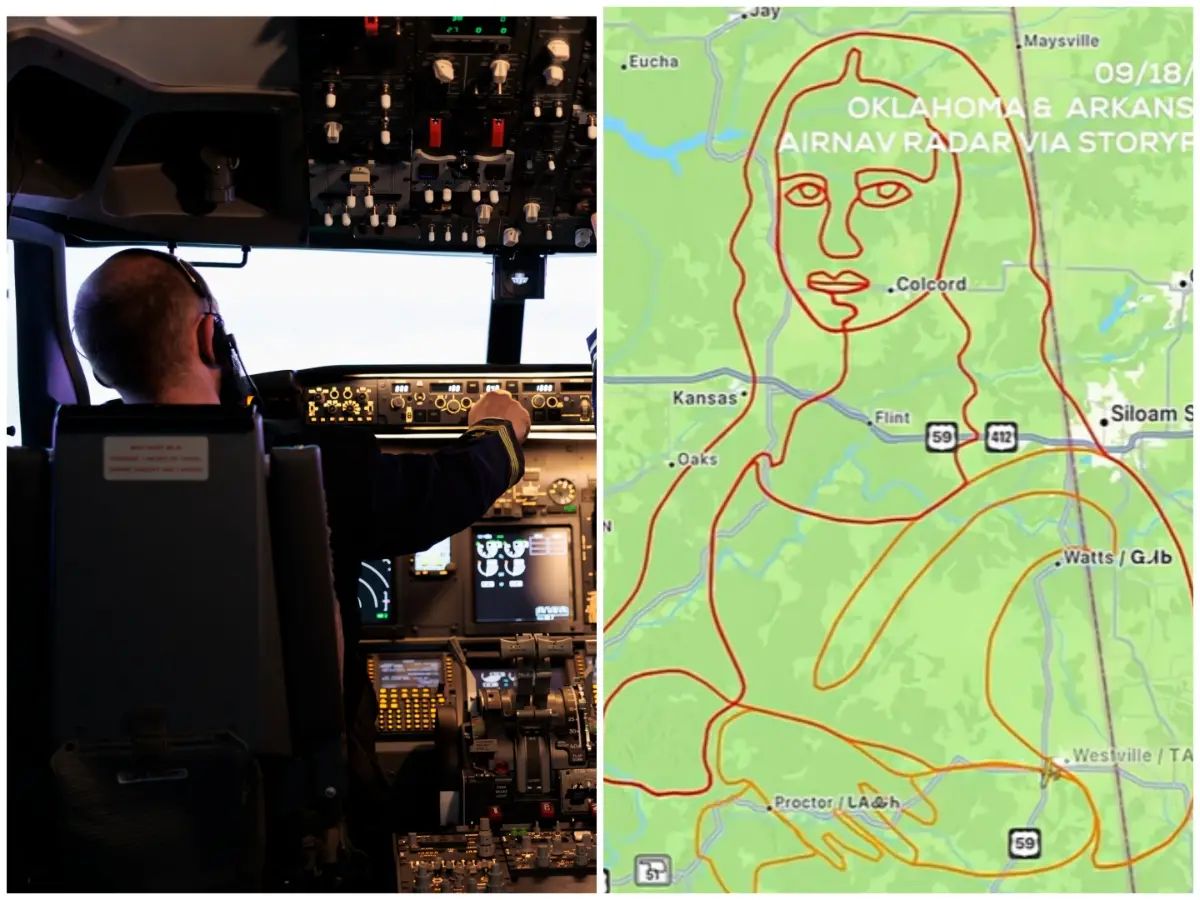)
Pilot recreates Mona Lisa in sky over Oklahoma and Arkansas in four-hour flight: VIDEO
)
UK PM Burnham agrees to 'defensive' military support for Saudi Arabia against Houthis
)
Jailer 2: Vidya Balan joins Rajinikanth's upcoming film as Kantha | Watch
)
Microsoft executive called AI training the ‘largest theft of labour in human history’
)
40-foot waves crash into cruise ship in dangerous stretch near Antarctica. Watch
)
US-Iran war, peace deals and more: What to expect from Trump's UNGA 2026 speech
)
Explainer: Why rare-earth export licences and Board of Trade are US priorities ahead of Trump-Xi summit
)
BTS fans mock iHeartRadio’s day 2 turnout after short set controversy
)
Two infants die after fire breaks out at RIMS newborn care unit in Telangana's Adilabad
The path to a trial for the accused plotters of the worst terrorist attack in the United States has been impeded by legal and logistic challenges as well as a nearly two-year closure of the court during the coronavirus pandemic.
The discussions began last week amid the latest setback. The judge, defense and prosecution teams had travelled to Guantánamo Bay for three weeks of hearings meant to address disputes over evidence, particularly showing the role of the FBI in the CIA prison network where Mohammed and his co-defendants were tortured after they were captured in Pakistan in 2002 and 2003.
But before they could start, Cheryl Bormann, the lead lawyer for one of the defendants, Walid bin Attash, asked to step down from the case. She cited an unspecified in-house investigation of her “performance and conduct” by the chief defense counsel, Brig. Gen. Jackie L. Thompson Jr. of the Army.
No details were given. But the issue forced a delay in hearings that could stretch for months and provided an opening, according to a participant in the talks between the prosecution and the defense.
A lead case prosecutor, Clayton G. Trivett Jr., wrote on Wednesday to the defense teams proposing that they discuss “whether pretrial agreements are possible for all five cases.”
“While I cannot guarantee that we will come to terms over these next two weeks,” Trivett said in an email, “putting a concerted effort focused solely on possible agreements while we are all onboard Guantánamo, where your clients and teams are present, may be our best chance of at least determining if deals can be reached.”
Within days, the five defendants and their lawyers met in the courtroom to compile an initial list of requirements for the guilty plea, starting with removing the death penalty from the case. Lawyers for the five men submitted a joint list on Monday, participants said.
Although the prosecutors have begun the negotiations, a senior Pentagon official known as the convening authority must approve any deal. That role is currently held by Col. Jeffrey D. Wood of the Arkansas National Guard, who is also a lawyer in Little Rock, Arkansas, and was appointed to the civilian job by the Trump administration. Participants said the talks were expected to continue through the month to try to reach some understandings to present to Wood.
The interim chief prosecutor, Col. George C. Kraehe of the Army, declined to comment, as did the chief defense counsel, Thompson.
A core issue is how many of the defendants besides Mohammed would serve life sentences without the possibility of parole and whether some of the accused accomplices with lesser roles in the attacks would serve shorter sentences. Lawyers for two defendants — a Saudi prisoner, Mustafa al-Hawsawi, and a Pakistani national, Ammar al-Baluchi, who is Mohammed’s nephew — have described them as ignorant of the Sept. 11 plot when they helped some of the hijackers with money transfers and travel arrangements from the United Arab Emirates.
Psychologists conducting interrogations for the CIA waterboarded Mohammed 183 times; defense lawyers have pursued an overarching theory that because of its actions, the U.S. government lost the moral and legal authority to execute the defendants. Agents also kept the five defendants nude, beat them, strung them up by their arms in chains and subjected them to rectal abuse and sleep deprivation during the three and four years they were held in the so-called CIA black sites before their transfer to Guantánamo in 2006.
As part of any plea agreement, the defendants would have to work with prosecutors, through their lawyers, on individual lengthy narratives known as a stipulation of fact — essentially a prosecution-approved admission of their crimes.
Once signed, the men could be brought to court for questioning by the trial judge, Col. Matthew N. McCall of the Air Force, on whether they cooperated willingly with the process. Under war court law, military juries — not judges — sentence defendants who plead guilty, generally from a range set in the plea agreement. The Pentagon would need to assemble a jury of U.S. officers to hear the statements and other presentations by both sides and then issue sentences, even if they are separately capped in secret pretrial agreements. That portion could span months.
People familiar with the talks said a military jury’s recent reaction to descriptions of CIA torture of another prisoner in a lesser-known case might have contributed to the willingness of prosecutors to negotiate.
In October, the jury condemned as “a stain on the moral fiber of America” the agency’s cruel treatment of Majid Khan, a confessed courier for al-Qaida, and urged the overseer of military commissions to grant clemency.

