Saudi Arabia exits China-led mBridge digital currency platform amid Saudi-Houthi conflict

&imwidth=600&imheight=450&format=webp&quality=medium "Saudi Arabia exits China-led mBridge digital currency platform amid Saudi-Houthi conflict")
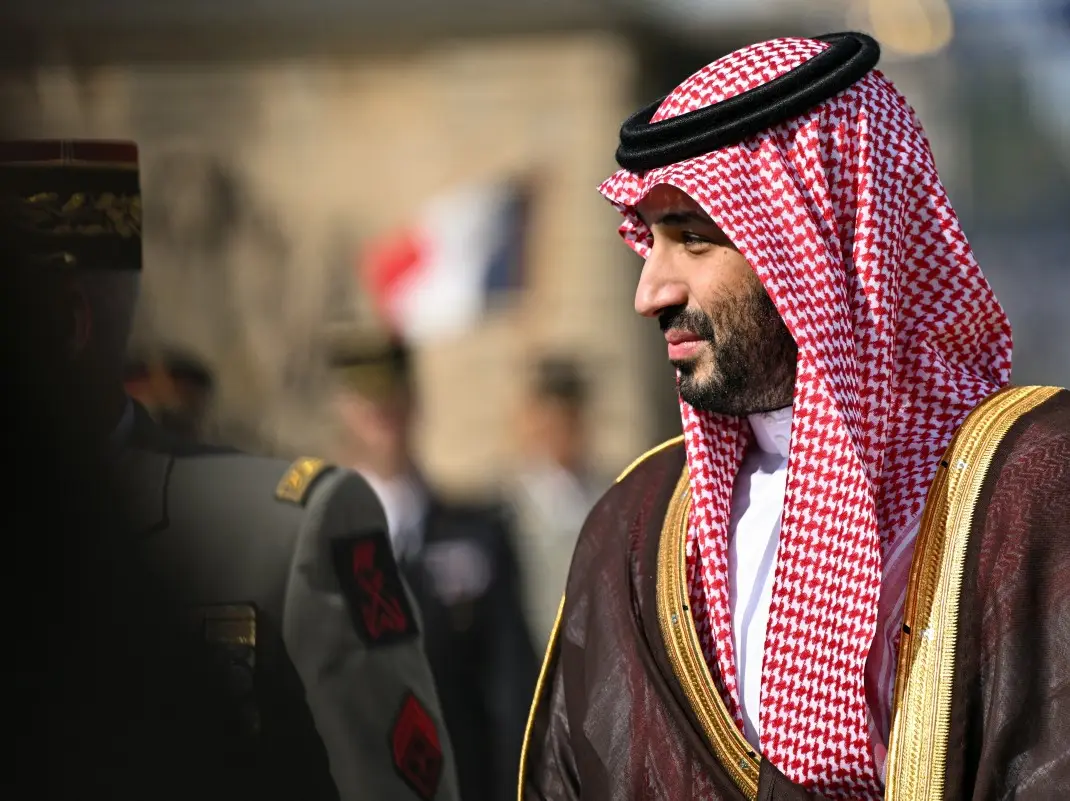
Saudi Arabia's Crown Prince Mohammed bin Salman Photograph: (AFP)
Saudi Arabia has withdrawn from China-led mBridge after completing its proof-of-concept phase, amid US concerns over alternatives to dollar-based payments.
Saudi Arabia has withdrawn from the China-led digital currency platform Project mBridge aimed at facilitating cross-border payments outside the US dollar, the Financial Times reported. The Saudi Central Bank, SAMA, confirmed that it ceased its participation after the formal completion of the proof-of-concept phase on May 13, 2025.
Riyadh said that the withdrawl from Mbridge was part of its original plan. The platform Mbridge had drawn intense scrutiny from Washington over concerns it could help countries bypass traditional Western payment networks like SWIFT. Riyadh did not clarify if the decision to withdraw had anything to do with US pressure.
The Financial Times report quoted Cornell University professor and Brookings senior fellow Eswar Prasad, suggesting that US allies are facing a delicate geopolitical balancing act while exploring projects like mBridge. They view these initiatives as highly beneficial for their domestic economies. These nations remain "acutely sensitive to US pushback against initiatives seen as potentially reducing the dollar's importance and, even worse, boosting the Chinese renminbi's role in international finance."
Saudi Arabia joined mBridge in 2024 with China, Hong Kong, Thailand, the United Arab Emirates and the Bank for International Settlements. The platform uses blockchain technology that allows central banks to make transactions directly via digital currencies, which could reduce transaction costs and offer them a tangible infrastructure to reduce excessive dependence on the traditional, US dollar-dominated global financial system. This was especially evident since the US froze $300 billion worth of Russian assets, roughly the size of Pakistan's economy, and blocked it out of the US financial system since its war on Ukraine in 2022. Other nations became wary of the possibility of similar retalliation if they did not concur with US foreign policies or financial interests.
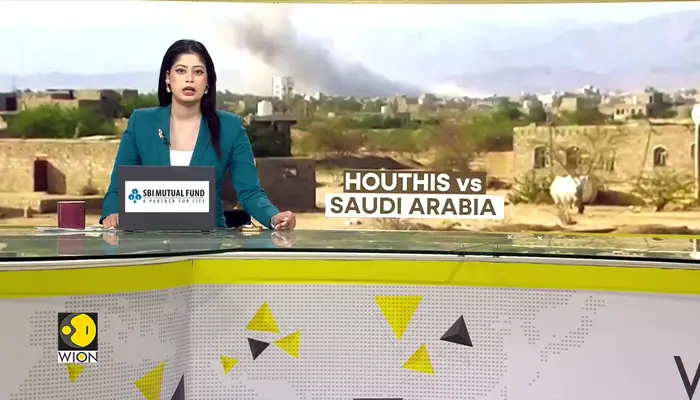
The report emerged as Houthis have launched an extensive offensive against the Kingdom of Saudi Arabia and made significant gains in the vital trade choke point of Bab al-Mandeb. Saudi Crown Prince Mohammed bin Salman reportedly contacted US President Donald Trump twice in rapid succession to request urgent American air operations against advancing Houthi forces. The US denied the requests for direct military strikes, choosing instead to offer only intelligence and targeting assistance. Meanwhile, US officials and Houthi representatives held a confidential meeting in Muscat, Oman. The Houthis assured Washington that US-linked shipping would not be targeted and that they would abide by the pre-existing 2025 ceasefire limits on the condition that the US stays out of the Saudi-led conflict.
Trending Stories
)
)
)
&im=FitAndFill=(700,400))
)
)
)
)
)
)
)
)
)
)
)
)
)
)
)
)
)
)
)
)
)
)
)
)
)
)
)
)
&im=FitAndFill=(700,400))
)
)
)
&im=FitAndFill=(700,400))
)