Saudi Arabia accuses Houthis of drone attack on Mecca, first-ever red alert in Islam's holiest site sparks panic

&imwidth=600&imheight=450&format=webp&quality=medium "Saudi Arabia accuses Houthis of drone attack on Mecca, first-ever red alert in Islam's holiest site sparks panic")
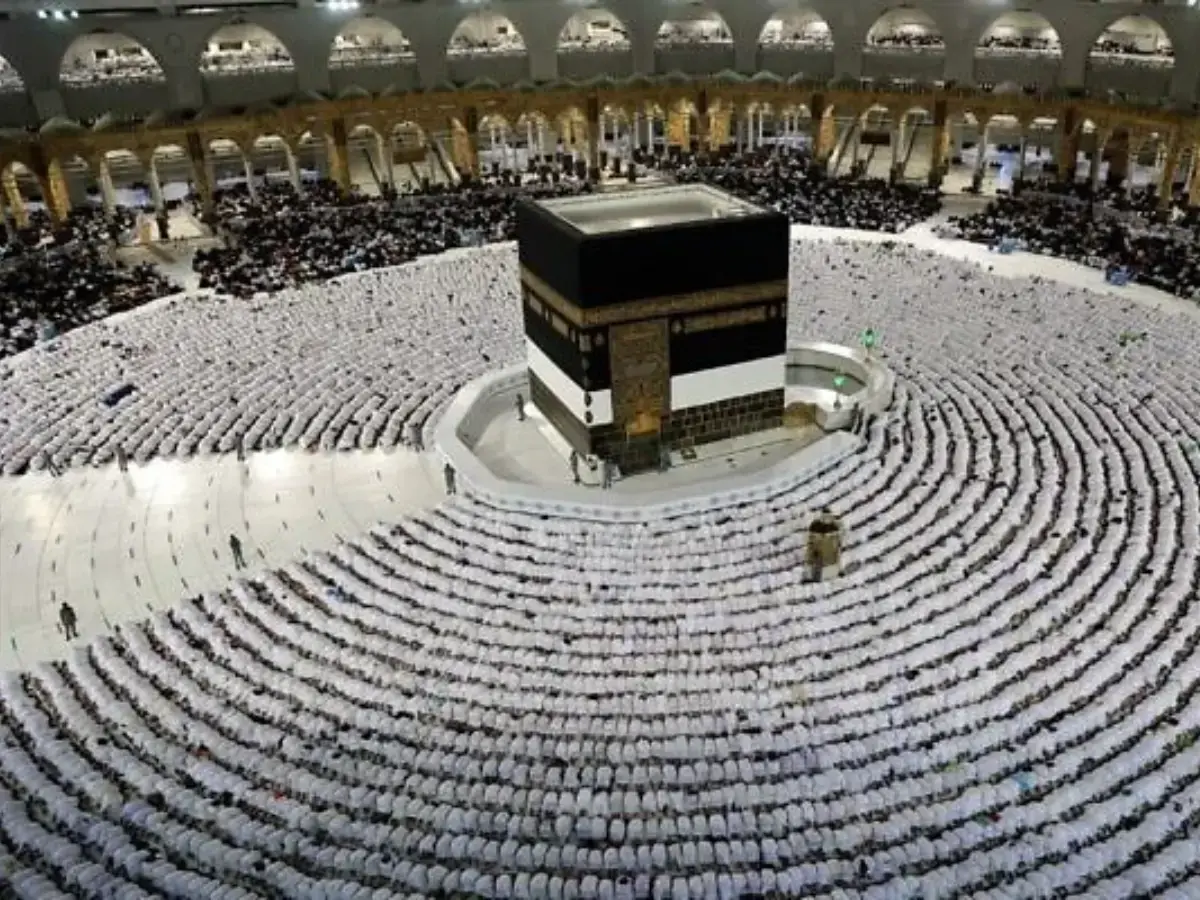
Mecca Put On Air Raid Alert
Saudi Arabia said its air defences intercepted a Houthi drone south of Mecca before it entered restricted airspace, calling the holy city’s security a “red line”. The Houthis denied targeting Mecca, while the OIC condemned the alleged attack as tensions between Riyadh and the group escalate.
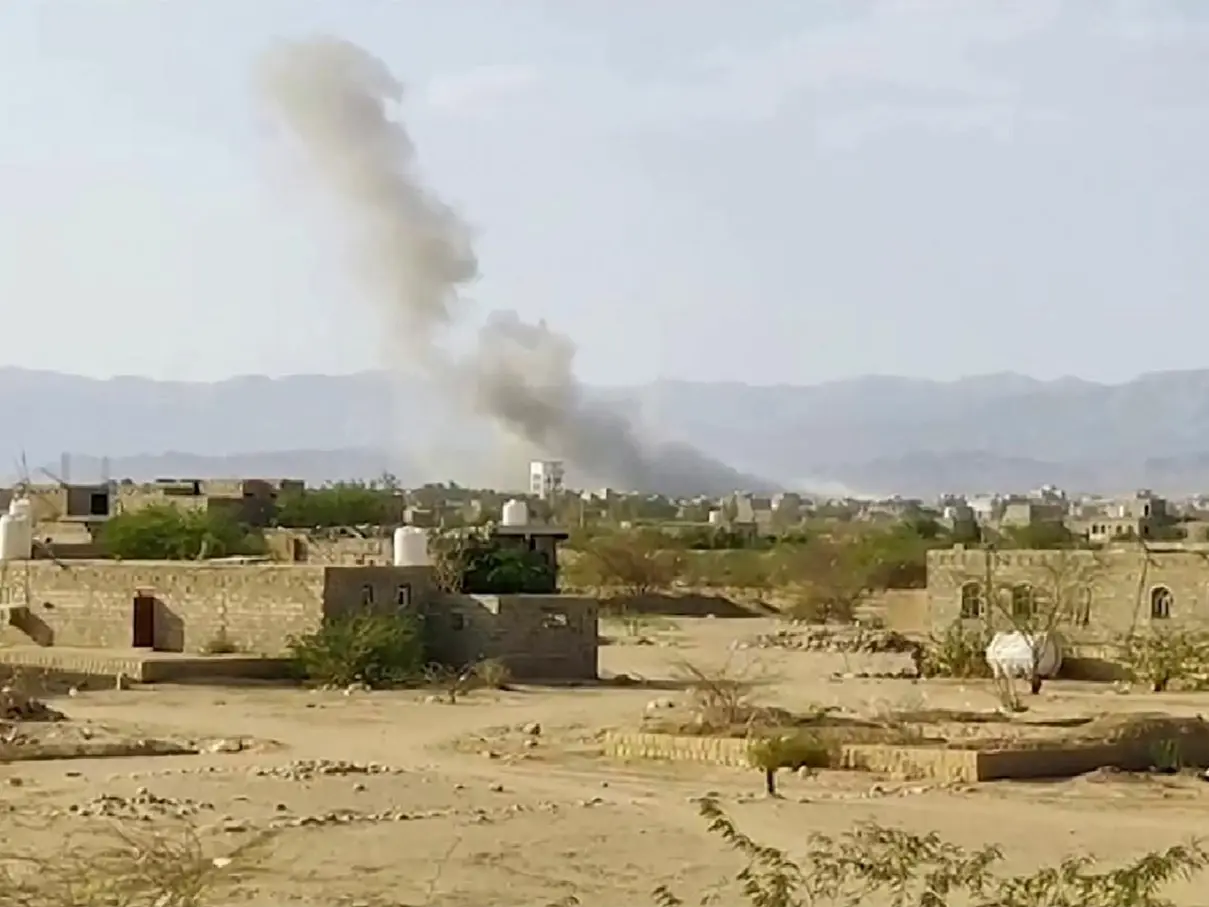
Saudi Arabia has said that its air defences intercepted a Houthi drone south of Mecca before it entered restricted airspace over the holy city. Soon after, several areas on Saudi Arabia'swestern coast, including the holy city of Mecca and the Jeddah and Taif governorates were briefly put on alert. Reports stated that this was the first ever red alert in Mecca in history. Houthis denied the attack but Saudi coalition spokesman Turki al-Malki described Mecca's security as a 'red line' and the the Organisation of Islamic Cooperation (OIC) condemned the ‘heinous’ attack on Islam’s holy city. Mecca is home to shrines sacred to Muslims worldwide and is Islam’s holiest city - where annual hajj pilgrimage take place.
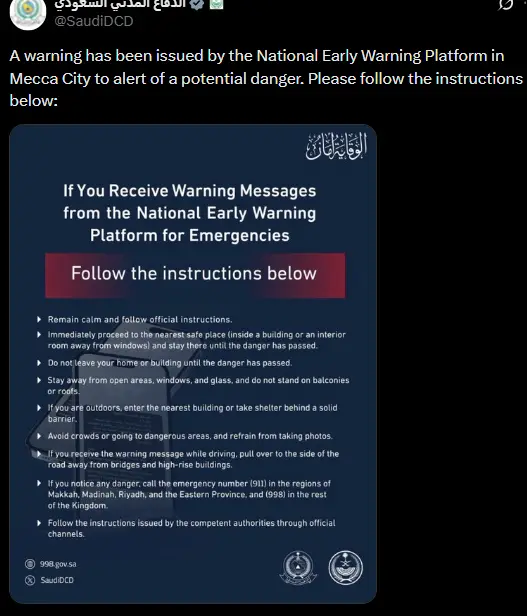
Turki al-Malki also said that the coalition would take necessary deterrent measures against the Houthis. “This hostile attempt will also remain a black mark in the record of violations by the extremist terrorist Houthi militia, as a deliberate act intended to provoke the feelings of millions of Muslims,” Al-Maliki said in a post on X, vowing to take the “necessary and deterrent measures” against the militants. Malki also accused Houthis of targeting Mecca with a ballistic missile launch in July 2017.
The OIC, made up of 57 Muslim-majority countries slammed “ongoing aggression against the Kingdom of Saudi Arabia.” It said that the strikes “violate the sanctity of holy sites and mosques” and “instill fear in innocent civilians.” Meanwhile, the US embassy issued an advisory to “reconsider travel” to Saudi Arabia. The advisory warned of the “risk of Iranian drone and missile targeting of American interests, armed conflict, terrorism, exit bans and local laws regarding social media activity,” adding “Do Not Travel to the Yemen border due to threat of terrorism.”
A Houthi official rejected the claim, with spokesperson Hazem al-Assad writing on X: “The claims about targeting Mecca are a worn-out lie that has been used before and no longer fools anyone.” He called it a 'hoax.'
How Houthis-Saudi fighting began
Trending Stories
)
)
)
&im=FitAndFill=(700,400))
)
)
)
)
)
)
)
)
)
)
)
)
)
)
)
)
)
)
)
)
)
)
)
)
)
)
)
)
)
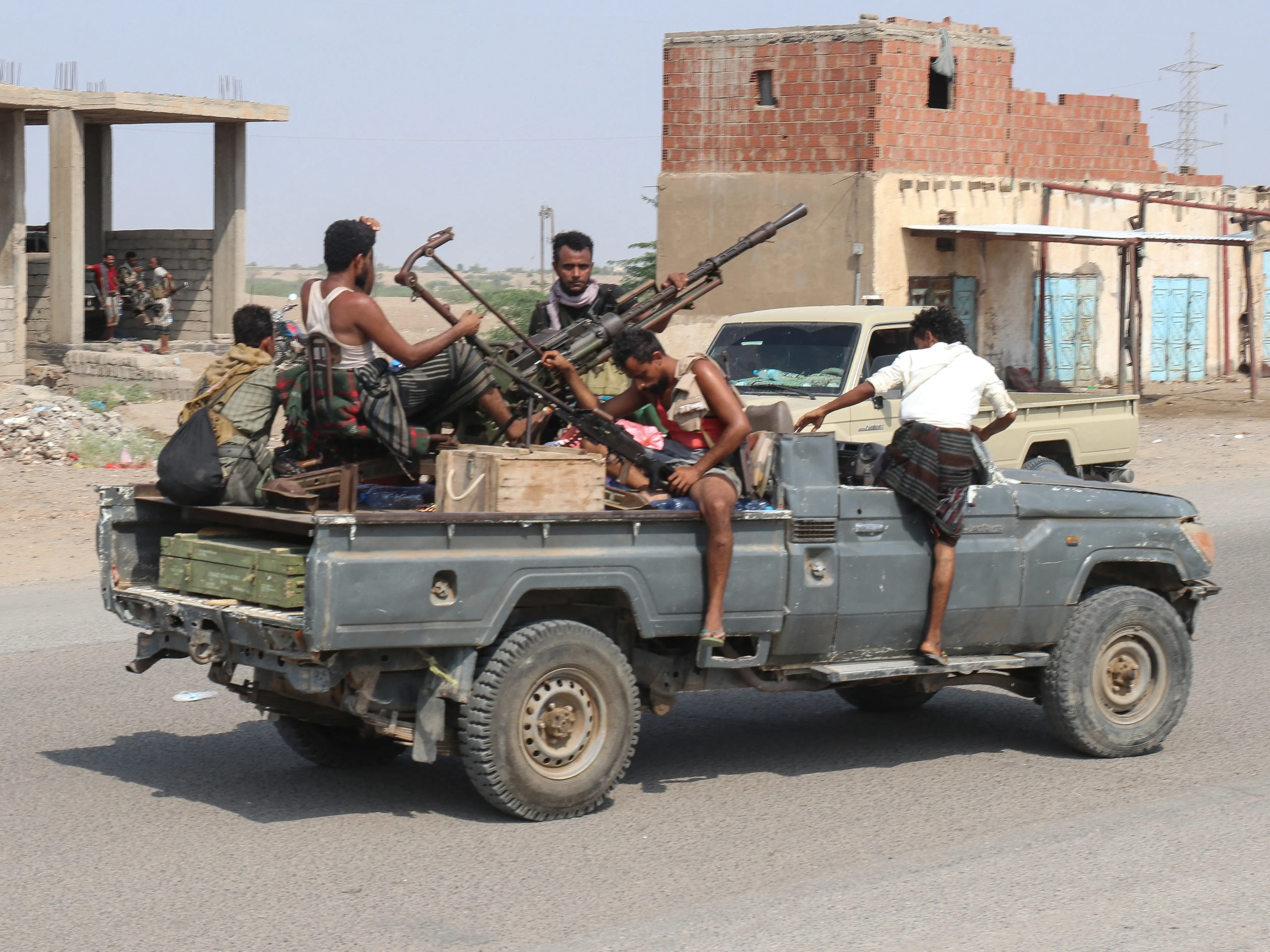
The latest trigger that ended nearly four years of relative calm and shattered the 2022 UN-brokered truce between Saudi and Houthi was a Saudi-backed strike on the runway of Sana’a International Airport that was carried out to prevent an aircraft carrying Houthi dignitaries, to the funeral of Iran’s leader. The Houthis condemned the bombing as a violation of the 2022 Memorandum of Understanding (MOU), setting off a rapid escalation in the conflict. In the immediate aftermath, the Houthis announced a maritime blockade targeting Saudi vessels and launched a coastal offensive, claiming control of strategic locations around the Bab el-Mandeb Strait, including Perim Island and the port city of Mokha. The group also launched ballistic missiles and explosive drones at targets deep inside Saudi Arabia, including the King Khalid Air Base in Khamis Mushait and energy infrastructure such as the East-West Pipeline. Last week, the fighting intensified with drones at several Saudi Arabian cities including Khamis Mushait, Abha, and Taif, injuring 13 civilians. The Houthis have seized control of parts of Yemen’s Red Sea coast overlooking the Bab al-Mandab, one of the world’s most important shipping straits, threatening Saudi oil exports.

