

Russia, the only country to own and operate a fleet of Nuclear icebreaker ships, unveiled the 'RITM-400' nuclear reactor which will power the under-construction 'Rossiya' icebreaker ship.
Nuclear icebreakers are a unique class of ships that cut through the ice and clear the path for other conventional ships. Once ready, Rossiya will be the world's most powerful nuclear icebreaker. Icebreakers are of particular use in the frozen Arctic Ocean, a large part of which falls in the Russian Exclusive Economic Zone.
"The completion of the RITM-400 reactor is a significant event for the icebreaker fleet, for Rosatom, and for our entire country. The reactor units of the next-generation Rossiya nuclear icebreaker will allow it to break over 4 meters of thick ice," said Alexey Likhachev, Director General, Rosatom.

ZiO-Podolsk, the Machine Building Division of Russia's Nuclear power agency Rosatom finished manufacturing the first of two RITM-400 nuclear reactors for the Rossiya on May 20th. The second and final reactor is expected to be ready in a few months, following which both units will be sent to the shipyard for installation on the Rossiya.
"The two RITM-400 reactors will be a gift from Rosatom's machine builders to mark the 80th anniversary of the Russian nuclear industry. The completion of this project opens up new opportunities in developing the Northern Sea Route," said Igor Kotov, Head of Rosatom's Machine Building Division.
Trending Stories
)
Trump-Xi Summit: Trade, Taiwan and the red lines shaping US-China talks | Race To Power
)
US citizen injured in Illinois after ICE agents mistook him for fugitive, hospitalised
)
US judge questions Trump’s decision to ban CNN, MS NOW and Politico from White House
)
Afghan woman cyclist who disguised herself as a boy to escape Taliban, wins Asian Games medal
)
Italy hit by floods in the north, drought in the south
)
'There will be elections': Venezuela's interim leader Delcy Rodriguez makes big announcement at UN
)
Would you date an AI? South Korea’s My AI Partner: Strange Love sparks buzz on relationship and intimacy
)
'Arrogant parasites': Milei blasts UN over Falklands dispute, warns Argentina will ‘take matters into our own hands’
)
IIT Bombay CCTV footage emerges: Sahil Wakode seen looking at phone in examination hall
)
Cyclone Arnab: Landfall expected before midnight tomorrow as IMD issues orange alerts across six states
)
9 killed, several injured as tourist bus catches fire on Yamuna Expressway
)
NBA player Steven Adams shares hilarious GTA VI theory
)
WION Iconic Tourism Summit 2026: Union Minister Shekhawat on 'experiential travel', peace diplomacy
)
'AI got into my speech': Prince Harry jokes after teleprompter failure at event in New York
)
Scientists detect first radio signals directly from faraway planet
)
China to test supersonic jet that moves at Mach 2, double the speed of sound
)
WION Iconic Tourism Summit: 'Hanuman Ansh' Director on blockbuster success
)
'Partners rather than rivals': Xi Jinping's first message after landing in US for Trump summit
)
WION Iconic Tourism Summit: Is India's travel boom outrunning its airports, airlines and hotels?
)
IIT Bombay student suicide case: CCTV from the exam hall hours before suicide
)
2,000-foot tube, laser tests and more: China builds towns to expand nuclear arsenal, satellite images show
)
French court upholds decision to send PSG and Morocco footballer Hakimi to rape trial
)
WION Iconic Tourism Summit and Awards 2026: Key voices to discuss India’s tourism future
&im=FitAndFill=(700,400))
New OTT releases this week (September 21-27, 2026): Shaque: Trust No One, Hunkkaar, Don’t Be Shy- 5 new titles coming to Netflix, Prime Video and more
)
WATCH | China President Xi Jinping lands in US as Trump greets him ahead of high-stakes summit
)
Australian PM Anthony Albanese calls OpenAI AI incident 'unacceptable' after restricted data access
)
Claude Opus 5.5 is here: Anthropic claims it can finish a 680,000-line code migration in less than a day
)
'What kind of confession is this?': Pakistan PM Shehbaz Sharif’s 'terrorists would be roaming New York' remark goes viral, raises alarm online. Watch
)
WION Iconic Tourism Summit: How local tourism MSMEs must upskill for AI integration
)
Eight USS Abraham Lincoln sailors attempted suicide, Acting Navy Secretary says
)
Trump’s Board of Peace unveils $2.45bn Gaza plan,66 projects: But where’s the money?
)
EC appointment law: Why is the 2023 act controversial, and what happens next? WION explains
)
'Putin is patient zero': Zelensky slams Russian president at UNGA, accuses him of using fighters from 47 countries
&im=FitAndFill=(700,400))
National Film Awards 2026: Kartik Aaryan, Mammootty, Yami Gautam, Randeep Hooda and other key winners
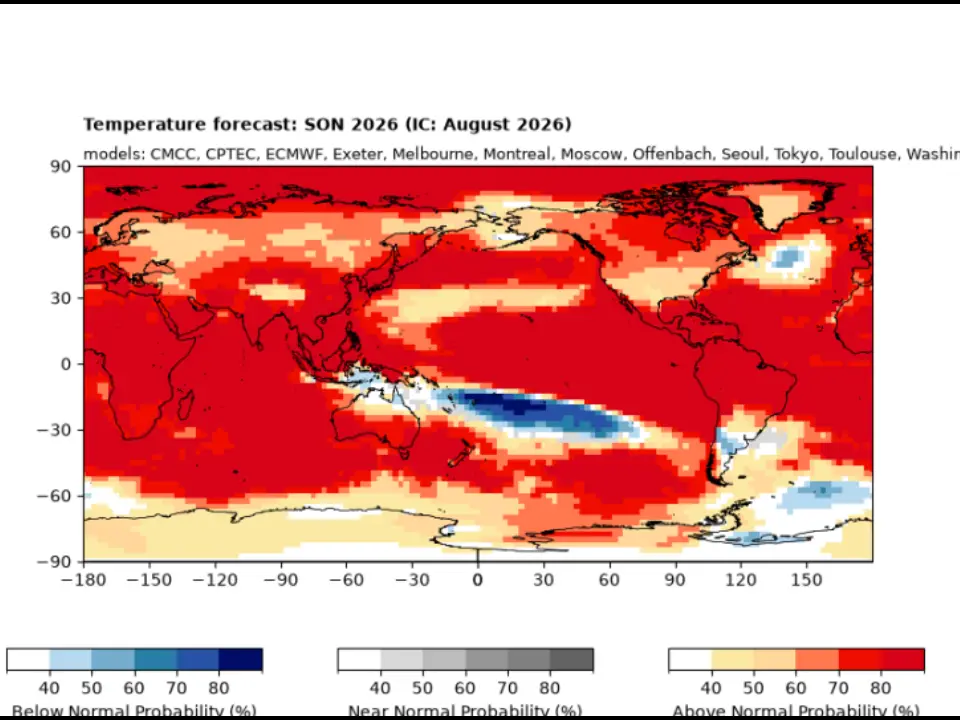)
El Niño 2026 heats up to become strongest in 1,000 years
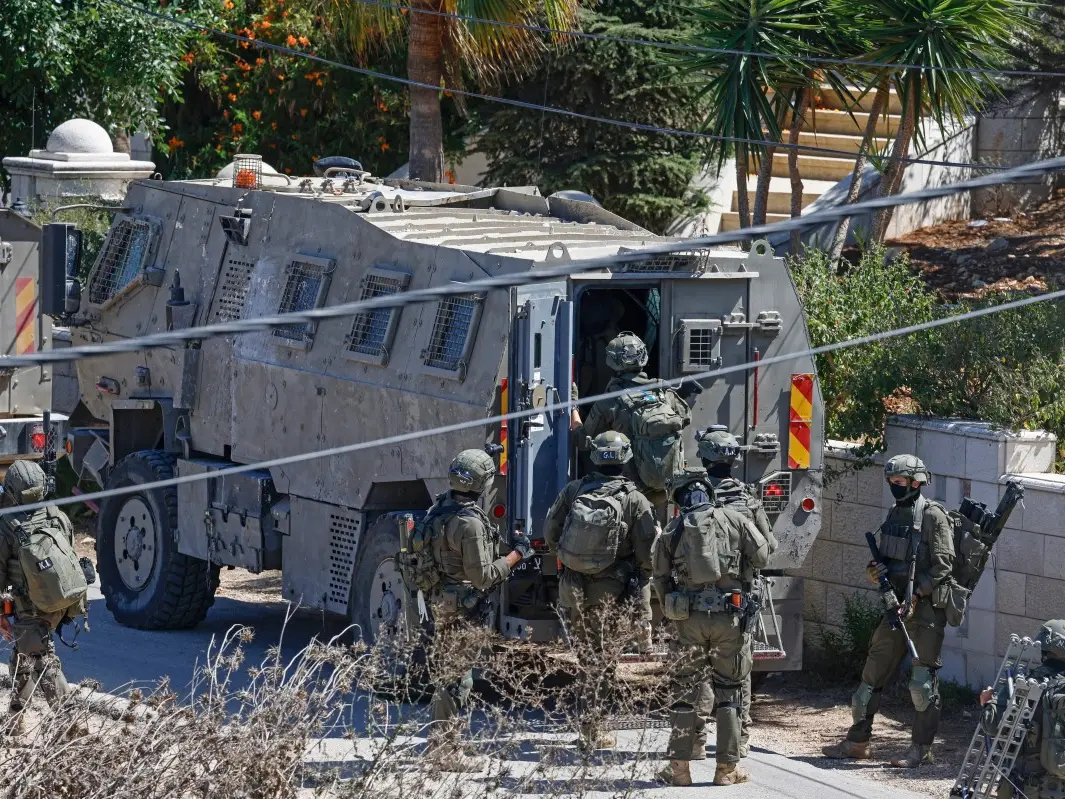)
Israeli envoy to US Yechiel Leiter’s son critically injured in West Bank ramming attack
&im=FitAndFill=(700,400))
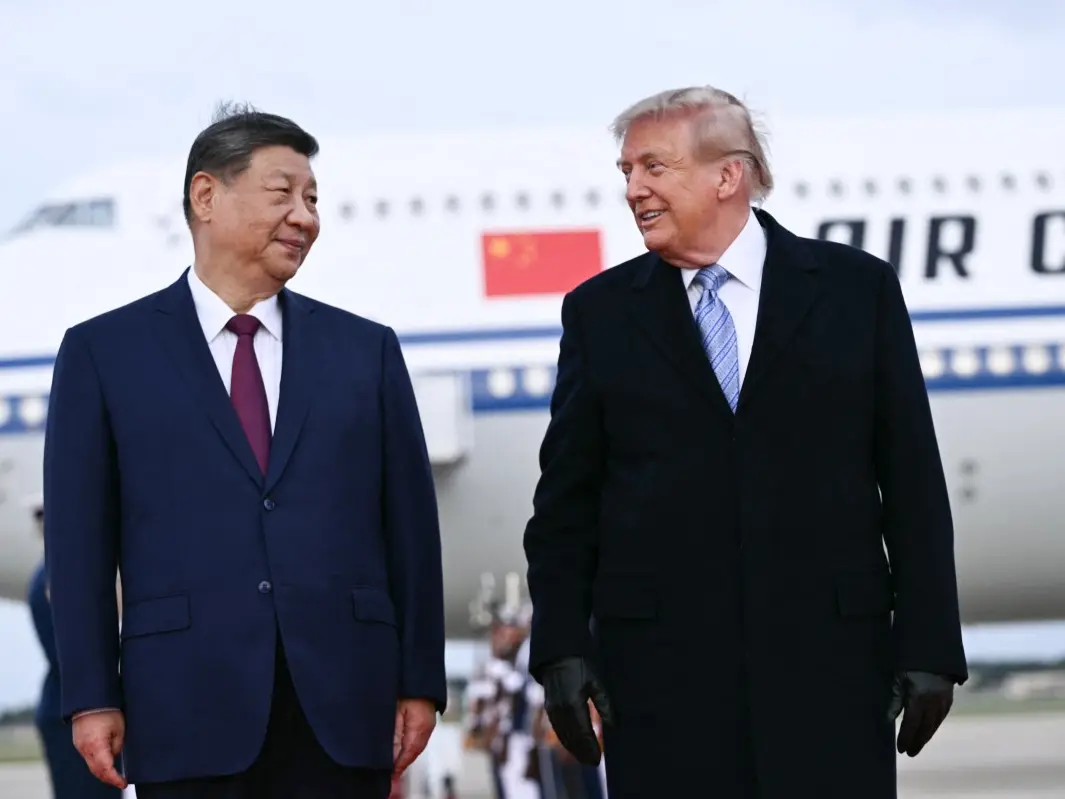
Trump welcomes Xi Jinping in rare airport gesture: Photos from Chinese President's arrival in US
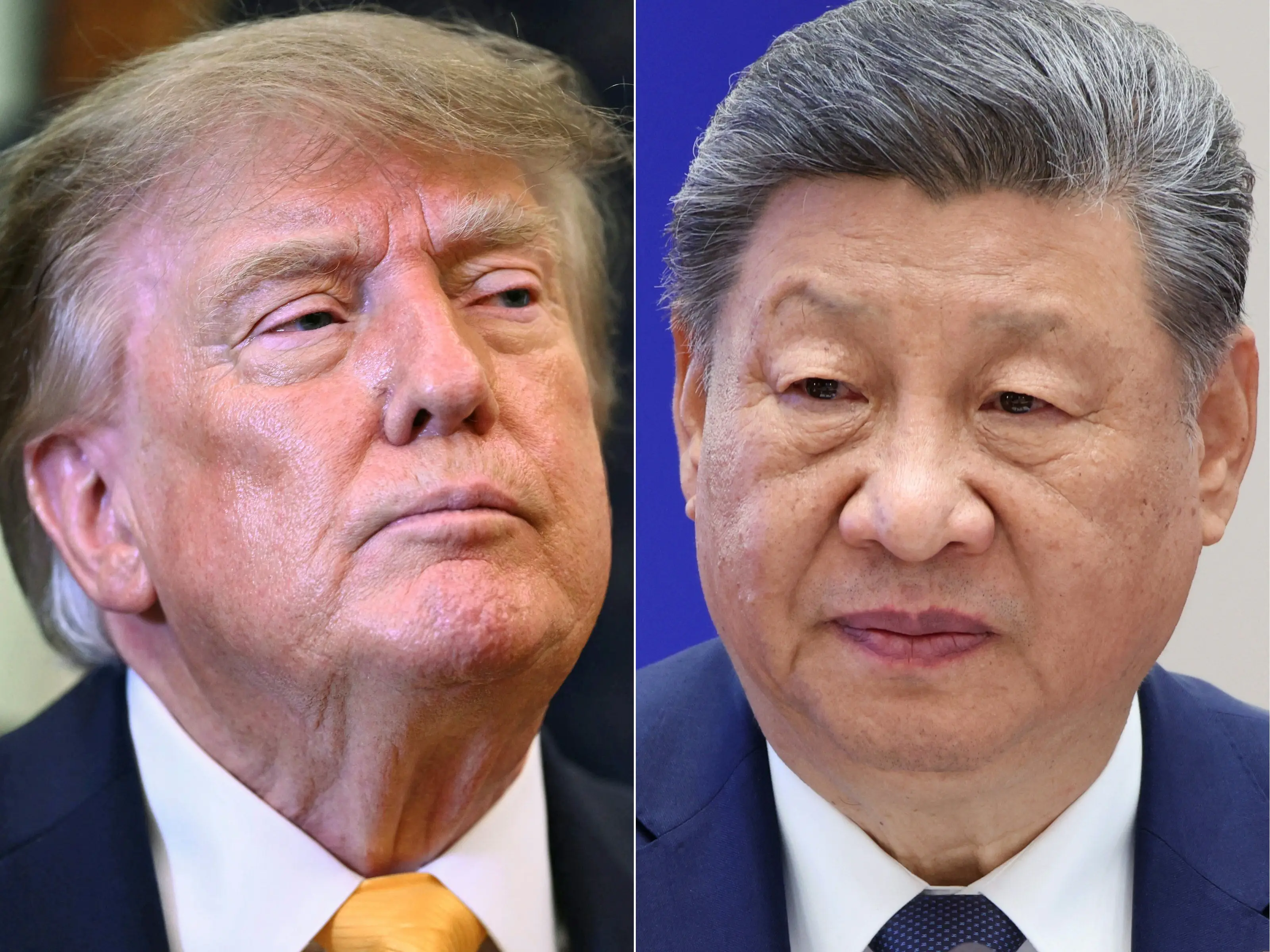)
Xi-Trump meeting: China’s human rights red line and past protests explained
Rosatom will be naming the twin RITM-400 nuclear reactors after Ilya Muromets and Dobrynya Nikitich, heroic characters from Russian epics. "They performed feats in the name of Russia, while the new reactors named after them will help Rossiya icebreaker overcome the special ice conditions of the Arctic," said Alexey Likhachev, Rosatom'sChief.
Why is Russia building more nuclear icebreakers ?
With a clear aim to boost shipping along the country's northern coast(Arctic region),Russiais building more nuclear icebreaker ships that can cut through the frozen ocean. In April 2025, top Officials ofRussia's Nuclear power agency emphasized the need for more nuclear icebreakers, duringRussian President Vladimir Putin's visit to Atomflot, theRussian Government entity which maintains the world's only fleet of nuclear icebreaker ships.
Though significantly expensive to operate, Nuclear icebreakers have several advantages over their diesel-powered counterparts. Once fueled, the on-board reactors on the icebreaker can work for several years non-stop.
The heavy power demands of icebreaking cannot be met by diesel-powered vessels, which have a limited range and endurance. It must also be remembered that icebreakers operate in the extreme Arctic weather, where diesel fuel might not be a suitable option. Further, there are also constraints in the re-fuelling infrastructure along the remote Arctic region.
The Northern Sea Route(NSR) is a shipping route along the northern coast ofRussia, connecting Europe and Asia-Pacific regions via a shorter sea lane through the Arctic Ocean.
During Putin's visit, Sergey Zybko, Director General of NSR General Administration FSBI, highlighted the need for more nuclear icebreaker ships. Zybko stated that the ice situation in the Arctic has been worsening in recent years.
"Despite widespread discussion about global warming, the current research by the Arctic and Antarctic Research Institutes does not prove it. According to these studies, no significant changes in ice cover are anticipated during winter and spring months until 2050," he added.
Presently,Russiais building nuclear icebreaker ships Chukotka, Leningrad, and Rossiya. Additionally, another nuclear icebreaker under project 22220, Stalingrad, is also to be built. Alexey Likhachev, chief ofRussia's Nuclear agency Rosatom stated that two more universal nuclear icebreakers are required to maintain steady operations along the Northern Sea route. In 2018, theRussian Government appointed Rosatom as the Northern Sea Route infrastructure operator. Rosatom is responsible for overseeing the federal project "Development of the Northern Sea Route".
Apart fromRussia, there are seven Arctic countries, Denmark, Finland, Iceland, Norway, Sweden, USA. Interestingly, all of these seven nations are part of the Western Military Alliance NATO. The Arctic is home to multiple NATO andRussian military sites. Both sides regularly conduct military patrols and exercises in the region. The Arctic region is also known to hold massive unexplored reserves of oil, natural gas, rare earth minerals, fish stocks.
