Russia-India-China revival soon? How Trump's tariff is bringing back RIC amid trade war

&imwidth=600&imheight=450&format=webp&quality=medium "Russia-India-China revival soon? How Trump's tariff is bringing back RIC amid trade war")
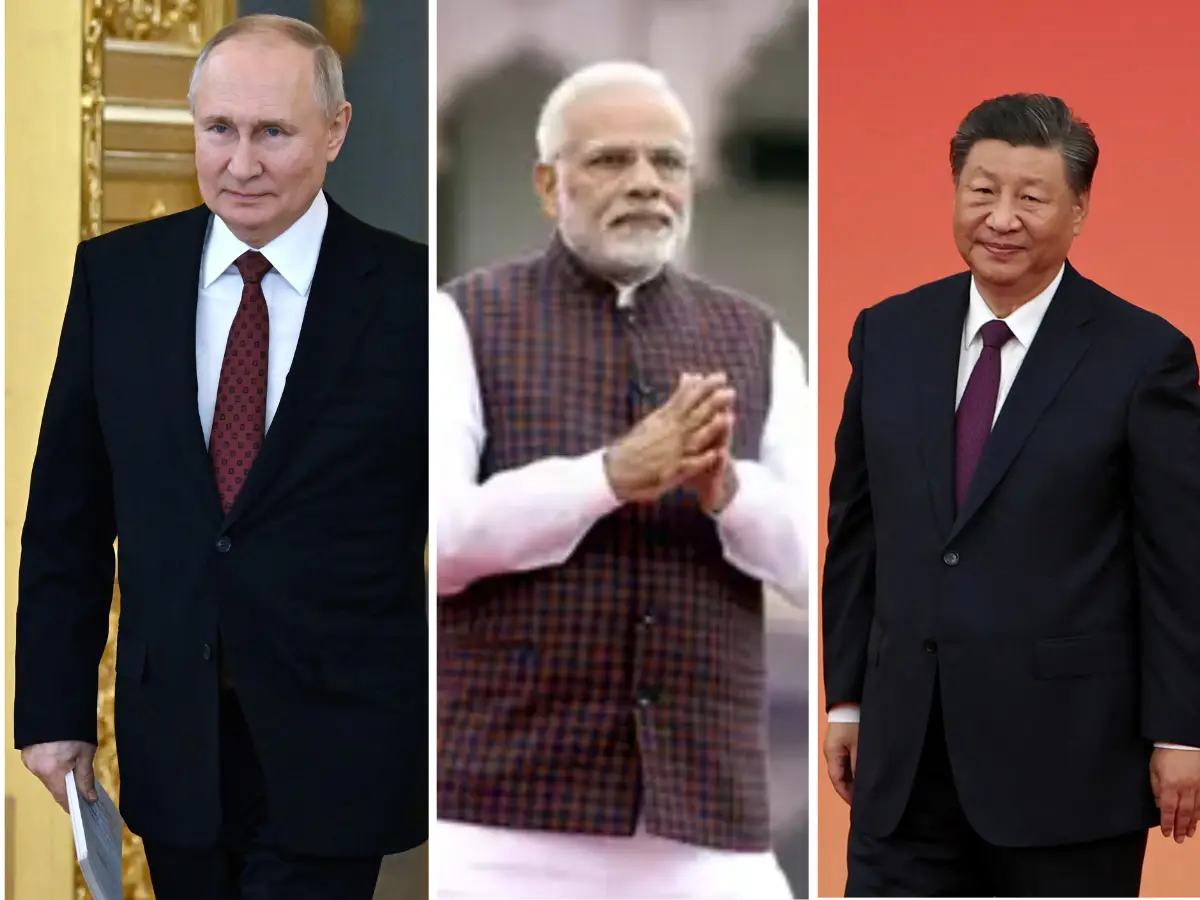
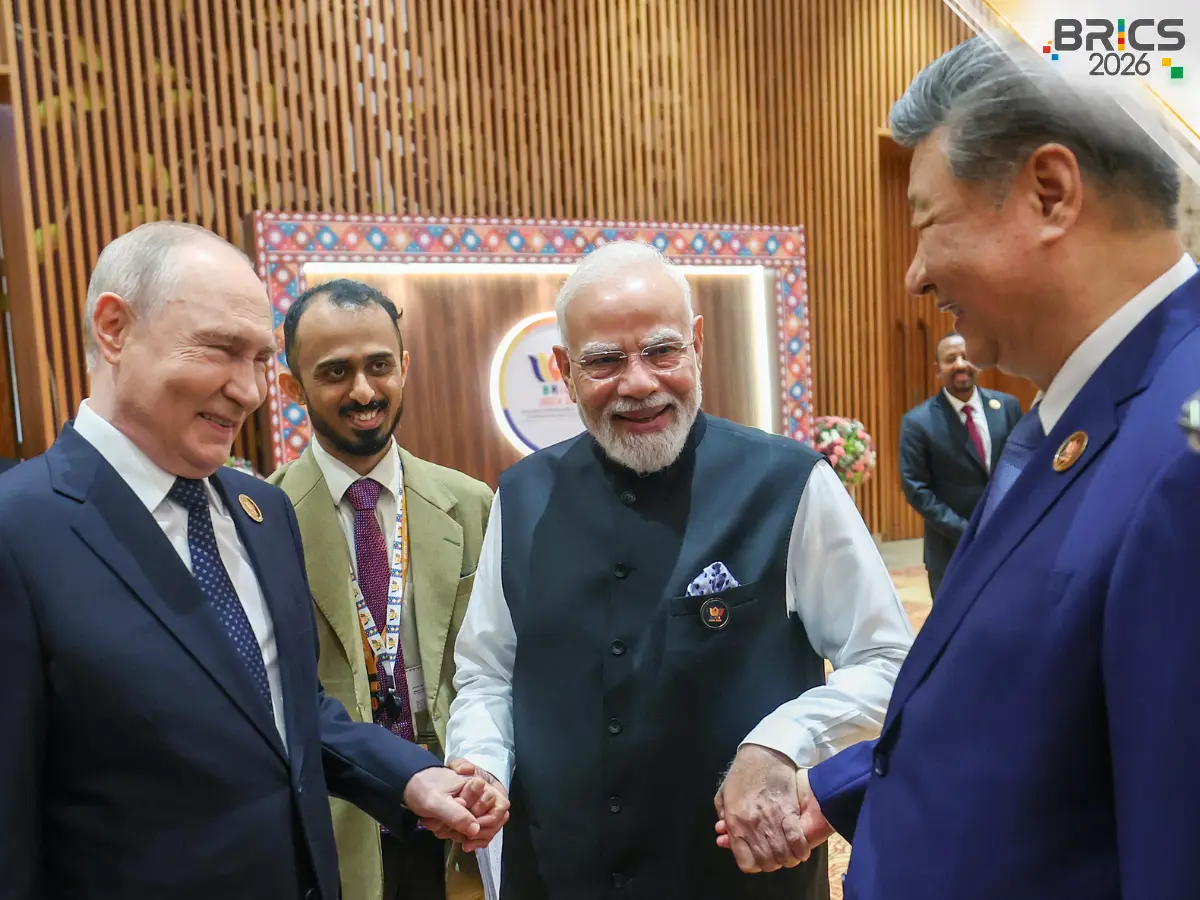
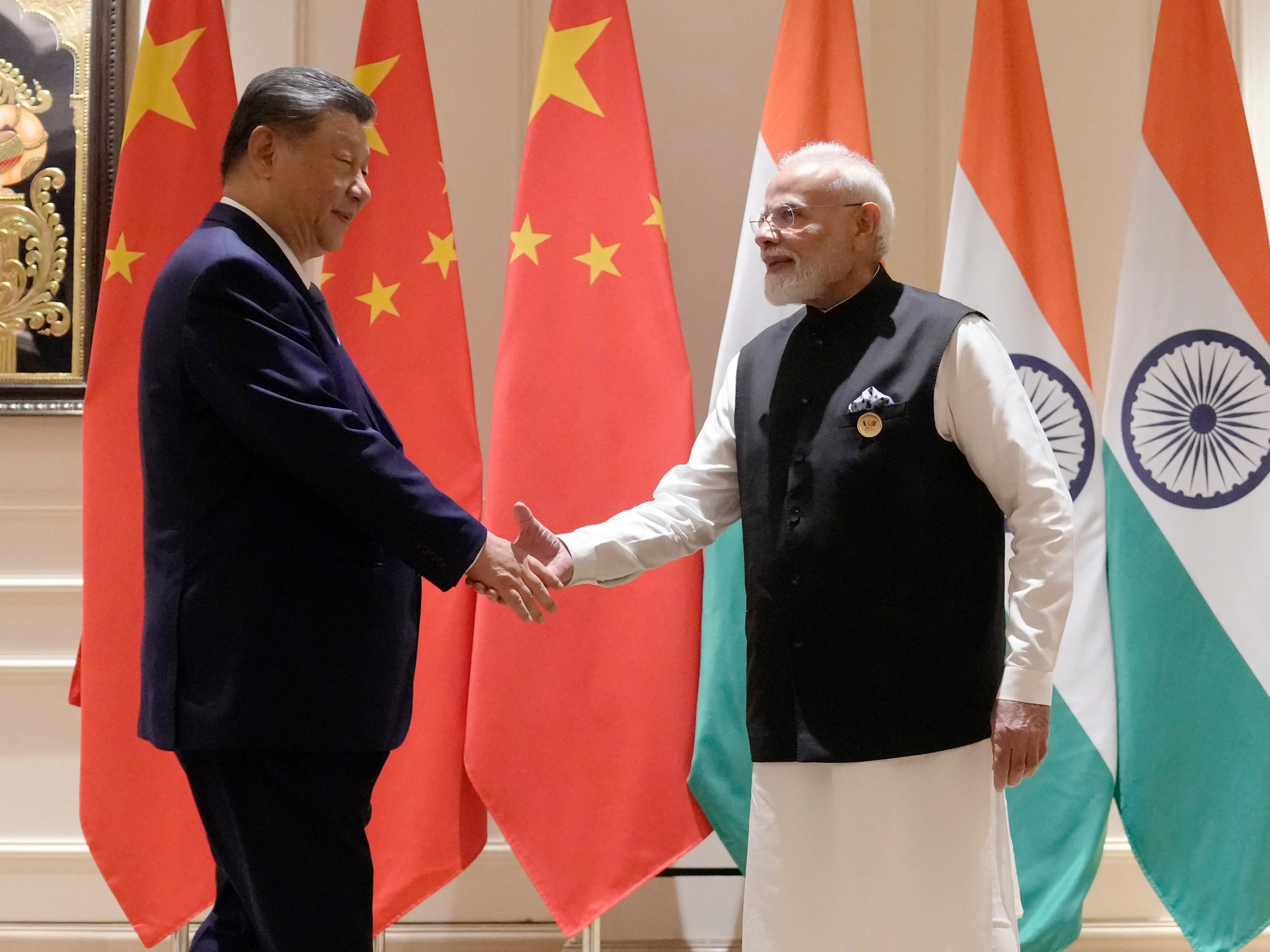
Russian President Vladimir Putin, Indian PM Narendra Modi, China's President Xi Jinping Photograph: (Reuters)
After years of inactivity, Russia renewed its push to revive the Russia-India-China (RIC) mechanism, with China also supporting the idea. This comes amid all three nations face some kind of push from Trump, be it on tariffs or to reach a peace deal with Ukraine.
As US President Donald Trump has imposed massive tariffs on India, citing concerns over New Delhi buying Russian oil, it has brought Russia and China closer to India. On Tuesday, the Kremlin supported India and slammed Trump for raising tariffs, calling it "illegal". Meanwhile, China on Thursday expressed support for India against the 50 per cent tariffs, saying "India's sovereignty is non-negotiable."
After years of inactivity, Russia renewed its push to revive the Russia-India-China (RIC) mechanism, with China also supporting the idea. This comes amid all three nations face some kind of push from Trump, be it on tariffs or to reach a peace deal with Ukraine.
In an escalation in the trade tensions between the United States and India, US President Donald Trump on Wednesday (Aug 6) signed an executive order imposing an additional 25 per cent tariff on Indian imports into the US, making the total tariffs imposed on India 50 per cent.
How did Russia react?
The Kremlin on Tuesday slammed US President Donald Trump's threats to raise tariffs on India for buying Russian oil. Calling it "illegal", Kremlin Spokesperson Dmitry Peskov said that it was unacceptable to force countries to stop trading with Russia.
Peskov further stressed that sovereign nations can choose their trading partners.
Trending Stories
)
)
)
)
)
)
)
&im=FitAndFill=(700,400))
)
)
)
)
)
)
&im=FitAndFill=(700,400))
)
)
)
)
)
&im=FitAndFill=(700,400))
)
)
)
)
)
)
)
)
)
)
)
)
)
)
)
)
)
“Sovereign countries have the right to choose their own trading partners,” spokesperson Dmitry Peskov told reporters.
Moreover, Russian President Putin is expected to visit India, India's National Security Advisor Ajit Doval said during his Moscow visit. The NSA did not reveal the dates yet, but said that the dates of the meeting are being finalised.
India's NSA Ajit Doval is currently in Russia and is holding talks, mainly on expanding defence ties between the two countries. "We have had high-level engagements and they have contributed substantially. We are excited and delighted to learn about the visit of his excellency President Putin to India," Doval said.
He further said that the dates are finalised, adding, "The most important part is, these summit meetings have almost always been watershed points."
Meanwhile, Russian Security Council Secretary Sergei Shoigu said that Russia is committed to deeper cooperation with India to build a fair world order.
How did China react?
China on Thursday (August 7) expressed its support for India against Trump's 50 per cent tariff. The Chinese embassy took to X and stressed, "India's sovereignty is non-negotiable and its foreign policy choices cannot be manipulated by other countries, no matter how significant their own ties with India are."
The Spokesperson of the Chinese Embassy in India also attached an illustration showing an elephant, representing India, and a baseball bat, representing the US tariff.
In another post, the spokesperson said that the Western media was trying to set a narrative of "who will replace whom", having India and China at the centre of the whole tariff chaos.
Moreover, India's Prime Minister Narendra Modi is scheduled to visit China later this month to attend the Shanghai Cooperation Organisation (SCO) Summit. He is also expected to meet Chinese President Xi Jinping.
The RIC revival
The Russia-India-China framework was first proposed in the late 1990s by former Russian President Yevgeny Primakov. This was done with the sole aim that three large Eurasian powers with major regional influence could work together to shape a multipolar world order.
But later, it fell in 2020 following the Galwan Valley incident, which deteriorated India-China relations.
Now, it might be revived in the light of Trump's trade war and continuous threats to India, China, and Russia, over tariffs and the Ukraine war.
