Putin to target NATO next? US intel warns of Russian 'limited attack'

&imwidth=600&imheight=450&format=webp&quality=medium "Putin to target NATO next? US intel warns of Russian 'limited attack'")
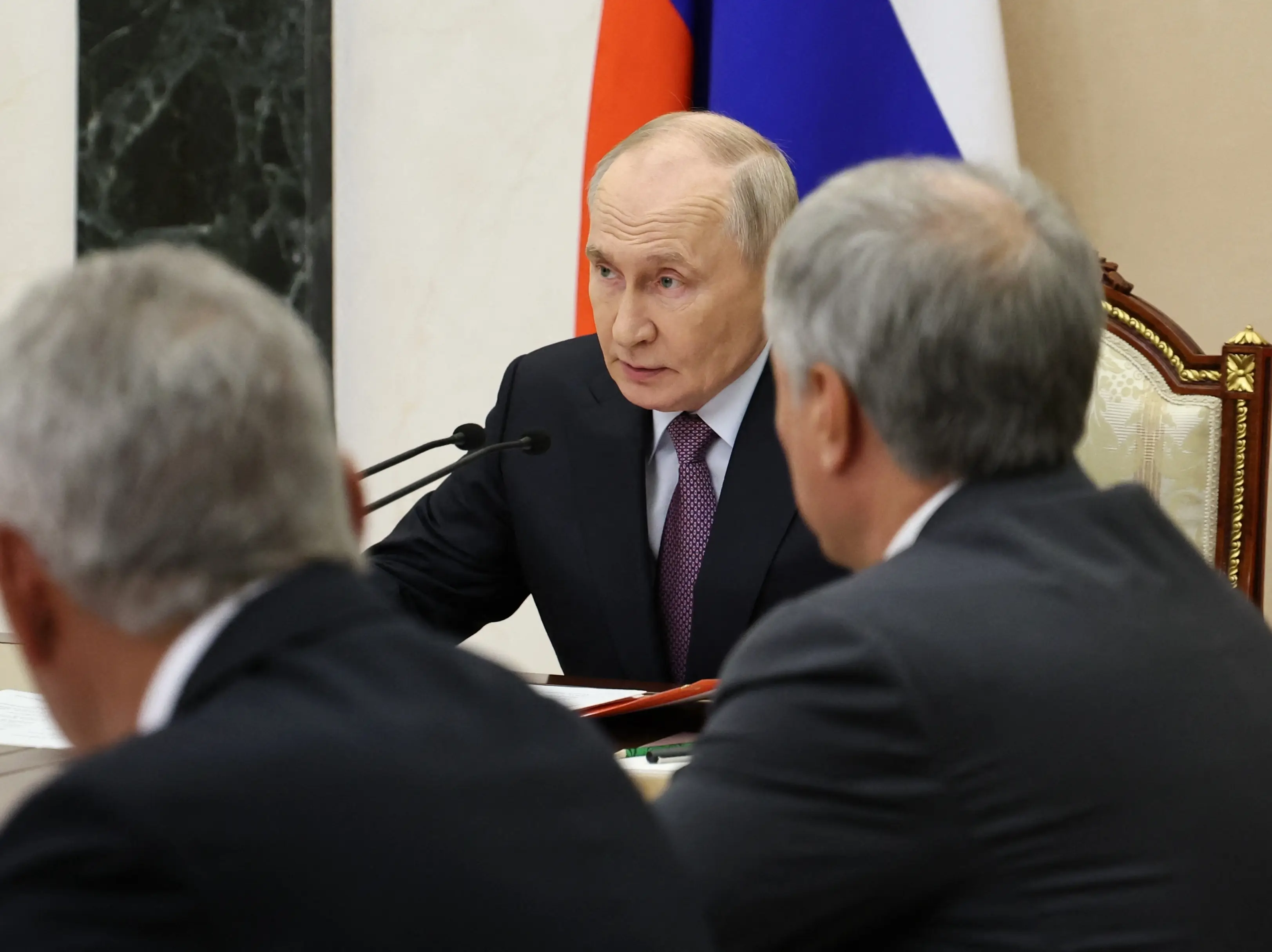
In this pool photograph distributed by the Russian state agency Sputnik, Russia's President Vladimir Putin chairs a Security Council meeting in Moscow on August 7, 2026. Photograph: (AFP)
US intelligence assessments reportedly warn that Putin could test NATO's resolve through cyberattacks, sabotage, drone incursions or a limited attack on the Baltics or Poland, potentially probing Trump's willingness to invoke Article 5. Scroll down to read.
Russian President Vladimir Putin could be increasingly willing to test NATO's resolve through provocative actions against member states, according to recent US intelligence assessments cited by American officials.
The assessments suggest Moscow could consider a range of operations short of a full-scale military attack, including cyberattacks, sabotage, drone incursions and other deniable "hybrid" actions.
But why would Putin attack NATO?
The goal, according to a CBS News report citing unnamed US officials, may not be to trigger a wider war with NATO. Instead, Russia could seek to test how far the alliance would go to defend one of its members and whether US President Donald Trump's administration would respond militarily.
Also read | Baba Vanga's 2026 prophecy: 2 predictions 'already came true', 3 terrifying ones remain. Details inside
Baltics, Poland seen as potential flashpoints
Trending Stories
)
)
)
)
)
)
)
)
)
)
)
)
)
)
)
)
)
)
)
)
)
)
)
)
)
)
)
)
)
)
)
)
)
)
&im=FitAndFill=(700,400))
)
)
)
)
Three people familiar with the assessments told CNN that one possible scenario involves a limited Russian attack designed to challenge NATO's commitment to Article 5. The provision states that an attack against one NATO member is considered an attack against the alliance as a whole.
One source told the publication that Putin could be most likely to target the Baltic states or Poland if Russia decides to escalate against NATO. The timing remains uncertain, with the assessments reportedly placing the potential window somewhere between now and the next few years.
US and NATO officials believe a failure to secure a face-saving exit from the war in Ukraine could also influence Putin's decision-making.
NATO has declined to comment on classified intelligence but said it was preparing for multiple scenarios.
"NATO is watching, and we are ready to deter and defend as necessary," Martin O’Donnell, a senior NATO military spokesperson, said.
Explosive drone found at German airport
The latest assessments come as European countries report a series of incidents involving suspected Russian hybrid activity.
US officials said an explosive-laden drone discovered at an airport in Leipzig, Germany, earlier this week was of Russian origin. The drone was reportedly found in a secure area used for cargo flight operations and was carrying military-grade explosives. German Interior Minister Alexander Dobrindt described the discovery as a new security threat, while stopping short of publicly identifying Russia as responsible. Germany's National Security Council met on Friday to discuss the incident.
Also read | Trump calls White House ballroom ruling a 'national disgrace' as court says Congress approval needed
Other recent incidents have also raised alarm. Russian drones have entered Romanian territory, while Russian drones previously violated Polish airspace during attacks on Ukraine. In May, a drone carrying explosives struck an apartment building in Romania during a Russian attack on a nearby Ukrainian port, injuring two people.
European officials have increasingly warned that Russia is relying on tactics designed to remain below the threshold of conventional warfare.
Trump's mixed signals on NATO
The assessments also raise questions about how Washington would respond if Russia targeted a NATO member. Trump has repeatedly criticised European allies for failing to spend enough on defence and has pushed for NATO's European members to take greater responsibility for their own security.
He has also questioned the scope of America's commitment under Article 5. Last year, Trump said there were "numerous definitions of Article 5" and suggested he was not certain NATO members would defend the US if it came under attack.
At other times, however, he has said the United States would protect NATO allies. His administration has also considered reducing the US military presence in Europe, including weighing troop cuts in Germany, although Trump earlier abandoned plans to withdraw troops from Poland.
The intelligence assessments come as Russia's war in Ukraine continues and US-led efforts to negotiate an end to the conflict have stalled.

