CPU vs GPU vs NPU: Which processor does your computer actually need?

Modern computers use a CPU for general tasks, a GPU for heavy parallel workloads like gaming and AI training, and an NPU for efficient on-device AI. NPUs handle real-time tasks like facial recognition while saving battery life.
The Processor Trinity
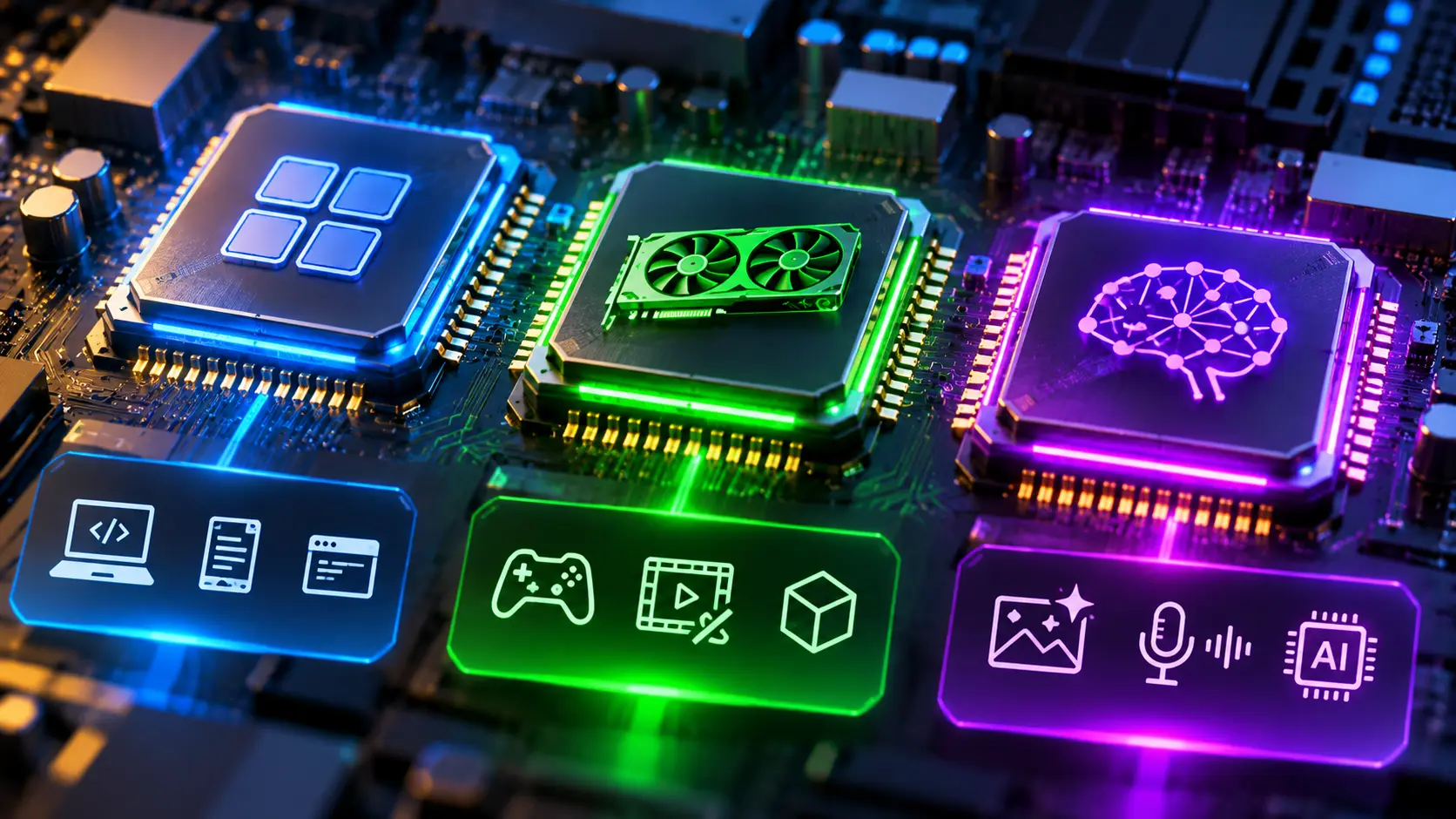
Modern computers no longer rely on a single chip to function. Today’s hardware divides massive workloads across three distinct processors: the CPU for general logic, the GPU for parallel graphics, and the new NPU for dedicated artificial intelligence tasks.
The CPU: The General Manager
The Central Processing Unit is the foundational brain of any system. It excels at sequential processing, meaning it handles operating systems, word processing, and everyday multitasking with incredible speed by executing varied instructions one after another.
The GPU: The Parallel Powerhouse
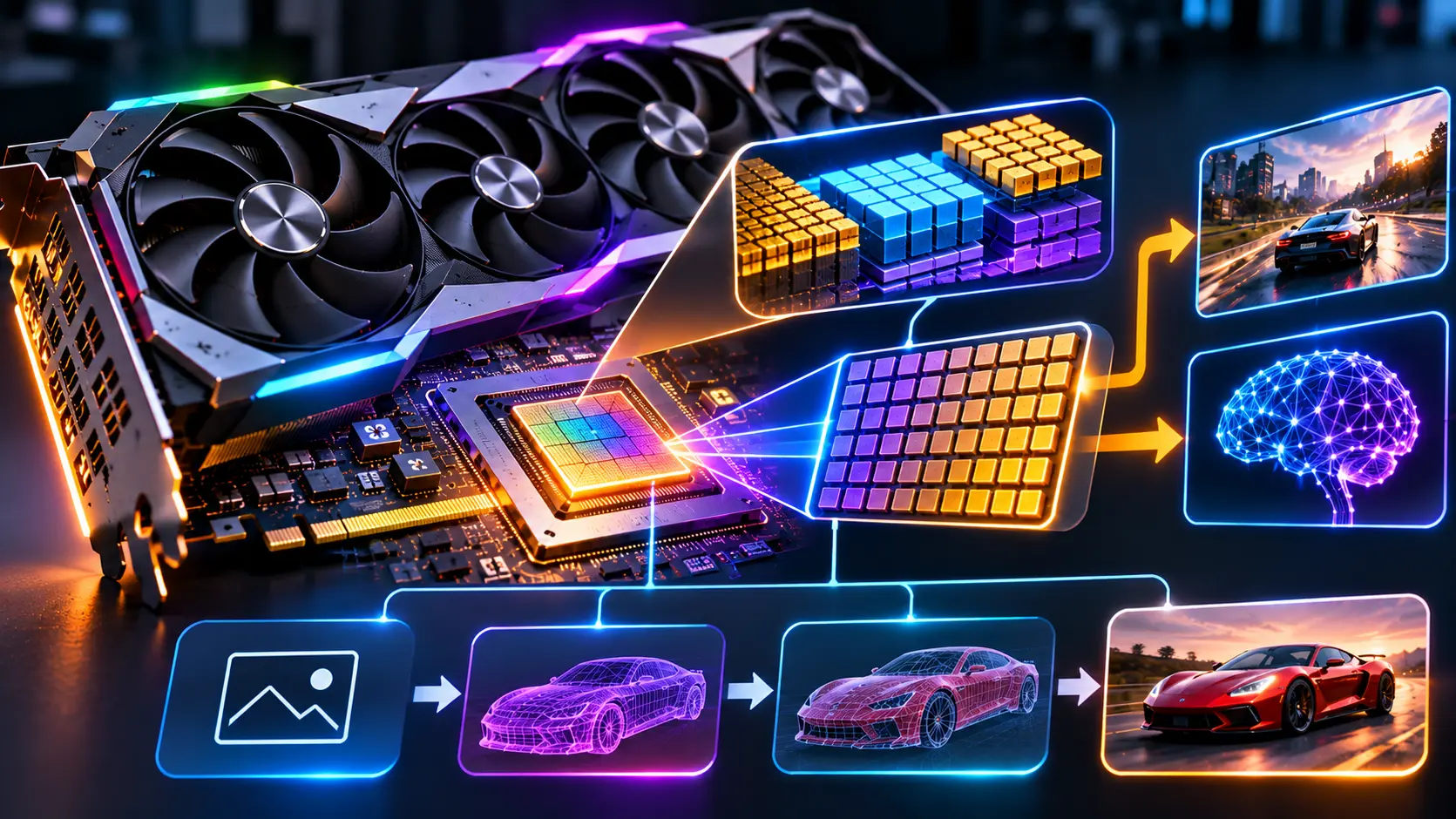
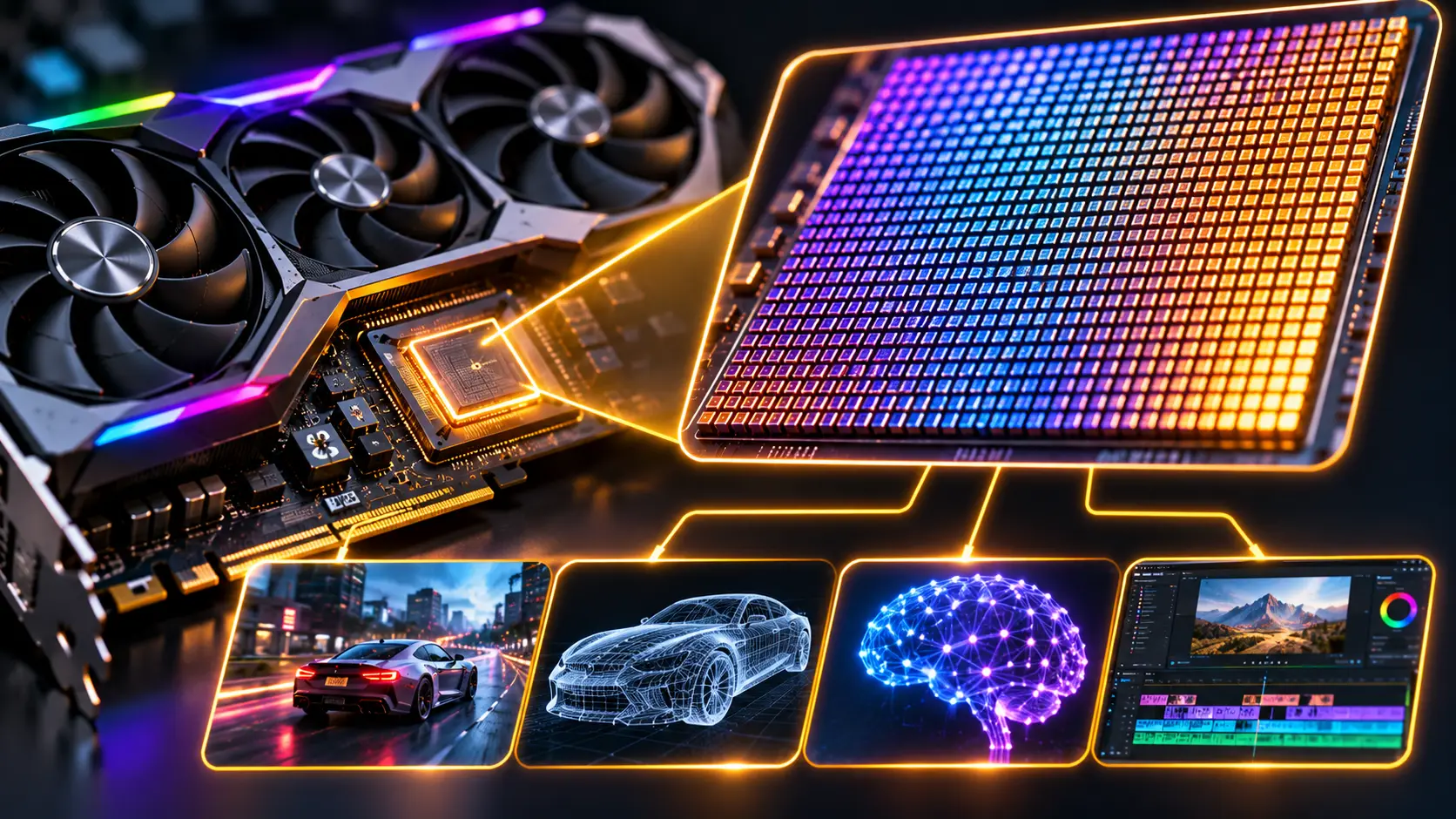
A Graphics Processing Unit packs thousands of smaller cores to process massive datasets simultaneously. While essential for rendering 3D games and video editing, this parallel architecture makes the GPU the undisputed heavyweight champion for training massive AI models.
The NPU: The AI Specialist
The Neural Processing Unit is the newest addition to modern silicon. It is custom-built to accelerate machine learning algorithms locally, handling tasks like facial recognition, automatic translation, and background video blurring with extreme energy efficiency.
The Battery Saver
While a CPU or GPU can theoretically run local AI models, doing so drains laptop batteries rapidly. An NPU offloads these continuous, real-time AI tasks from the main processors, drastically extending battery life while maintaining seamless system performance.
Unified Chip Architectures
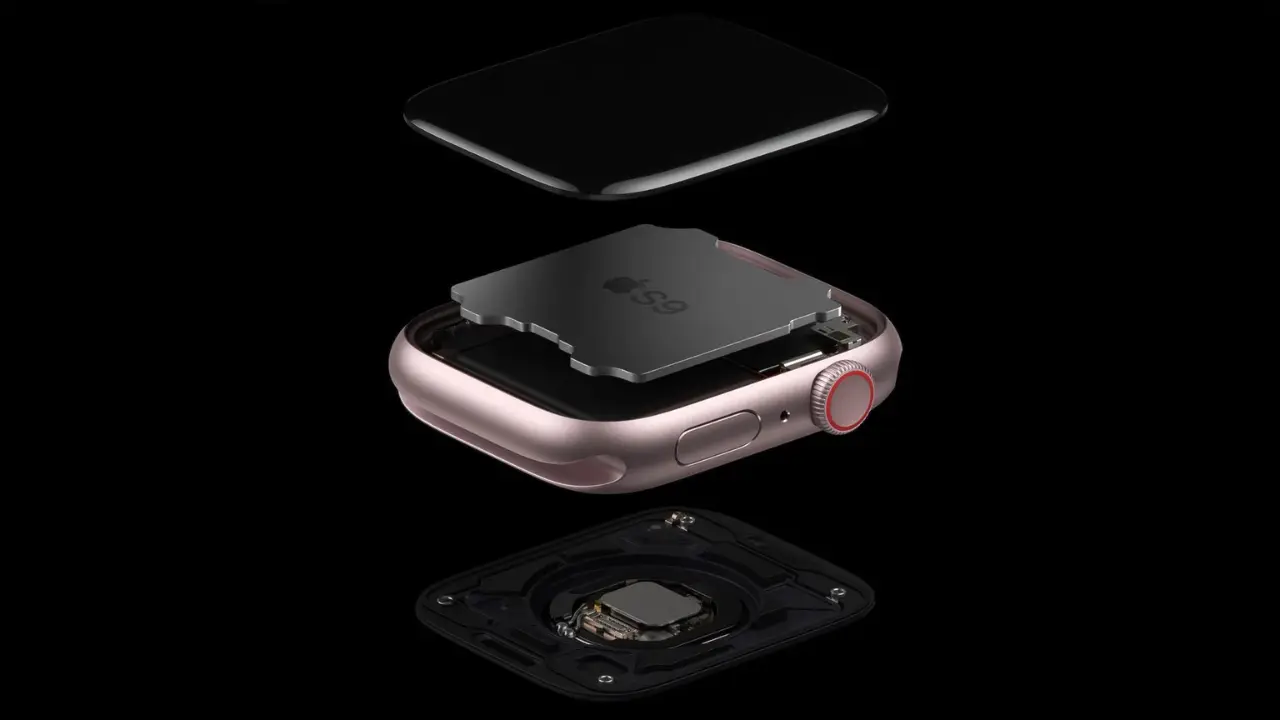
Major manufacturers are now combining all three processors onto a single piece of silicon. Chips like the Apple M-series or Intel Core Ultra integrate CPU, GPU, and NPU cores into one package to maximise speed and minimise power consumption.
Which Do You Need?
If you just browse the web, a strong CPU is sufficient. Video editors and serious gamers require a powerful discrete GPU. However, if you plan to use local AI assistants or daily generative tools, choosing a laptop with a dedicated NPU is essential.