How does a GPU actually work? The technology behind modern graphics and AI

A GPU uses thousands of parallel cores to execute calculations simultaneously. Originally designed for 3D gaming, its architecture of CUDA and tensor cores now powers the entire global artificial intelligence revolution.
The Power of Parallelism
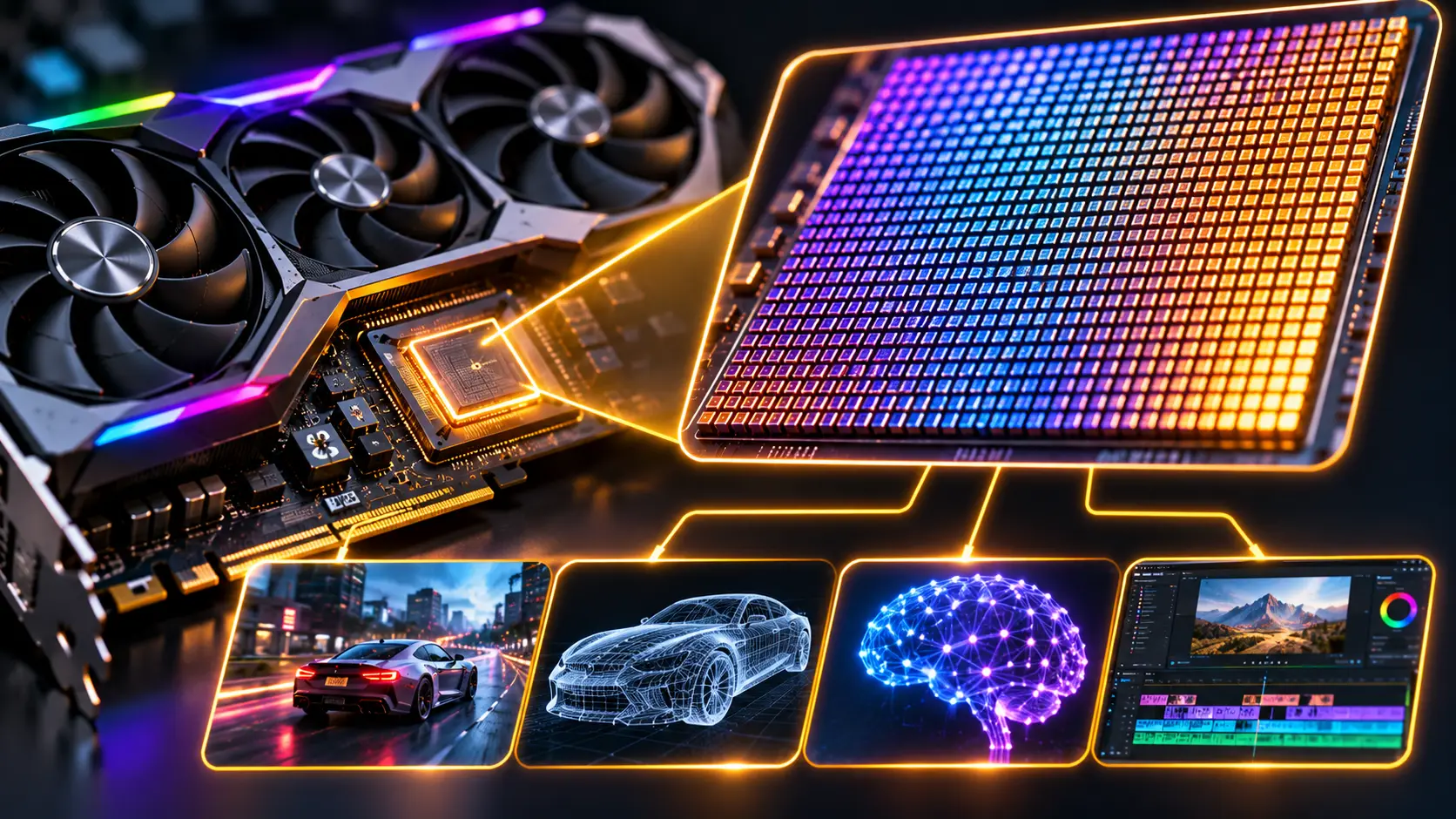
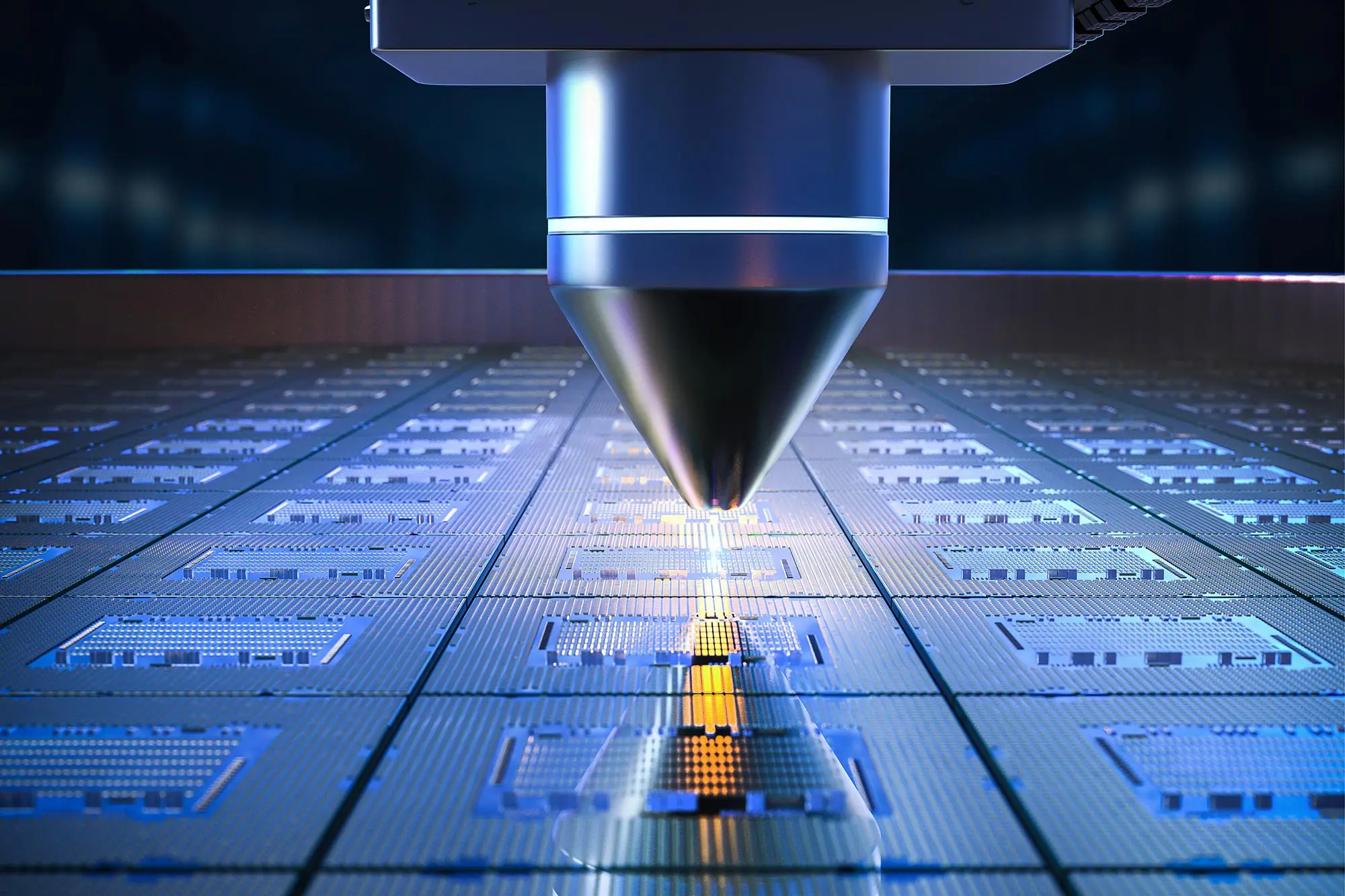
Unlike traditional central processors that handle complex tasks sequentially, a Graphics Processing Unit (GPU) is built for massive parallel processing. It utilizes thousands of smaller cores to break down and solve massive workloads simultaneously rather than one at a time.
Inside the Streaming Multiprocessor
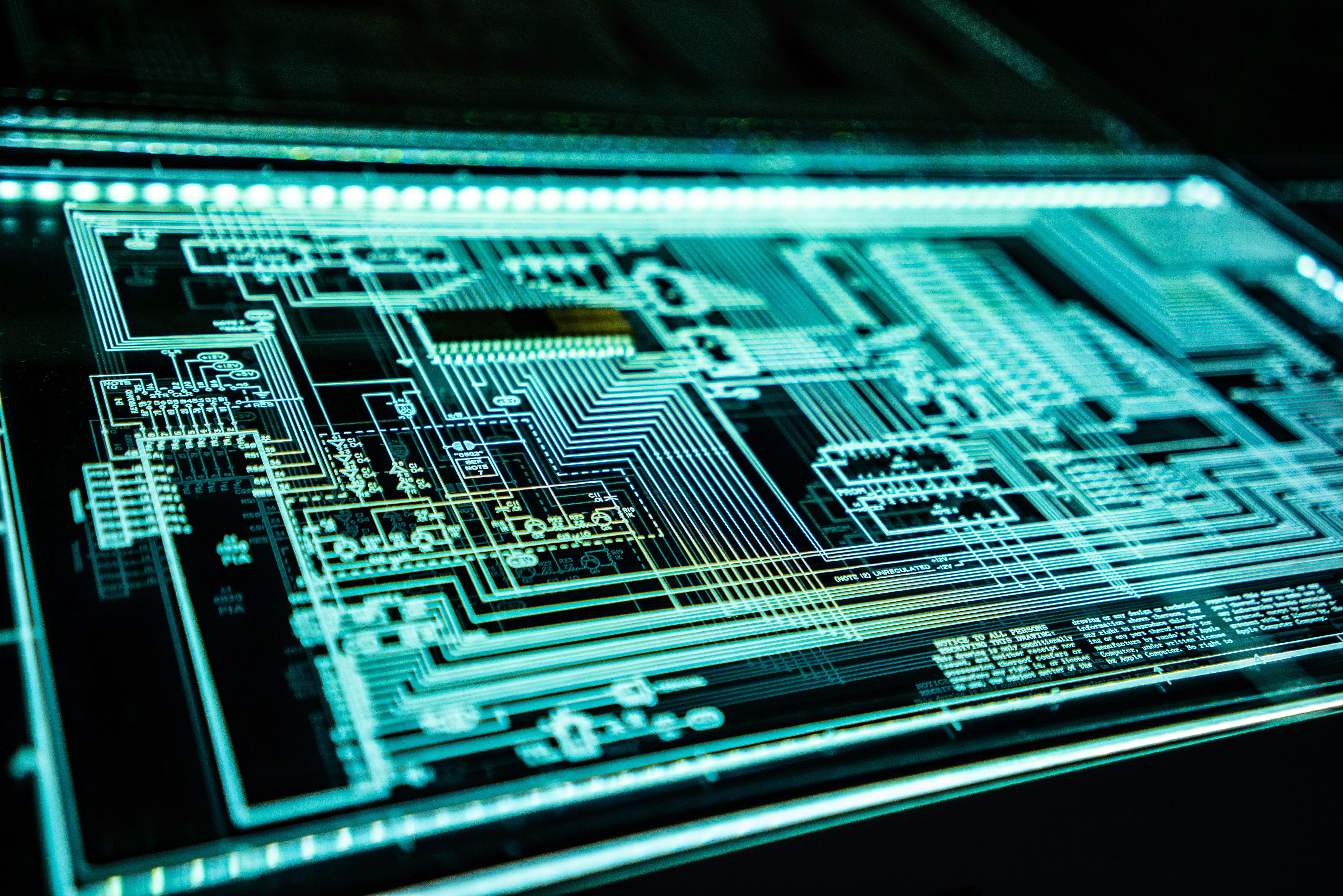
The architectural heart of a modern GPU is the Streaming Multiprocessor, or SM. Each SM clusters together execution units, local caches, and warp schedulers to manage thousands of concurrent threads efficiently without stalling.
CUDA Cores at Work
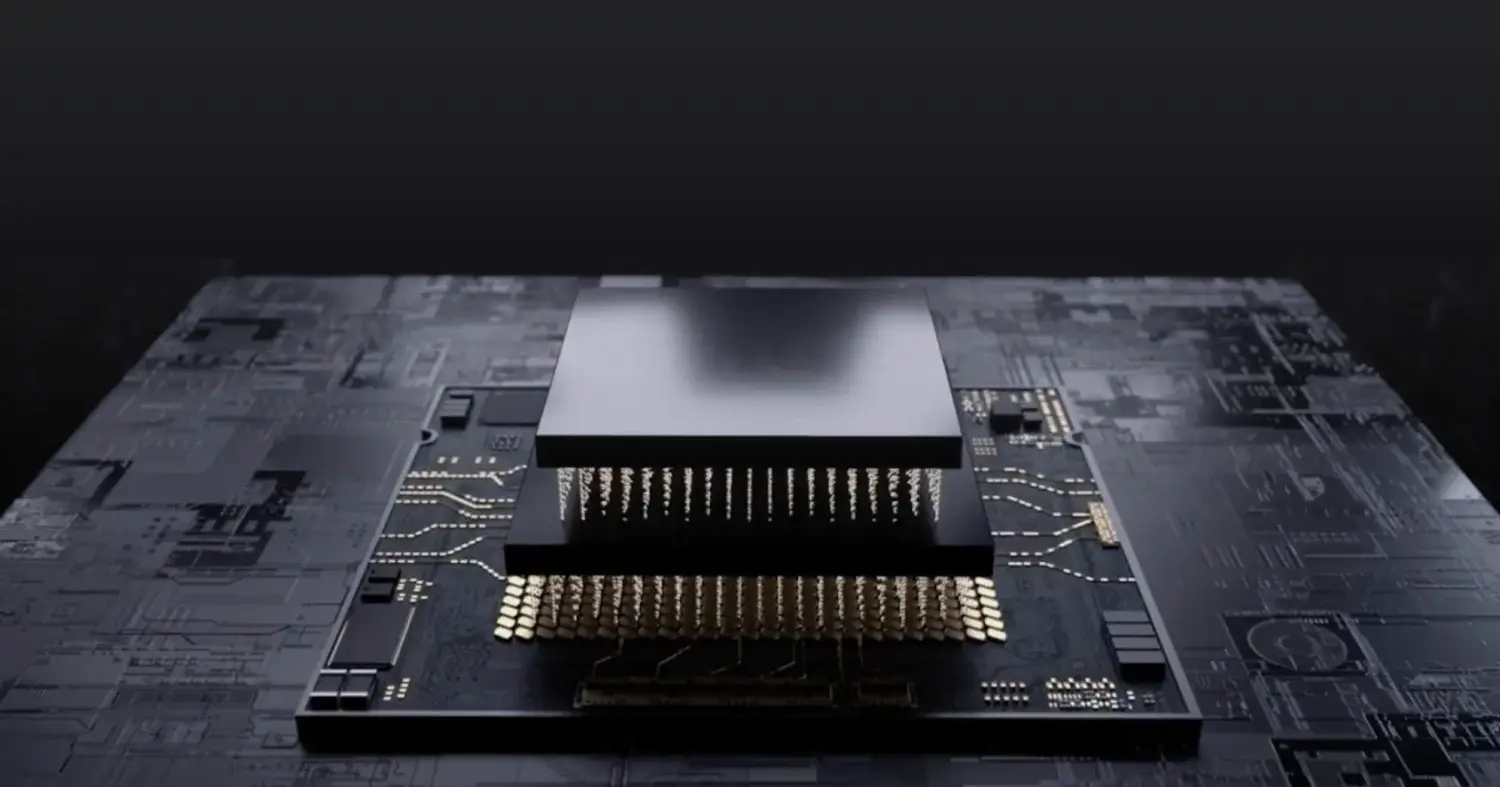
CUDA cores act as the foundational general-purpose arithmetic workers across the chip. These thousands of dedicated units execute floating-point calculations and standard mathematical instructions in a synchronized single-instruction, multiple-threads model.
Specialised Tensor Power
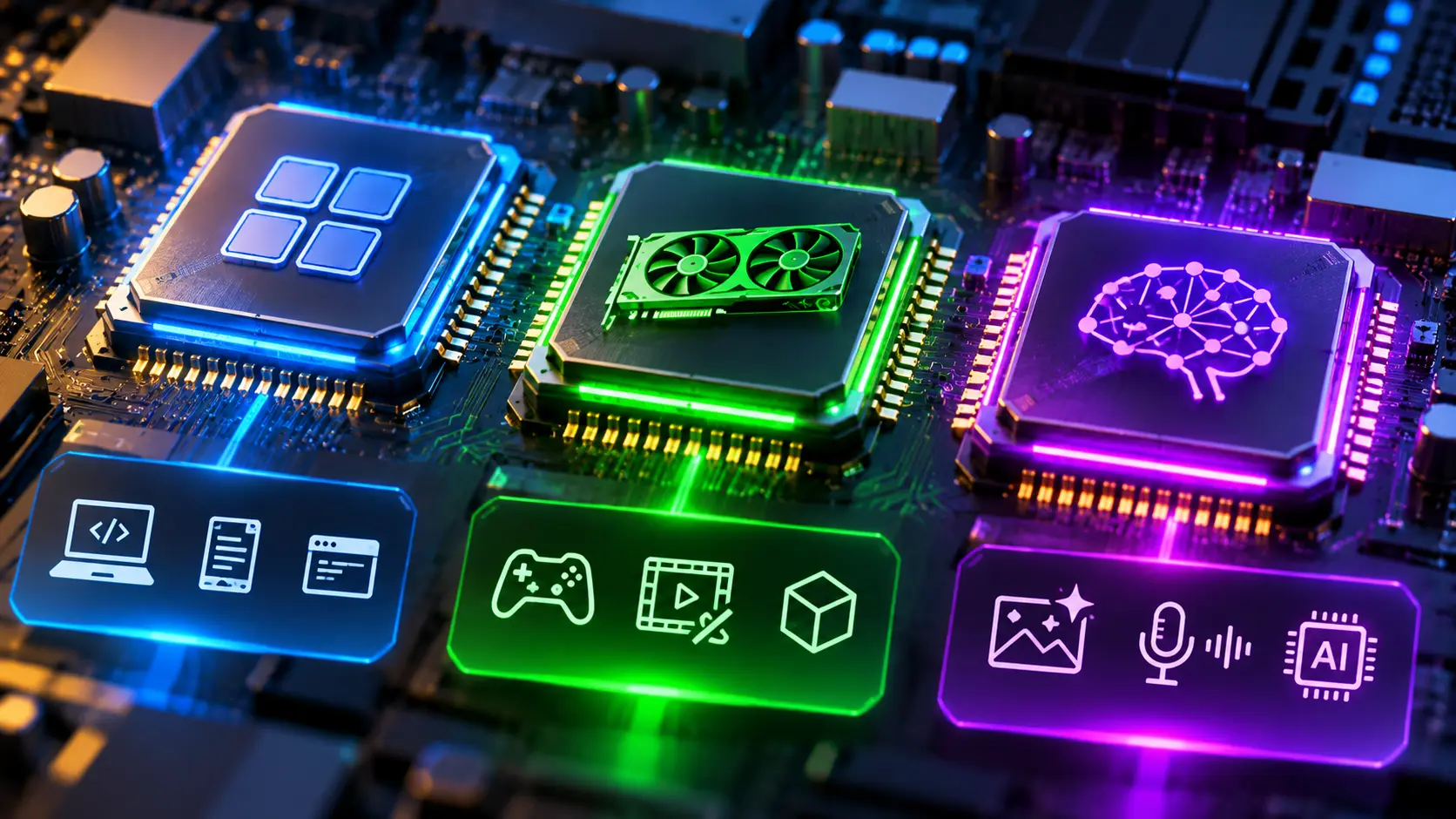
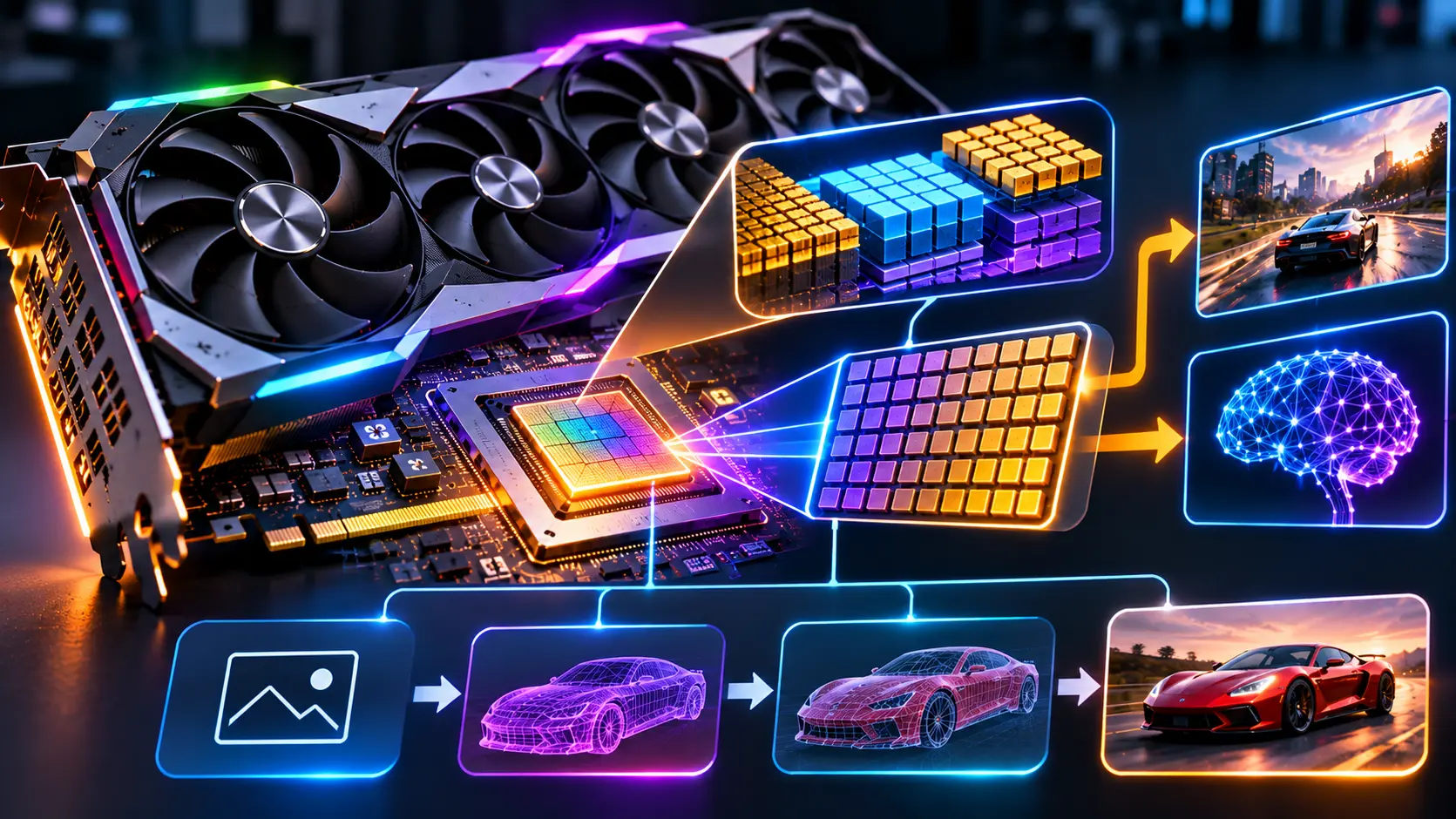
Beyond standard rendering, modern architectures incorporate dedicated tensor cores built purely for matrix math. These purpose-built accelerators perform the heavy multiply-accumulate calculations that drive deep learning and neural network training at practical speeds.
Feeding the Silicon Beast
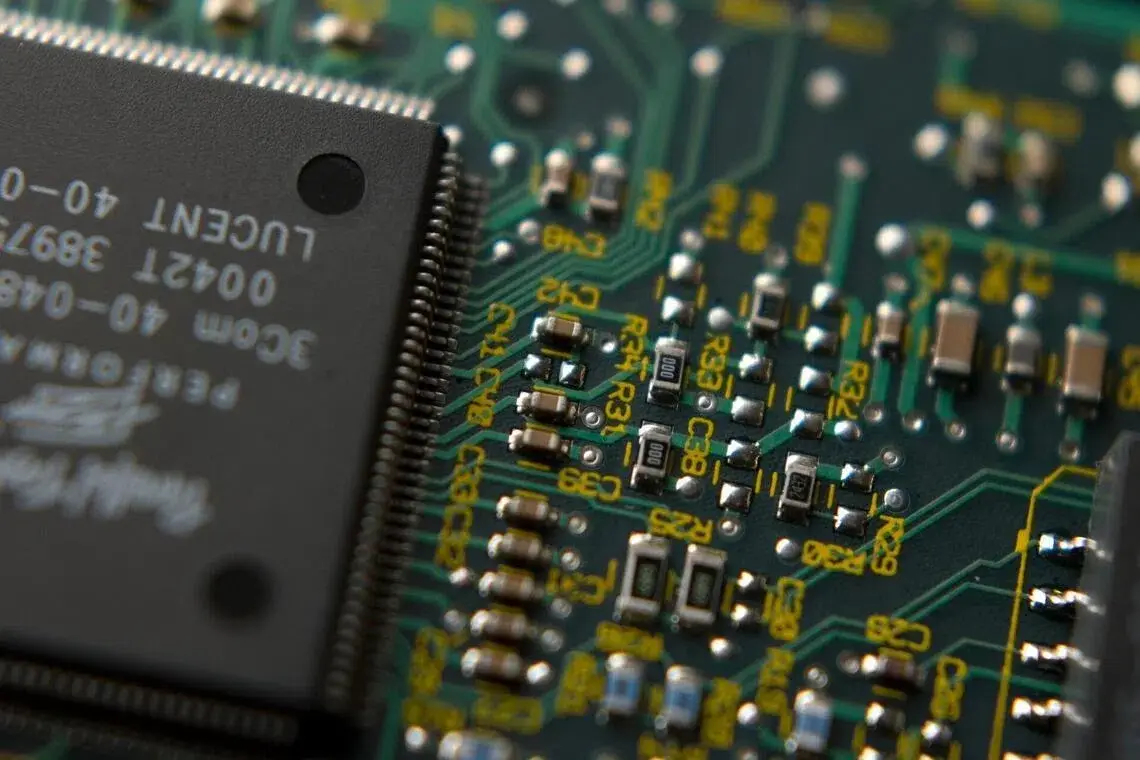
Raw computing power is useless if processing cores are left waiting for data. High-bandwidth memory (HBM) and layered on-chip caches deliver data at speeds exceeding terabytes per second, keeping the compute engine constantly saturated.

From Pixels to Intelligence
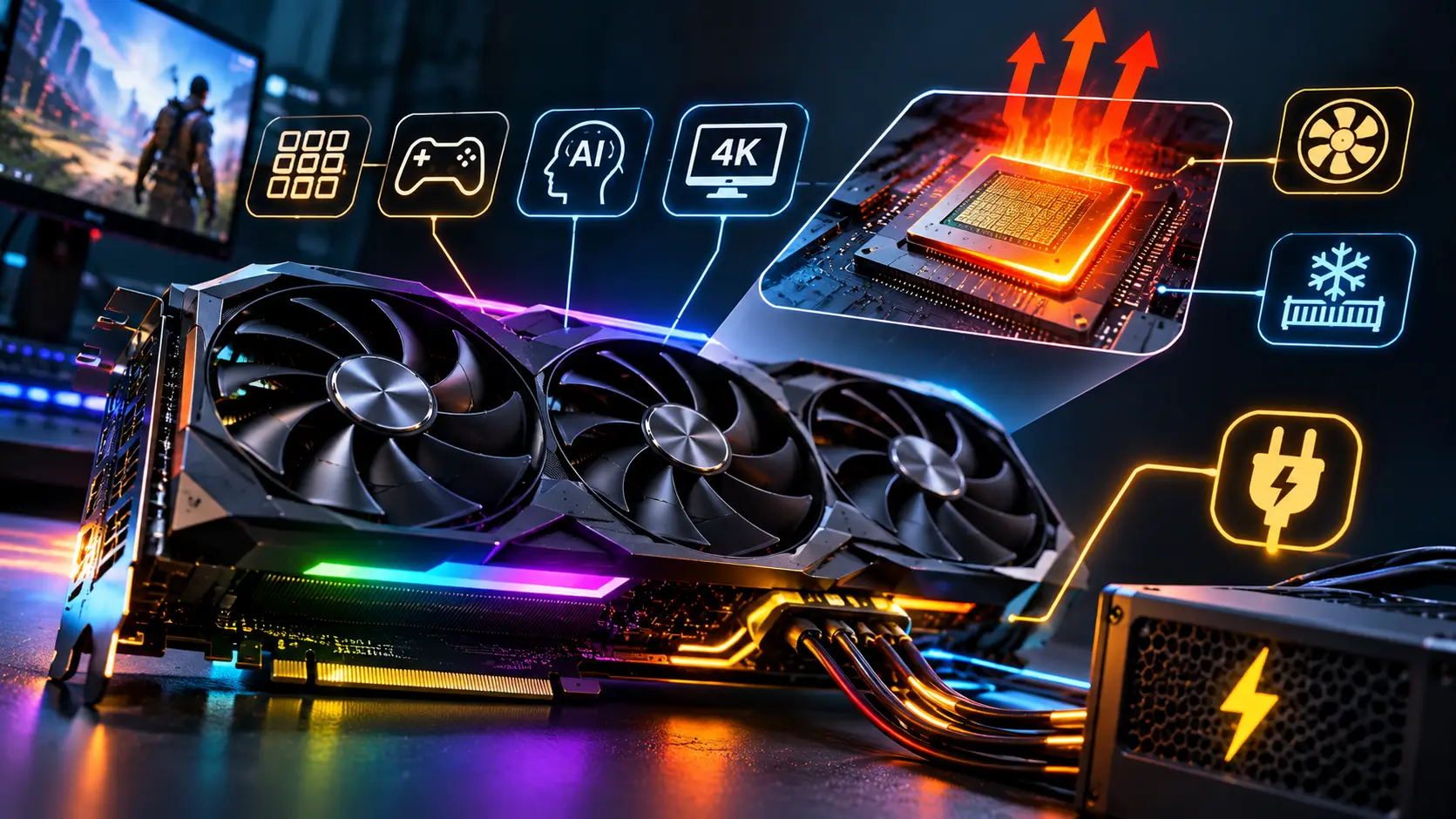
Originally engineered in the late 1990s to render fast-paced 3D video game graphics, the underlying architecture proved mathematically identical to the linear algebra required by artificial intelligence. This seamless crossover turned graphics cards into the engine of the global AI boom.
A Critical Global Asset
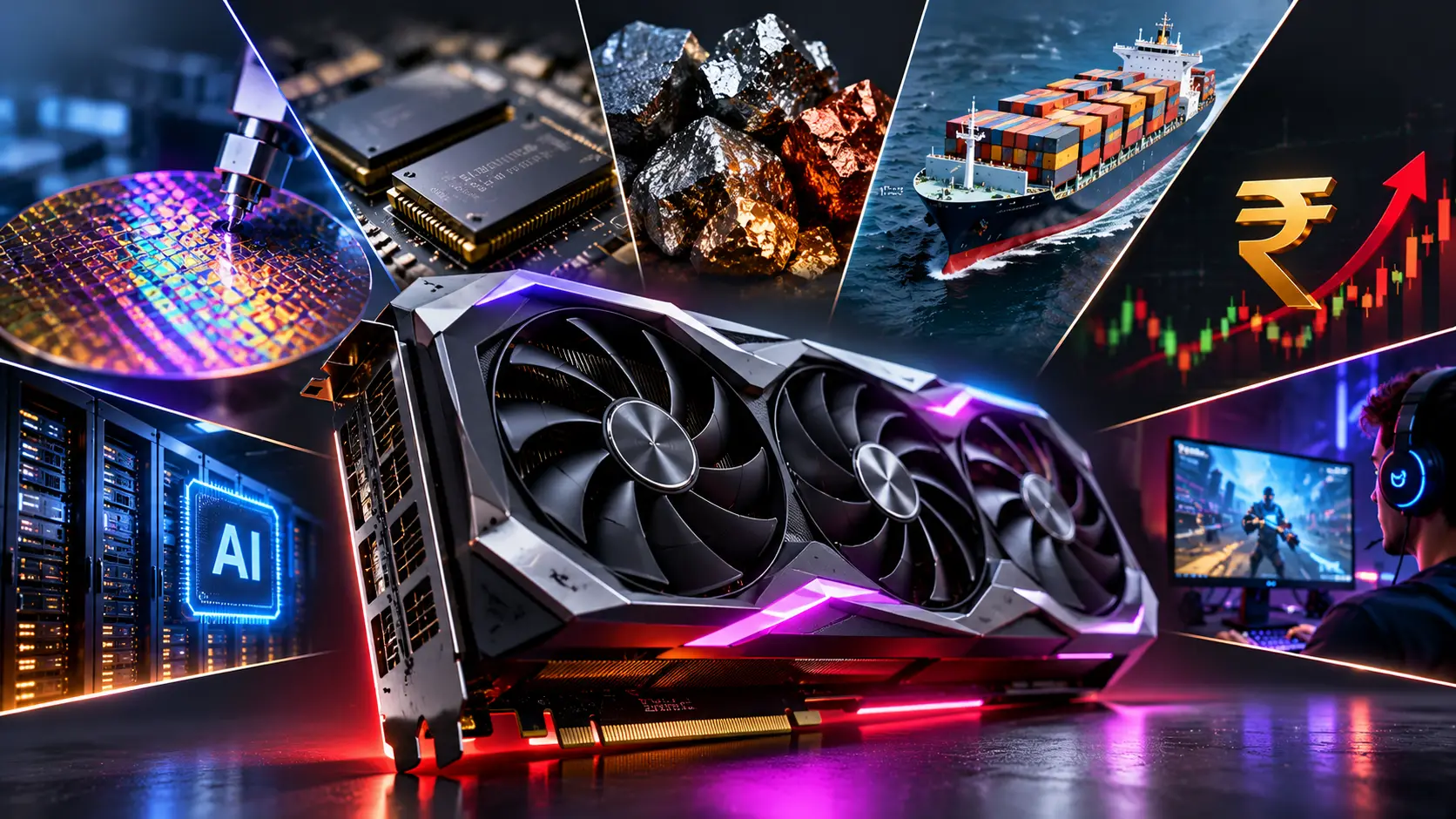
Today, high-end accelerators form the physical backbone of global cloud computing, data centres, and scientific discovery. Their unmatched ability to handle dense matrix transformations has elevated them to vital strategic assets in modern technology.