Why do graphics cards have thousands of small processing cores?

Graphics cards pack thousands of small cores to process millions of pixel and matrix calculations simultaneously. This parallel architecture eliminates bottlenecks, powering everything from 3D gaming to modern AI.
The Core Philosophy
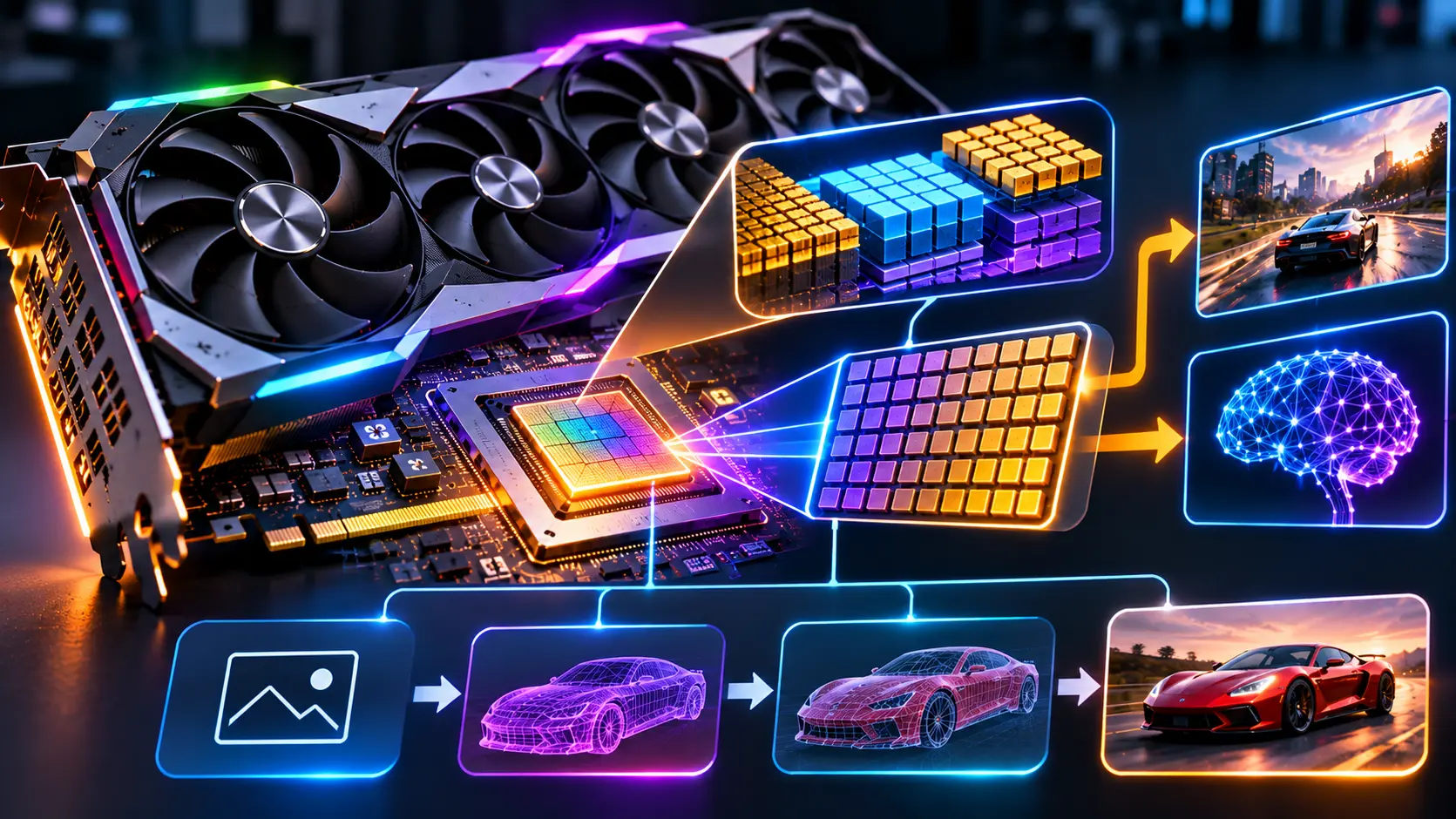
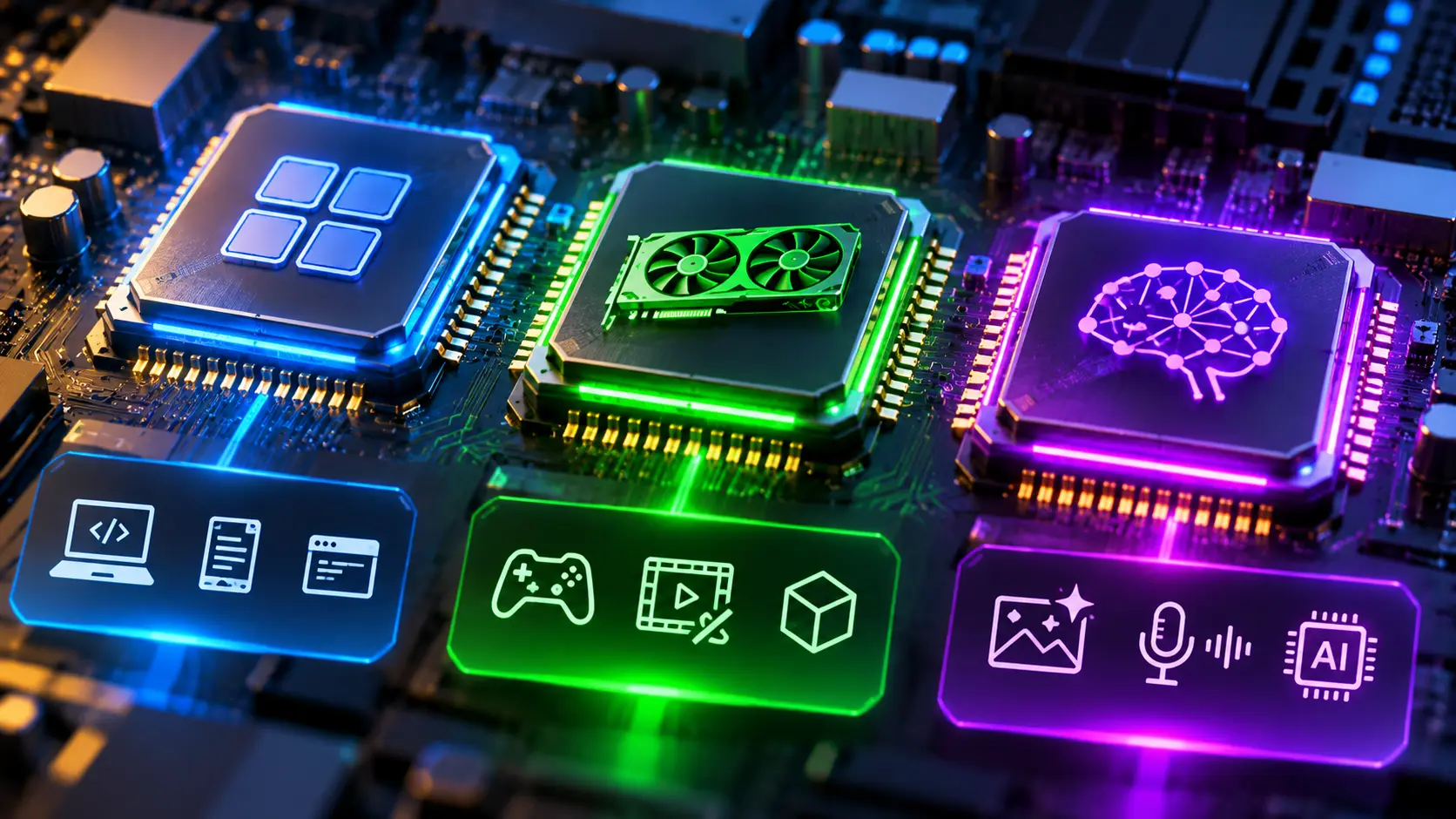
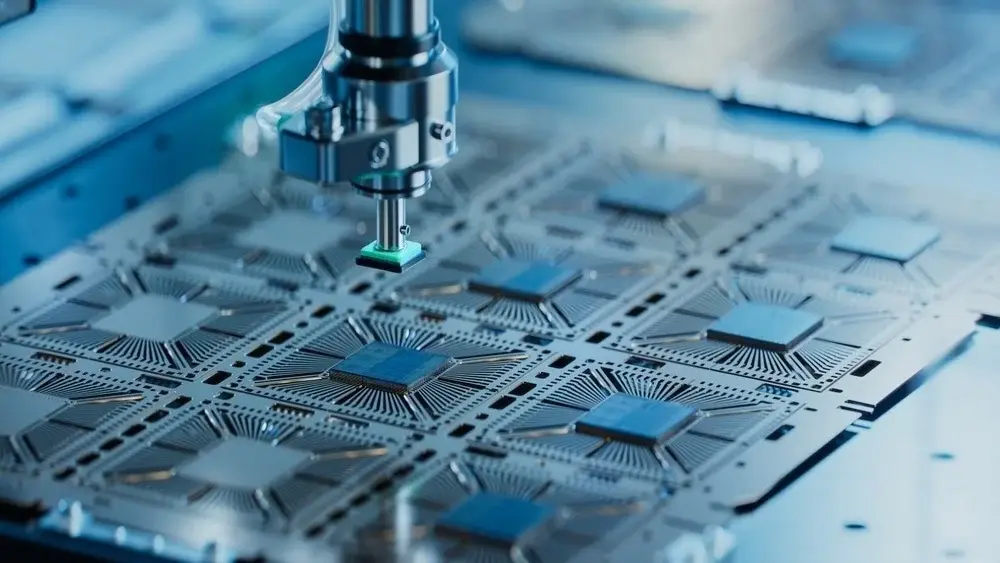
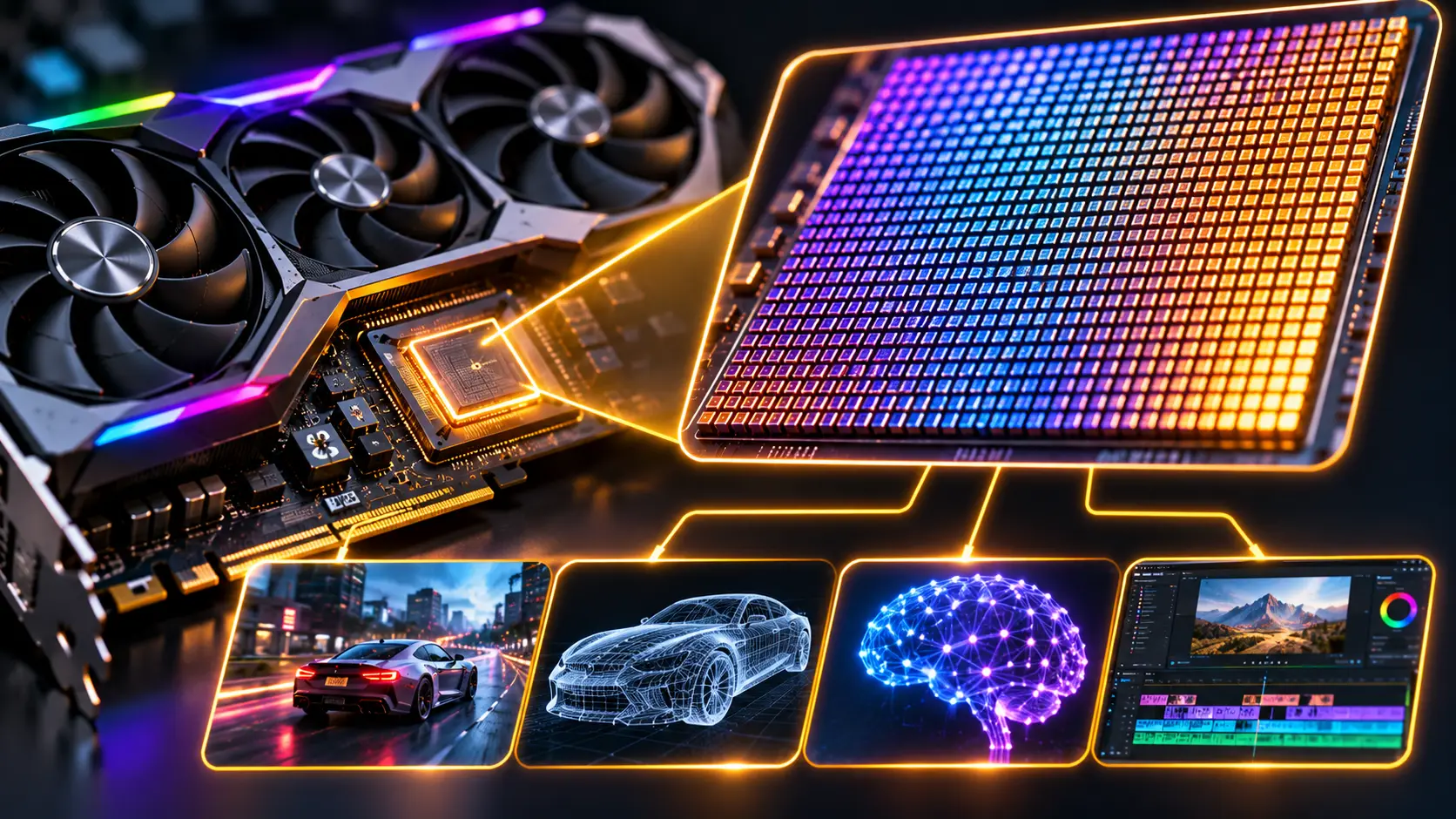
A standard central processor relies on a few heavy-duty cores to handle sequential tasks. In stark contrast, a graphics card packs thousands of tiny, streamlined processing units designed for heavy parallel execution.
Rendering Millions of Pixels
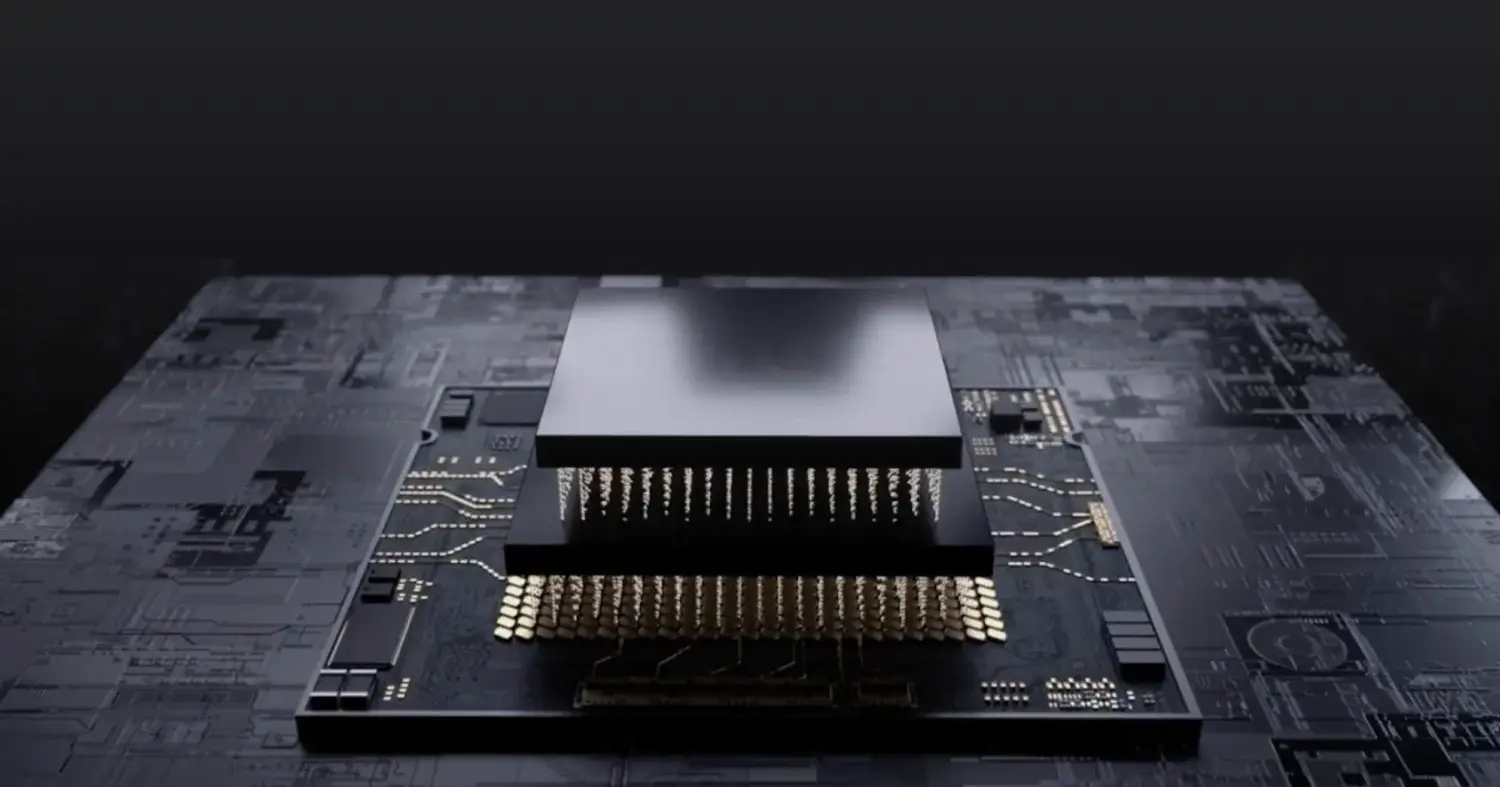
Rendering high-resolution 3D video game graphics requires calculating the lighting, shading, and position of millions of individual pixels simultaneously. Thousands of separate cores allow the processor to handle these independent geometric equations all at once.
The SIMT Advantage
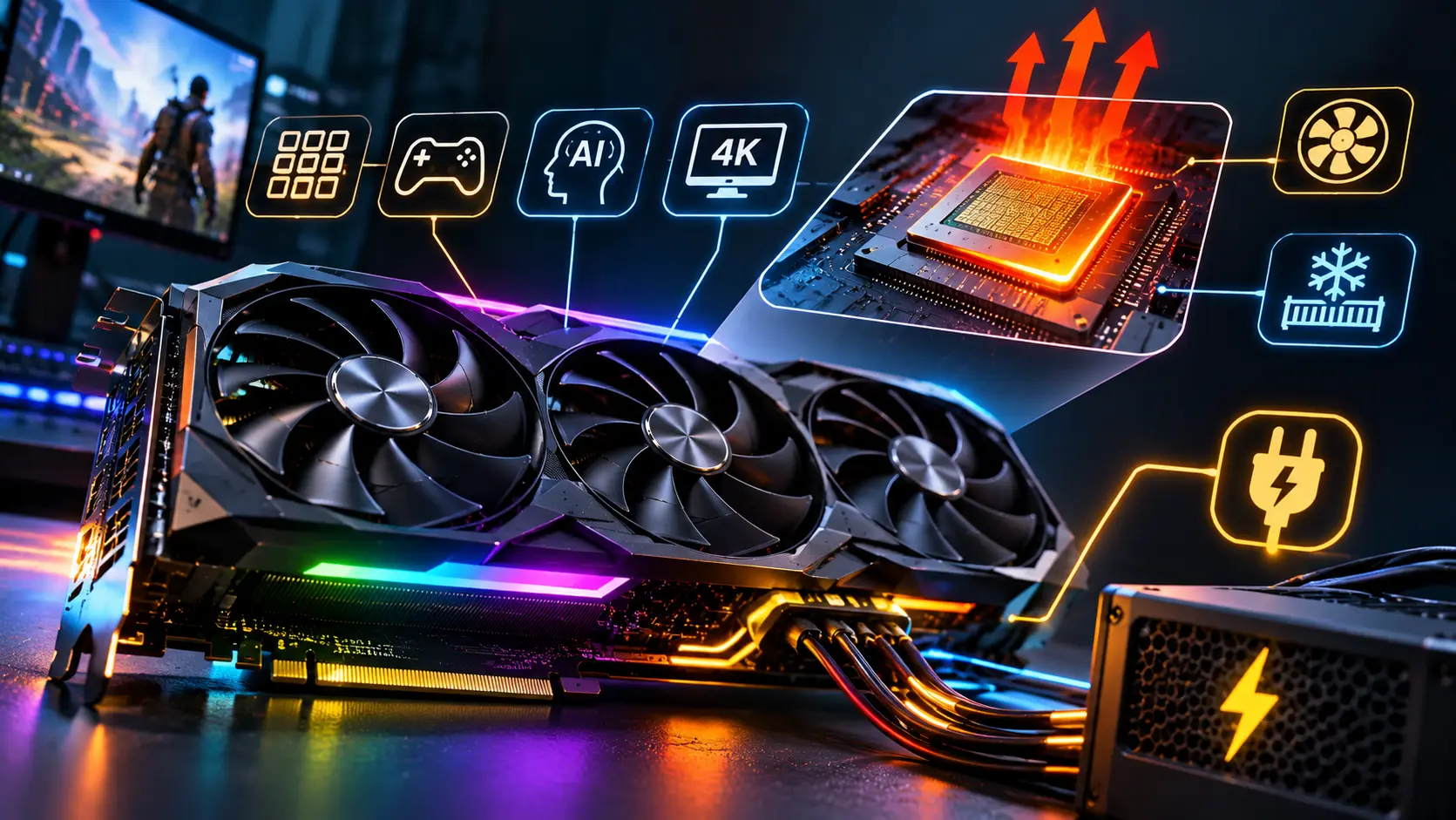
Modern graphics cards execute instructions using a Single Instruction, Multiple Threads model. This architecture ensures that thousands of cores work in tight synchronization, applying the exact same mathematical operation across vast arrays of data.
Beating the Bottleneck
If a GPU relied on traditional sequential processing, rendering realistic real-time environments would take minutes per frame instead of fractions of a second. Distributing the mathematical load across thousands of miniature units eliminates processing bottlenecks.
Fueling the AI Boom
This exact multi-core architecture proved mathematically identical to the matrix operations required by artificial intelligence. The thousands of cores originally built for video games now form the core engine for training massive neural networks.
Managing Thermal Limits
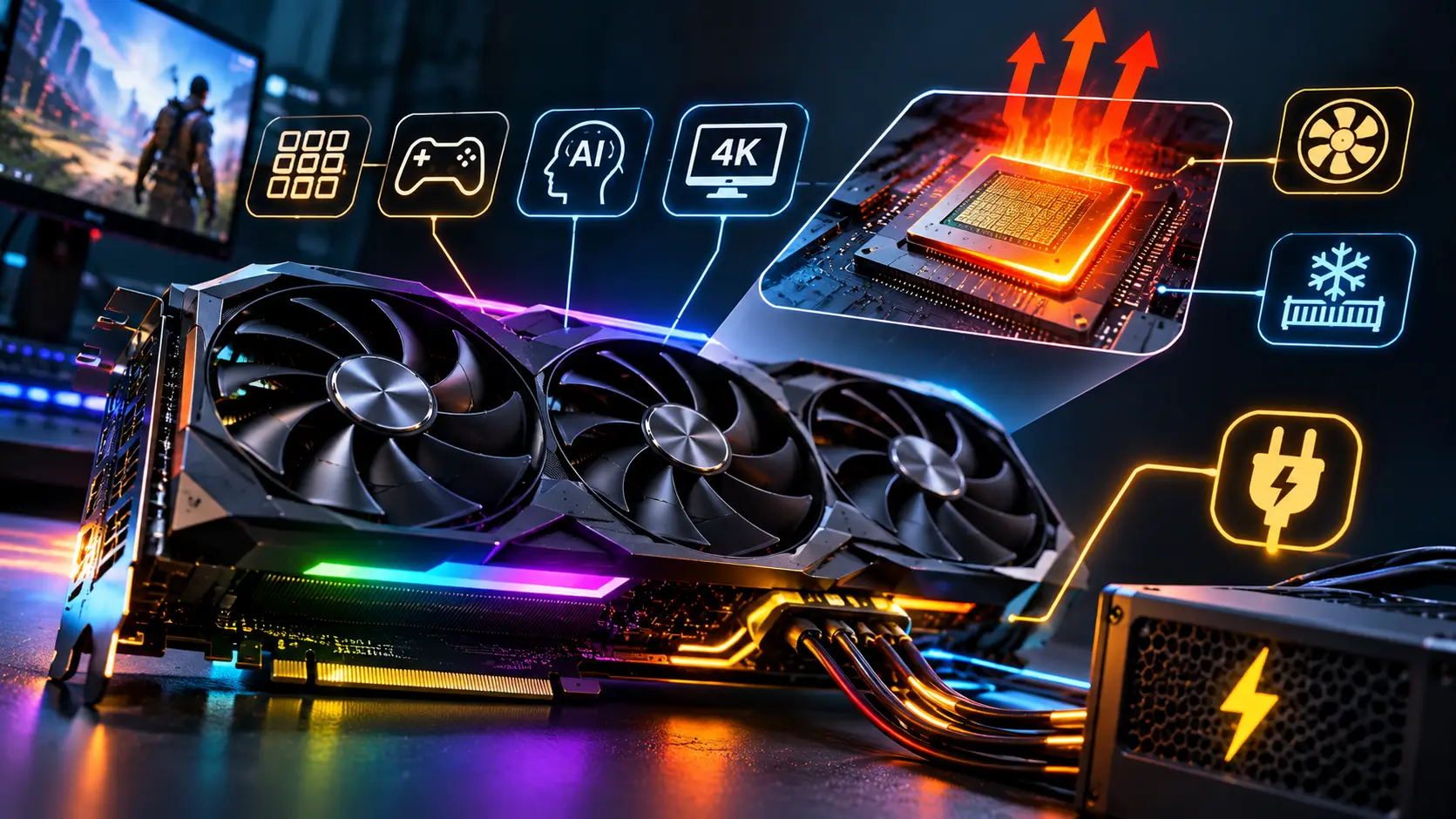
Packing thousands of active processing cores onto a single silicon die generates immense operational heat. Modern cards use advanced vapor chambers and high-density copper heat sinks to maintain stable performance under heavy workloads.
The Modern Standard
From photorealistic ray tracing in modern gaming to real-time generative artificial intelligence, thousands of tiny cores define contemporary computing power. This unique multi-core design remains the undisputed gold standard for high-performance processors.