Why are modern GPUs so expensive? 7 things that drive graphics card prices

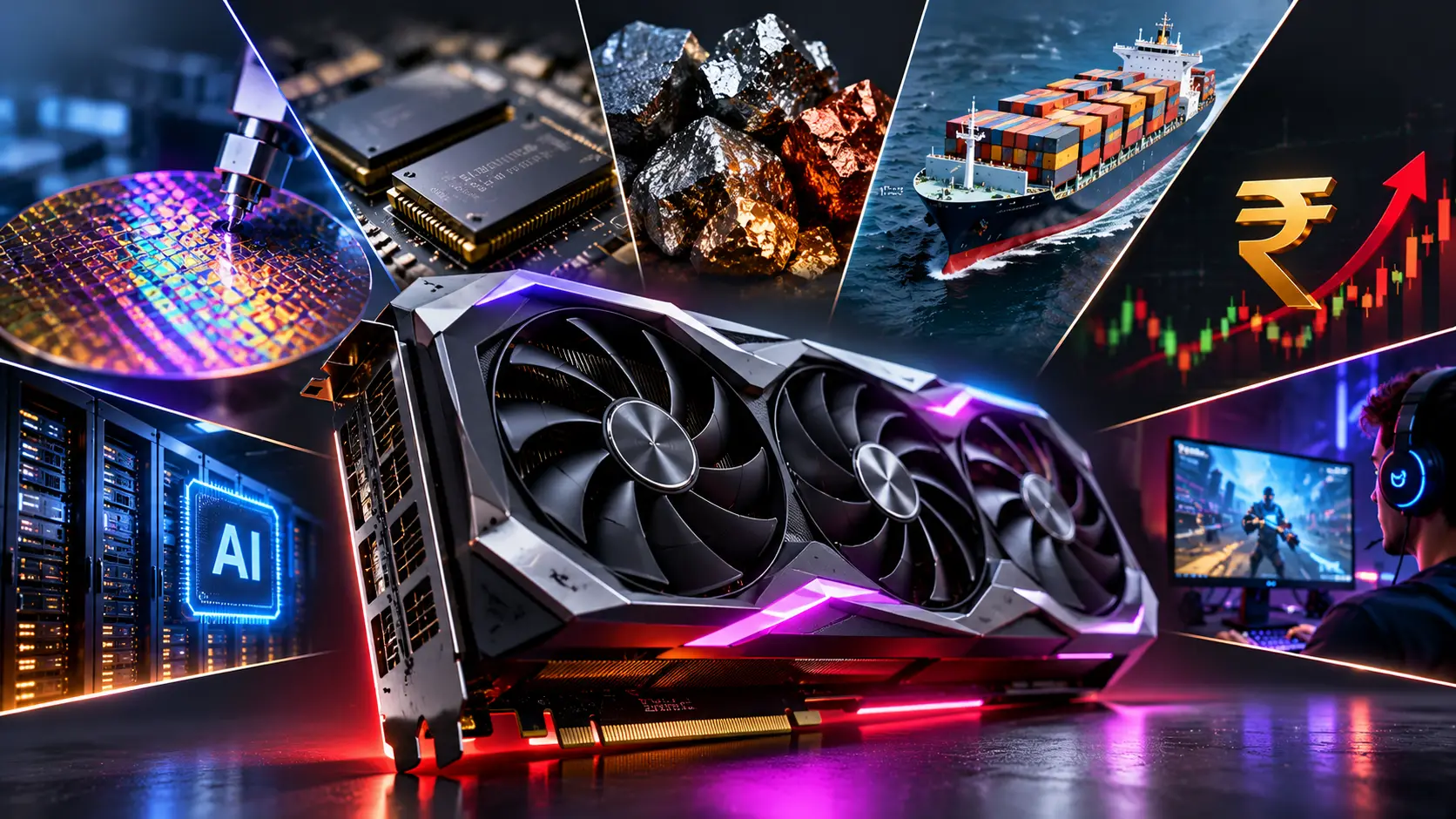
Modern GPUs are expensive due to USD 19,500 silicon wafers, advanced 3nm packaging, scarce high-bandwidth memory, and massive die sizes. Surging enterprise AI demand and retail speculation further inflate consumer prices.
Cutting-Edge Silicon Wafers
Modern graphics processors are built on ultra-advanced semiconductor nodes like TSMC's 3nm process. A single cutting-edge silicon wafer costs upwards of USD 19,500 to produce, drastically raising the baseline manufacturing cost before a single card is assembled.
The Insatiable AI Boom
The explosive global demand for artificial intelligence infrastructure has created intense competition for manufacturing capacity. Hyperscalers and data centres buy high-end processors in massive volumes, squeezing consumer supply and driving market prices skyward.
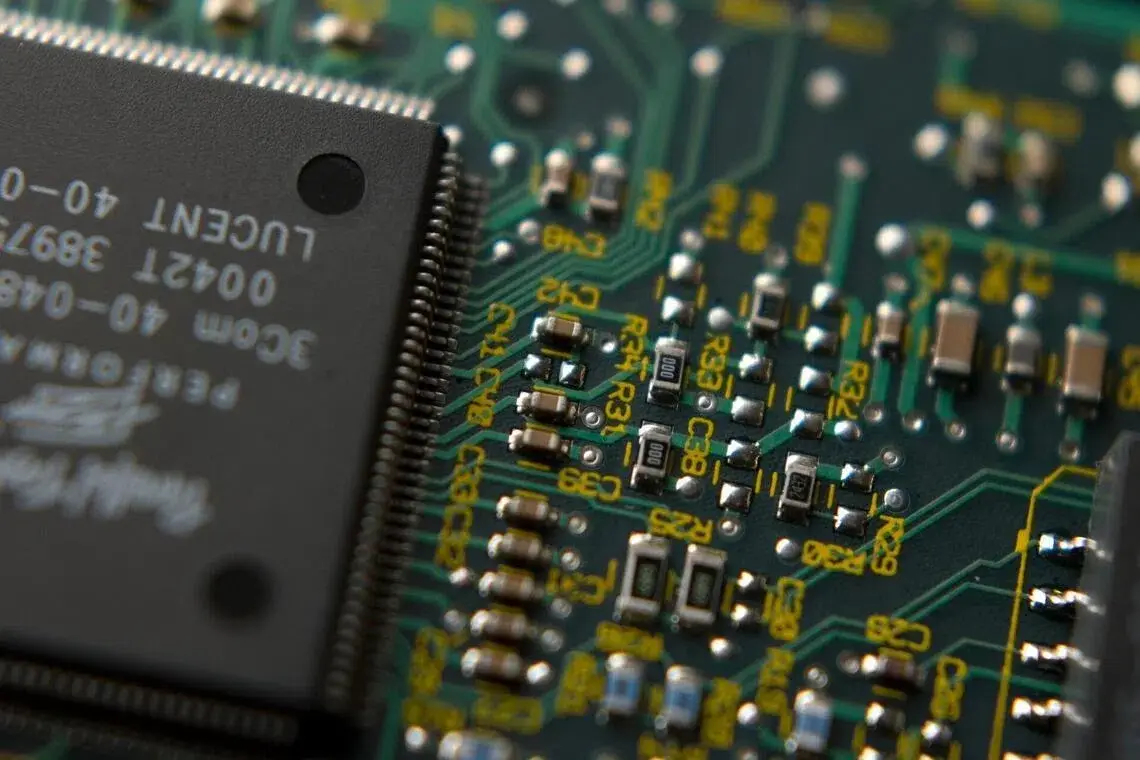
Advanced Multi-Die Packaging
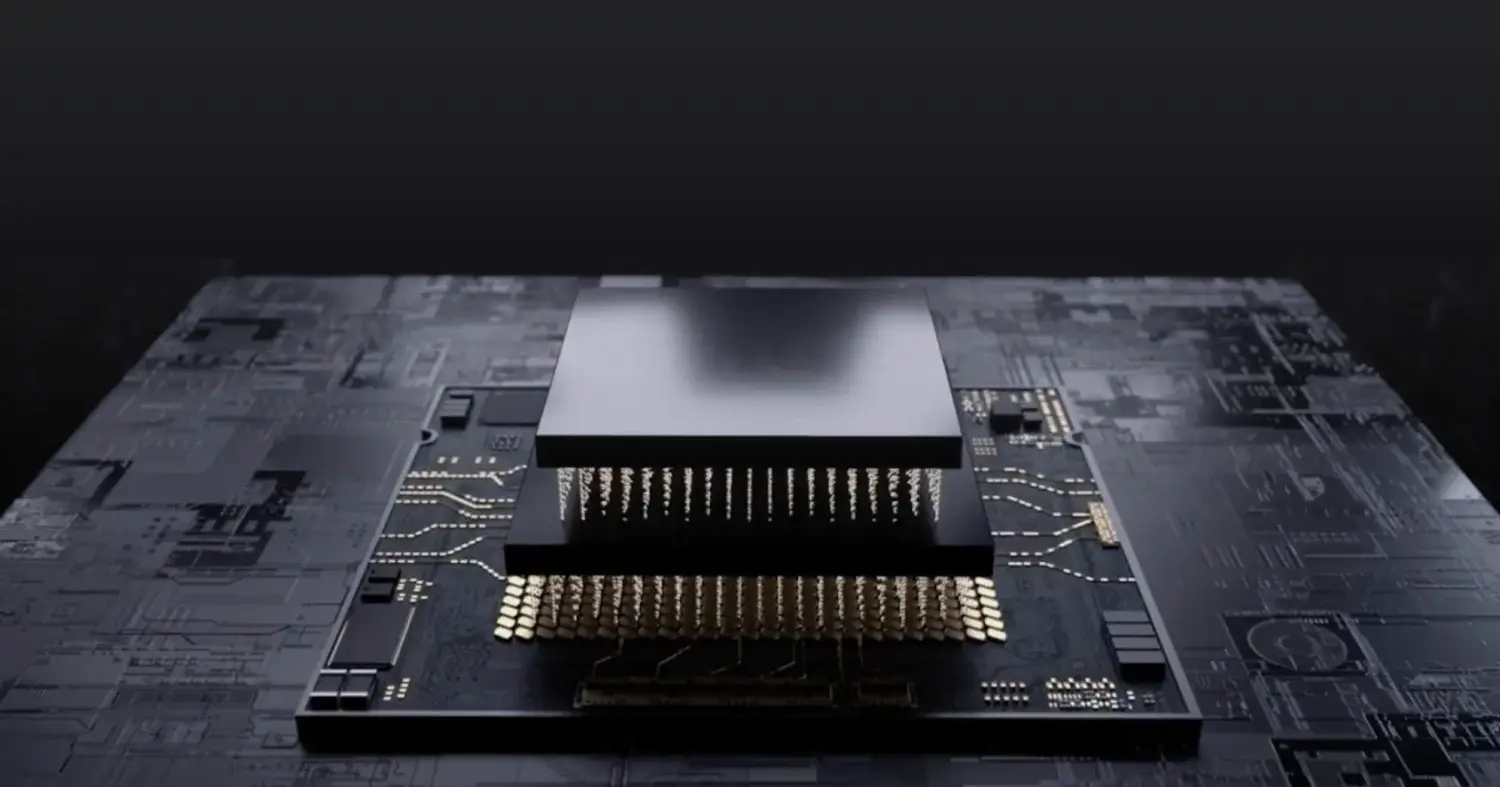
Modern flagship cards require complex 2.5D and 3D packaging technologies, such as CoWoS, to bind multiple chiplets together. This intricate packaging process adds hundreds of dollars in specialized overhead per unit.
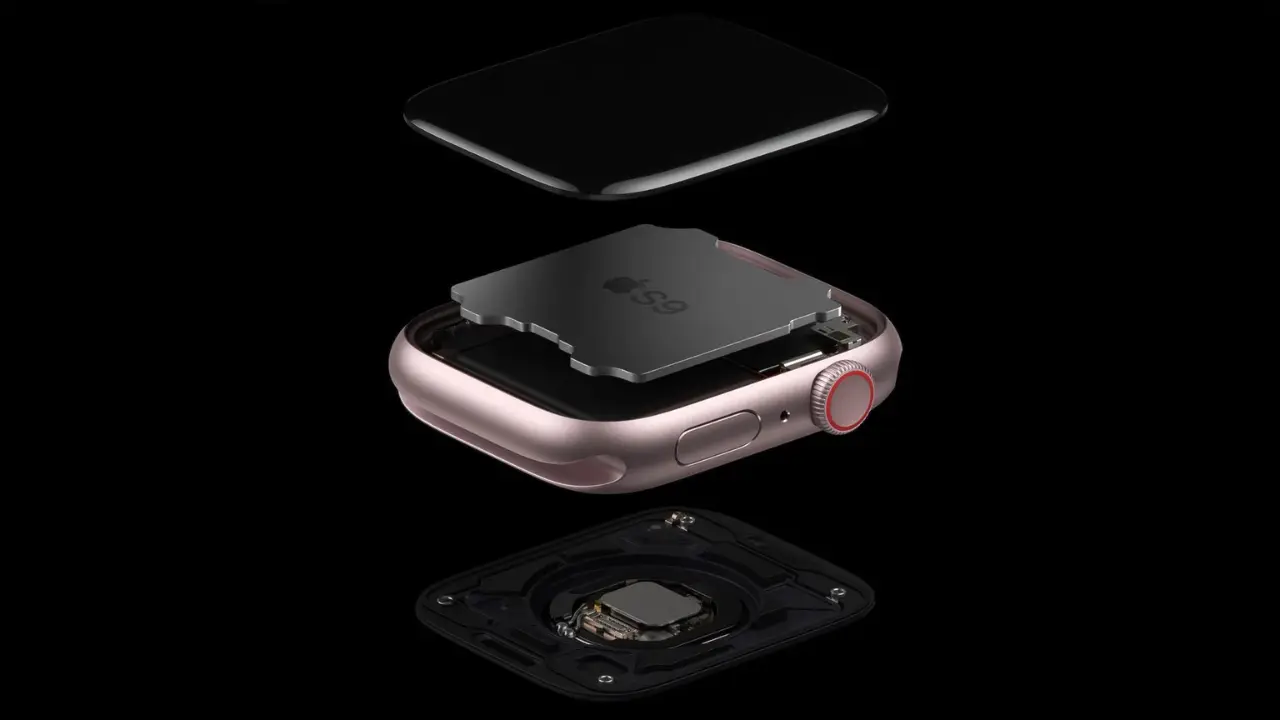
High Bandwidth Memory Costs
To feed thousands of parallel cores, modern GPUs rely on expensive High Bandwidth Memory (HBM). Stacking these specialized memory dies tightly onto the processor package adds a significant multi-thousand-dollar burden to overall production costs.
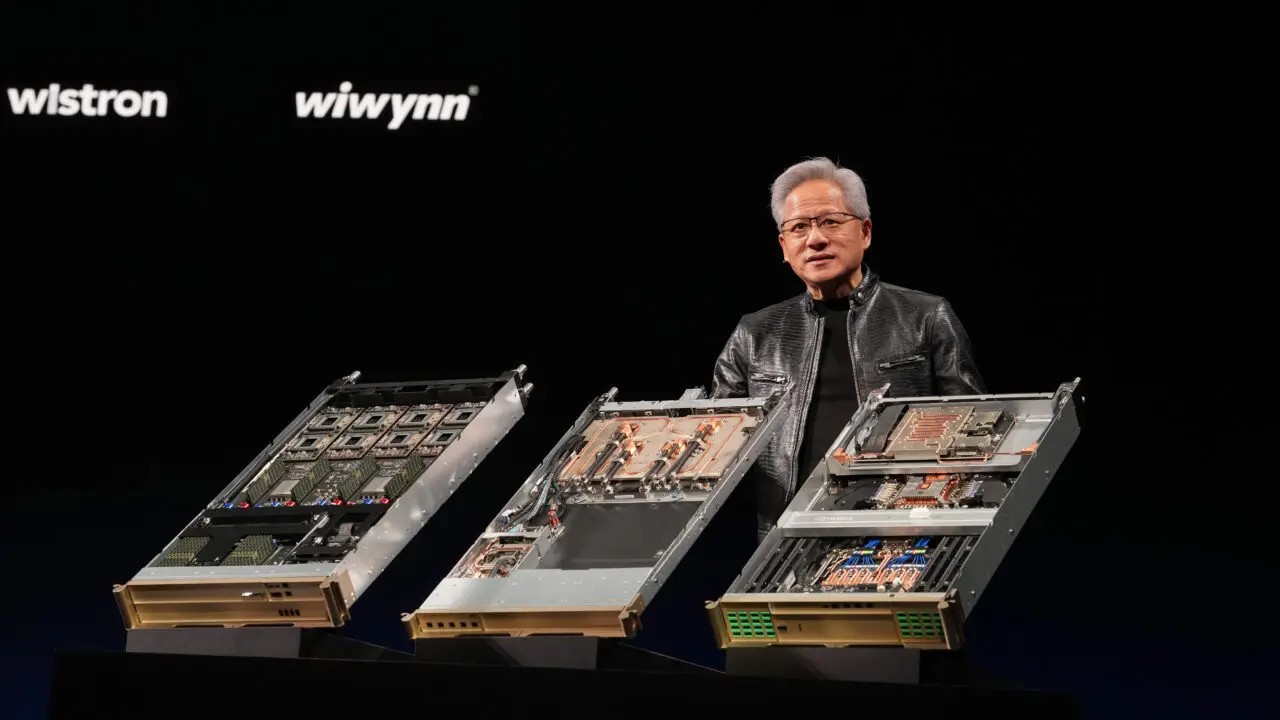
Massive Die Sizes
Unlike small mobile phone chips, high-end graphics processors feature massive physical dies exceeding 600 square millimetres. Larger dies drastically lower manufacturing yields, as a single microscopic dust speck can ruin an entire multi-thousand-dollar silicon square.

Complex Cooling and Power Delivery
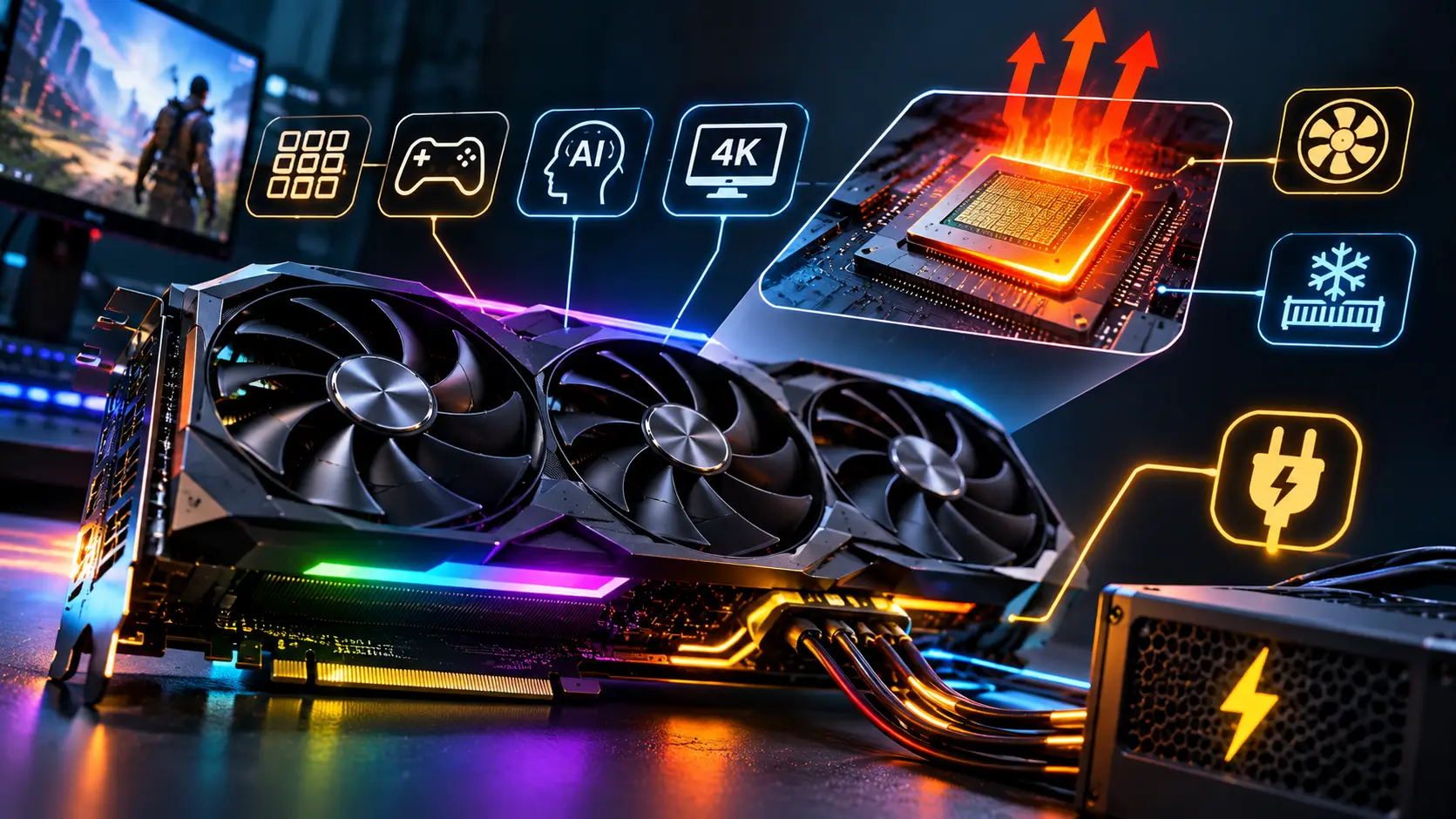
Flagship cards drawing over 500 watts require heavy-duty engineering, including massive vapour chambers, thick copper heat sinks, and custom voltage regulator modules. These premium physical materials significantly increase the final retail build cost.
Market Speculation and Markup
Global supply bottlenecks create intense retail anxiety, encouraging third-party scalpers and distributors to inflate prices. When inventory runs low, high-demand cards regularly sell for 30 to 50 per cent above official manufacturer suggested retail prices.