Protesters burn security post at US Embassy in Iraq; Pentagon sending additional troops to region

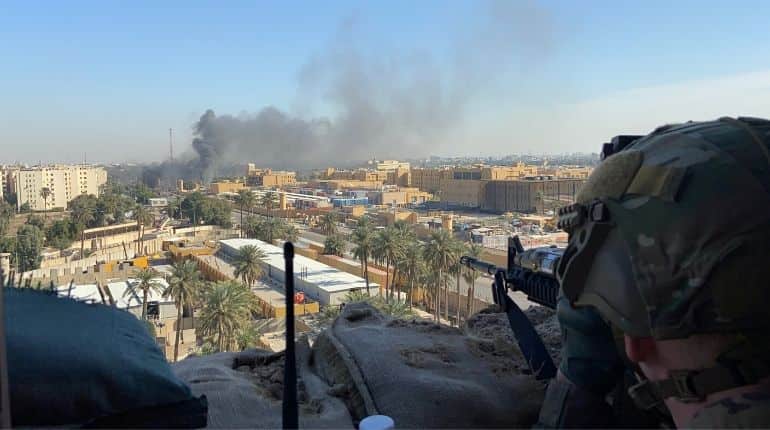
US Army soldier
Protestersangry aboutUSairstrikes onIraqhurled stones and torched asecuritypostat theUSEmbassyin Baghdad on Tuesday, setting off a confrontation with guards and prompting the United States to sendadditionaltroopsto the Middle East.
The protests, led by Iranian-backed militias, posed a new foreign policy challenge forUSPresident Donald Trump, who faces re-election in 2020. He threatened to retaliate against Iran.
The State Department said diplomatic personnel inside were safe and there were no plans to evacuate them.

Embassyguards used stun grenades and tear gas to repelprotesters, who stormed andburned thesecuritypostat the entrance but did not breach the main compound.
ThePentagonsaid that in addition to Marines sent to protectembassypersonnel, about 750 soldiers from the 82nd Airborne Division were being sent to the Middle East and thatadditionaltroopswere prepared to deploy over the next several days.
)
Justice eludes Air India 1985 bombing victims as Canada probe goes 'inactive' | Gravitas
)
Trump revives India-Middle East-Europe economic corridor as India emerges central to West Asia’s future: What is it?
)
Erdogan again raises Kashmir issue at UNGA, calls for dialogue under UN Charter
)
Trump signs Greenland security deal with Denmark, paving way for two new US military bases
)
IND vs JPN T20I: How an overturned wide became point of difference between India's win and a tie
)
Trump-Xi summit: From trade to Taiwan, what will the US and Chinese presidents discuss in Washington?
)
Cyclone Arnab: Landfall expected before midnight tomorrow as IMD issues orange alerts across six states
)
ICC plans T20I expansion and fewer ODIs in 2027–2031 FTP cycle: Report
)
US-China tech war: Businesses in the front line
)
'Mumma’s boy from Gwalior who dared to dream': Kartik Aaryan pens long note after first National Award win
)
Gravitas | Boosting NHS productivity could save 20,600 lives in UK annually: Report
)
Nor'easter could batter 13 US states this week. What you should know
)
US and China vie for AI dominance as calls grow for regulation | Gravitas
)
Yemen clashes kill 154 people in two days as cornered Saudi battles Houthi offensive | Gravitas
)
Bomb scare in New York amid UNGA: Suspicious suitcase found near UN headquarters
)
IND vs JPN, one-off T20I: Japan captain Kendel on pushing India to the brink - ‘It was special’
)
Mikel Arteta verbally agrees to three-year extension with Arsenal after title-winning Premier League season
)
WION Iconic Tourism Summit and Awards 2026: Key voices to discuss India’s tourism future
)
WION Iconic Tourism Summit and Iconic Awards 2026: India's travel economy leaders gather in Delhi
)
Oil slips to $98 as Saudi Arabia restarts East-West oil pipeline
&im=FitAndFill=(700,400))
New OTT releases this week (September 21-27, 2026): Shaque: Trust No One, Hunkkaar, Don’t Be Shy- 5 new titles coming to Netflix, Prime Video and more
)
81st UN General Assembly: Burnham announces UK-US AI defence tie-up
)
Trump calls on nations to quit ‘rogue’ and ‘out-of-control’ International Criminal Court, rips UN
)
Infections transmitted from pregnant woman linked to autism risk
)
'What kind of confession is this?': Pakistan PM Shehbaz Sharif’s 'terrorists would be roaming New York' remark goes viral, raises alarm online. Watch
)
Elephants hide behind trees, stage surprise attack on poachers targeting rhinos in South Africa
)
IIT Bombay professor Suryanarayana Doolla sent on leave amid Sahil Wakode death probe
&im=FitAndFill=(700,400))
National Film Awards 2026: Kartik Aaryan, Mammootty, Yami Gautam, Randeep Hooda and other key winners
)
Anne Hathaway to run in supporting race for Nolan's epic
)
Over 4,200 books withdrawn from circulation in J&K colleges, 94% from Kashmir
)
From Gaddafi tearing up UN Charter to Trump’s ‘escalatorgate’: Most unforgettable UNGA moments
)
Explainer: Why rare-earth export licences and Board of Trade are US priorities ahead of Trump-Xi summit
)
Asia prepares for record El Nino, food shock
)
Forget apps: Qualcomm CEO says AI agents will change how we use smartphones
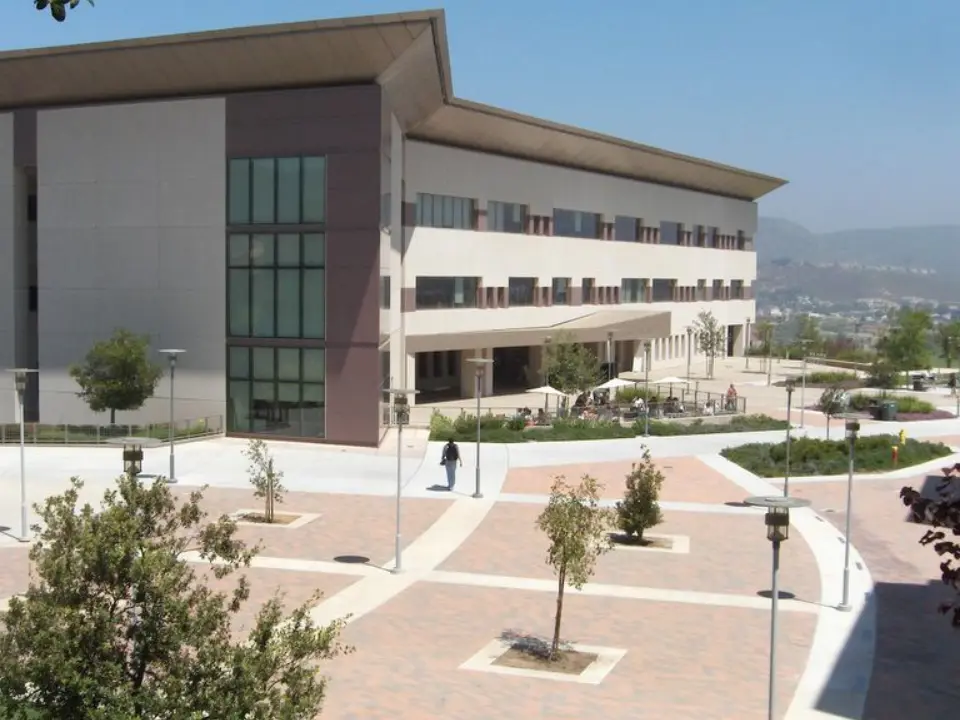)
Four female students raped during 'Red Zone' at California university. What we know
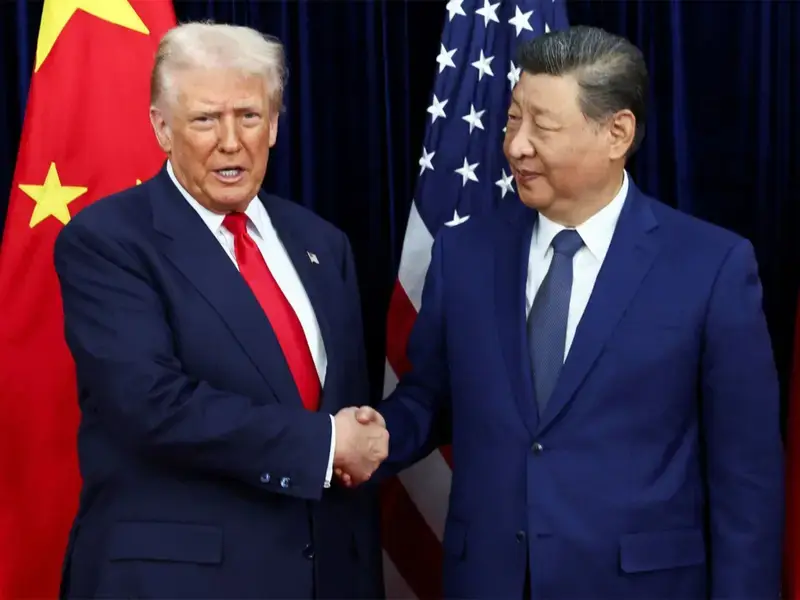)
'Taiwan and human rights are red lines': China warns US ahead of Xi-Trump visit
"This deployment is an appropriate and precautionary action taken in response to increased threat levels againstUSpersonnel and facilities, such as we witnessed in Baghdad today,"USDefense Secretary Mark Esper said in a statement.
USofficials, speaking on condition of anonymity, said the 750troopswould initially be based out of Kuwait. The officials said that as many as 4,000troopscould be sent to theregionin the coming days if needed.

More than 5,000UStroopsare stationed inIraqsupporting local forces.
The unprecedented attack on an American diplomatic mission inIraqmarked a sharp escalation of the proxy conflict between the United States and Iran both influential players in the country - and plungedUSrelations withIraqto their worst level in years.
The United States and its allies invadedIraqin 2003 and ousted Saddam Hussein. But political stability has been elusive.
Trump, on a two-week working vacation in Palm Beach, Florida, spoke by phone toIraqi Prime Minister Adel Abdul Mahdi ofIraq. "President Trump emphasized the need to protect United States personnel and facilities inIraq," the White House said.
Trump accused Iran of orchestrating the violence.
"Iran will be held fully responsible for lives lost, or damage incurred, at any of our facilities. They will pay a very BIG PRICE! This is not a Warning, it is a Threat," Trump said in a tweet.
Iran, under severe economic duress from punishingUSsanctions put in place by Trump, denied responsibility.
"America has the surprising audacity of attributing to Iran the protests of theIraqi people against (Washington's) savage killing of at least 25Iraqis," Iranian Foreign Ministry spokesman Abbas Mousavi said.

Theembassyincident came seven years after the 2012 attack by armed militants on theUSdiplomatic compound in Benghazi, Libya, that resulted in the death of theUSambassador and three other Americans and led to multiple congressional investigations.
The protests followedUSairstrikes on Sunday on bases operated by the Iranian-backed militia Kataib Hezbollah insideIraq, which killed at least 25 fighters and wounded 55. The strikes were retaliation for the killing of aUScivilian contractor in a rocket attack on anIraqi military base, which Washington blamed on Kataib Hezbollah.
"Iran killed an American contractor, wounding many. We strongly responded, and always will," Trump said in a tweet. "Now Iran is orchestrating an attack on theUSEmbassyinIraq. They will be held fully responsible."
Democratsupset that Trump ditched the Iran nuclear deal negotiated by Democratic President Barack Obama in 2015 were quick to pounce on the incident as a failure of Trump's Iran policy.
"The predictable result of the Trump administration’s reckless bluster, escalation, and miscalculation in the Middle East is that we are now hurtling closer to an unauthorized war with Iran that the American people do not support," saidUSSenator Tom Udall, a Democratic member of the Senate Foreign Relations Committee.
Theprotesters joined briefly by Iranian-backed Shi'ite Muslim militia leaders, threw stones at theembassygate, while others chanted: "No, no, America! No, no, Trump!"

Iraqi special forces preventedprotestersentering, later reinforced byUS-trainedIraqi Counter-Terrorism forces.
Theembassyhas been hit by sporadic but non-lethal rocket fire in recent months, and was regularly shelled following theUS-led invasion of 2003, but had not been physically attacked by demonstrators in that way before.
USSecretary of State Mike Pompeo told CBS News thatUSofficials never contemplated evacuating theembassyand had kept the heat onIraqi officials to ensure the compound was safe.
"We reminded them throughout the day of their continued responsibility," he said.
The Popular Mobilisation Forces, an umbrella grouping of the militias that have been officially integrated intoIraq's armed forces, said 62 militiamen and civilians were wounded by the tear gas and stun grenades fired to disperse the crowd.
A Reuters witness saw blood on the face of one wounded militiaman and on the stomach of the other as their colleaguescarried them away.
Iraqis have been taking to the streets in the thousands almost daily to condemn, among other things, militias such as Kataib Hezbollah and their Iranian patrons that support Abdul Mahdi's government.
Kataib Hezbollah is one of the smallest but most potent of the Iranian-backed militias. Its flags were hung on the fence surrounding theembassy.