

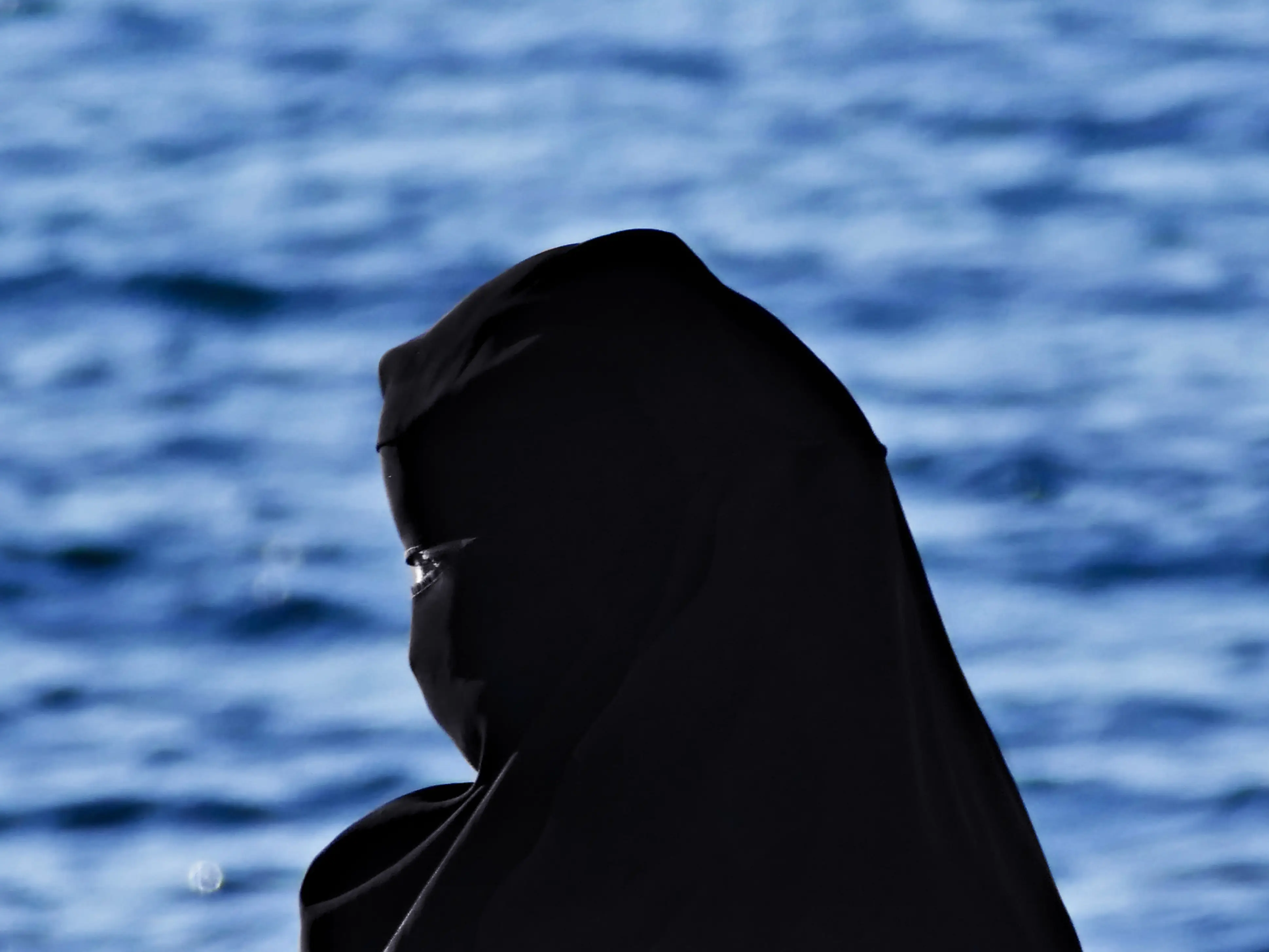
&imwidth=800&imheight=600&format=webp&quality=medium "Portugal bans full-face veils: 7 Asian, 3 African, 8 European countries also have similar restrictions | FULL LIST")
Portugal president has enacted a law that bans the concealment of faces in public. Portugal President Antonio Jose Seguro said in a statement, that the face must be considered a central element of human identity and communication. The bill was originally introduced by the far-right Chega party and passed the Portuguese parliament with a two-thirds majority, receiving support from the right-wing governing coalition while left-wing parties voted against it. The law prohibits the wearing of garments designed to conceal the face or prevent identification in public spaces, as well as any coercion forcing a person to cover their face for reasons related to gender, religion, age or origin. Violators will face fines ranging from €150 to €3,000. Exemptions are provided for reasons such as health, professional, artistic or weather-related needs, as well as within places of worship, diplomatic missions and on airplanes.
Human rights groups, including Amnesty International, argue that the law disproportionately targets Muslim women, limits religious freedom, and restricts personal autonomy. Proponents contend the measure is necessary to uphold gender equality, national security, and transparent public communication. With this law, Portugal joins several other European nations that enforce full or partial bans on public face coverings.
Which other countries have banned the burqa or full-face veils?
At least 24 countries worldwide have enacted full or partial bans on the burqa and niqab, spanning across Europe, Africa, and Asia. France became the first European country to enforce a nationwide ban in 2011, followed by Belgium later that year. Austria banned full-face veils in public spaces in 2017, while Denmark introduced a nationwide ban on face coverings in 2018. Switzerland’s nationwide ban came into force in January 2025 after voters approved it in a referendum. Bulgaria also enforces a nationwide restriction, while the Netherlands has a partial ban covering places such as public transport, schools and hospitals. Norway restricts face veils in educational institutions, including schools, nurseries and universities.
Trending Stories
&im=FitAndFill=(700,400)&imwidth=180&imheight=135&format=webp&quality=medium)
What is the real meaning behind Pete Hegseth's tattoos?
&imwidth=180&imheight=135&format=webp&quality=medium)
UK navy hit by espionage scandal: Sailor accused of spying for Russia | Gravitas
&imwidth=180&imheight=135&format=webp&quality=medium)
Katie Zacharia likely to succeed Karoline Leavitt as Trump's White House press secretary
&imwidth=180&imheight=135&format=webp&quality=medium)
‘Never-ending flow of cheap labour’: JD Vance hits back at Indian-origin Congresswoman over US green card curbs for major tech companies
&imwidth=180&imheight=135&format=webp&quality=medium)
Trump's naked 23-karat gold statue unveiled near European Parliament
&imwidth=180&imheight=135&format=webp&quality=medium)
‘Ruh Roh’: Top US official mocks ‘Indian market collapse’ claim after Trump’s IT curbs. But did it? | FACT CHECK
&imwidth=180&imheight=135&format=webp&quality=medium)
Can you be mean to AI? Anthropic’s new rules explicitly ban cruelty to Claude
&im=FitAndFill=(700,400)&imwidth=180&imheight=135&format=webp&quality=medium)
Fastest-growing Asian economies in 2026: Who tops the chart? Where does India rank?
&imwidth=180&imheight=135&format=webp&quality=medium)
Houthis continue direct hits on Saudi targets, Türkiye and Pakistan missing in action | Gravitas
&imwidth=180&imheight=135&format=webp&quality=medium)
'Do not stop it altogether': SC asks Centre to review Delhi Metro curbs ahead of Oct 10 protests
&imwidth=180&imheight=135&format=webp&quality=medium)
Jewar airport in Noida to be renamed Narendra Modi International Airport: CM Yogi
&imwidth=180&imheight=135&format=webp&quality=medium)
Russia president Putin promises to 'do everything' to help settle Middle East conflict as US-Iran negotiations stall
&imwidth=180&imheight=135&format=webp&quality=medium)
Powerful 7.7 magnitude earthquake strikes Panama, tsunami warning issued
&imwidth=180&imheight=135&format=webp&quality=medium)
BTS agency HYBE announces first-ever Weverse Con Festival in India
&imwidth=180&imheight=135&format=webp&quality=medium)
Trump has a new 'enemy': Anyone who calls it 'artificial intelligence'. Here's what we wants instead
&im=FitAndFill=(700,400)&imwidth=180&imheight=135&format=webp&quality=medium)
New Friday OTT releases (October 9, 2026): Reporting Live, Animals, Take Charge of My Heart- 6 new titles coming on Netflix, JioHotstar and more
&imwidth=180&imheight=135&format=webp&quality=medium)
BTS' RM urges Peru fans not to gather outside hotel: 'We can't sleep', It's becoming a nuisance'
&imwidth=180&imheight=135&format=webp&quality=medium)
Is Trump playing a double game with Iran?
&imwidth=180&imheight=135&format=webp&quality=medium)
Trump announces Russian diesel deal as Zelensky criticises move
&imwidth=180&imheight=135&format=webp&quality=medium)
Pakistan denies reports of PAF jets being used in attacks against Iran-backed Houthis in Yemen
&imwidth=180&imheight=135&format=webp&quality=medium)
New York ICE shooting sparks protests as Mamdani to call on Trump to halt ICE operations
&imwidth=180&imheight=135&format=webp&quality=medium)
IND vs WI: West Indies set record for highest successful run chase in T20Is against India
&imwidth=180&imheight=135&format=webp&quality=medium)
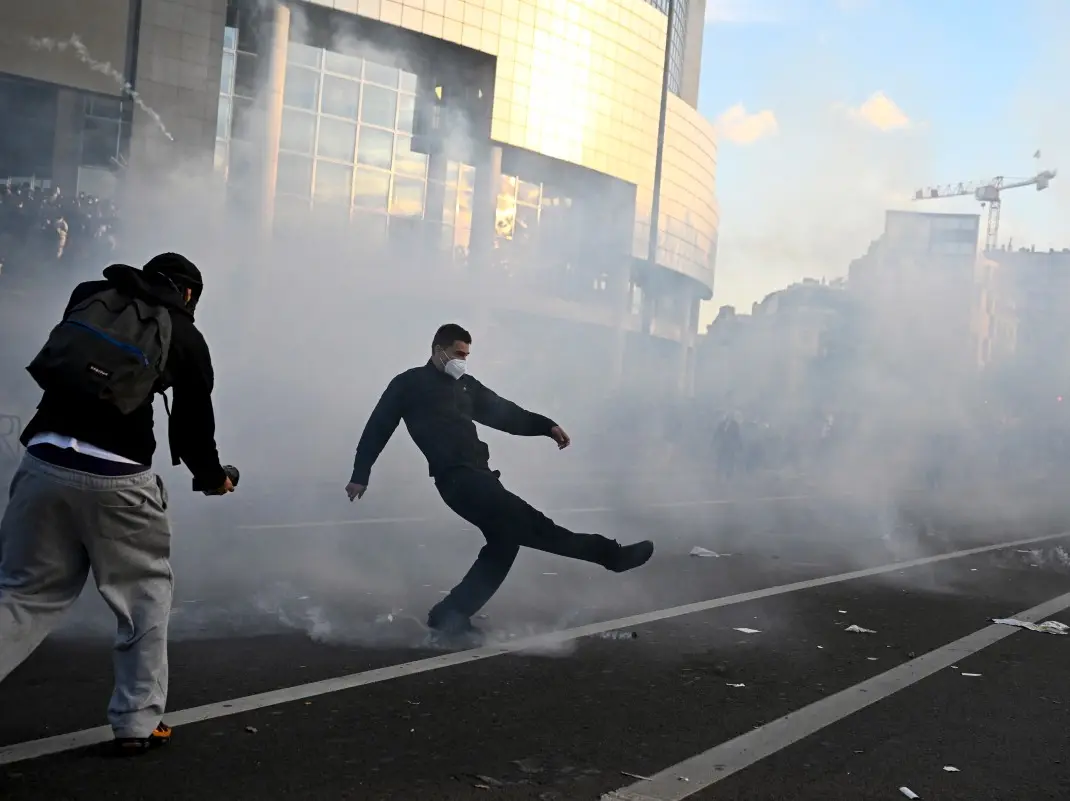
French students light European bonfire, protests erupt in Belgium, Italy & Greece | Gravitas
&im=FitAndFill=(700,400)&imwidth=180&imheight=135&format=webp&quality=medium)
Food shortages, suicide attempts and more: USS Abraham Lincoln returns to US after 321 day deployment amid Iran war — The whole row explained
&imwidth=180&imheight=135&format=webp&quality=medium)
OpenAI shuts down Russian, Iranian influence operations using ChatGPT to spread propaganda
&imwidth=180&imheight=135&format=webp&quality=medium)
SC questions closure of 57 Delhi Metro stations, asks Centre to resume services in regulated manner
&imwidth=180&imheight=135&format=webp&quality=medium)
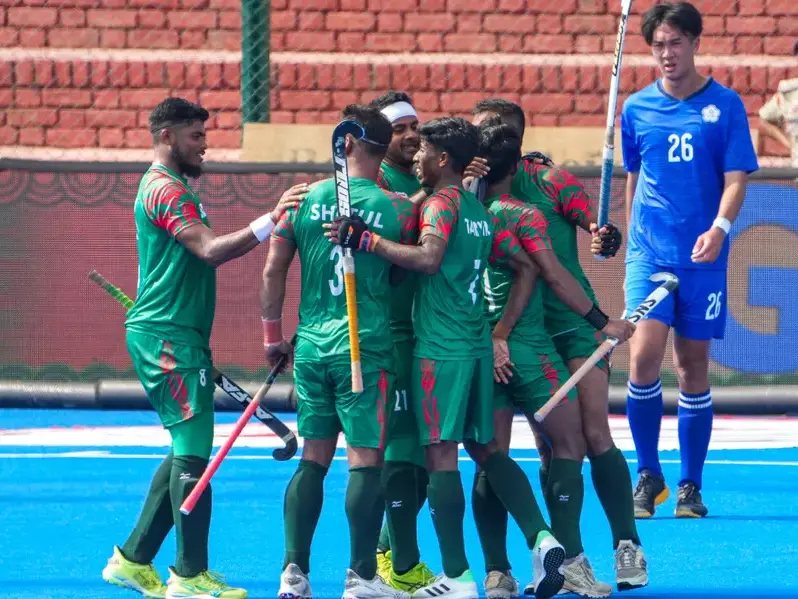
Bangladesh named as Pakistan’s replacement for Asian Hockey Champions Trophy
&imwidth=180&imheight=135&format=webp&quality=medium)
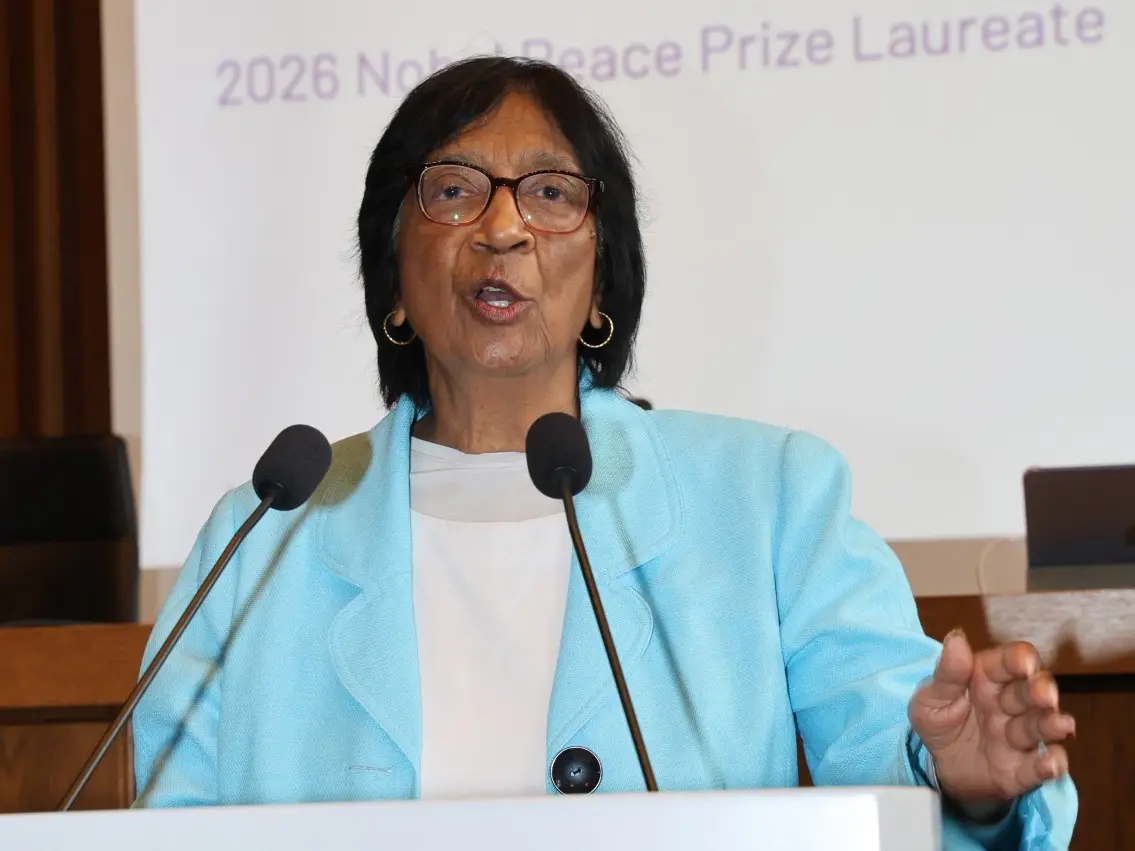
‘We will end ICC’: US sanctions International court, threatens to cripple hours after Navi Pillay wins Nobel Peace Prize
&imwidth=180&imheight=135&format=webp&quality=medium)
US midterm elections 2026: What a blue wave or blue tsunami could mean for Trump
&imwidth=180&imheight=135&format=webp&quality=medium)
SC asks Centre to frame mechanism against unethical pharma marketing practices
&imwidth=180&imheight=135&format=webp&quality=medium)
Man prays to Satan at an Iowa city council, pastor rushes to 'reverse the curse'
&imwidth=180&imheight=135&format=webp&quality=medium)
Trump honours Microsoft CEO Satya Nadella with top technology honour amid immigration scrutiny
&imwidth=180&imheight=135&format=webp&quality=medium)
Sri Lankan Tamil worker gets death sentence in Saudi Arabia over blasphemy, calls for pardon intensify
&imwidth=180&imheight=135&format=webp&quality=medium)
‘Real boss of India’: Elon Musk escalates attack over Starlink’s India entry
In Africa, several countries have imposed restrictions on face-covering veils, largely citing security and public-safety concerns. Tunisia prohibits full-face veils in government institutions, schools and administrative buildings. Morocco has banned the manufacture, marketing and sale of the burqa, while Cameroon has restricted full-face veils following security concerns linked to suicide bombings.
Restrictions on face-covering garments are also in place in several Asian and Central Asian countries. Tajikistan and Uzbekistan have introduced broad restrictions on garments that conceal the face in public. Kazakhstan, Turkmenistan and Kyrgyzstan have restrictions on religious attire and face coverings in certain public institutions and educational settings. Sri Lanka imposed a broad public face-veil ban following national security concerns. China has also imposed restrictions on face-covering Islamic attire, particularly in the Xinjiang region.

