Philippines House of Representatives impeaches Vice President Sara Duterte

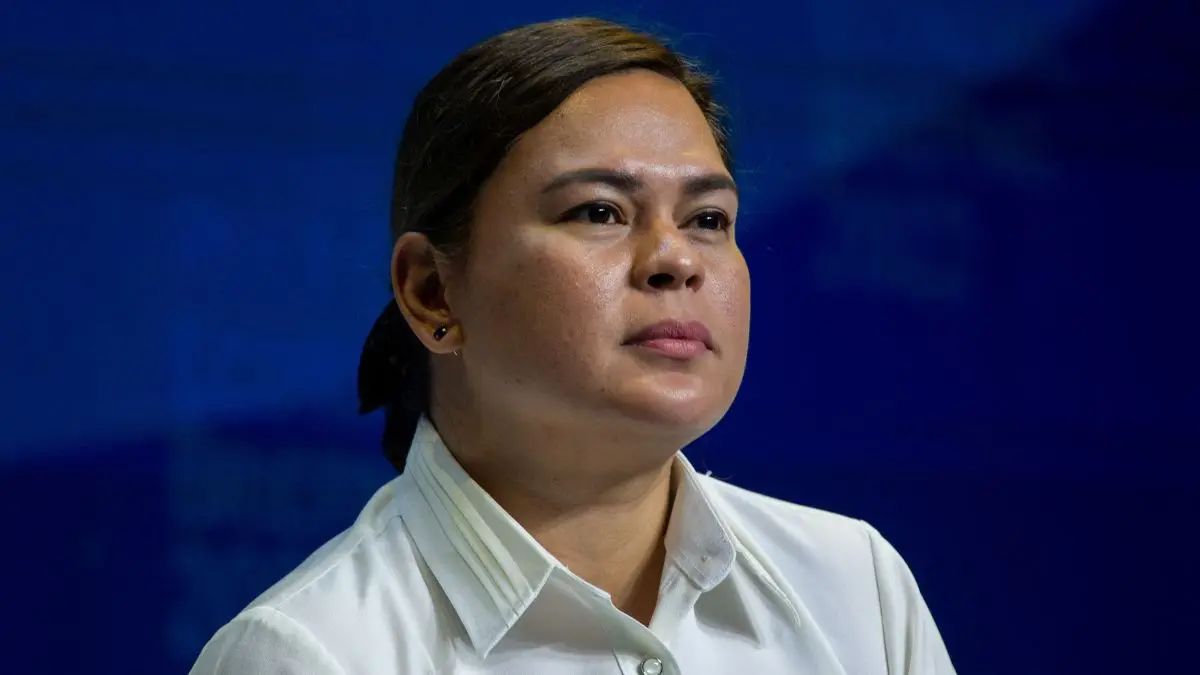
World: Lawmakers in the Philippines’ House of Representatives on Wednesday (Feb 05) voted to impeach Vice President Sara Duterte. 'Motion is approved,' House Speaker Martin Romualdez announced.
The Nikkei newspaper reported that Nissan discontinued integration efforts with Honda which would have formed the world's third-largest automaker. Nissan faces greater uncertainty regarding its ability to tackle industry challenges because talks for a merger with Honda have ended.
Nissan shares plummeted by more than 4% after the news announcement which led to trading suspension on the Tokyo Stock Exchange. Honda's stock prices rose above 8% after investors celebrated that the expected merger with rival companies had been terminated.
Also Read | 2025 Honda CB650R and CBR650R launched: Check price, features

Nissan publicly rejected the information published by Nikkei which claimed to have official confirmation regarding the merger. A spokesperson confirmed that their committee will determine the direction by mid-February before public announcement occurs. Honda confirmed it had not been informed officially by Nissan about ending their memorandum of understanding.
Japan's third and second-largest automakers Nissan and Honda started exploring merger possibilities due to electric vehicle competition from Chinese leader BYD and emerging manufacturers in the market during the previous year. Insiders disclosed that increasing variance between the two companies made their discussions evolve into a tougher challenge.
Honda proposed making Nissan their subsidiary instead of equal partnership which became an essential obstacle during merger discussions. The proposed arrangement generated tension between the companies because Nissan refused to relinquish executive authority. The market value of Honda exceeded Nissan by around five times leading to increased doubts regarding Nissan's ability to achieve its ongoing business transformation.
&imwidth=180&imheight=135&format=webp&quality=medium)
Pakistan to head IMF, World Bank boards after 74 years amid persistent economic crisis
&imwidth=180&imheight=135&format=webp&quality=medium)
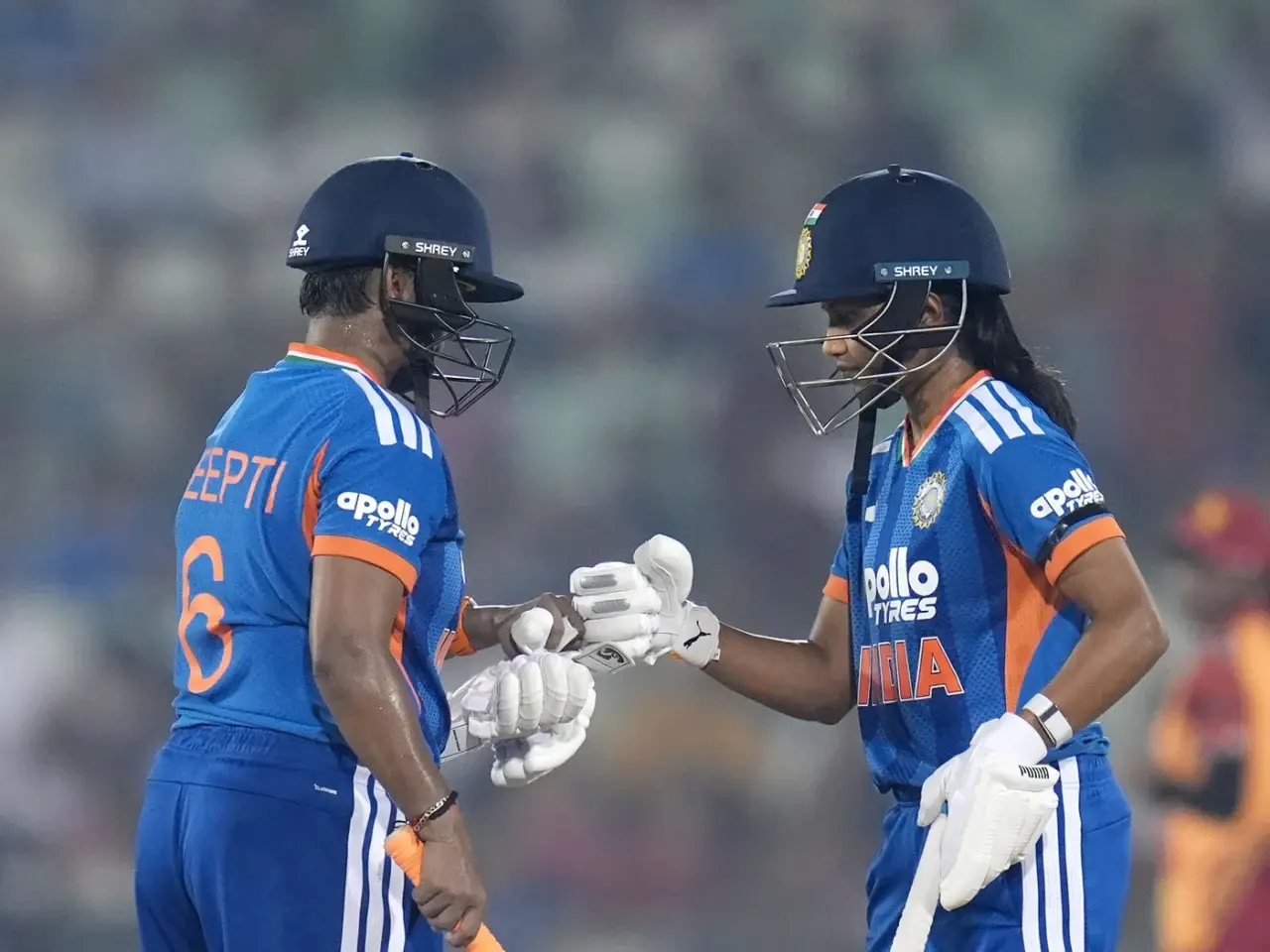
IND-W vs ZIM-W, 1st T20I: Deepti Sharma, Niki Prasad shine as India beat Zimbabwe by four wickets
&imwidth=180&imheight=135&format=webp&quality=medium)
CJP's Tiranga march: People hit streets of Delhi again, reiterate call for Gyanesh Kumar's resignation
&imwidth=180&imheight=135&format=webp&quality=medium)
US midterms 2026: Ken Paxton may have Elon Musk to thank if he wins the Texas Senate race. Here's why
&imwidth=180&imheight=135&format=webp&quality=medium)
Trump invokes national interest to waive new Russia sanctions, tariffs; India gets relief from 100% tariff threat
&imwidth=180&imheight=135&format=webp&quality=medium)
Ankita Bhandari murder case: Parents meet CBI, seek impartial investigation
&imwidth=180&imheight=135&format=webp&quality=medium)
Lizard people? Ex-US Army sniper claims soldier killed by 'reptilian beings' in battle near Area 51
&imwidth=180&imheight=135&format=webp&quality=medium)
Gravitas | Iran threatens to hit key bridges in 7 countries if US resumes strikes
&imwidth=180&imheight=135&format=webp&quality=medium)
Ukraine drone strike disrupts 22 Russian airports, over 200 flights

Not Khan but Pal: Why did Imran Khan choose his mother's surname over his father's? Family tree explained
&imwidth=180&imheight=135&format=webp&quality=medium)
A secret code, a midnight escape and 300 deaths: The Russian officer who turned on Putin
&imwidth=180&imheight=135&format=webp&quality=medium)
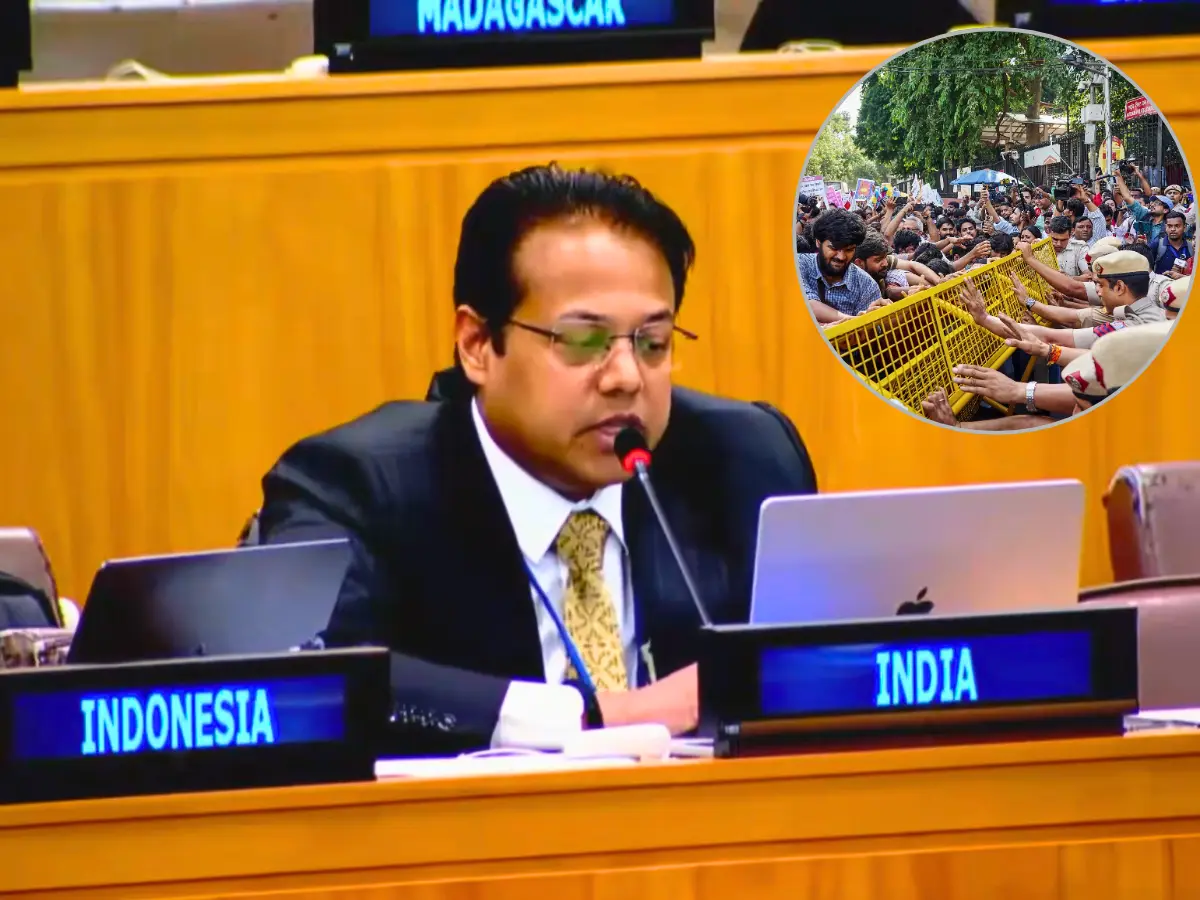
'Reason UN has lost credibility': Amid SIR protests India hits out at report alleging 'youth repression'
&imwidth=180&imheight=135&format=webp&quality=medium)
Oregon school shooting: 16-year-old shooter identified, used shotgun bought by mother; Trump praises bystander who shot gunman as 'great hero'
&imwidth=180&imheight=135&format=webp&quality=medium)
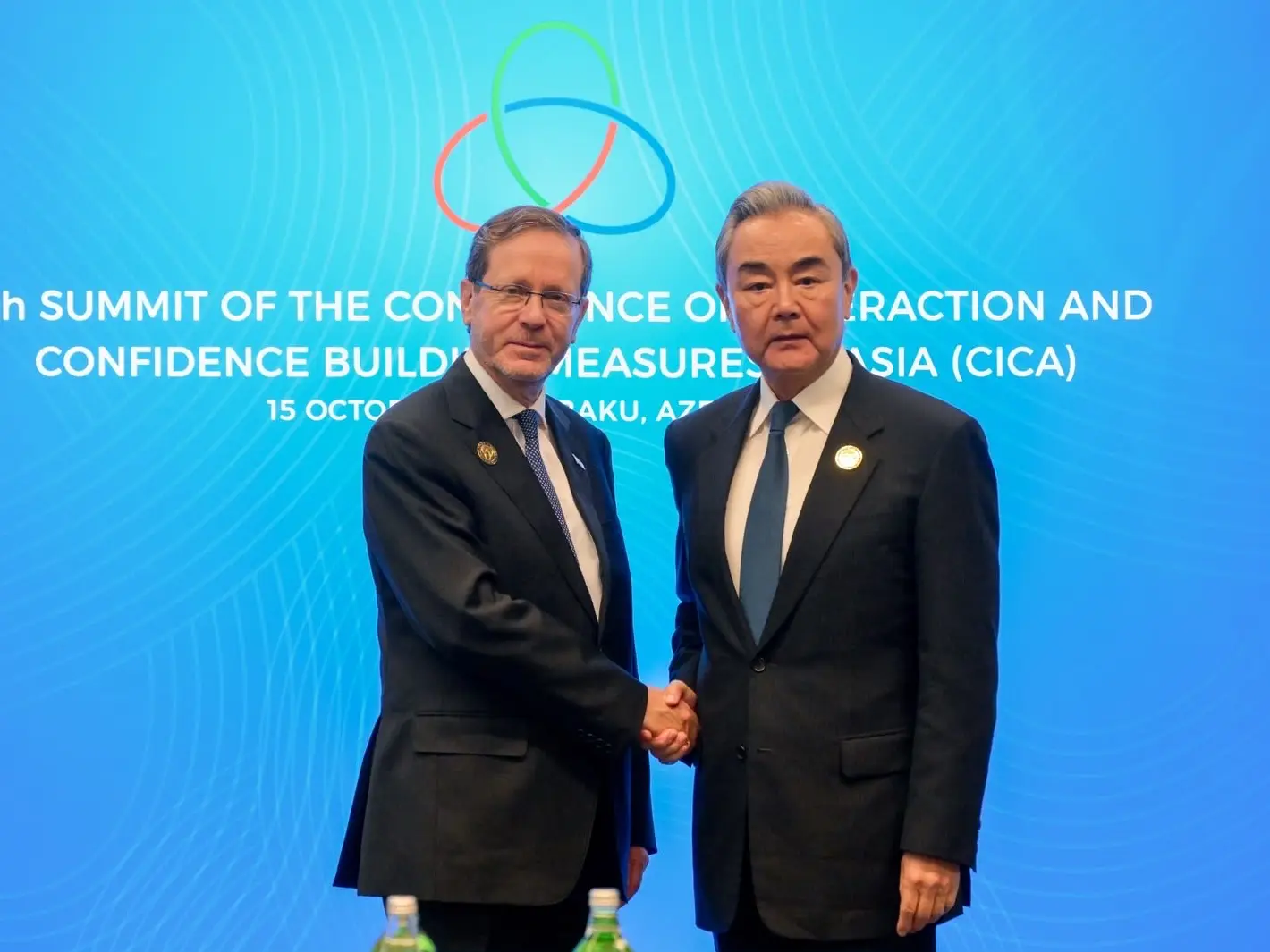
China tells Israel to stop West Bank settlements, calls Palestine issue ‘historic injustice’
&imwidth=180&imheight=135&format=webp&quality=medium)
‘My president, I mean my husband’: Trump's new press secretary Katie Zacharia's first briefing goes off the rails in 14 minutes
&imwidth=180&imheight=135&format=webp&quality=medium)
China responds to Trump's Press Secretary Katie Zacharia after toilet remark: 'Visit China more often'
&im=FitAndFill=(700,400)&imwidth=180&imheight=135&format=webp&quality=medium)
Who left the White House podium the fastest? Press secretaries with the shortest stints
&imwidth=180&imheight=135&format=webp&quality=medium)
Vijay Deverakonda and Rashmika Mandanna's Ranabaali X Review: Netizens call it history-rich but overstuffed
&imwidth=180&imheight=135&format=webp&quality=medium)
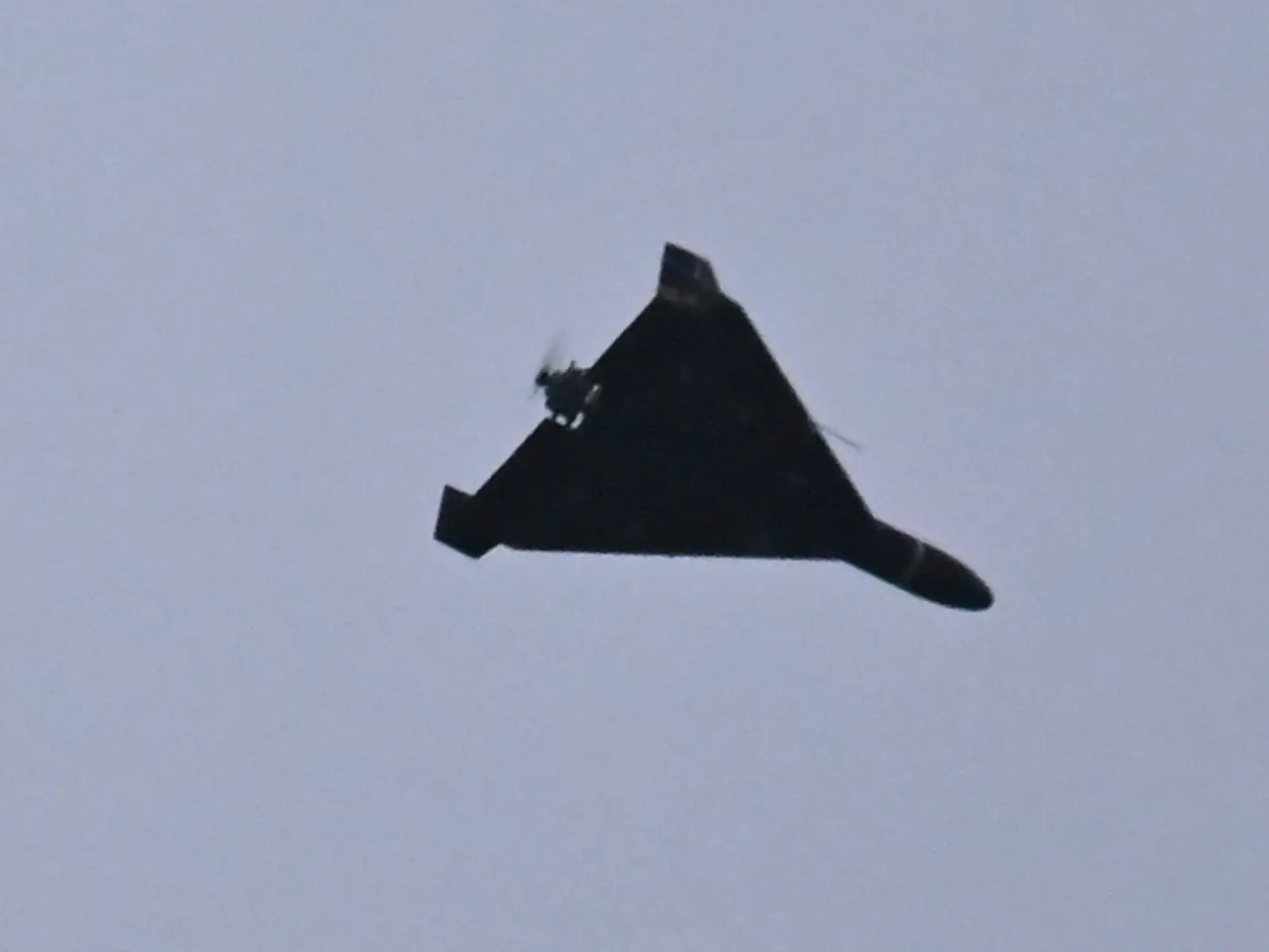
Israel examines Russia's Shahed-type drones sent by Ukraine to combat Iran | Gravitas
&imwidth=180&imheight=135&format=webp&quality=medium)
US midterms 2026: Alexandria Ocasio-Cortez donates $1 million to Abdul El-Sayed’s as Michigan race heats up
&imwidth=180&imheight=135&format=webp&quality=medium)
Here’s who is eyeing the White House press secretary role after Katie Zacharia’s exit
&imwidth=180&imheight=135&format=webp&quality=medium)
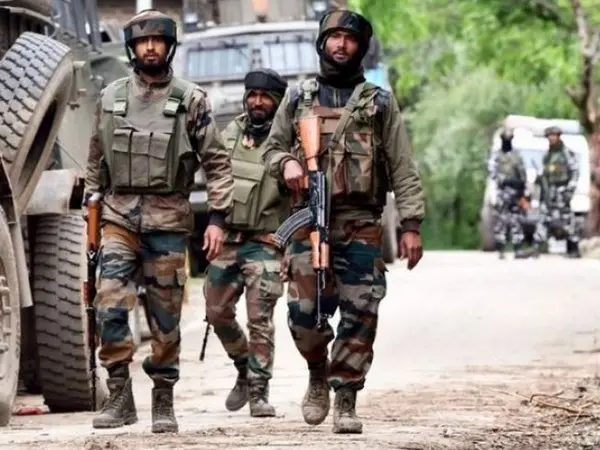
Infiltration bid foiled in Kupwara’s Keran sector, search operation underway
&imwidth=180&imheight=135&format=webp&quality=medium)
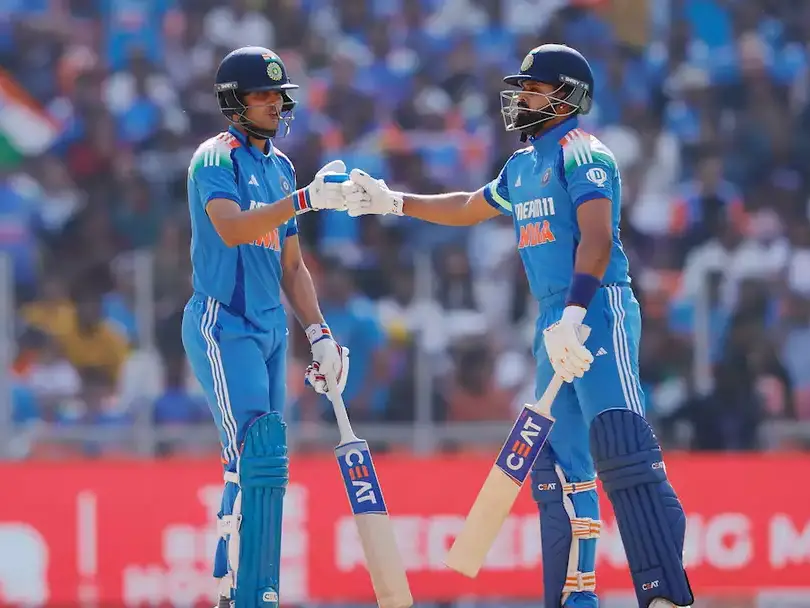
BCCI names India’s ODI squad for New Zealand tour, Gill and Iyer to share captaincy
&imwidth=180&imheight=135&format=webp&quality=medium)
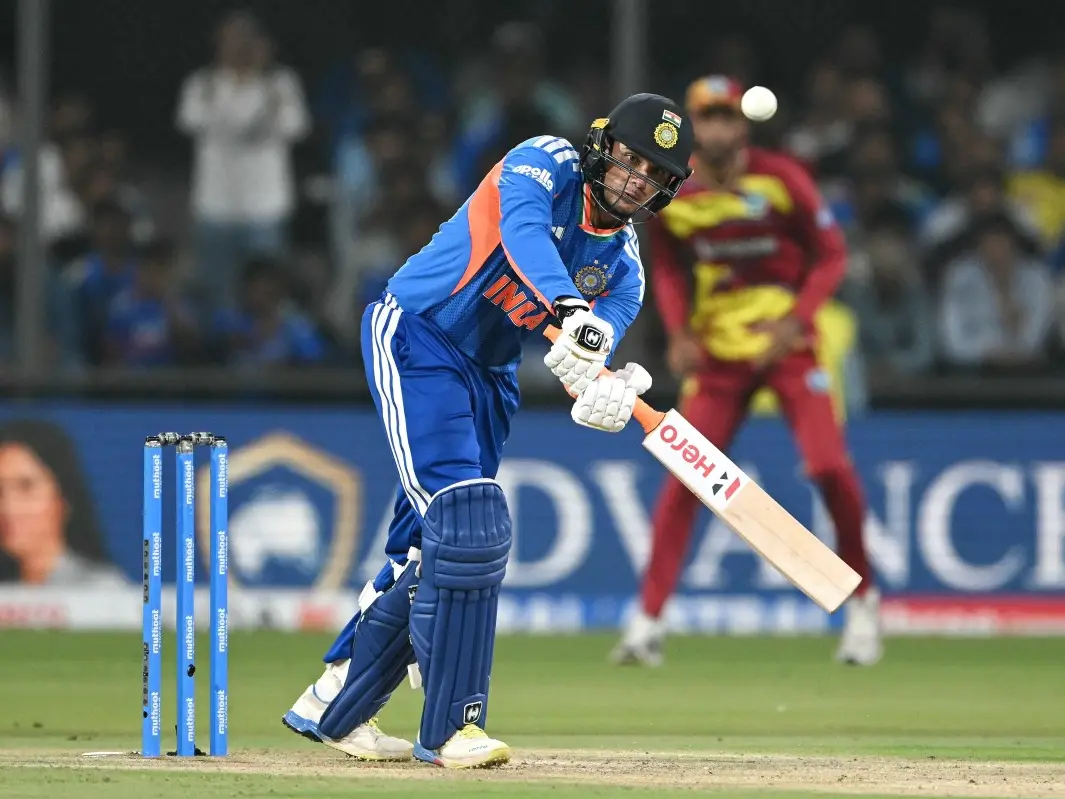
Abhishek Sharma sets all-time record for most T20I sixes in a year
&imwidth=180&imheight=135&format=webp&quality=medium)
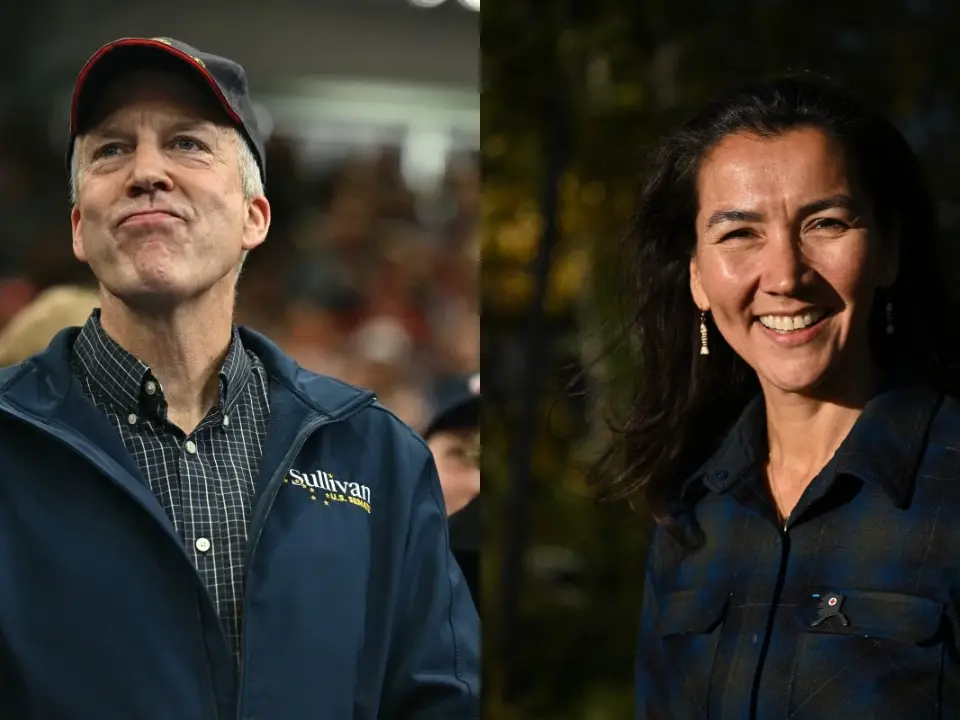
US midterms 2026: Dan Sullivan’s ‘gotcha’ attempt backfires against Mary Peltola in fiery Alaska Senate debate
&im=FitAndFill=(700,400)&imwidth=180&imheight=135&format=webp&quality=medium)
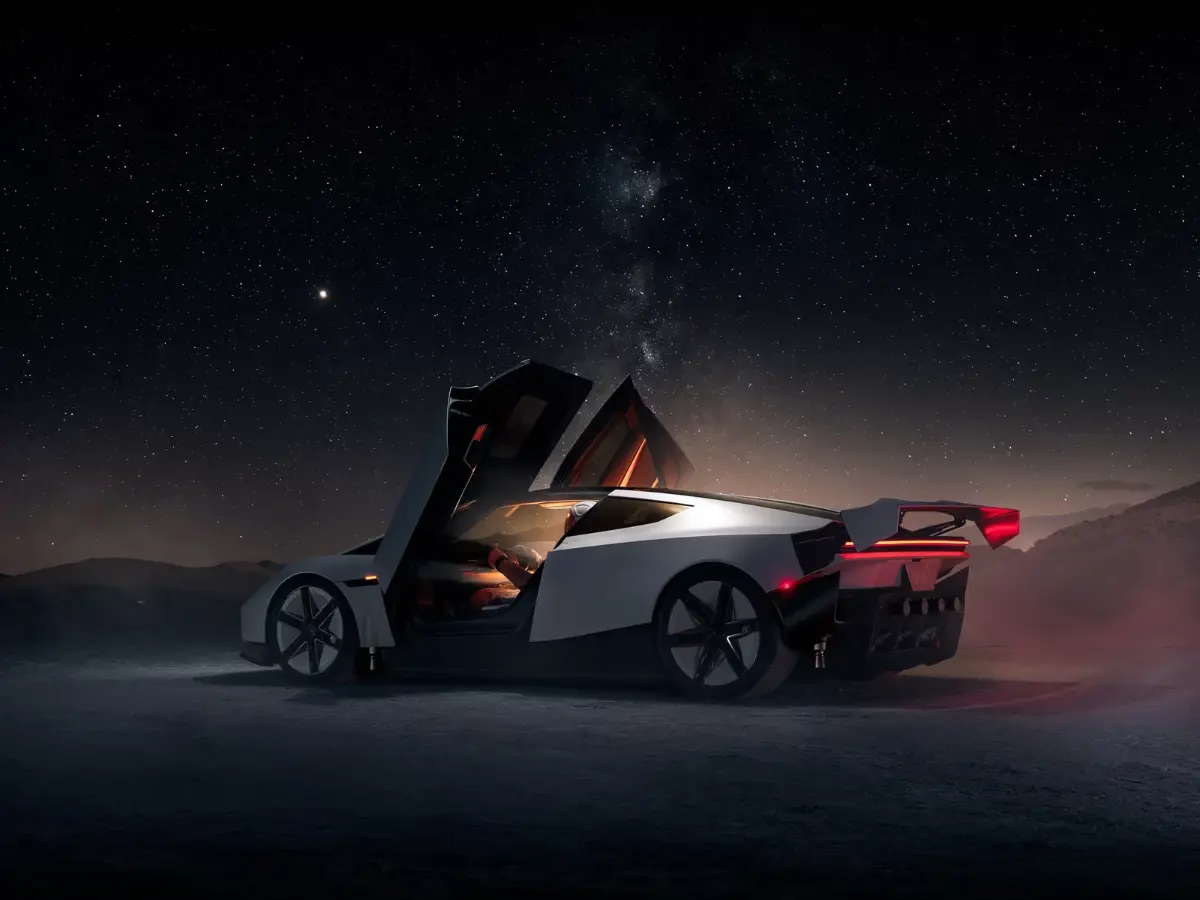
Inside Tesla's Roadster: 10 features of Elon Musk's 'flying car' that push the limits of electric vehicles | In Pics
&imwidth=180&imheight=135&format=webp&quality=medium)
India’s naval priorities: Ex-Navy Chief calls for third aircraft carrier, more warships and submarines
&imwidth=180&imheight=135&format=webp&quality=medium)
Starlink says 'ready to connect India with high-speed internet' amid Reliance row
&imwidth=180&imheight=135&format=webp&quality=medium)
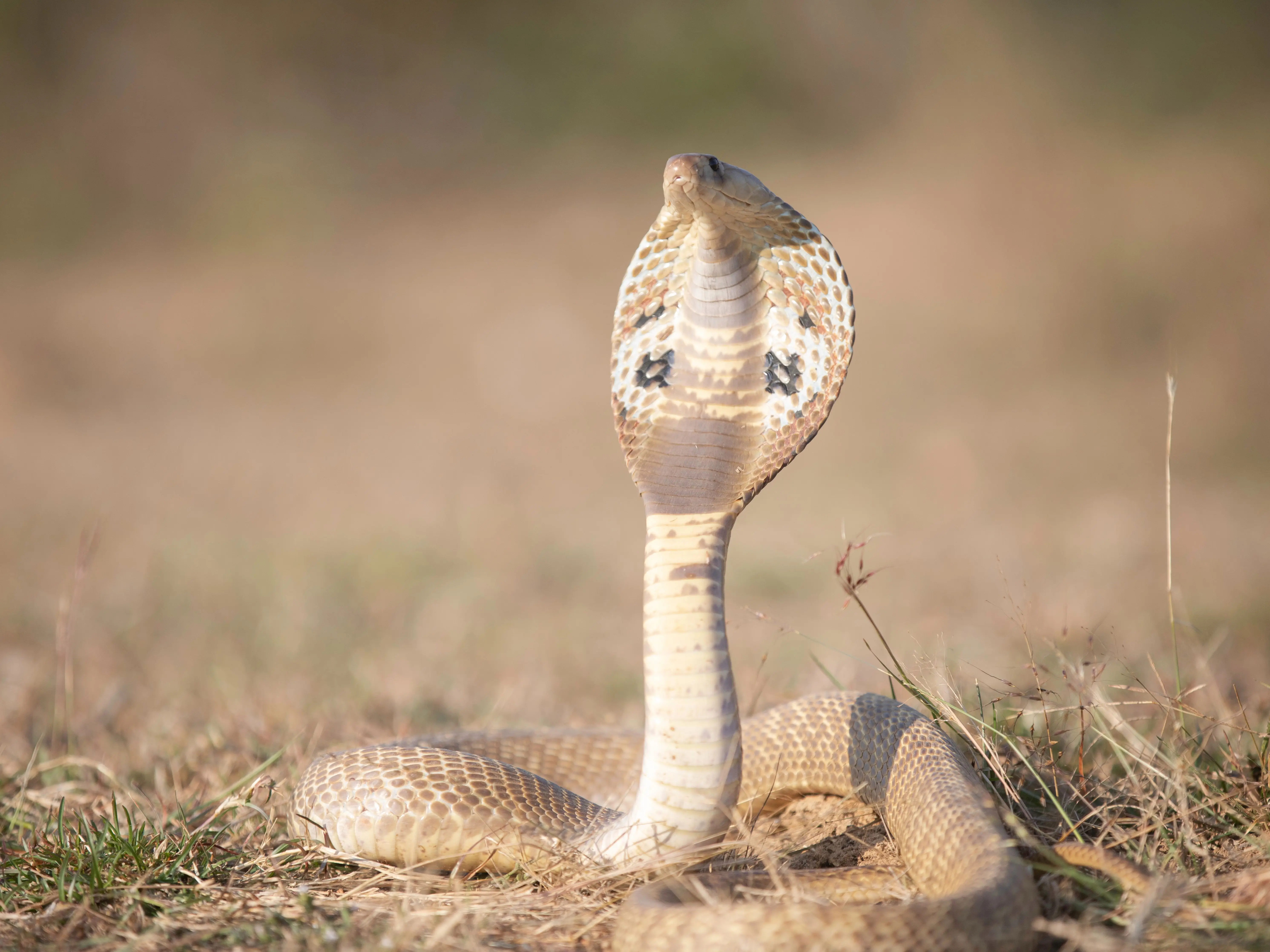
One species, two lineages: Why Sri Lanka’s spectacled cobra differs genetically from Indian variant
&imwidth=180&imheight=135&format=webp&quality=medium)
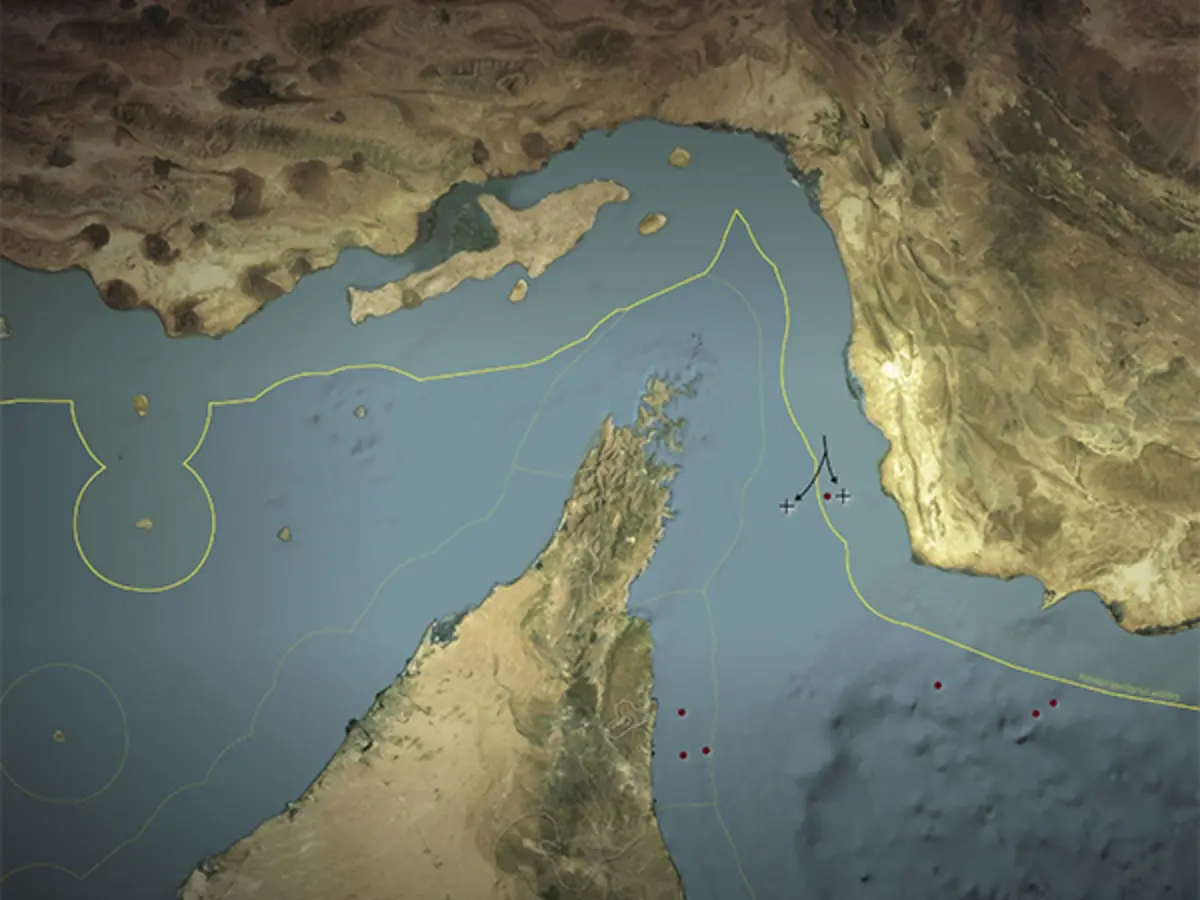
Oil tanker carrying over 2M barrels of crude hits mine in Strait of Hormuz, catches fire, says Iran
&imwidth=180&imheight=135&format=webp&quality=medium)
Selma Blair’s team responds to flight incident, says actress ‘did not intend to harm anyone’
&imwidth=180&imheight=135&format=webp&quality=medium)
India's Gen Z rebellion: Can the 'Lehra Do Tiranga' movement reshape the political order? | The Verdict

US ends automatic work permit extensions; Indian workers lose 540-day safety net: What it means
&im=FitAndFill=(700,400)&imwidth=180&imheight=135&format=webp&quality=medium)
New Friday OTT releases (October 16, 2026): DC, Sacrifice, Aasha- 6 new movies and TV shows coming on Netflix, Zee 5, Prime Video and more
The major issue of control emerged from Nissan's unwillingness to become a Honda subsidiary according to Christopher Richter who serves as CLSA's senior Japan autos analyst. Honda seems set to end their business relationship with no possibility of controlling it.
Nissan has struggled with the transition to electric vehicles and has yet to fully recover from the turmoil caused by former Chairman Carlos Ghosn’s 2018 ouster. Compounding these challenges, the automaker faces potential new U.S. tariffs that could disproportionately impact its operations in Mexico.
Nissan’s alliance partner Renault had signaled openness to a Honda merger in principle, but the French company, which holds a 36% stake in Nissan, now faces further uncertainty over the automaker’s next steps.
