

&imwidth=800&imheight=600&format=webp&quality=medium "Ebola patients flee treatment as hospitals come under attack amid rising violence in DR Congo")
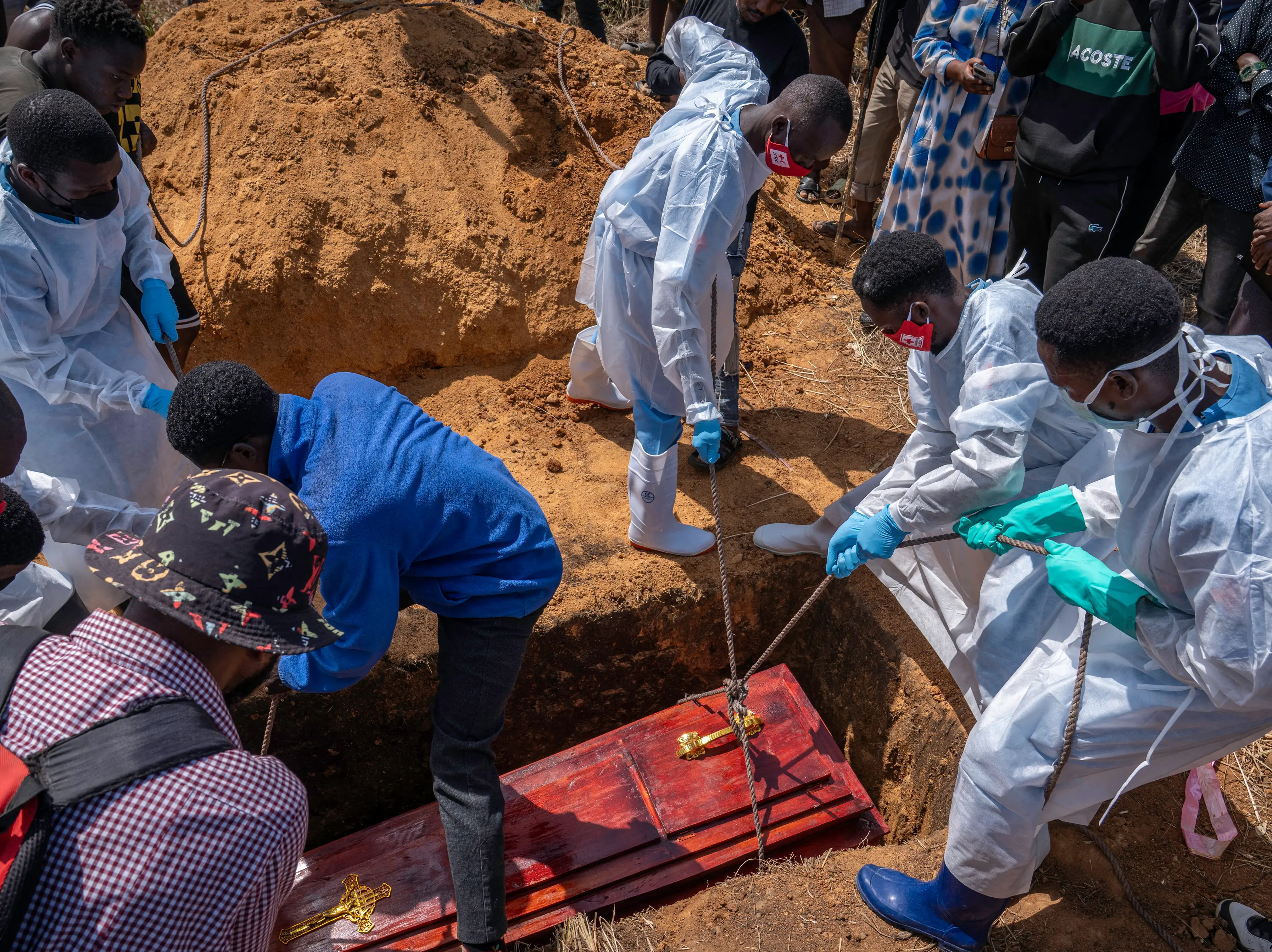
The Ebola outbreak in the Democratic Republic of Congo (DRC) is worsening amid ongoing violence and repeated attacks on health facilities, further weakening an already fragile healthcare system and forcing patients to abandon treatment.
In the northeastern province of Ituri, where the first cases were reported, at least three attacks have been recorded on health centres. Two of these took place over the weekend at the same hospital, allowing more than two dozen patients to flee mid-treatment.
The incidents, some linked to disputes over the handling of bodies of suspected Ebola victims, have revived memories of the 2018–2020 outbreak in eastern Congo, which killed more than 25 health workers amid widespread insecurity.
Dr Richard Lokodu, medical director of the Mongbwalu General Referral Hospital, which was targeted over the weekend, said public mistrust is worsening the situation. He said, “There is a denial of the disease within the population, with some members wanting to claim the bodies of suspected and/or confirmed cases.”
“We have one confirmed case of Ebola that continues to circulate in the community and evade the response,” Lokodu said.
On Sunday, the same hospital came under four waves of attacks by groups of young people, reportedly mobilised by relatives of a Christian religious leader who died of Ebola. Seven additional patients escaped during the chaos, while security forces were deployed to restore order. One critically ill suspected Ebola patient reportedly died while trying to flee.
Trending Stories
&imwidth=180&imheight=135&format=webp&quality=medium)
Other Mommy leads North American box Office as Verity, Resident Evil round out top four
&im=FitAndFill=(700,400)&imwidth=180&imheight=135&format=webp&quality=medium)
Navratri 2026: 9 days, 9 forms of Goddess Durga and 9 colours- Check the complete list
&imwidth=180&imheight=135&format=webp&quality=medium)
Diljit Dosanjh’s Delhi concert gets a new date: When and where to catch the singer
&im=FitAndFill=(700,400)&imwidth=180&imheight=135&format=webp&quality=medium)
Is sending robots to Mars easier than sending humans?
&imwidth=180&imheight=135&format=webp&quality=medium)
A watchdog rated 'ChatGPT for Teens' an unacceptable risk and says keep under-18s off it
&imwidth=180&imheight=135&format=webp&quality=medium)
1,500 drones illuminate Mumbai sky as Cordelia Cruises unveils second ship, Cordelia Sky
&imwidth=180&imheight=135&format=webp&quality=medium)
'Just coincidence': Police mistakes protester as AISA chief Neha Bora, arrests her from site
&imwidth=180&imheight=135&format=webp&quality=medium)
Anthropic's AI invented a murder witness and sent the fake tip to Philadelphia police
&imwidth=180&imheight=135&format=webp&quality=medium)
Congress demands action against chief election commissioner
&imwidth=180&imheight=135&format=webp&quality=medium)
CJI Surya Kant declines INDIA bloc leaders’ request for meeting ahead of march to SC, asks them to file petition
&imwidth=180&imheight=135&format=webp&quality=medium)
Saif Ali Khan is finally on Instagram! Here's what he shared in his first post
&imwidth=180&imheight=135&format=webp&quality=medium)
'Turn approver, resign, we'll forgive you': Rahul Gandhi claims receiving messages from CEC Gyanesh Kumar
&imwidth=180&imheight=135&format=webp&quality=medium)
One Indian killed in Riyadh airport attack; 11 others injured : MEA
&imwidth=180&imheight=135&format=webp&quality=medium)
Top AI models flunked a test of inventing new AI research, so much for self-improving AI
&imwidth=180&imheight=135&format=webp&quality=medium)
Wasim Jaffer blames Ajit Agarkar-led selection panel for Virat Kohli’s Test retirement
&imwidth=180&imheight=135&format=webp&quality=medium)
'Ouch!!! That must hurt': Kangana Ranaut hails Kamal Haasan's sharp reply to Elon Musk over Starlink row
&imwidth=180&imheight=135&format=webp&quality=medium)
Sidhu Moose Wala’s younger brother wins hearts by recreating late singer’s signature move at Toronto Hologram Show
&imwidth=180&imheight=135&format=webp&quality=medium)
UK school ditches technology, shifts from screen to pen and paper for learning
&imwidth=180&imheight=135&format=webp&quality=medium)
Telangana ATM heist: Thieves in nighties arrive in ambulance, break into SBI ATM in Kamareddy - VIDEO
&imwidth=180&imheight=135&format=webp&quality=medium)
Houthis claim Riyadh airport attacks, Aramco strikes; issue fresh warning to airlines, travellers and workers
&imwidth=180&imheight=135&format=webp&quality=medium)
Portugal Federation confirms Cristiano Ronaldo’s return to national team despite suspension
&imwidth=180&imheight=135&format=webp&quality=medium)
Delhi protests: 'Court should not be dragged into political activity', says CJI Surya Kant
&im=FitAndFill=(700,400)&imwidth=180&imheight=135&format=webp&quality=medium)
New OTT releases this week (October 12-18, 2026): Sacrifice, Koffee with Karan S9, Roadies Rebirth- 6 titles coming on Netflix, JioHotstar and more
&imwidth=180&imheight=135&format=webp&quality=medium)
Microsoft's Nadella says treat every AI model as already hacked, and build an 'emergency brake'
&imwidth=180&imheight=135&format=webp&quality=medium)
Delhi protest: CJI Surya Kant declines to meet India Bloc leaders
&imwidth=180&imheight=135&format=webp&quality=medium)
Telangana man allegedly recruited into Russian military dies near Ukraine border
&imwidth=180&imheight=135&format=webp&quality=medium)
China imposes first-ever sanctions on ministers from Taiwan allies: What this means
&imwidth=180&imheight=135&format=webp&quality=medium)
McSweeney reveals how studying Virat Kohli’s YouTube clips helped Australia A conquer India
&imwidth=180&imheight=135&format=webp&quality=medium)
Maharashtra appoints FDA commissioner Tukaram Mundhe as secretary of committee for MPSC overhaul amid stir
&imwidth=180&imheight=135&format=webp&quality=medium)
Iran: US accepted some conditions, Clarity needed on others
&imwidth=180&imheight=135&format=webp&quality=medium)
Nana Patekar's cause of death confirmed; here's what his postmortem report says
&imwidth=180&imheight=135&format=webp&quality=medium)
iPhone Duo price index: Tracking Apple’s latest pricing trends
&imwidth=180&imheight=135&format=webp&quality=medium)
'Say no to Muse': Meta has no control over its own moderation AI while it forces a security nightmare on everyone
&imwidth=180&imheight=135&format=webp&quality=medium)
Delhi wakes up to heavy rain, thunderstorms; yellow alert in place; temperature drops
Also Read: 'Epidemic is outpacing us': WHO chief says countries neighbouring DR Congo at 'high risk' from Ebola
Violence flares up in eastern Congo
At the same time, armed conflict continues between government forces and the Rwanda-backed M23 militia in eastern DRC, where Ebola cases are also rising. Security sources and local residents said fighting has intensified over recent days.
The mineral-rich east has faced instability for decades due to multiple armed groups. Since 2021, M23 has expanded its control, with clashes escalating further since early 2025.
Health authorities say the outbreak has triggered an international alert from the World Health Organisation (WHO). The DRC health ministry has reported 204 deaths and 867 suspected cases so far. Of recent samples tested, three were negative and one was confirmed positive.
WHO warns of regional spread
WHO Director-General Tedros Adhanom Ghebreyesus has warned that neighbouring countries face a serious threat as the outbreak spreads faster than containment efforts.
“Countries bordering DRC are at especially high risk and should take immediate action,” Tedros said, adding that he will travel to the DRC on Tuesday as the situation worsens.
Health experts say Ebola spreads through direct contact with infected bodily fluids and can cause severe bleeding, organ failure, and death in serious cases. Tedros also warned that response efforts are being slowed by insecurity and delayed detection.
He further said there are currently no approved vaccines or treatments for the Bundibugyo strain responsible for the outbreak.
According to WHO figures, at least 10 confirmed deaths and 220 suspected deaths have been recorded since mid-May, with nearly 900 suspected infections reported since the outbreak was declared on May 15.
