
&imwidth=800&imheight=600&format=webp&quality=medium "Hottest summer since 1947: How is 2026 France heatwave affecting Paris tourism")
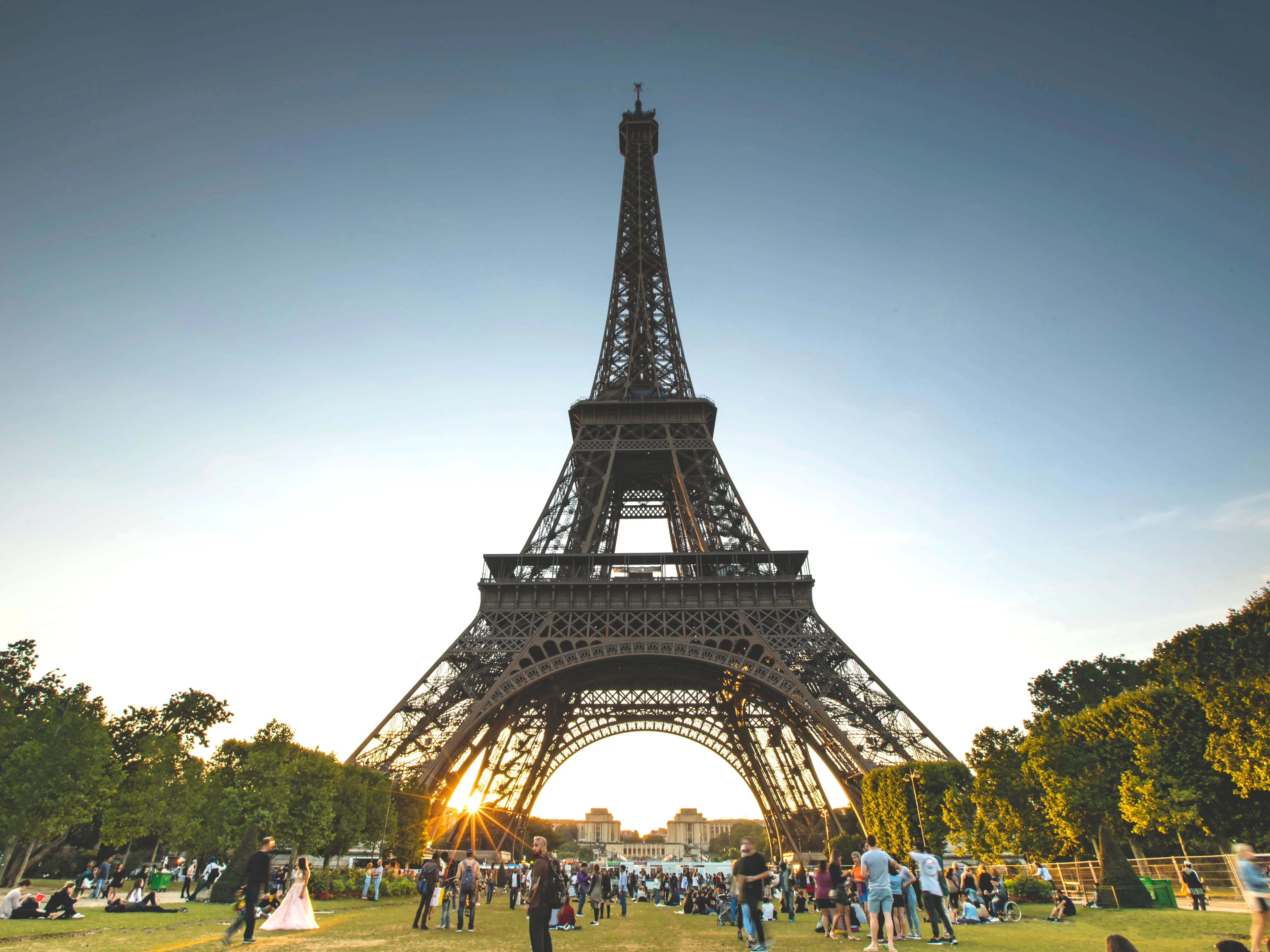
A severe, record-breaking heatwave in France, marking the hottest since 1947. The extreme weather has forced major Paris tourist attractions to close early. The decision has disrupted vacations for thousands of visitors. More than half of mainland France is currently under the highest weather alert level. Tourists are experiencing widespread disappointment as they cope with suffocating conditions on the streets, in the subway, and in non-air-conditioned rentals. Many have been forced to cancel guided tours, river cruises, and neighbourhood walks, instead using umbrellas, hats, and fans to brave the heat. Some visitors are adjusting by moving to air-conditioned hotels or seeking refuge in cooler museums and churches, while others have had to completely reorganise long-planned family vacations.
Heatwave has directly impacted key landmarks:

- The Eiffel Tower: The monument closed early at 4:00 pm on Tuesday and is highly likely to shorten its hours again on Wednesday. It typically stays open past midnight during the peak season.
- The Louvre: The world’s most visited museum announced it will close two hours early at 4:00 pm from Wednesday to Saturday. Management noted that the vast palace is "not sufficiently adapted to climate change." This comes amid other recent challenges for the museum, including a $100-million jewellery heist, a water leak, and maintenance issues.
- Mont Saint-Michel: The popular Normandy island landmark warned tourists to postpone their visits during the red alert.
Also read: 'Mini version of hell': Heat dome scorches Europe as UK, France shatter temperature records
What's the reason behind the extreme weather phenomenon?
Trending Stories
)
Mushtaq Khan dies at 56: When Welcome actor opened up about his salary for iconic role Ballu
)
US Supreme Court backs Trump administration's use of SAVE database to check voter citizenship
)
Heart of the Beast review: Brad Pitt leads a gripping tale of survival and loyalty
)
Outrage erupts after 3-year-old is married to 60-year-old man in Pakistan, link to her sister's murder being probed
)
Pakistan deploys over 20,000 security personnel as PTI vows march for Imran Khan's release
)
Asian Games: Shooting spree continues as India win silver in women’s 50m rifle 3P team event
)
‘Not just a local tragedy’: Nepal PM Shah warns UN of growing climate threat, says Nepal floods were 'a warning to the world'
)
OpenAI AI Agents hacked 4 websites before Hugging Face, researchers reveal
)
Pentagon quietly adds 37 wounded troops to Iran war tally without explaining when or how
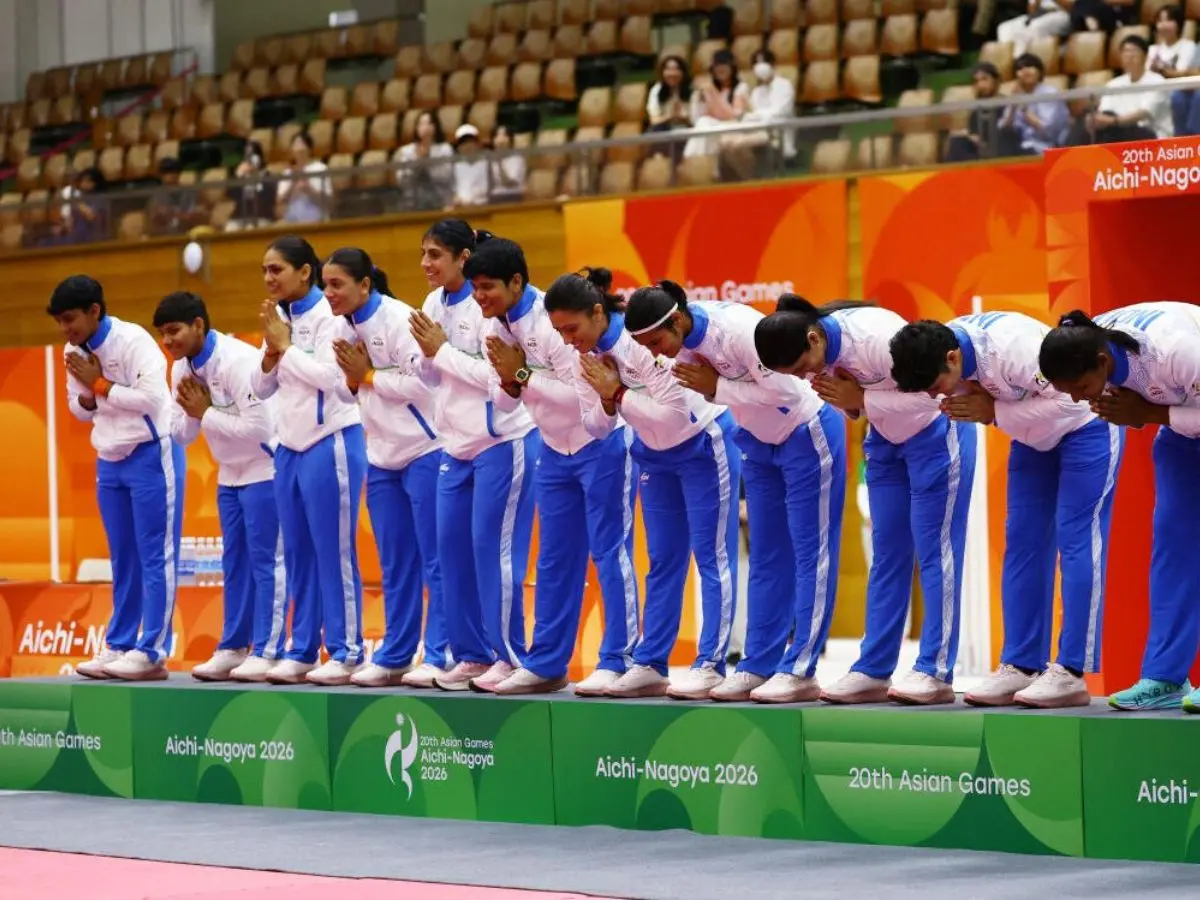)
Asian Games 2026: India women’s kabaddi team edge Iran 37-34 to clinch 3rd gold medal
)
Saudi Arabia still harbours intent to develop nuclear weapons, reveals US intelligence: Report
&im=FitAndFill=(700,400))
New Friday OTT releases (September 25, 2026): Don’t Be Shy, Hunkkaar: The Roar, Mango Pachcha- 6 movies and TV shows on Netflix, Prime Video and more
)
Yemen's war escalates: Saudi-backed leader calls for general mobilisation against the Houthis
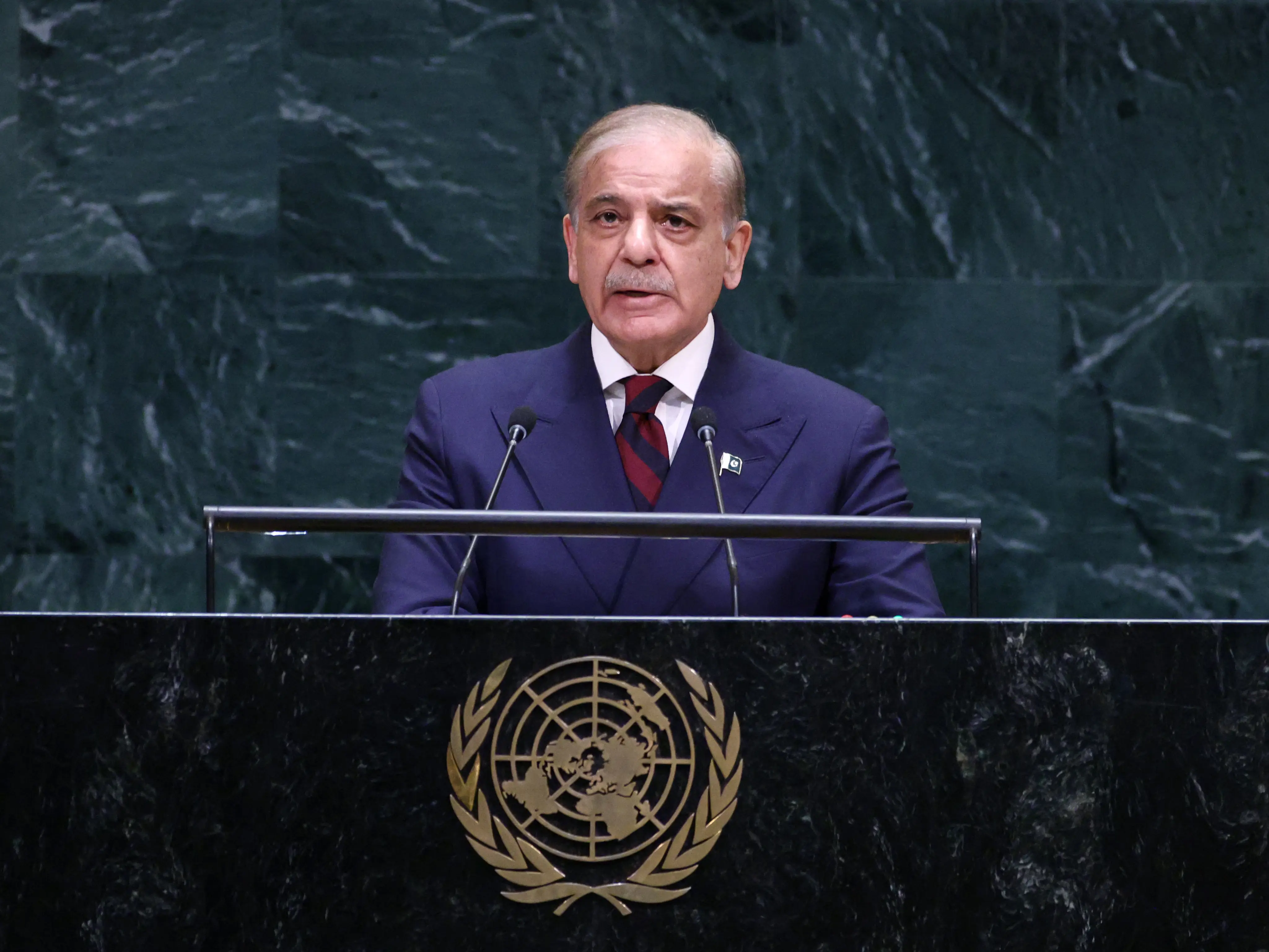)
‘Attack on Mecca a red line for Pakistan’: Shehbaz Sharif warns Houthis at UN
)
Tesla is preparing something big for Optimus: new Gen 3 models surface in app
)
Did Hitler kill his niece Geli Raubal? Newly found records reopen a 95-year-old mystery
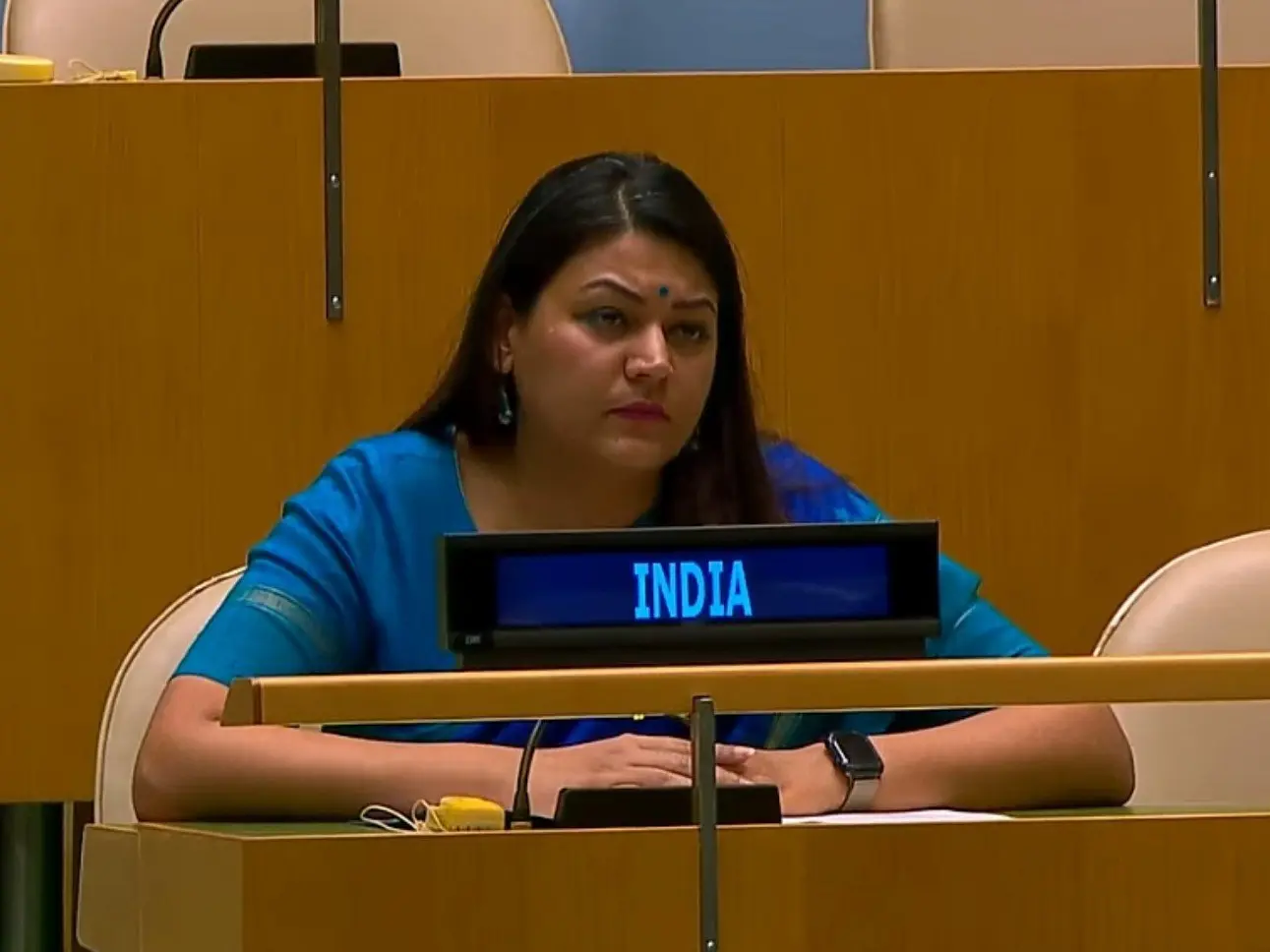)
Indian diplomat Petal Gahlot raises deteriorating situation in Pakistan-occupied Kashmir in right of reply at UN
)
Nigeria Navy moves to boost oil security, tackle crude theft and infrastructure threats
)
Scientists detect first radio signals directly from faraway planet
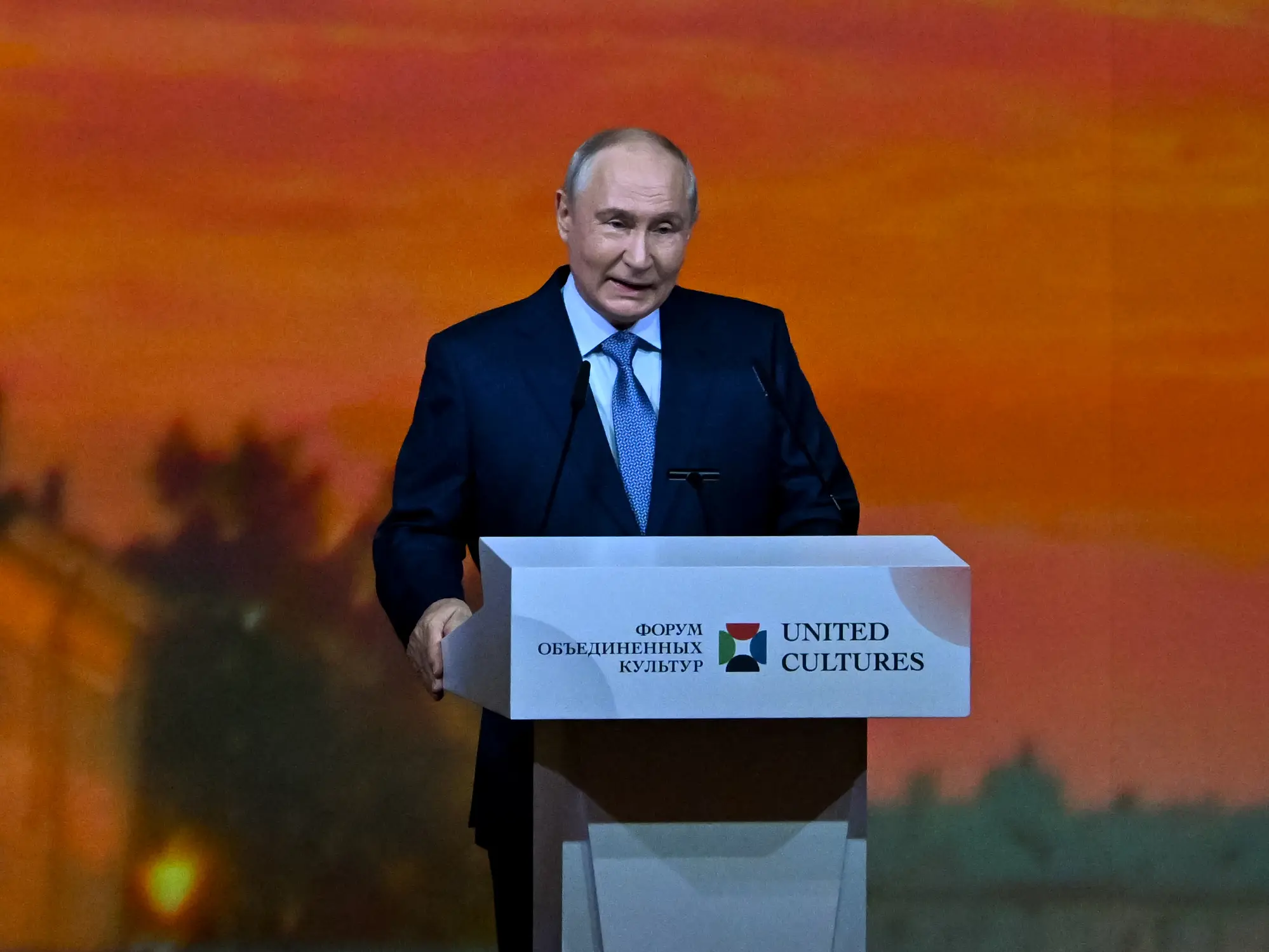)
‘It is all possible’: Putin weighs next steps on Ukraine talks, rules out Europe conflict
)
10,000 gather in support of 87-year-old forcefully evicted from home of 71 years
)
India flags brutal violence in Pak-occupied Jammu Kashmir
)
Trump rejects Iran's 7-day ceasefire proposal as US weighs renewed bombing after midterms: Report
)
Gaza's war turned environmental damage into second crisis
)
Saudi oil exports surge despite Iran war
)
Trump-Xi summit wrap: Big pageantry, Iran talks, few major developments and more meetings planned
)
'Making history': Xi Jinping praises Trump as US-China leaders dine at White House
)
India's UN Envoy slams Pakistan: 'They claim security by day, terrorism by night'
)
Jay-Z rape case: Accuser says allegations were false, never met rapper
)
Myanmar training camp case: US national, 6 Ukrainians allowed to meet their families abroad
)
Trump-Xi summit: Xi wraps up us visit with 21-gun salute as Trump, Xi lock in 'strategic stability'
)
'FIRST LOOK from inside Noah’s Ark': Researchers share video from inside mysterious mound in Turkey
)
Cindy Crawford’s son Presley Gerber cremated as death probe continues
)
India's insurance regulator overhauls policies
)
WATCH | As Shehbaz Sharif claims Pakistan’s ‘victory’ during 2025 conflict, Indian diplomat R Srinivas laughs at UN
)
‘Goal is to win it’: Virat Kohli confirms 2027 ODI World Cup will be his final tournament for India
)
'A terrorist country is asking me that question?': Jaishankar hits back at Pakistani journalist at UN; flags attacks on commercial shipping
)
US court backs Pentagon's decision to exclude Anthropic over Claude AI restrictions
Data suggests the heat in Paris is driven by a combination of immediate weather patterns and urban conditions.
- Atmospheric "Omega Block": A strong ridge of high pressure is wedged between two low-pressure systems, creating a jet stream pattern shaped like the Greek letter Ω. This traps a "heat dome" over France, compressing the air and forcing temperatures upward.
- North African Air Plume: The alignment of these pressure systems creates a vacuum, drawing scorching desert air from North Africa across the Mediterranean and straight into France.
- Urban Heat Island Effect: Paris’s dense stone architecture, asphalt, and limited green spaces absorb heat during the day and radiate it back out at night, preventing the city from cooling down.
- Accelerated Continental Warming: On a broader scale, Europe is warming at more than twice the global average, raising the baseline temperature and making standard summer heatwaves significantly more intense.

