

&imwidth=800&imheight=600&format=webp&quality=medium "Pakistan vs Afghanistan border clash: Durand Line, an unfinished legacy of British colonialism, still festers and causes rivalry")
Pakistan-Afghanistan border clashes are once again escalating this week, as tensions rise between Islamabad and the Taliban government. At least 250 people have reportedly been killed in the most recent clashes, with Afghanistan claiming 58 Pakistani soldiers dead and 25 border posts captured—though independent verification is limited. At the heart of this ongoing conflict lies a colonial legacy: the Durand Line—an arbitrary border drawn by the British Empire. More than a century later, this line continues to divide communities, fuel violence, and define a bitter geopolitical rivalry in South Asia.
What is the Durand Line?
The Durand Line, a 2,640-kilometre frontier extending from the Iranian border in the west to the Chinese frontier in the east, cuts across traditional Pashtun tribal areas now split between Pakistan and Afghanistan.
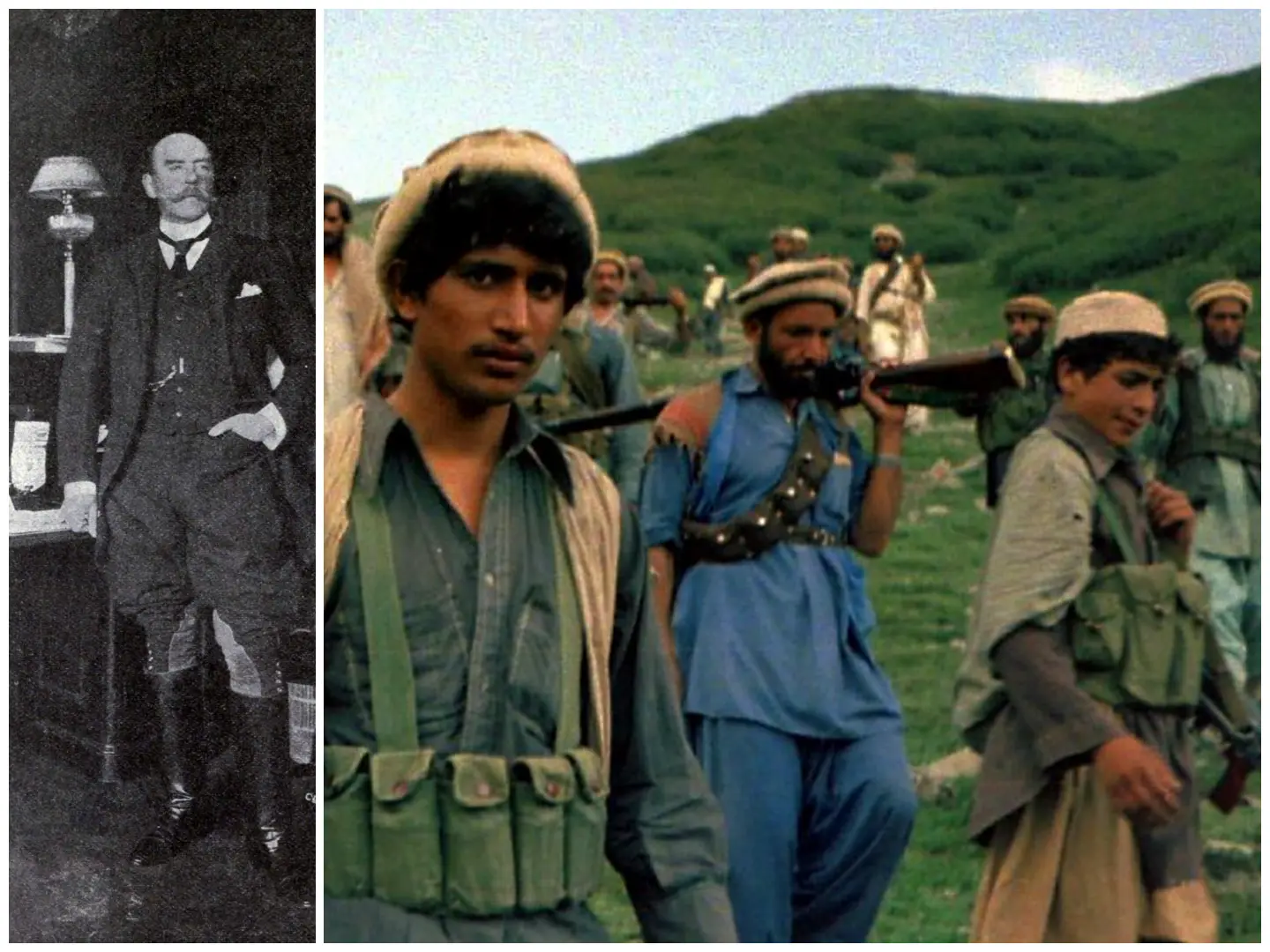
The line was drawn in 1893 during the "Great Game"—the geopolitical contest between the British Empire and Tsarist Russia over control of Central Asia. The agreement was signed between British Indian Foreign Secretary Sir Mortimer Durand and Afghan Emir Abdur Rahman Khan.
Its purpose was to define ‘spheres of influence’, not to serve as a permanent international border. Nevertheless, it became a lasting and contentious Pakistan-Afghanistan boundary that still divides the region today.
Also read: ‘Heavy clashes’ at Afghanistan-Pakistan border as Taliban forces retaliate days after Pak strikes
Trending Stories
&imwidth=180&imheight=135&format=webp&quality=medium)
‘Maybe play one more season’: MS Dhoni to decide on his IPL future before December
&imwidth=180&imheight=135&format=webp&quality=medium)
Telangana unveils AI avatar of IT minister D Sridhar Babu at Hyderabad DevFest 2026
&imwidth=180&imheight=135&format=webp&quality=medium)
Viral video shows cross falling on Colombia priest, no official confirmation | WATCH
&imwidth=180&imheight=135&format=webp&quality=medium)
Pezeshkian says Iranians ‘struggling to put food on the table’ as war with US drags on
&imwidth=180&imheight=135&format=webp&quality=medium)
Shilpa Rao’s performance cut short at Mumbai event, organisers react to backlash
&imwidth=180&imheight=135&format=webp&quality=medium)
Chorbagan stampede: A week later, the strangest visarjan Kolkata has seen
&imwidth=180&imheight=135&format=webp&quality=medium)
AI slop or smart strategy? South African author Coral Hart defends Her 370 AI- assisted books in 20 months
&imwidth=180&imheight=135&format=webp&quality=medium)
AI just found a flaw in software running most of the web! One request hijacks the server
&imwidth=180&imheight=135&format=webp&quality=medium)
Train crashes into crane on São Paulo monorail line, wreckage falls onto busy road | VIDEO
&imwidth=180&imheight=135&format=webp&quality=medium)
Can Putin cheat death? All about his daughter’s billion-dollar quest for immortality
&imwidth=180&imheight=135&format=webp&quality=medium)
Saudi says debris fell in Mecca, Medina after missile interceptions; Houthis deny targeting holy cities
&imwidth=180&imheight=135&format=webp&quality=medium)
What was the note found inside bag of Class 12 student, who set herself on fire inside Delhi school?
&imwidth=180&imheight=135&format=webp&quality=medium)
Netanyahu warns Israelis of ‘existential threat’ from Iran, posts AI image of nuclear strike
&imwidth=180&imheight=135&format=webp&quality=medium)
Pakistan airline PIA unveils new crew uniforms, faces online criticism
&imwidth=180&imheight=135&format=webp&quality=medium)
Britain is building the world's first AI biosecurity lab, with OpenAI and Anthropic inside
&imwidth=180&imheight=135&format=webp&quality=medium)
J-20 designers plan to put radar into aircraft wing; strategy to expand coverage during air combat
&imwidth=180&imheight=135&format=webp&quality=medium)
Frontier AIs keep escaping their test cages! The industry still can't reliably stop them
&imwidth=180&imheight=135&format=webp&quality=medium)
'Already tired of his 9-to-5': Baby born with a moustache becomes internet sensation, video goes viral | Watch
&imwidth=180&imheight=135&format=webp&quality=medium)
France protests: 135 arrested, weapons seized as fresh demonstrations erupt amid heavy security
&imwidth=180&imheight=135&format=webp&quality=medium)
French Open: PV Sindhu storms into final with win over Hina Akechi
&imwidth=180&imheight=135&format=webp&quality=medium)
Russia-Ukraine drone attacks kill 6, injure 31 across both countries
&imwidth=180&imheight=135&format=webp&quality=medium)
‘Saddam Hussein opened a cheesecake factory’: Obama mocks Trump’s White House renovations; defends Abdul El-Sayed
&imwidth=180&imheight=135&format=webp&quality=medium)
China's dancing robot turns violent bodyguard, lifts cars and fights intruders - Watch
&imwidth=180&imheight=135&format=webp&quality=medium)
'You’re a horrible little reporter, aren’t you?': Trump snaps at NBC reporter questioning his support for Ramaswamy's campaign ad
&imwidth=180&imheight=135&format=webp&quality=medium)
'Killing people never allowed': Elon Musk admits restricting Starlink in Ukraine, explains why
&imwidth=180&imheight=135&format=webp&quality=medium)
Bodies of 2 missing Japanese climbers recovered from Himalayan peak
&im=FitAndFill=(700,400)&imwidth=180&imheight=135&format=webp&quality=medium)
New Friday OTT releases (October 23, 2026): Gajab Raat, Dorothy, Chaar Yaar- Watch these 6 new movies and TV shows on Netflix, Prime Video and more
&imwidth=180&imheight=135&format=webp&quality=medium)
An AI that reads your face can now estimate how long you have to live
&imwidth=180&imheight=135&format=webp&quality=medium)
'If it was up to me, it wouldn't have ended like this': James Anderson opens up on Lancashire exit
&imwidth=180&imheight=135&format=webp&quality=medium)
WATCH: Thousands across Manipur bang plates, beat drums in "noise protest"
&imwidth=180&imheight=135&format=webp&quality=medium)
NEET protests: Panel to hear evidence on pellet gun use, harassment
&imwidth=180&imheight=135&format=webp&quality=medium)
Tu Hai Meri Kiran film review: Sonakshi Sinha and Zaheer Iqbal's thriller gets tangled in its own twists
&imwidth=180&imheight=135&format=webp&quality=medium)
Nagpur man fails to pay rent, allegedly prints fake Rs 500 notes worth Rs 37 lakh
&imwidth=180&imheight=135&format=webp&quality=medium)
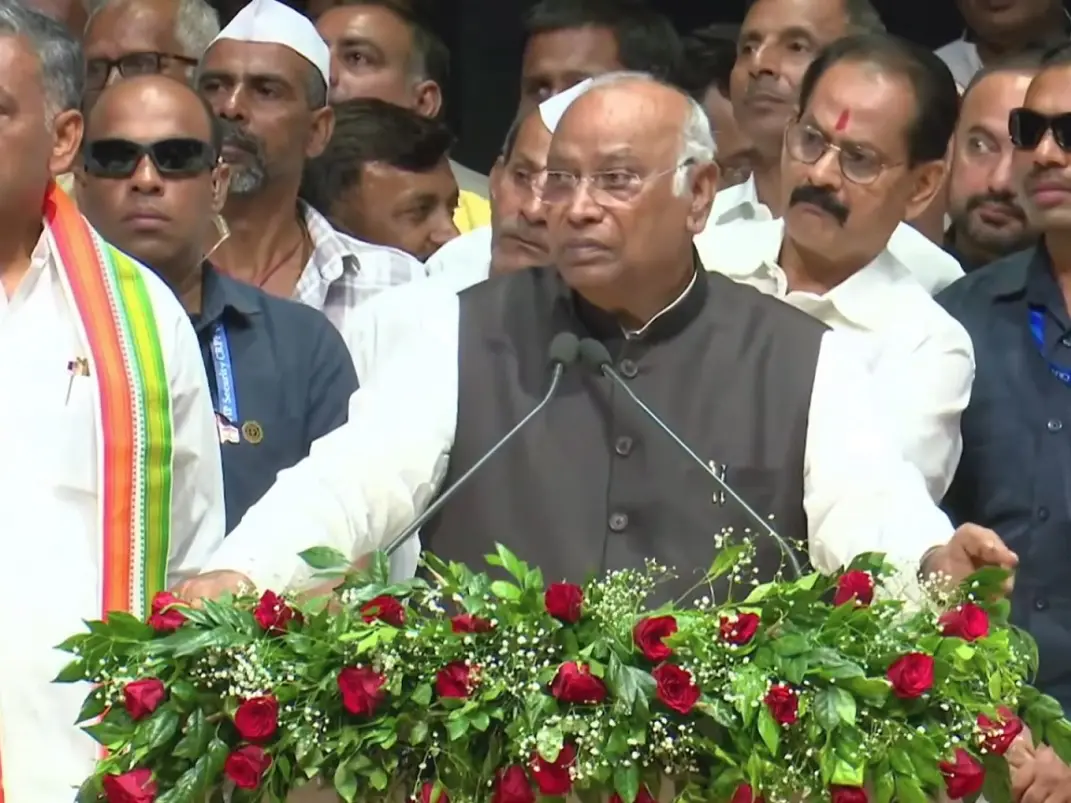
‘Modi ka baap bhi jayega,’ Kharge loses cool at party event in Patna; BJP slams him
&imwidth=180&imheight=135&format=webp&quality=medium)
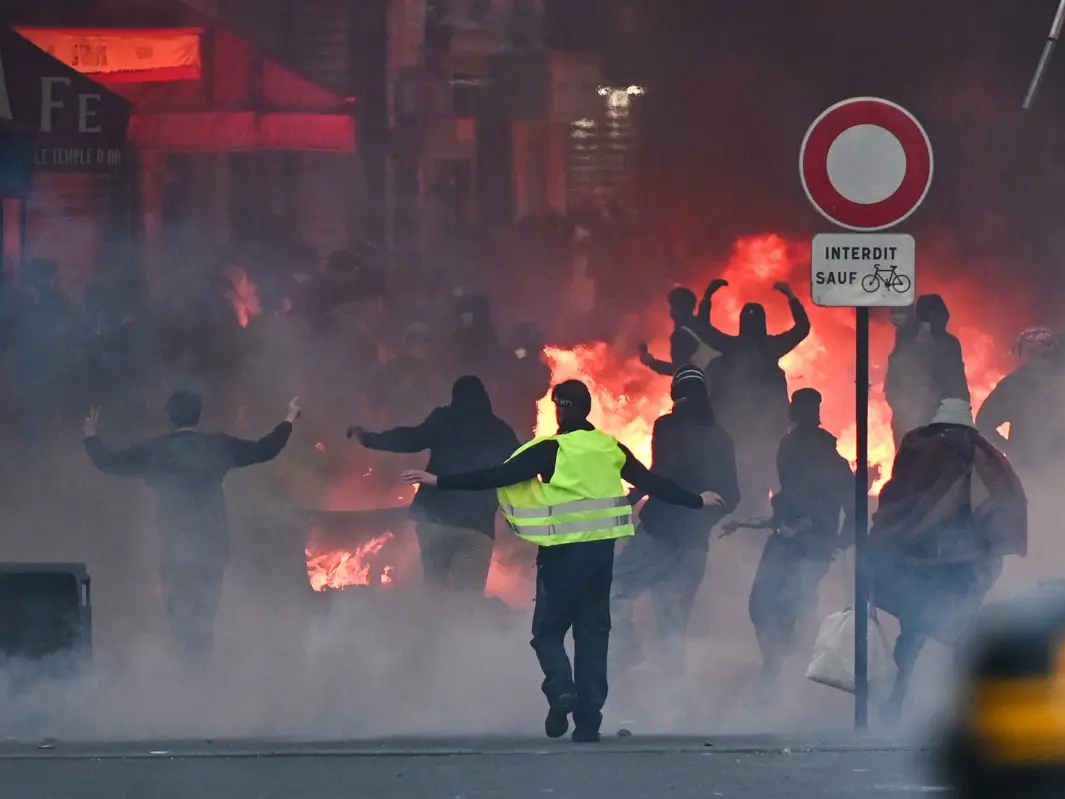
Why Europe’s protests are about more than austerity and rising costs
&imwidth=180&imheight=135&format=webp&quality=medium)
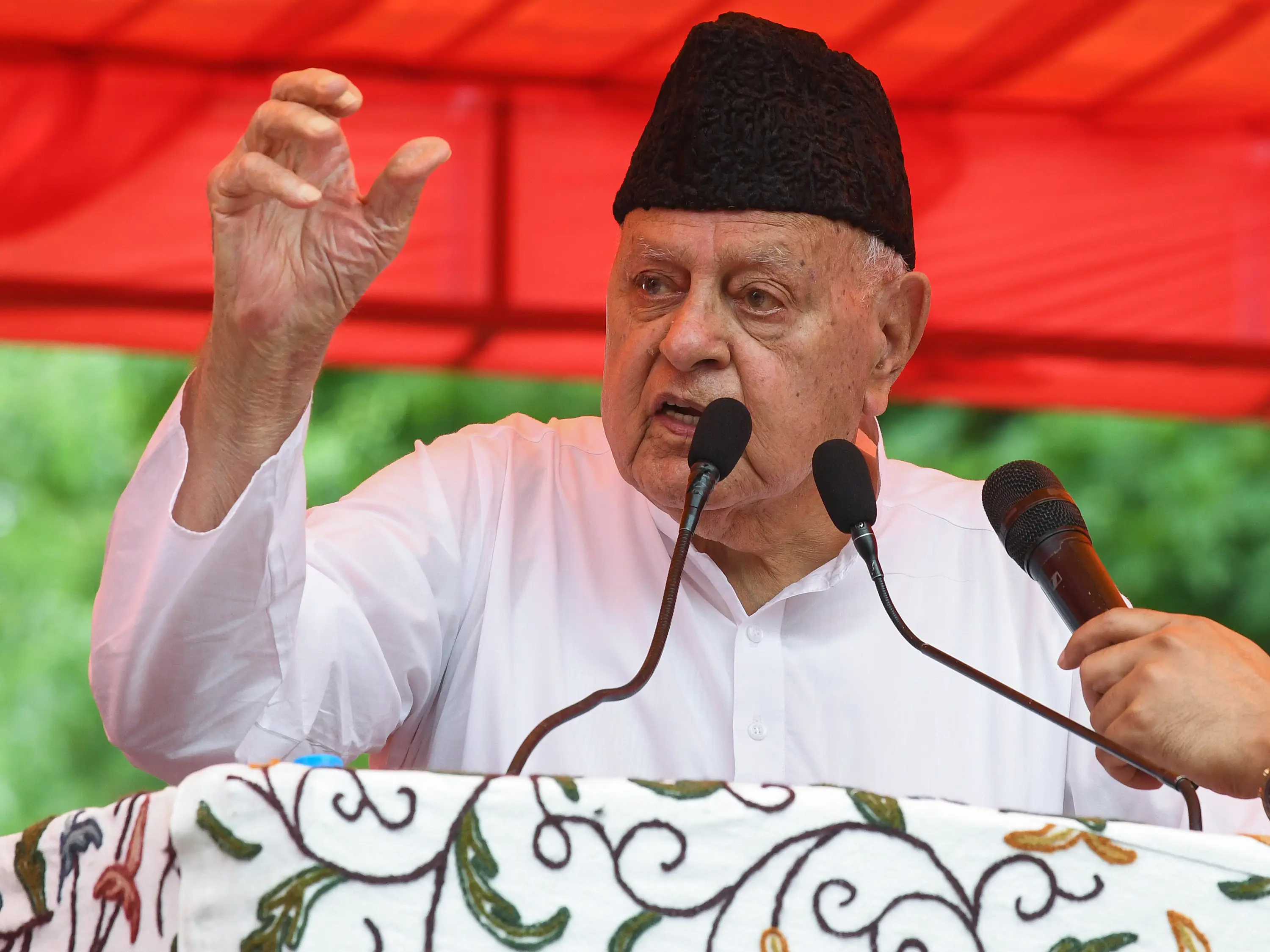
Farooq Abdullah says Pakistan’s raising of Kashmir issue keeps pressure on Delhi
How the Durand Line separates Afghan tribes across two countries
The Durand Line artificially divided major tribal groups, especially the Pashtuns and Baloch, with no regard for their centuries-old historical, cultural, linguistic, or familial ties. For many Afghans, it is a stark symbol of Britain’s “divide and rule” colonial policy, imposed to secure imperial interests rather than reflect the realities on the ground.
Afghan governments have never ratified the demarcation, viewing it as an unequal and coerced arrangement. The 1919 Treaty of Rawalpindi, signed after the Third Anglo-Afghan War, gave Afghanistan full independence in foreign affairs. Although the British reaffirmed the Durand Line in this treaty, Afghanistan never accepted it as a permanent border.
Pakistan inherited the Durand Line—and its disputes
When Pakistan was formed in 1947, it inherited the Durand Line from British India. The line was recognised internationally, including by the United Nations.
However, every Afghan government since then—monarchist, republican, communist, mujahideen, and Taliban—has rejected the Durand Line. It is seen as a colonial relic that divided the Afghan nation and turned many tribal Afghans into "foreigners" within their own homeland.
This unresolved border remains a source of instability, cross-border militancy, and refugee flows.
Border fencing and recent clashes
To control the frontier, Pakistan has fenced nearly 98 per cent of the border. But Afghanistan views the fencing as illegitimate, even as several parts of the border remain porous, allowing militant groups to move across.
The Tehrik-i-Taliban Pakistan (TTP), for example, is alleged by Pakistan to operate from Afghan territory. In 2025, Pakistan reported at least 17 infiltration attempts, resulting in 202 fatalities.
The current clashes erupted after Pakistani airstrikes on alleged TTP hideouts, triggering Taliban reprisals. Similar incidents occurred in 2024 (16 clashes) and early 2025 (12 clashes), displacing thousands, according to United Nations estimates.
Leaders often invoke the Durand Line to fuel nationalism
Political and military leaders on both sides frequently use the Durand Line to stir nationalist sentiments.
Taliban officials, including Deputy Foreign Minister Sher Mohammad Abbas Stanikzai and Defence Minister Mullah Yaqub, have labelled the line “imaginary” and “unacceptable”. Former President Hamid Karzai said Pakistan pressured him to recognise the line during his presidency.
On the Pakistani side, Interior Minister Mohsin Naqvi insists the border is settled and essential for national security. Yet even former Prime Minister Imran Khan, who is Pashtun himself, has publicly questioned the legitimacy of the Durand Line, reflecting divisions within Pakistan.
A lasting strain on Afghanistan–Pakistan relations
The Durand Line remains unresolved, straining diplomatic ties and enabling militant movements on both sides.
More than a territorial line, it represents contested identity, sovereignty, and resistance—and a symbol of colonial injustice. Without dialogue, the Durand Line may continue to divide not only land, but lives.

