Asim Munir showed Trump those stones. Now, Pak-US rare earths trade is on. Should this worry India?

&imwidth=600&imheight=450&format=webp&quality=medium "Asim Munir showed Trump those stones. Now, Pak-US rare earths trade is on. Should this worry India?")
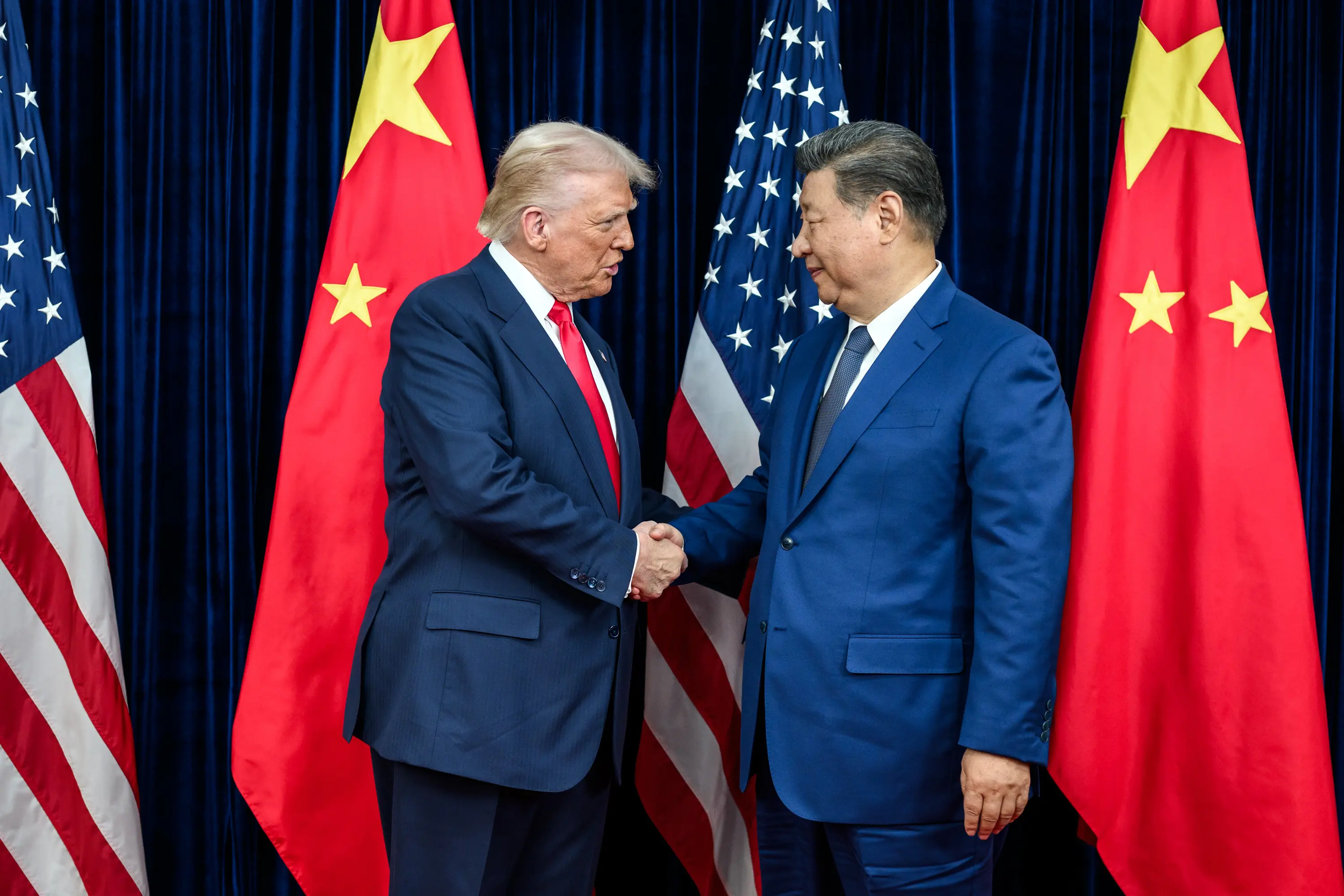
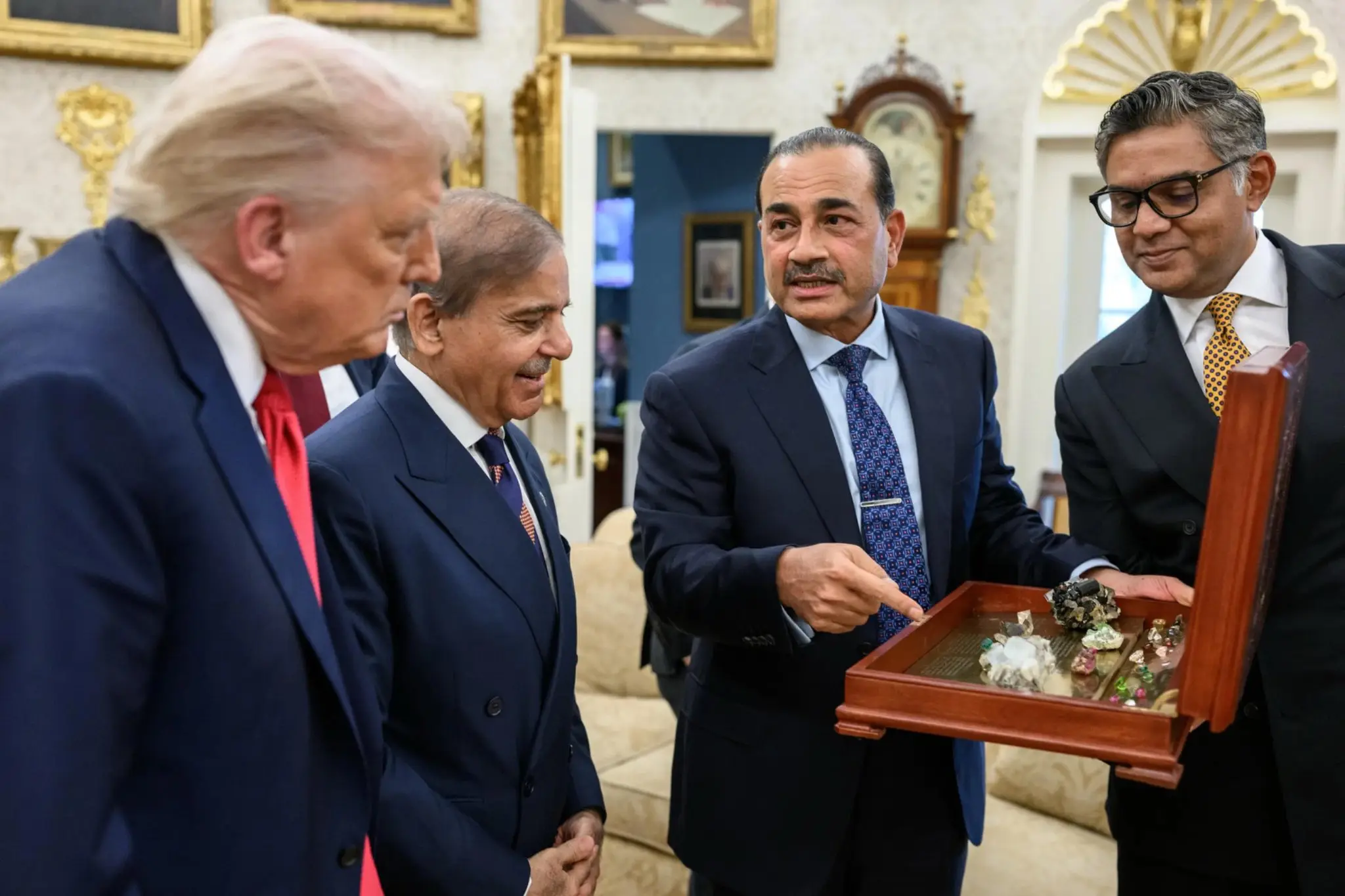
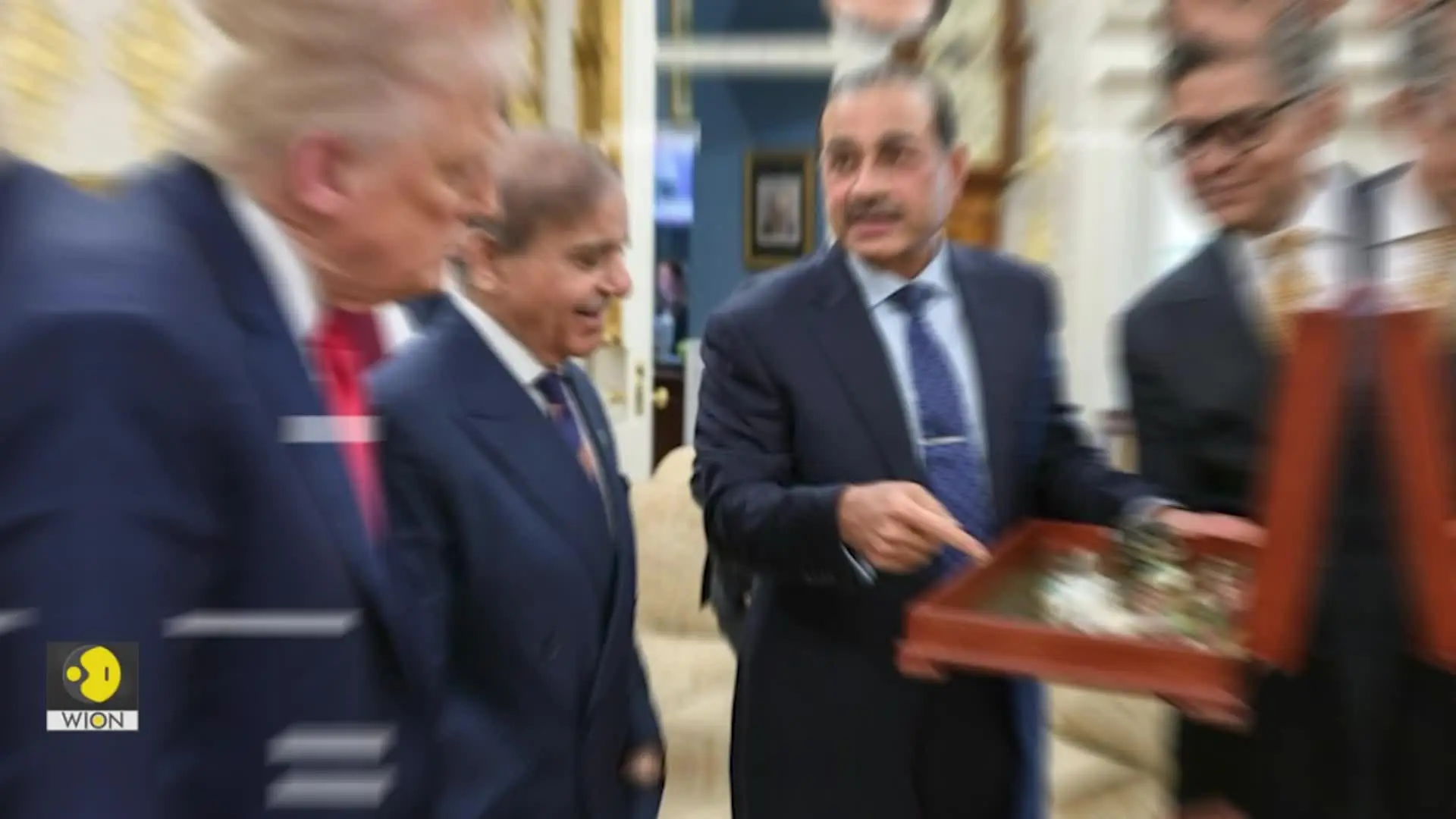
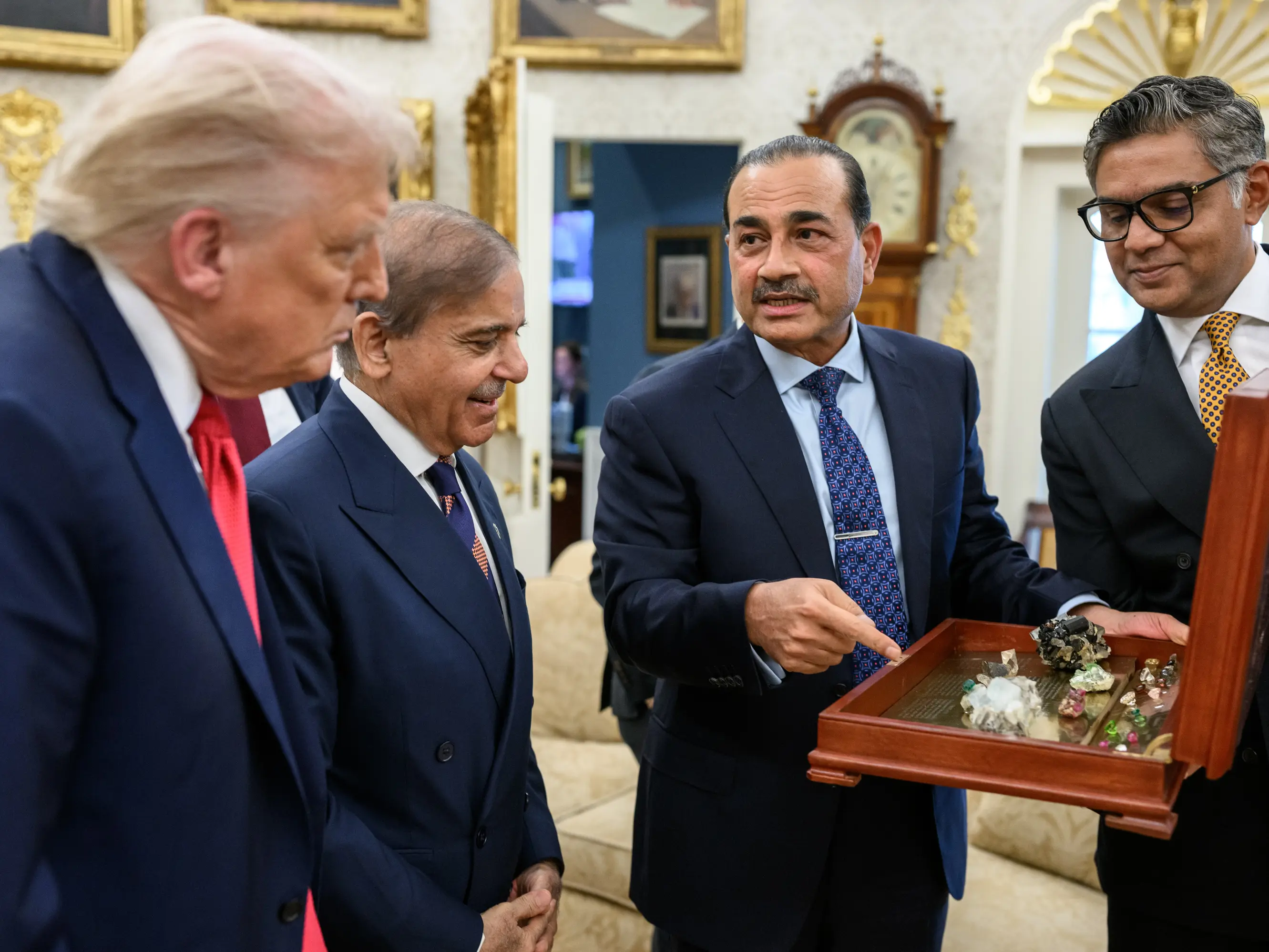
A file picture of Pakistan army chief Gen Asim Munir showing what appears to be rare earths to US President Donald Trump Photograph: (Others)
Pakistan-US rare earths trade has begun in earnest, couple of months after Asim Munir showed a case full of stones to Trump. What are the key deals? Should India worry?
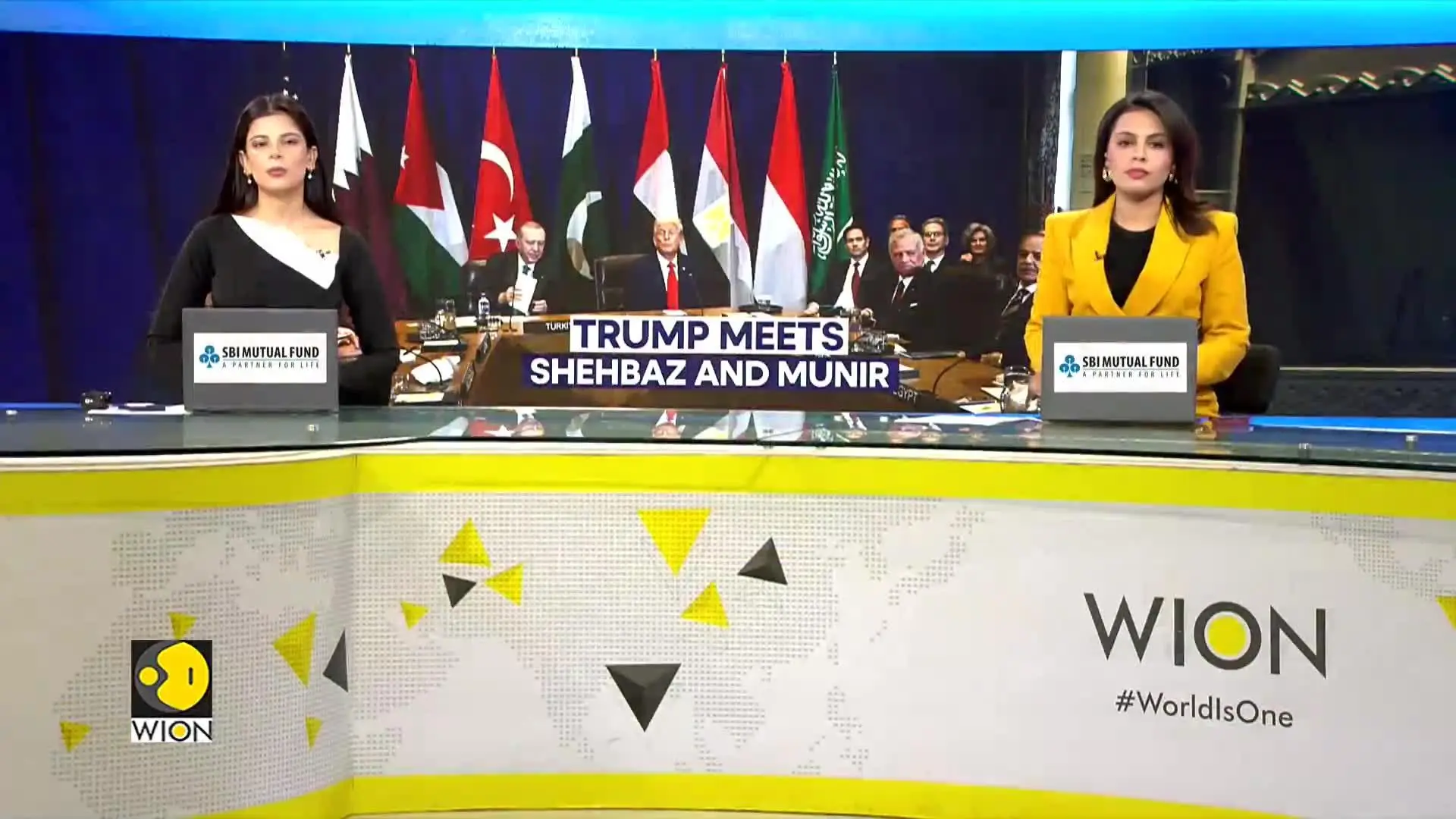
It appears that the display of those stones by Pakistan Army Chief Gen Asim Munir to US President Donald Trump in September has led to some real business deals between the two countries, focused on rare earths. Since Munir and Prime Minister Shehbaz Sharif presented what media reports described as mineral samples in late September, the groundwork for a full-fledged minerals trade has begun.
What did Munir show Trump?
At the time of the Oval Office meeting, many netizens mockingly referred to Munir as a 'salesman'. Reports said he had shown Trump geological specimens of rare earth or critical minerals, though US sources did not confirm the exact nature of the colourful stones. The symbolic intent was clear: to highlight Pakistan’s mineral potential directly to Trump, when the US was seeking rare earths critical for its key industries and defence.
First shipment of Pakistan's enriched critical minerals sent to the US
Now, recent reports have said that Pakistan has shipped enriched critical minerals including antimony, copper concentrate, and rare earth elements to the US. This is the first tangible development under the new US–Pakistan minerals cooperation framework, moving beyond diplomatic signalling to real trade.
Trending Stories
&imwidth=280&imheight=210&format=webp&quality=medium)
&imwidth=280&imheight=210&format=webp&quality=medium)
&im=FitAndFill=(700,400)&imwidth=280&imheight=210&format=webp&quality=medium)
&imwidth=280&imheight=210&format=webp&quality=medium)
&imwidth=280&imheight=210&format=webp&quality=medium)
&imwidth=280&imheight=210&format=webp&quality=medium)
&imwidth=280&imheight=210&format=webp&quality=medium)
&imwidth=280&imheight=210&format=webp&quality=medium)
&imwidth=280&imheight=210&format=webp&quality=medium)
&imwidth=280&imheight=210&format=webp&quality=medium)
&imwidth=280&imheight=210&format=webp&quality=medium)
&imwidth=280&imheight=210&format=webp&quality=medium)
&imwidth=280&imheight=210&format=webp&quality=medium)
&im=FitAndFill=(700,400)&imwidth=280&imheight=210&format=webp&quality=medium)
&imwidth=280&imheight=210&format=webp&quality=medium)
&imwidth=280&imheight=210&format=webp&quality=medium)
&im=FitAndFill=(700,400)&imwidth=280&imheight=210&format=webp&quality=medium)
&imwidth=280&imheight=210&format=webp&quality=medium)
&imwidth=280&imheight=210&format=webp&quality=medium)
&imwidth=280&imheight=210&format=webp&quality=medium)
&imwidth=280&imheight=210&format=webp&quality=medium)
&imwidth=280&imheight=210&format=webp&quality=medium)
&imwidth=280&imheight=210&format=webp&quality=medium)
&imwidth=280&imheight=210&format=webp&quality=medium)
&imwidth=280&imheight=210&format=webp&quality=medium)
&imwidth=280&imheight=210&format=webp&quality=medium)
&imwidth=280&imheight=210&format=webp&quality=medium)
&imwidth=280&imheight=210&format=webp&quality=medium)
&imwidth=280&imheight=210&format=webp&quality=medium)
&imwidth=280&imheight=210&format=webp&quality=medium)
&imwidth=280&imheight=210&format=webp&quality=medium)
&imwidth=280&imheight=210&format=webp&quality=medium)
Earlier, Pakistan’s Frontier Works Organization and US Strategic Metals inked a deal covering the extraction and export of rare earth metals, alongside plans for value-added processing in Pakistan. A poly-metallic refinery would process critical minerals into intermediate and finished products for American buyers. The multi-hundred-million-dollar cooperation suggests that the US is looking at Pakistan as a supplementary source of critical minerals.
Separately, US-listed Nova Minerals has signed a strategic MoU with Pakistani company Himalayan Earth Exploration (HEE). The focus is on exploration, technology transfer, capacity building, and trade in high-tech metals including antimony, gold, and rare earth elements. The initial investment could run into hundreds of millions of dollars, according to Nova’s CEO.
Rare earths and critical mineral capacity of Pakistan
Pakistan could emerge as a significant supplier of critical minerals for the US and beyond. Rare earth element concentrations are estimated up to 1,400 mg/kg in parts of the northern Himalayan and Karakoram belts. Light rare earths more abundant than heavy ones at roughly three to one ratio. Pakistan also holds significant quantities of antimony, copper, gold, tungsten, lithium, cobalt, and other strategic minerals. Most of these resources remain untapped, with an estimated total mineral wealth of up to US$68 trillion.
Should India be worried about US–Pakistan rare earths cooperation?
Indian strategic and official circles are closely monitoring the growing US–Pakistan minerals cooperation. A sustained minerals corridor linking Pakistan and the US could boost Pakistan’s economic capacity and create a strategic safeguard for the US to secure these assets. India, meanwhile, has its own mineral cooperation frameworks with the US, so a major shift in US focus towards Pakistan is unlikely in the near term.
Diversifying critical mineral supply chains is a strategic priority for the US. Pakistan’s emerging minerals sector offers an attractive supplementary source for the US. For Pakistan, the partnership promises technology transfer, foreign investment, and trade opportunities in value-added mineral processing.
Pakistan still faces hurdles in rare earths trade
Environmental concerns, regulatory gaps, and limited processing capacity remain challenges for Pakistan in exploration and refining of rare earths.
But if Pakistan overcomes these, the cooperation with US could evolve into a stable mineral supply chain with lasting strategic significance.