
&imwidth=800&imheight=600&format=webp&quality=medium "Pakistan minister's daughter, son-in-law sentenced to 17 yrs for calling nation a ‘terrorist state’")
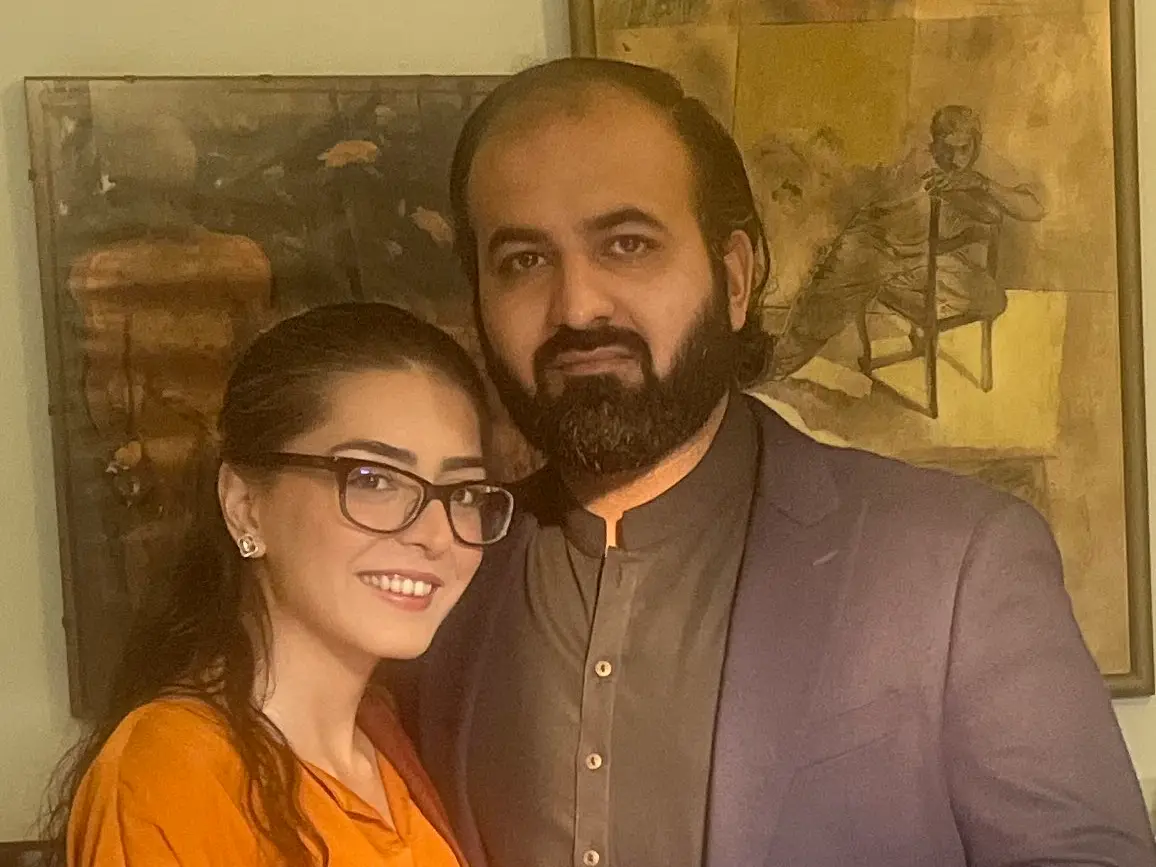
A Pakistani lawyer's daughter and son-in-law of former minister of the country, Shireen Mazari, were sentenced to 17 years in prison for calling Pakistan a ‘terrorist state’ and coming up with ‘anti-military’ remarks on her social media post. The charges were filed by the court under the contentious Prevention of Electronic Crimes Act (PECA).
According to a report in the Dawn, the additional district and sessions court on Saturday found human rights lawyer Imaan Zainab Mazari-Hazir and her husband Hadi Ali Chattha guilty of cyberterrorism, glorification of terrorism, and the dissemination of false information in Islamabad.
Mazari, a human rights lawyer, has defended victims of rights abuses and has been a vocal opponent of extrajudicial killings and enforced disappearances. Her mother previously served as Pakistan’s federal minister for human rights under the Pakistan Tehreek-e-Insaf (PTI) government.

Mazari's husband, Ali, who is also a criminal lawyer, represents individuals accused in blasphemy cases and has also worked with the Asma Jahangir Legal Cell, advocating for survivors of sexual assault, rape and enforced disappearances.
Prevention of Electronic Crimes Act (PECA)
Pakistani journalists, digital rights activists and civil society groups have long opposed the Prevention of Electronic Crimes Act (PECA). Though enacted in 2016 to address cybercrime, the law has increasingly been used by the state to curb free expression, particularly after amendments passed in January 2025 expanded the government’s authority to regulate social media.
Trending Stories
)
Did India risk its US trade deal despite softer stance at BRICS?
)
9-year-old Chennai prodigy clears Cambridge IGCSE grade 10 exams
)
Iran, India agree to deepen humanitarian and political ties, President Pezeshkian says
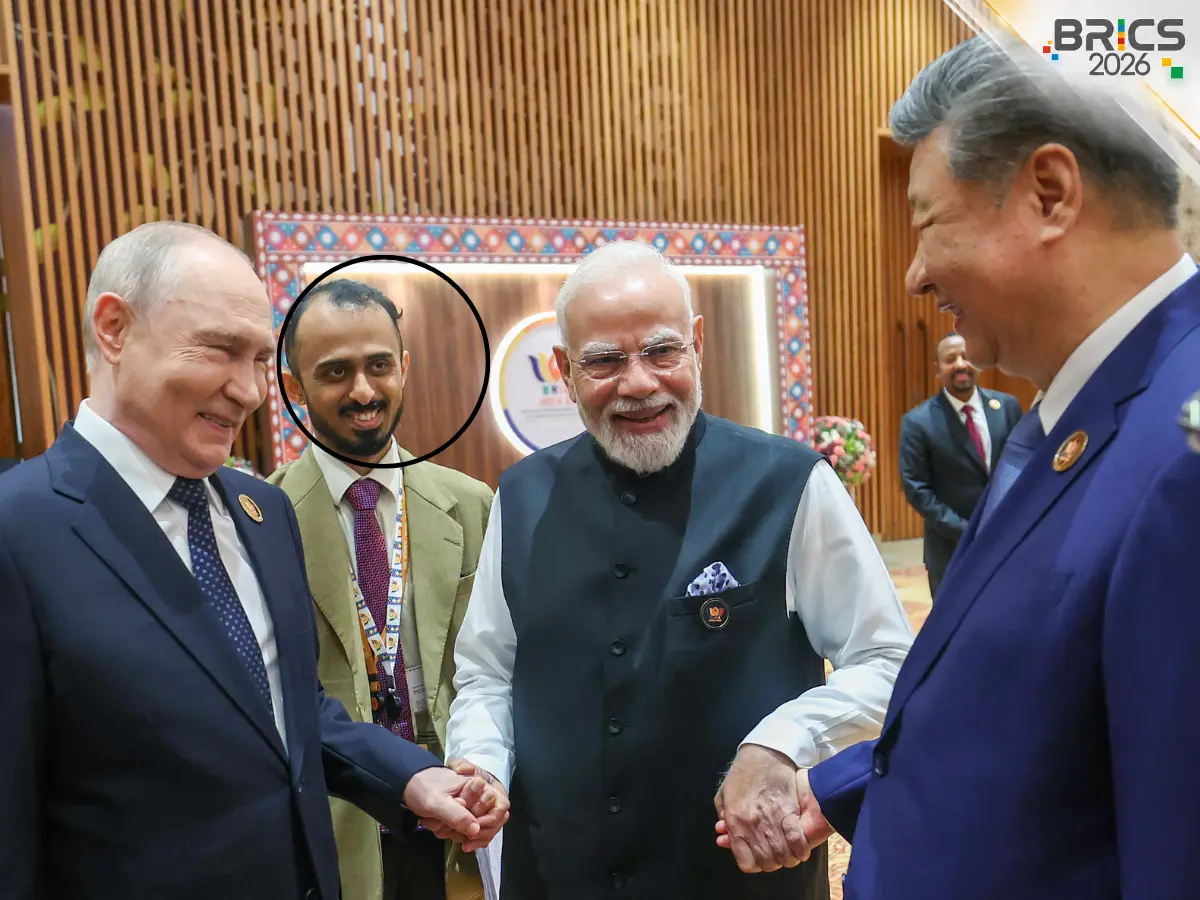)
Who is the smiling man beside Modi, Putin and Xi at BRICS Summit 2026?
&im=FitAndFill=(700,400))
Meet top 5 batters fastest to 3000 runs in T20Is
)
Baba Vanga's first prophecy for 2027 is out, and straight out of science fiction
)
BRICS Summit 2026: PM Modi, Xi reach key consensus on ties, China to assume BRICS chairmanship in 2027
)
UK breakup on the cards? Scotland, Wales and Northern Ireland push for independence
&im=FitAndFill=(700,400))
Why Chinese PL-15 air-to-air missiles use dual-pulse motors compared to European interceptors
)
‘Want to reset ties with India, have engagement based on mutual interests,’ says Bangladesh minister
)
NEET-UG to move to computer-based test soon, NTA DG says ‘CBT is the future’
)
'He is popular...': Malaysian PM Anwar Ibrahim's praise for PM Modi during bilateral meeting | WATCH
)
US diplomat accused of possessing child abuse images secretly flown out of UK by US Marines
&im=FitAndFill=(700,400))
Why European Meteor missiles use ramjet engines compared to standard US solid rockets
)
Did China give Iran intel before US base strike that killed 3 troops? Trump says, 'You’re right...'
)
Humans may lose control of AI: Anthropic CEO calls for slowdown, Altman, Musk back him
)
Akram, Afridi, Mushtaq tear into PCB after Pakistan’s Test series collapse in UK
)
BRICS Summit: New Delhi declaration adopted with full consensus, big diplomatic win for India
)
Indian importers urge Bangladesh to lift export ban on 'Hilsa' fish ahead of Durga Puja
)
PM Modi and China's Xi offered to help resolve Russia-Ukraine war: Kremlin
&im=FitAndFill=(700,400))
Shahid Kapoor to Rajkummar Rao: Actors who rule both theatres and OTT
)
800 million years old - Scientists discover 'fingerprints' of supercontinent Gondwana in ancient rocks
&im=FitAndFill=(700,400))
From Rinku Singh to Mayank Yadav, 5 players dropped from India’s squad for Afghanistan T20Is
)
Why Xi skipped PM Modi's gala dinner hosted for BRICS leaders
&im=FitAndFill=(700,400))
How 2nm technology improves iPhone performance
)
BRICS Summit 2026: Modi-Xi moment highlights India-China thaw at BRICS
)
Delhi’s balancing act: BRICS serves as a stage for West Asia diplomacy
)
Trump says Canada eager to reach a deal, it could come ‘fairly soon’ if Ottawa treats US farmers better
)
War is making Russia stronger? How Ukraine is shaping Moscow’s next generation of weapons
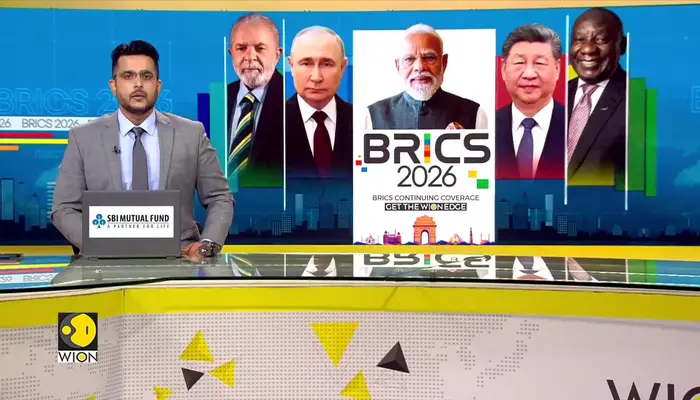)
BRICS Summit 2026: Trump wants to weaken BRICS, but maybe doing the opposite
)
Russian drone hits Warsaw-bound train near Polish border, Zelensky accuses Moscow of ‘deliberate’ targeting
)
First naval drone battle? Ukraine says Sargan 3000 sank Russian unmanned boat
)
NATO under Russian threat? Drone strikes just 2 km from Poland, narrow escape for former UK PM, CIA chief
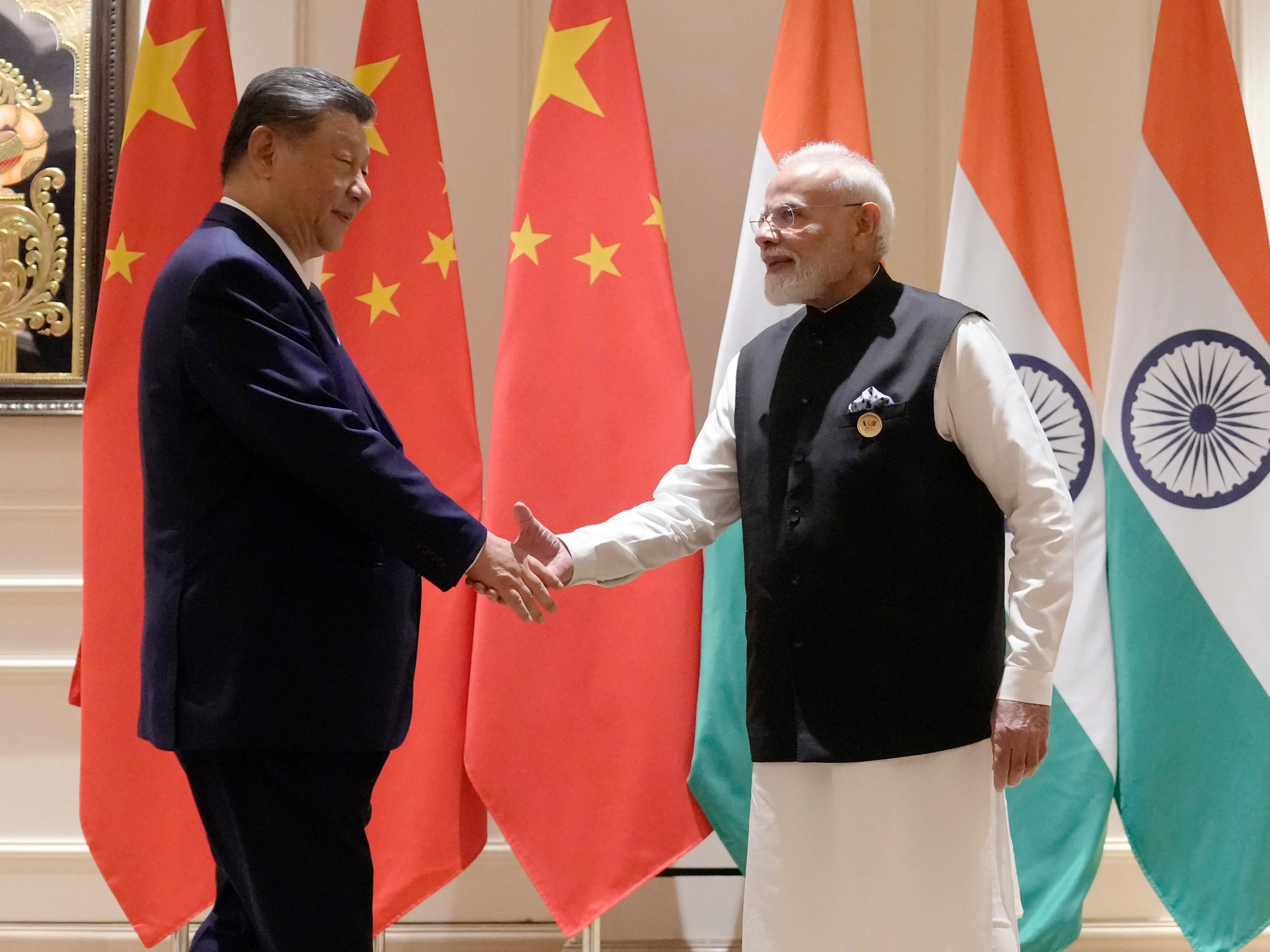)
‘Partners, not rivals’: Xi outlines four point plan for stronger India-China ties
The amended law carries penalties of up to three years’ imprisonment and fines of up to PKR 20 lakh for spreading false information. It also bars the sharing of statements from banned organisations or their members and widens the definition of social media platforms to include all online information management systems.
“This judgment is a blatant assault on the Constitution and a chilling warning to every lawyer, journalist, and citizen who dares to speak. The use of PECA to impose an excessive and punitive sentence for expression is not law enforcement; it is state overreach,” Moniza Kakar, a prominent human rights activist, told ThePrint.
She said the ruling is unlikely to survive an appeal and highlights the pressing need to end the misuse of PECA as an instrument of intimidation rather than justice. “Such disproportionate punishment has no place in a constitutional democracy and reflects a systematic misuse of cybercrime laws to silence dissent. When criticism is criminalised, and free speech is treated as terrorism, the justice system ceases to protect rights and begins to police opinions,” she said.

