'Ghost mode activated': Why USS Abraham Lincoln has turned off Its transponders as it's heading towards Iran?

The move to "Ghost Mode" is a psychological tool in Trump’s coercive diplomacy. As of January 26, 2026, the Lincoln is expected to be somewhere between the Bay of Bengal and the Gulf of Oman, but its exact distance from the Iranian coast remains a mystery.
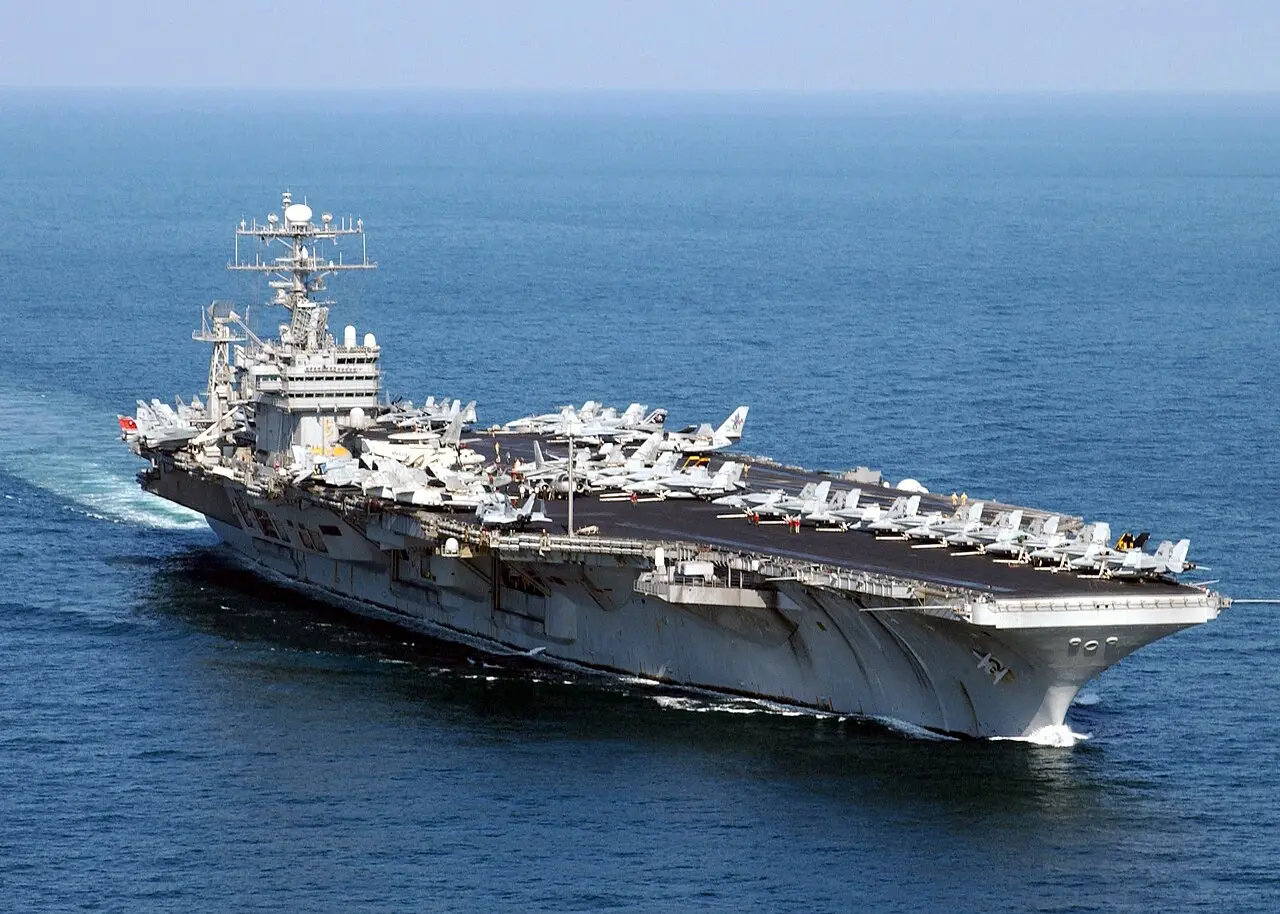
1. Entering the "Dark Zone" of EMCON
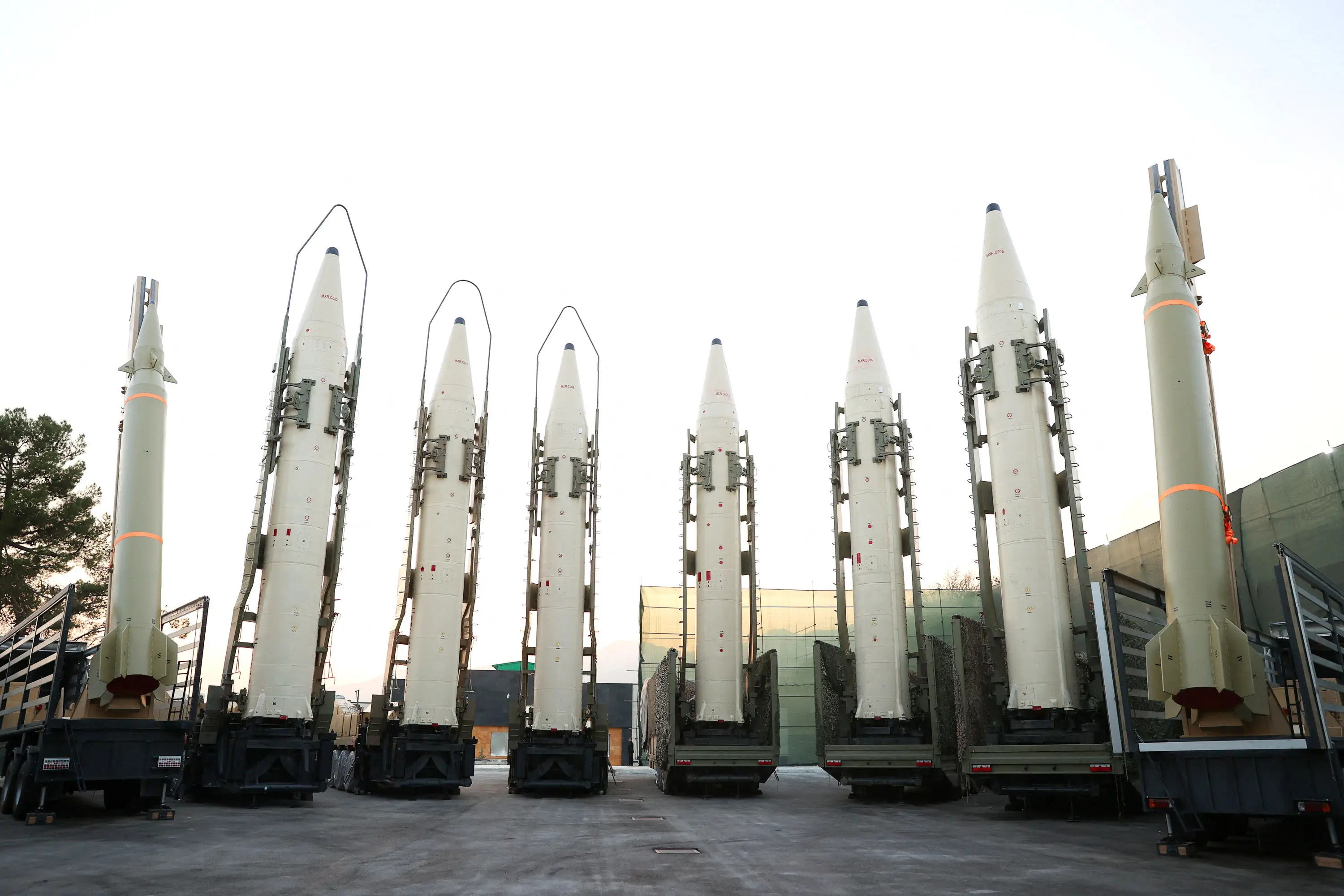
The primary reason the Lincoln has gone "dark" is the initiation of Emission Control (EMCON). By switching off its Automatic Identification System (AIS) transponders, the carrier prevents open-source intelligence (OSINT) and commercial tracking services from broadcasting its real-time coordinates. In the high-stakes environment of January 2026, where Iran’s Revolutionary Guard has warned of "total war," maintaining "positional ambiguity" is the carrier’s first line of defense. This allows the Armada to move through the Indian Ocean without providing Tehran with a fixed target for its long-range "carrier killer" missiles.
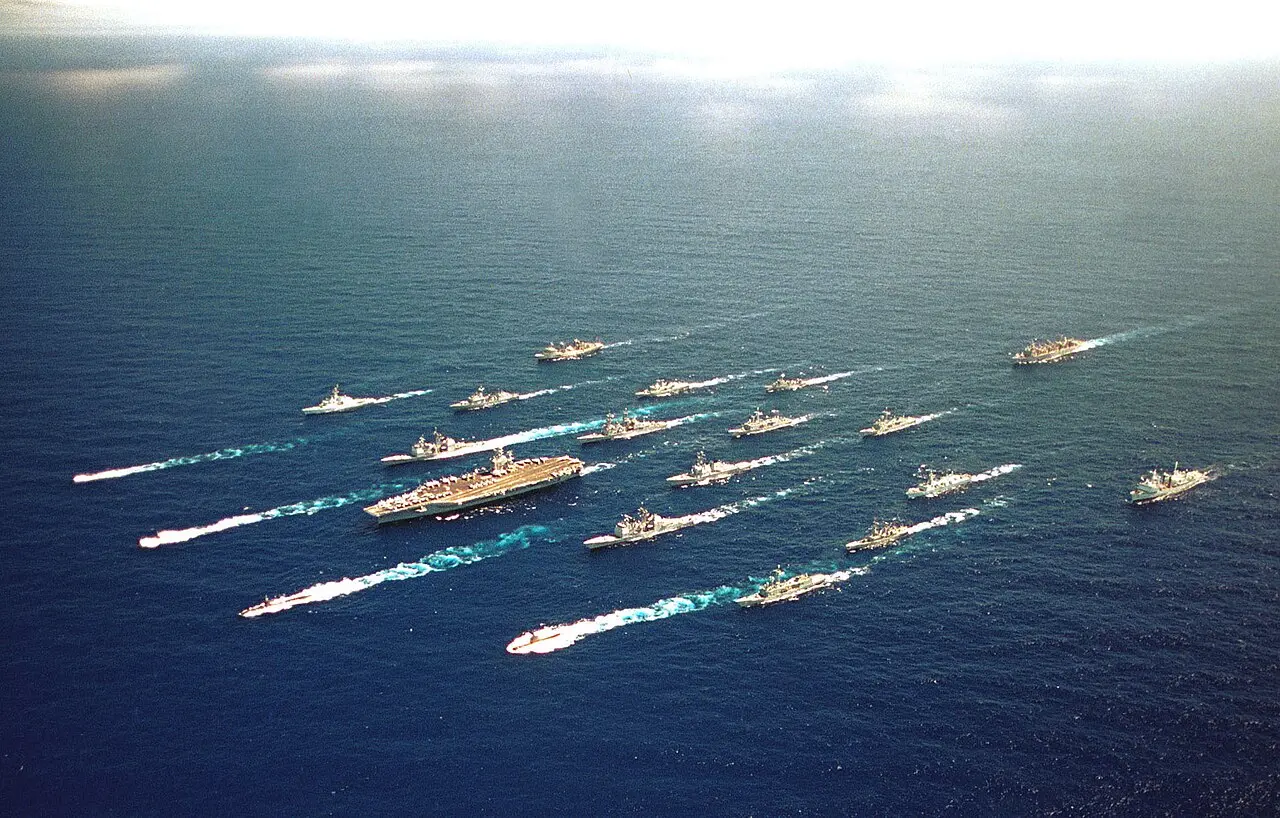
2. Evading Iranian Satellite Surveillance
While the US Navy cannot hide from every satellite, turning off transponders significantly complicates Iran’s targeting loop. Iran utilises a mix of domestic satellites and commercial data to monitor naval movements in the Arabian Sea. By going dark, the Lincoln creates a "tactical vacuum." Without a transponder signal to correlate with visual or radar imagery, the IRGC must dedicate significantly more resources to "finding and fixing" the carrier, often resulting in a delay of several hours, a lifetime in modern missile warfare.

3. Creating "Strategic Uncertainty"
The move to "Ghost Mode" is a psychological tool in Trump’s coercive diplomacy. As of January 26, 2026, the Lincoln is expected to be somewhere between the Bay of Bengal and the Gulf of Oman, but its exact distance from the Iranian coast remains a mystery. This uncertainty forces Iranian military planners to remain on high alert across their entire southern coastline, draining their personnel and resources. The "Ghost Ship" narrative sends a clear message: the Armada could be 500 miles away, or it could be launching F-35s from just over the horizon.
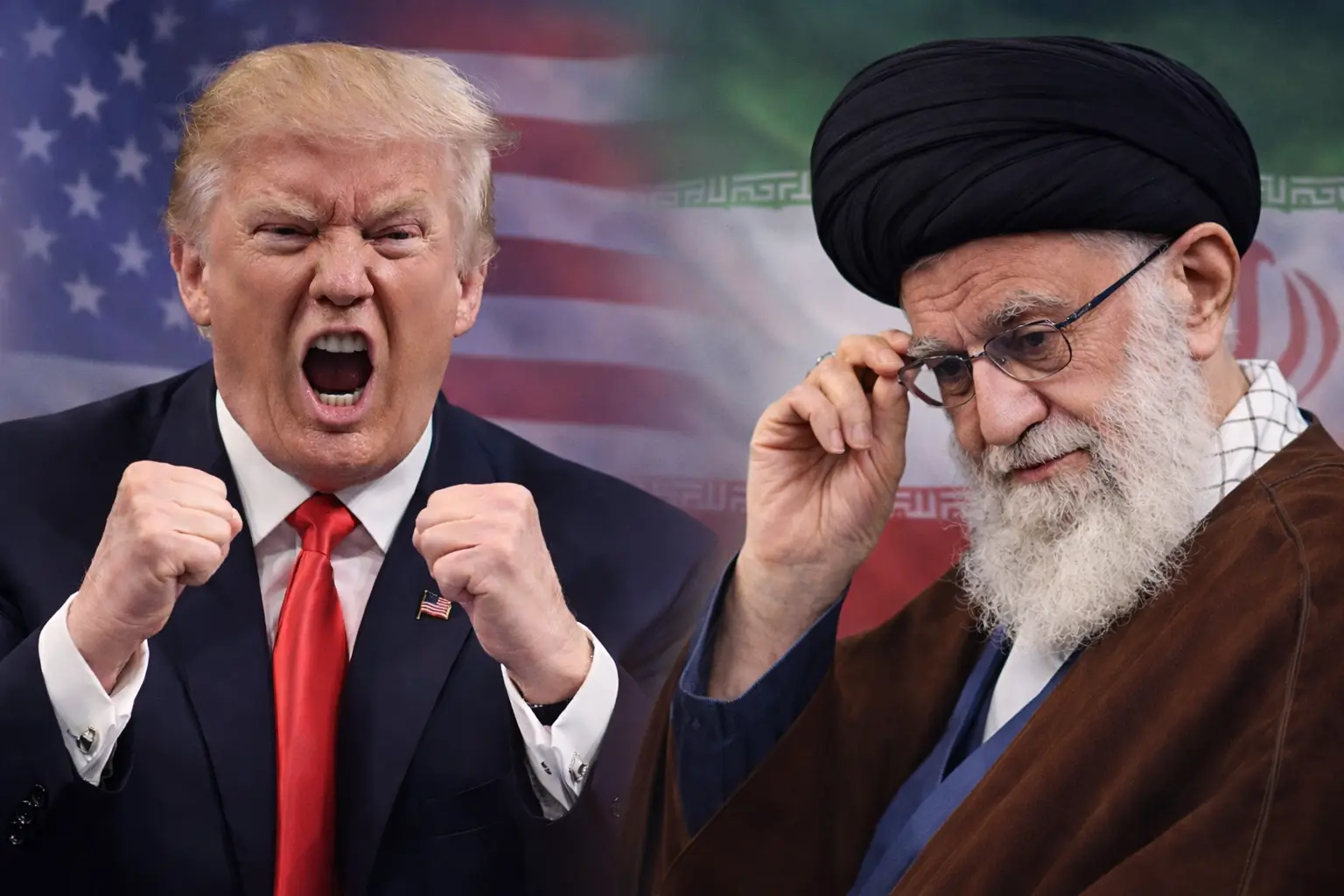
4. Operational Security for "Day One" Strikes
History shows that U.S. carriers often go dark just days before a major military operation. Similar to the lead-up to Operation Midnight Hammer in June 2025, the Lincoln's silence suggests that the "Black Knights" of VMFA-314 are preparing for high-priority missions. By hiding its transit speed and heading, the carrier ensures that if an order for a "1,000-aimpoint strike" is given, the first indication Tehran receives will be the sound of stealth jets overhead, not a notification on a tracking app.
5. Protecting the "Armada’s" Escorts
The Lincoln does not travel alone; it is surrounded by the "Steel Umbrella" of Destroyer Squadron 21. Ships like the USS Spruance and USS Michael Murphy also operate in varying degrees of electronic silence during these transits. When the flagship goes dark, the entire strike group follows, making it much harder for Iranian "swarm" boats or submarines to coordinate a multi-vector ambush in the narrow chokepoints leading toward the Persian Gulf.

6. Digital Execution: The "Next-Gen Jammer" Blackout
The destruction the Lincoln brings is not always kinetic; it often begins with a total "Digital Execution." As of late January 2026, the Lincoln’s EA-18G Growler squadron (VAQ-133) is operating with the newly combat-tested AN/ALQ-249 Next Generation Jammer-Mid Band (NGJ-MB). These pods represent a quantum leap in electronic warfare, capable of "frying" or deceiving multiple advanced Iranian radar systems and communication networks simultaneously. By initiating a full-spectrum electronic blackout over a city like Tehran, the Growlers can effectively "blind" the IRGC, preventing them from achieving a target lock on the Armada's stealth jets while simultaneously shutting down the regime’s internal command datalinks.
7. The "60-Day Siege": Logistic Autonomy in the Open Sea
A major tactical advantage of the USS Abraham Lincoln is its ability to conduct a sustained "siege" without ever needing a friendly port. Supported by massive replenishment oilers like the USNS Henry J. Kaiser, the Lincoln strike group can stay on a 24/7 "war footing" indefinitely. In mid-January 2026, the Lincoln successfully conducted a massive replenishment-at-sea, transferring millions of gallons of fuel and thousands of tons of ordnance in just a few hours. This logistical endurance means the "Armada" does not need permission from neighbouring countries like Pakistan or Oman to operate; it is a self-sustaining, sovereign "floating fortress" that can outlast the Iranian regime’s defensive supplies and psychological resolve.
)
)
)
)
)