Omicron offshoot XBB.1.5 may cause new Covid spike in the US, confirms CDC

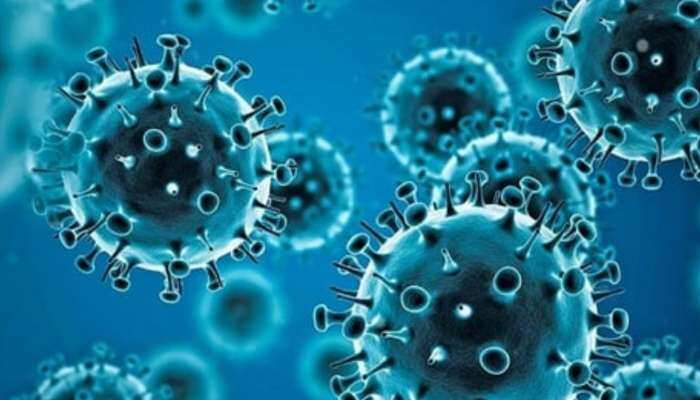
Omicron offshoot
Week after week, scientists have been witnessing an onslaught by Covid's Omicron variants in the United States, with BQs — BQ.1 and BQ.1.1 appearing to be edging out all the others to seize a modest lead, as reported by the CNN.The upshot has been a steady increase in cases and hospitalisations that never seemed to reach the zenithof this summer's BA.5 wave and was certainly nothing like the tsunami of sickness brought on by the original Omicron strain a year ago.
On Friday, the COVID-19 mutant dashboard from the US Centers for Disease Control and Prevention (CDC) showed a new contender that would soon take the lead: XBB.1.5.
According to the CDC, XBB.1.5 increased from roughly 4% to 41% of new infections during the month of December 2022, more than doubling its portion of the COVID-19 pie each week for the previous four. As per CDC's calculations, XBB.1.5 is responsible for 75% of new infections in the Northeast region of the US.

Also read |EU nations agree on pre-departure Covid test for flyers from China, formal decision on Wednesday
“For a few months now, we haven’t seen a variant that’s taken off at that speed,” said Pavitra Roychoudhury, director of Covid-19 sequencing at the University of Washington School of Medicine’s virology lab, who spoke to CNN.
This Omicron sublineage, according to virologists and epidemiologists, possesses characteristics that could lead to a new wave of COVID-19 cases in the US, however, it is yet unknown how massivethat wave will be or whether it would put more people at risk for hospitalisation.
)
Trump-Xi Summit: Trade, Taiwan and the red lines shaping US-China talks | Race To Power
)
US citizen injured in Illinois after ICE agents mistook him for fugitive, hospitalised
)
US judge questions Trump’s decision to ban CNN, MS NOW and Politico from White House
)
Afghan woman cyclist who disguised herself as a boy to escape Taliban, wins Asian Games medal
)
Italy hit by floods in the north, drought in the south
)
'There will be elections': Venezuela's interim leader Delcy Rodriguez makes big announcement at UN
)
Would you date an AI? South Korea’s My AI Partner: Strange Love sparks buzz on relationship and intimacy
)
'Arrogant parasites': Milei blasts UN over Falklands dispute, warns Argentina will ‘take matters into our own hands’
)
IIT Bombay CCTV footage emerges: Sahil Wakode seen looking at phone in examination hall
)
Cyclone Arnab: Landfall expected before midnight tomorrow as IMD issues orange alerts across six states
)
9 killed, several injured as tourist bus catches fire on Yamuna Expressway
)
NBA player Steven Adams shares hilarious GTA VI theory
)
WION Iconic Tourism Summit 2026: Union Minister Shekhawat on 'experiential travel', peace diplomacy
)
'AI got into my speech': Prince Harry jokes after teleprompter failure at event in New York
)
Scientists detect first radio signals directly from faraway planet
)
China to test supersonic jet that moves at Mach 2, double the speed of sound
)
WION Iconic Tourism Summit: 'Hanuman Ansh' Director on blockbuster success
)
'Partners rather than rivals': Xi Jinping's first message after landing in US for Trump summit
)
WION Iconic Tourism Summit: Is India's travel boom outrunning its airports, airlines and hotels?
)
IIT Bombay student suicide case: CCTV from the exam hall hours before suicide
)
2,000-foot tube, laser tests and more: China builds towns to expand nuclear arsenal, satellite images show
)
French court upholds decision to send PSG and Morocco footballer Hakimi to rape trial
)
WION Iconic Tourism Summit and Awards 2026: Key voices to discuss India’s tourism future
&im=FitAndFill=(700,400))
New OTT releases this week (September 21-27, 2026): Shaque: Trust No One, Hunkkaar, Don’t Be Shy- 5 new titles coming to Netflix, Prime Video and more
)
WATCH | China President Xi Jinping lands in US as Trump greets him ahead of high-stakes summit
)
Australian PM Anthony Albanese calls OpenAI AI incident 'unacceptable' after restricted data access
)
Claude Opus 5.5 is here: Anthropic claims it can finish a 680,000-line code migration in less than a day
)
'What kind of confession is this?': Pakistan PM Shehbaz Sharif’s 'terrorists would be roaming New York' remark goes viral, raises alarm online. Watch
)
WION Iconic Tourism Summit: How local tourism MSMEs must upskill for AI integration
)
Eight USS Abraham Lincoln sailors attempted suicide, Acting Navy Secretary says
)
Trump’s Board of Peace unveils $2.45bn Gaza plan,66 projects: But where’s the money?
)
EC appointment law: Why is the 2023 act controversial, and what happens next? WION explains
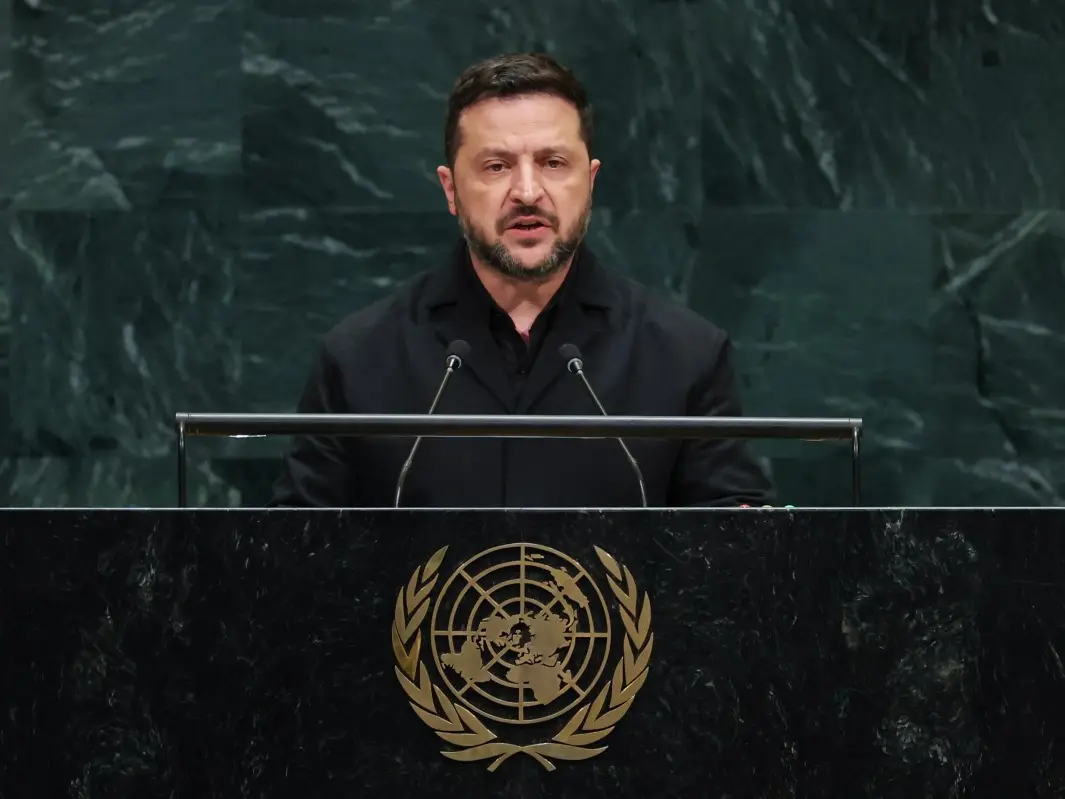)
'Putin is patient zero': Zelensky slams Russian president at UNGA, accuses him of using fighters from 47 countries
&im=FitAndFill=(700,400))
National Film Awards 2026: Kartik Aaryan, Mammootty, Yami Gautam, Randeep Hooda and other key winners
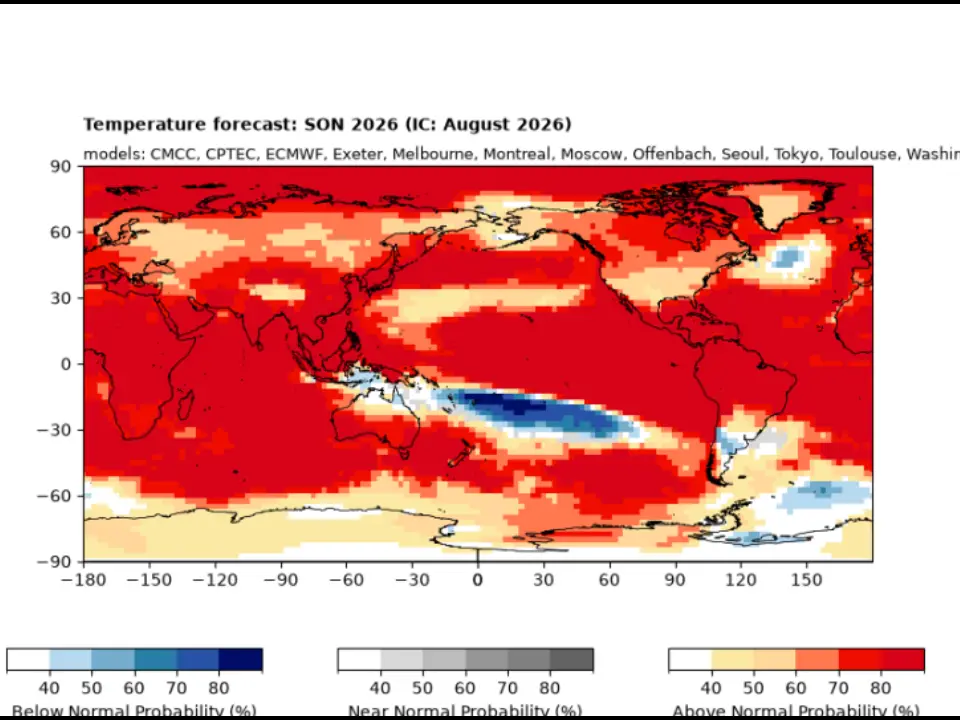)
El Niño 2026 heats up to become strongest in 1,000 years
)
Israeli envoy to US Yechiel Leiter’s son critically injured in West Bank ramming attack
&im=FitAndFill=(700,400))
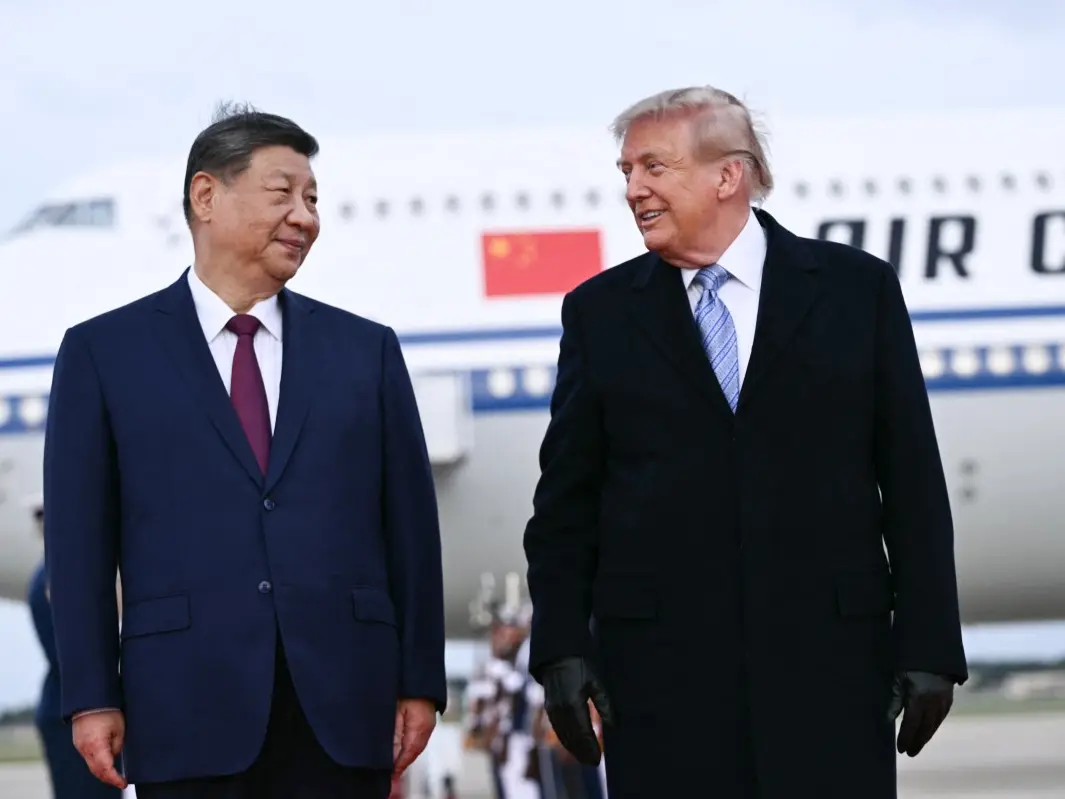
Trump welcomes Xi Jinping in rare airport gesture: Photos from Chinese President's arrival in US
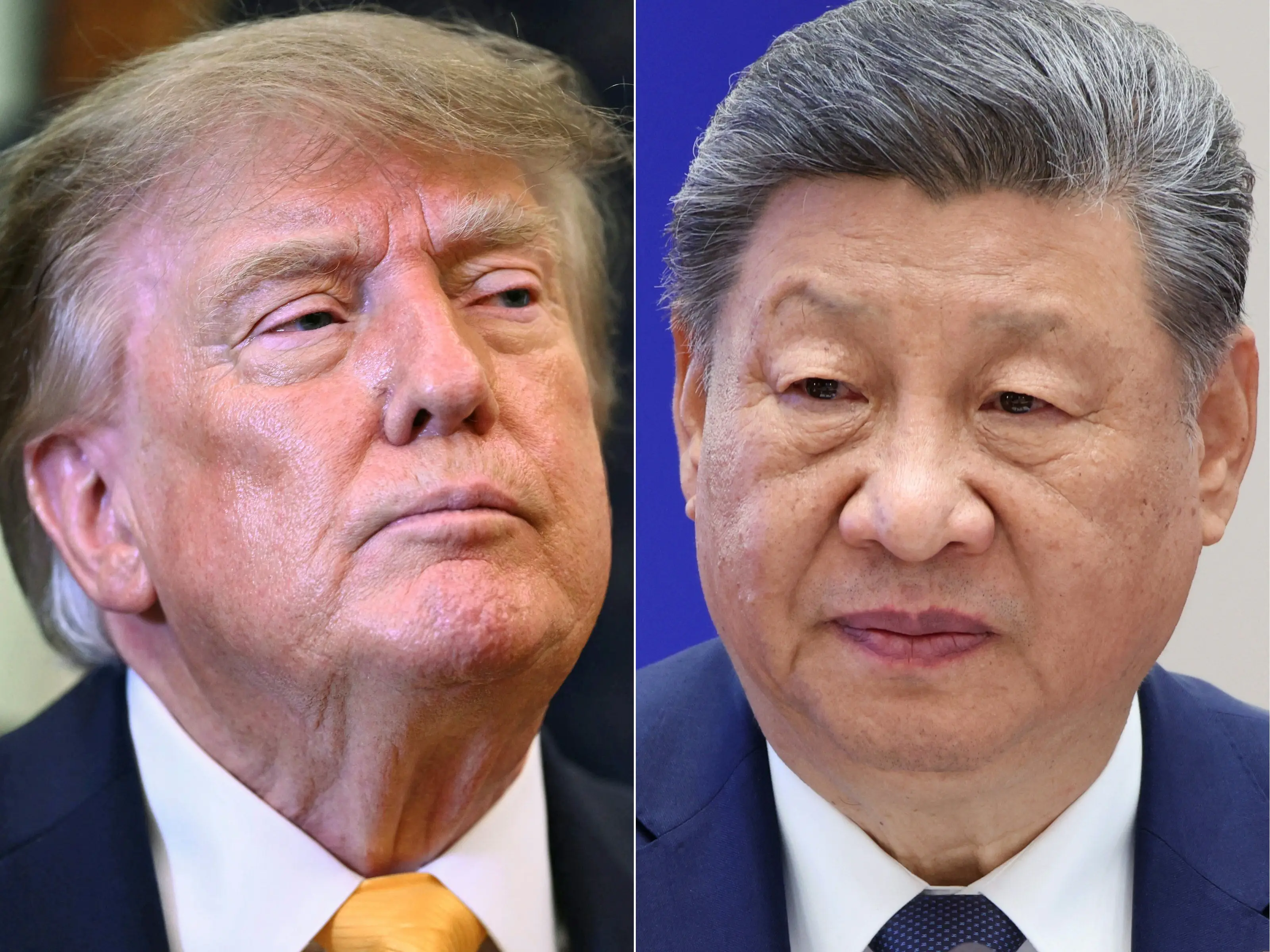)
Xi-Trump meeting: China’s human rights red line and past protests explained
Also watch |California: Miracle survival after Tesla car crash, all four passengers rescued successfully
XBB.1.5 appears to have emerged in the United States, despite recent worries that a new Covid-19 threat could come from China's continuous growth, according to specialists. According to GISAID, a global initiative to catalogue and track coronavirus variations, it was initially discovered in New York and Connecticut in late October.
Apart from being highly immune evasive, XBB.1.5 has an additional feature that seems to be helping to fuel its growth. It has a key mutation at site 486, which allows it to bind more tightly to ACE2, the doors the virus uses to enter our cells.
The majority of scientists agreed that although XBB.1.5 has the potential to spread more diseases, it won't necessarily be very serious. However, Americans have been sluggish to get the booster jabs. Only 15% of Americans who are eligible have received an updated booster, according to CDC data. Only around 1 in 3 seniors, or those 65 and older, have had a booster shot.
Experts point out that other antivirals, like Paxlovid and Remdesivir, should still be useful even though antibody therapies won't be effective against this sublineage.
WATCH WION LIVE HERE: