Oil prices jump as Trump rules out extending Iran ceasefire. What comes next?

&imwidth=600&imheight=450&format=webp&quality=medium "Oil prices jump as Trump rules out extending Iran ceasefire. What comes next?")
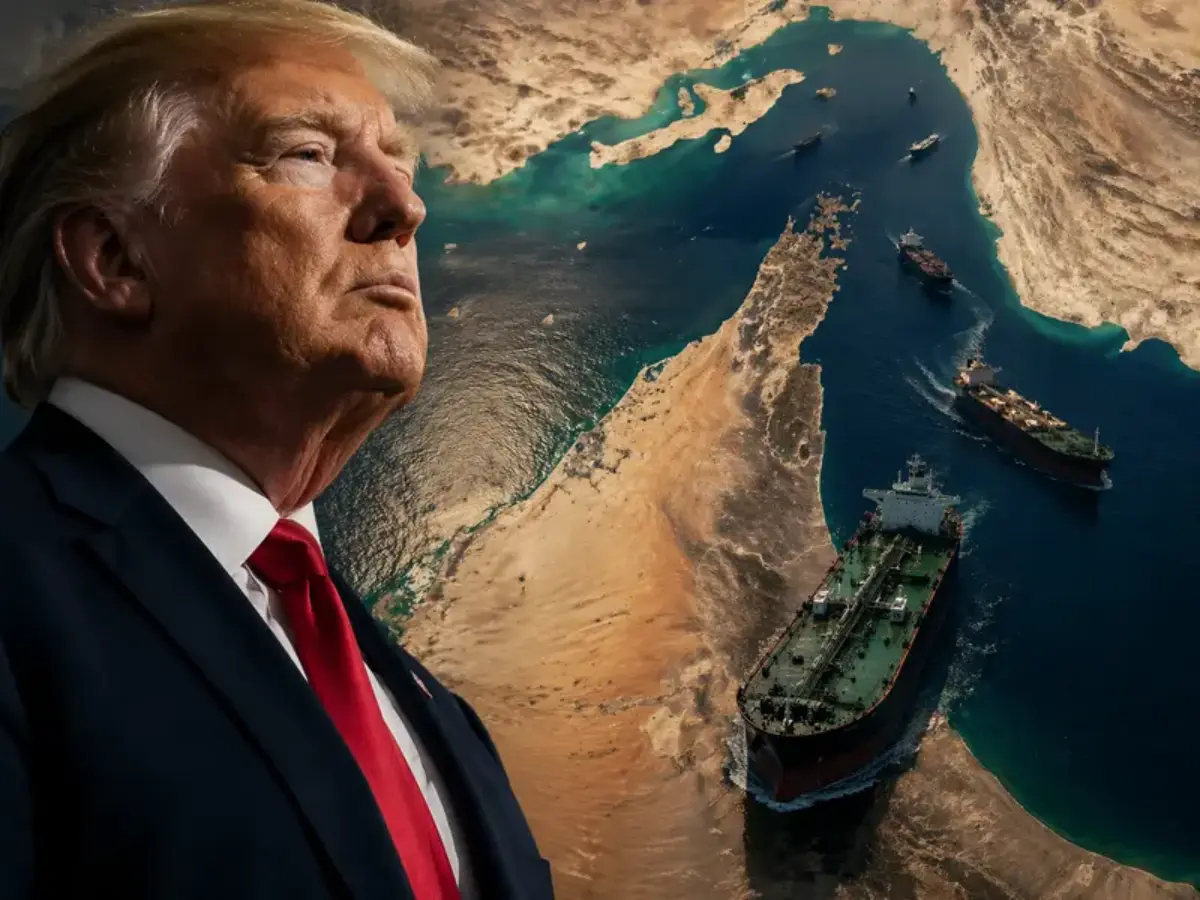
Oil tops $90 after Trump rejects Iran ceasefire extension. What next? Photograph: (AI generated (ChatGPT image))
Brent crude, the international benchmark, settled at $90.87 a barrel, while U.S. West Texas Intermediate rose to $84.50. The gains reflected renewed concern that stalled diplomacy could prolong disruptions to global energy supplies.
Oil prices rose sharply on Monday (Aug 17) after US President Donald Trump ruled out extending an interim ceasefire arrangement with Iran, deepening uncertainty over the conflict and the future of shipping through the Strait of Hormuz.
Brent crude, the international benchmark, settled at $90.87 a barrel, while U.S. West Texas Intermediate rose to $84.50. The gains reflected renewed concern that stalled diplomacy could prolong disruptions to global energy supplies.
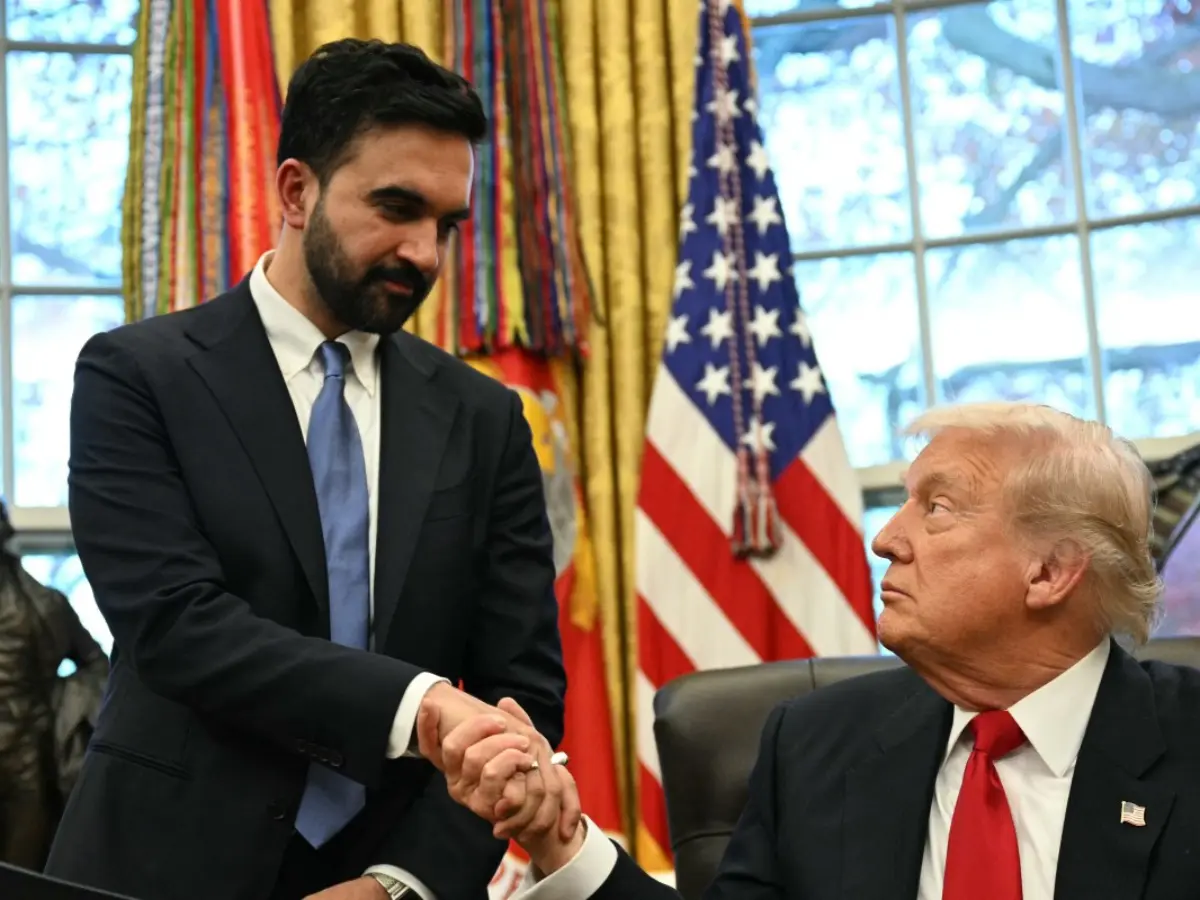
President Trump said Monday that he did not want to extend the memorandum of understanding reached with Iran in June. The agreement had been intended to create a path toward a broader settlement, but negotiations have struggled over several issues, including Iran’s nuclear program and control of the Strait of Hormuz.
Iran has also hardened its position. A senior Iranian official warned that Tehran could shift toward a more offensive military posture if diplomatic efforts fail.
Why Hormuz matters
Trending Stories
)
)
)
)
)
)
)
)
)
)
)
)
)
)
)
)
)
)
)
)
)
)
)
)
)
)
)
)
)
)
)
)
)
)
&im=FitAndFill=(700,400))
)
)
)
)
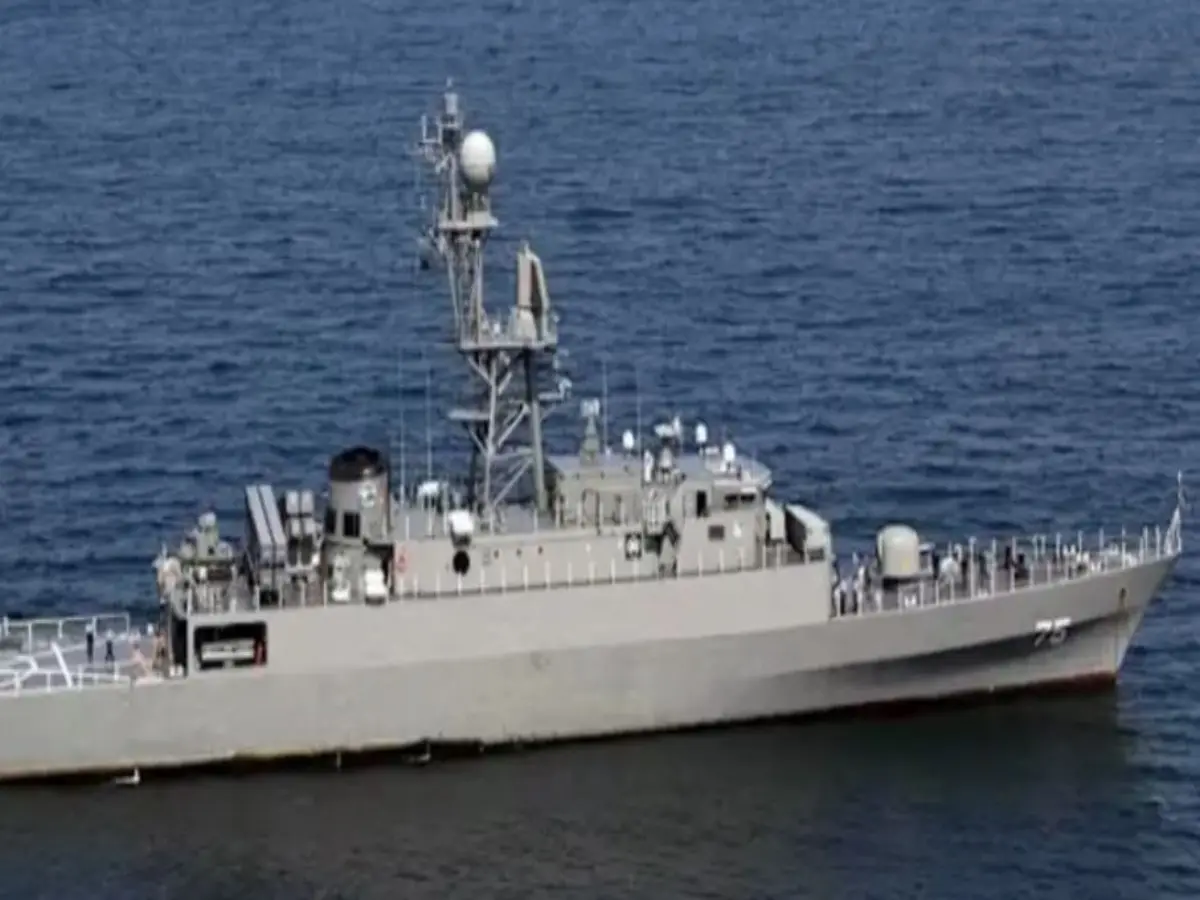
The Strait of Hormuz remains the most important factor for oil markets. Before the conflict, around one-fifth of global oil supplies passed through the narrow waterway connecting the Persian Gulf to international markets.
Traffic remains heavily disrupted. Only five commodity vessels crossed the strait on Saturday, compared with 31 the previous weekend, while no crossings were recorded on Sunday, according to shipping data cited by Reuters.
Even without a complete shutdown, reduced tanker traffic can increase shipping and insurance costs and restrict supplies from major Gulf producers.
What’s next?
The immediate focus will be on whether Washington and Tehran can maintain diplomatic contacts despite increasingly confrontational rhetoric.
Sustained increases in crude prices can feed into gasoline and transportation costs, making the conflict increasingly relevant to American consumers.
For oil markets, Hormuz will remain the key indicator.
Any agreement that restores significant tanker traffic could quickly ease some of the geopolitical premium built into crude prices. Further attacks or a deeper disruption of the strait could push prices higher.
For now, markets are pricing in a conflict with no clear diplomatic exit and an energy supply route that remains vulnerable to the next political or military move.
