Oil prices fall by almost 2% as G7 stockpile release offsets Strait of Hormuz supply fears

&imwidth=600&imheight=450&format=webp&quality=medium "Oil prices fall by almost 2% as G7 stockpile release offsets Strait of Hormuz supply fears")
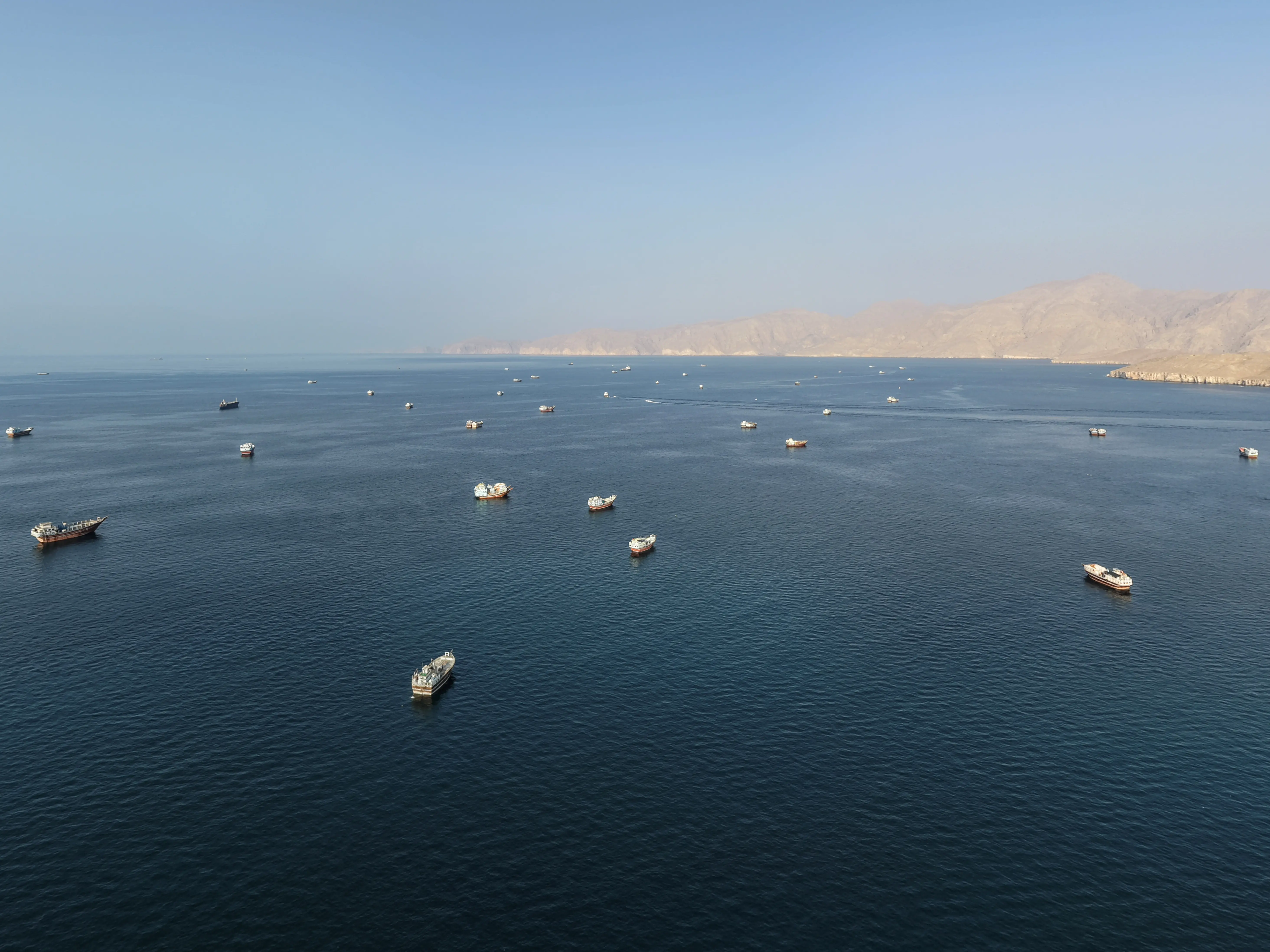
An aerial view shows ships anchored off the coast of Khasab in Oman’s Musandam Governorate, near the Strait of Hormuz, on October 2, 2026. Photograph: (AFP)
Oil prices fell despite renewed attacks around the Strait of Hormuz as traders weighed a planned G7 release of 100 million barrels of crude and fuel. Brent settled at $100.32 a barrel while supply risks across the Middle East remain elevated.
Oil prices settled lower on Monday (Oct 05) as traders weighed a planned release of emergency crude and diesel stocks by the Group of Seven against renewed attacks around the Strait of Hormuz and continuing risks to Middle East supplies. December Brent crude futures fell 1.9 per cent to $100.32 a barrel, while December West Texas Intermediate futures dropped 1.8 per cent to $89.43 a barrel. Brent has now settled lower in three of the past five sessions, while WTI has declined for two consecutive days, according to FactSet data.
G7 plans 100 million-barrel release
G7 countries agreed on Friday (Oct 02) to coordinate the release of 100 million barrels of crude oil and fuel through the International Energy Agency over four months. A substantial portion of the release will involve diesel during the first 20 days.
Also read | ‘Russian spies, faeces and Finnish MPs? Bizarre home intrusions spark intimidation fears
The IEA said about 325 million barrels of the 400 million barrels pledged under collective action announced in March have already been released. While Middle East crude exports have recovered significantly, refined-product flows, particularly diesel, remain severely constrained, the agency said.
The US Department of Energy said 800,000 barrels of crude were released from the Strategic Petroleum Reserve last week. September releases were the smallest in six months. The reserve held 283 million barrels as of Friday, the lowest level since October 1982.
Trending Stories
)
)
)
)
)
)
)
)
)
)
)
)
)
)
)
)
)
)
)
)
)
)
)
)
)
)
)
)
)
)
)
)
)
)
&im=FitAndFill=(700,400))
)
)
)
)
Saudi Arabia cuts crude price
Saudi Aramco cut the official selling price for November shipments of Arab Light crude to Asia by $3 a barrel, widening its discount to the Oman/Dubai benchmark to $5.
The move came as crude flows through the Strait of Hormuz recovered, although freight costs remained elevated. MUFG analysts said tanker attacks, infrastructure disruptions and vessels operating without visible tracking signals were still limiting exports through the waterway.
Meanwhile, seven OPEC+ members, including Saudi Arabia and Russia, agreed on Sunday to keep production levels unchanged in November.
Also read | USS Dwight D. Eisenhower returns to port for aircraft systems assessment after Growler mishap
Hormuz supply recovery remains fragile
Saudi Arabia is loading crude from both its Persian Gulf and Red Sea coasts as exports recover. Kpler data showed Saudi crude shipments through the Strait rising from around 1.4 million barrels a day in late August to about 4.1 million barrels a day last week.
The kingdom's East-West pipeline has also returned to flows of around 5.5 million barrels a day after being shut in mid-September following drone attacks. But the recovery remains vulnerable. UK Maritime Trade Operations said Sunday that a tanker in the Strait of Hormuz was struck by an unknown projectile, damaging its engine room. The crew was safe, and no environmental impact was reported. Seven vessel attacks have been reported around the strait since September 28, according to The Wall Street Journal.

