New report reveals Europe emerging as 'hotspot' for arms imports

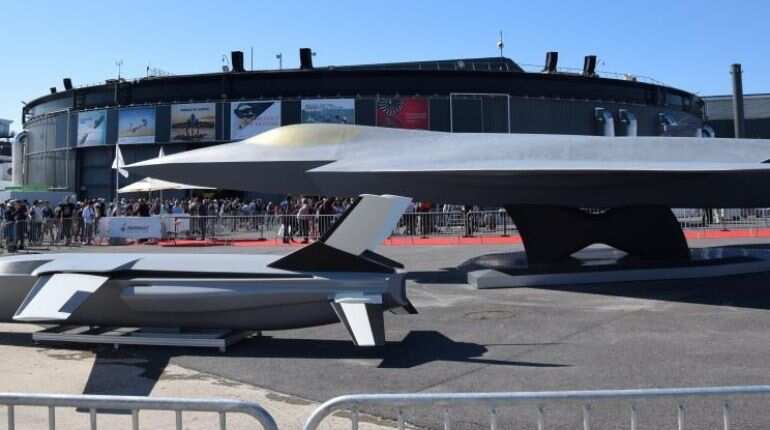
Europe arms
A new report by Stockholm International Peace Research Institute (SIPRI) has shown that Europe is emerging as 'hotspot' for arms imports.
"Europe is the new hotspot", said Siemon Wezeman, co-author of the annual report for over three decades.
"The severe deterioration in relations between most European states and Russia was an important driver of growth in European arms imports, especially for states that cannot meet all their requirements through their national arms industries."

"We are going to increase our military spending not just by a little bit but by a lot. We need new weapons and a lot of that will come from imports", the senior researcher said, adding that the majority was likely to come from other European countries and the US.
European countries spooked by Russia's invasion of Ukraine are expected to beef up their militaries with fighter jets, such as the American F-35, missiles, artillery and other heavy weapons.
"Most of these things take a bit of time. You have to go through the process, you have to decide, you have to order, you have to produce. This generally takes a couple of years at least", Wezeman said.
)
Beijing to Washington! Ivanka Trump makes a style statement in Chinese designer Guo Pei for President Xi Jinping’s White House welcome
)
Russian warplanes trigger first Finland-Sweden joint operation in Baltic – What happened?
)
Outrage erupts after 3-year-old is married to 60-year-old man in Pakistan, link to her sister's murder being probed
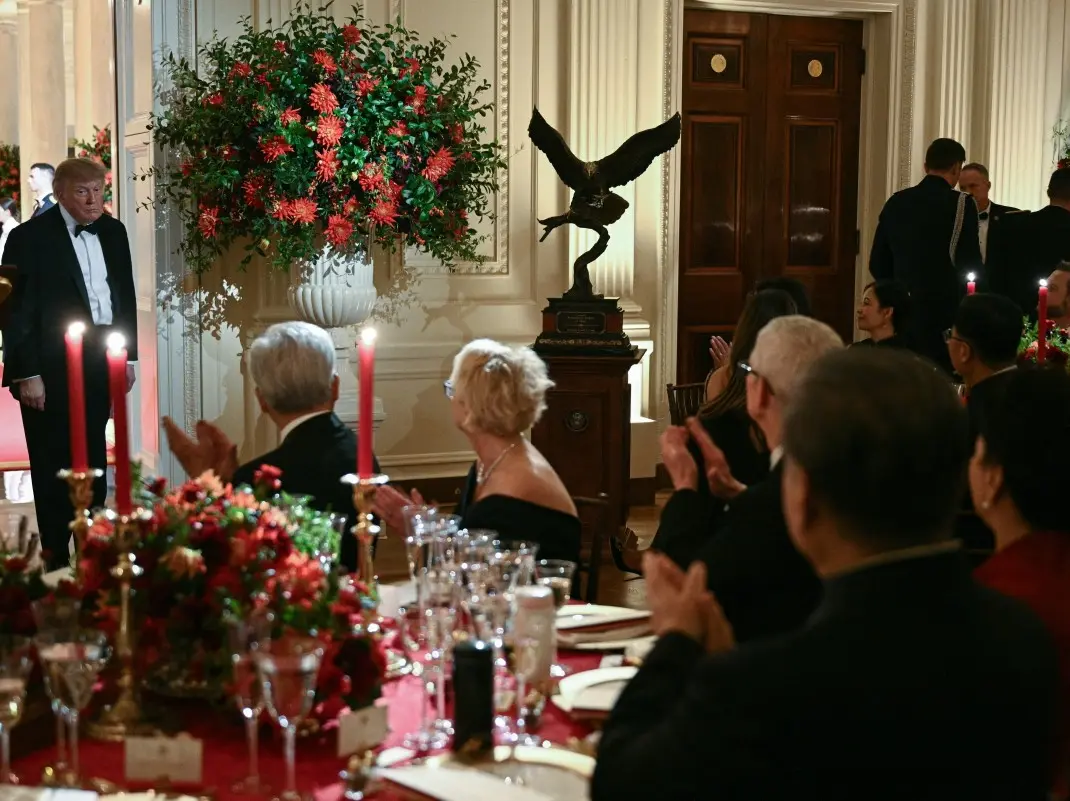)
Trump gifts Xi a bald eagle sculpture at White House dinner: Here’s what it symbolises
)
‘Not just a local tragedy’: Nepal PM Shah warns UN of growing climate threat, says Nepal floods were 'a warning to the world'
)
India-New Zealand FTA is ‘an expression of trust’, NZ High Commissioner Patrick John Rata says
&im=FitAndFill=(700,400))
New Friday OTT releases (September 25, 2026): Don’t Be Shy, Hunkkaar: The Roar, Mango Pachcha- 6 movies and TV shows on Netflix, Prime Video and more
)
Watch: PM Modi joins Bhajan Clubbing event in Delhi on Deendayal Upadhyaya's birth anniversary
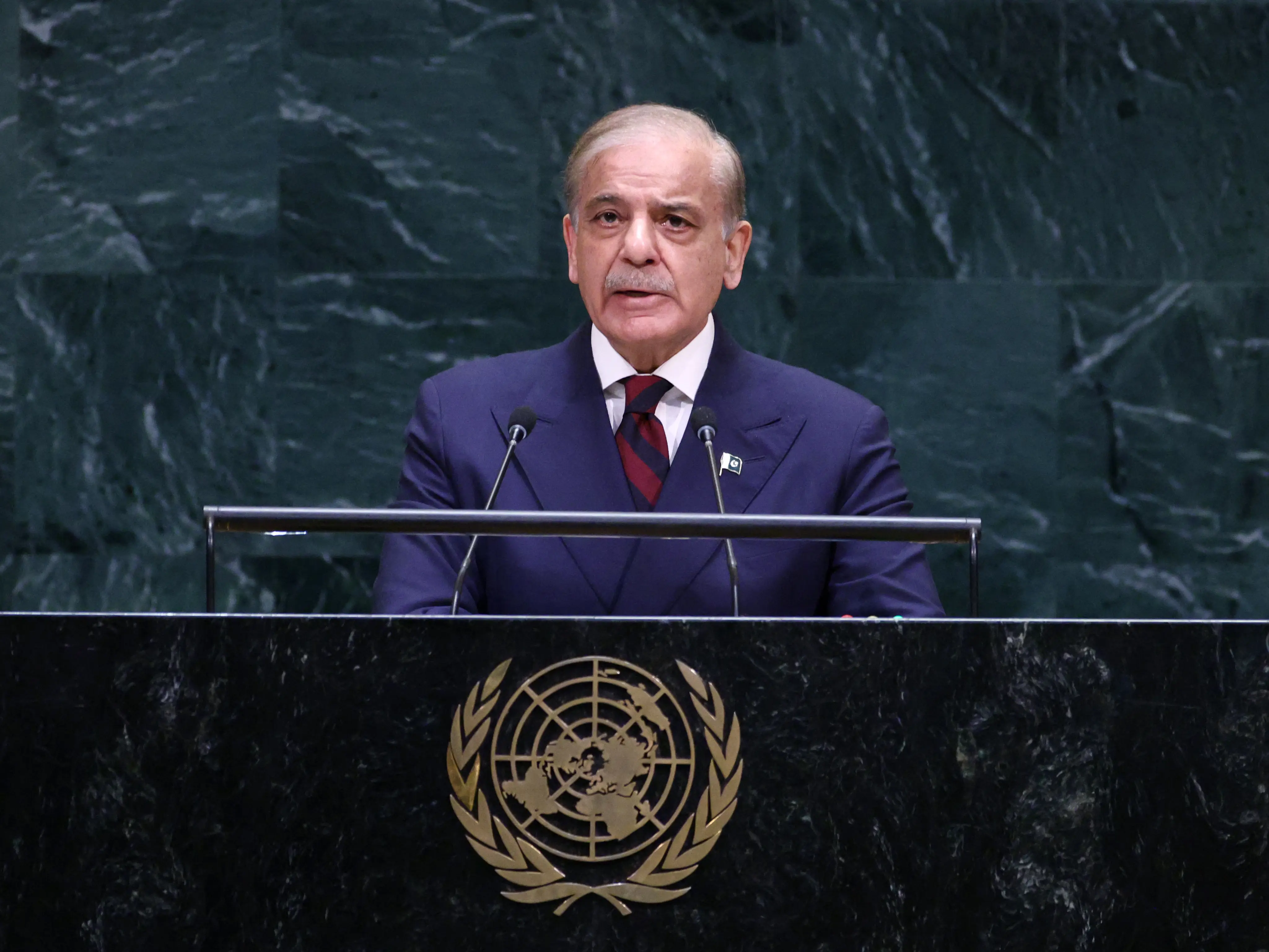)
‘Attack on Mecca a red line for Pakistan’: Shehbaz Sharif warns Houthis at UN
)
Tesla is preparing something big for Optimus: new Gen 3 models surface in app
)
Bias or safety concerns? Bengaluru CEO says firm will not hire men from UP, Bihar, Rajasthan, MP. Here's why
)
Double shock for Israel: Furious Trump refuses to meet humiliated Netanyahu | Gravitas
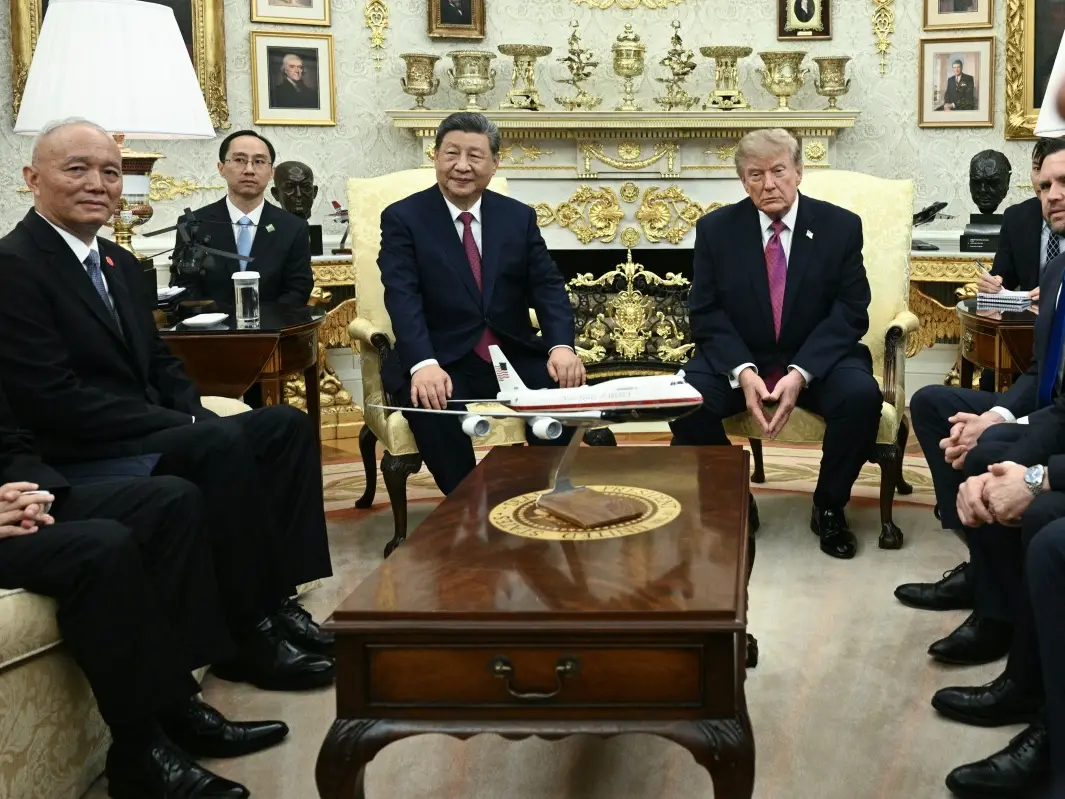)
Trump's welcome to Xi demonstrates 'attraction' to dictators: Chuck Schumer
)
Scientists detect first radio signals directly from faraway planet
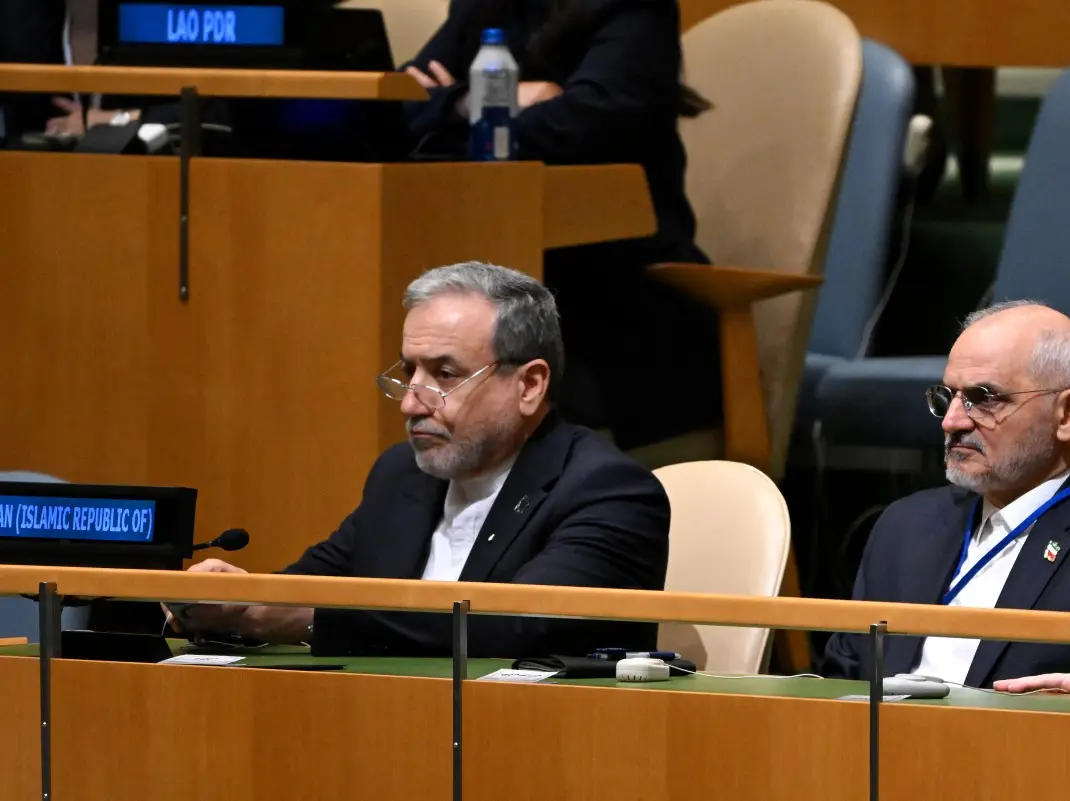)
A seven-day roadmap? Iran proposes plan to end war, reopen Strait of Hormuz and resume nuclear talks
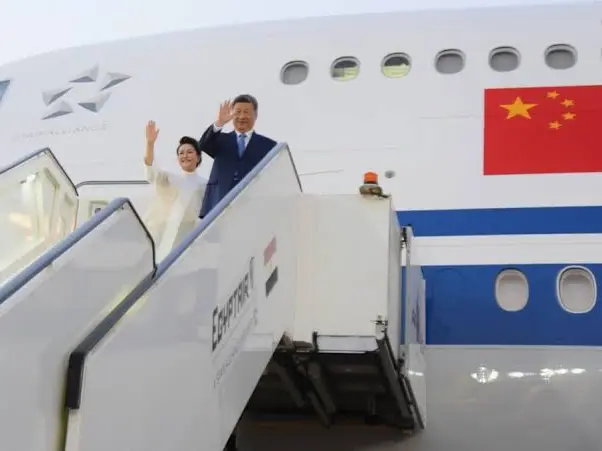)
Xi Jinping's 'special plane' vs Trump's Air Force One: What's the difference?
)
‘It is all possible’: Putin weighs next steps on Ukraine talks, rules out Europe conflict
)
Saudi Arabia, Turkey and Pakistan to hold urgent military talks amid intensifying Houthi attacks
)
Ex-Liverpool forward Mohamed Salah banned from driving in United Kingdom for six months
)
‘We’ve never gotten along better’: Trump praises Xi, jokes about White House ballroom at high-stakes state dinner
)
Meet Adrian Abraham: 9-year-old Indian-origin guitar prodigy aiming for a Guinness World Record
)
Red Sea crisis: Houthis promise not to target European ships; UNSC condemns Saudi attacks
)
'Blockbuster' nor'easter develops an eye similar to hurricanes as warnings are issued
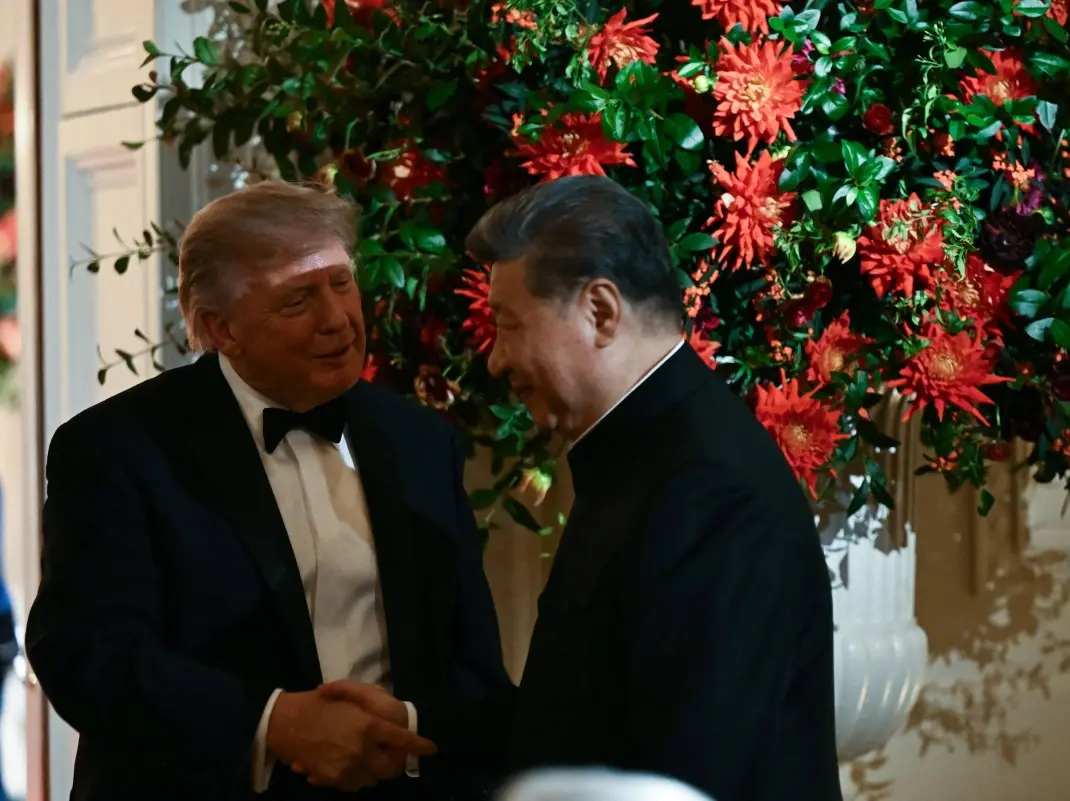)
'Making history': Xi Jinping praises Trump as US-China leaders dine at White House
)
'We do not wish to continue. It's America that must choose': Iran president Pezeshkian calls on US to end war
)
Exclusive | 'We always want to improve': Suruchi, Kamaljeet after winning Asian Games gold
)
Bollywood mourns Mushtaq Khan: Sunny Deol, Rajpal Yadav and others pay tribute
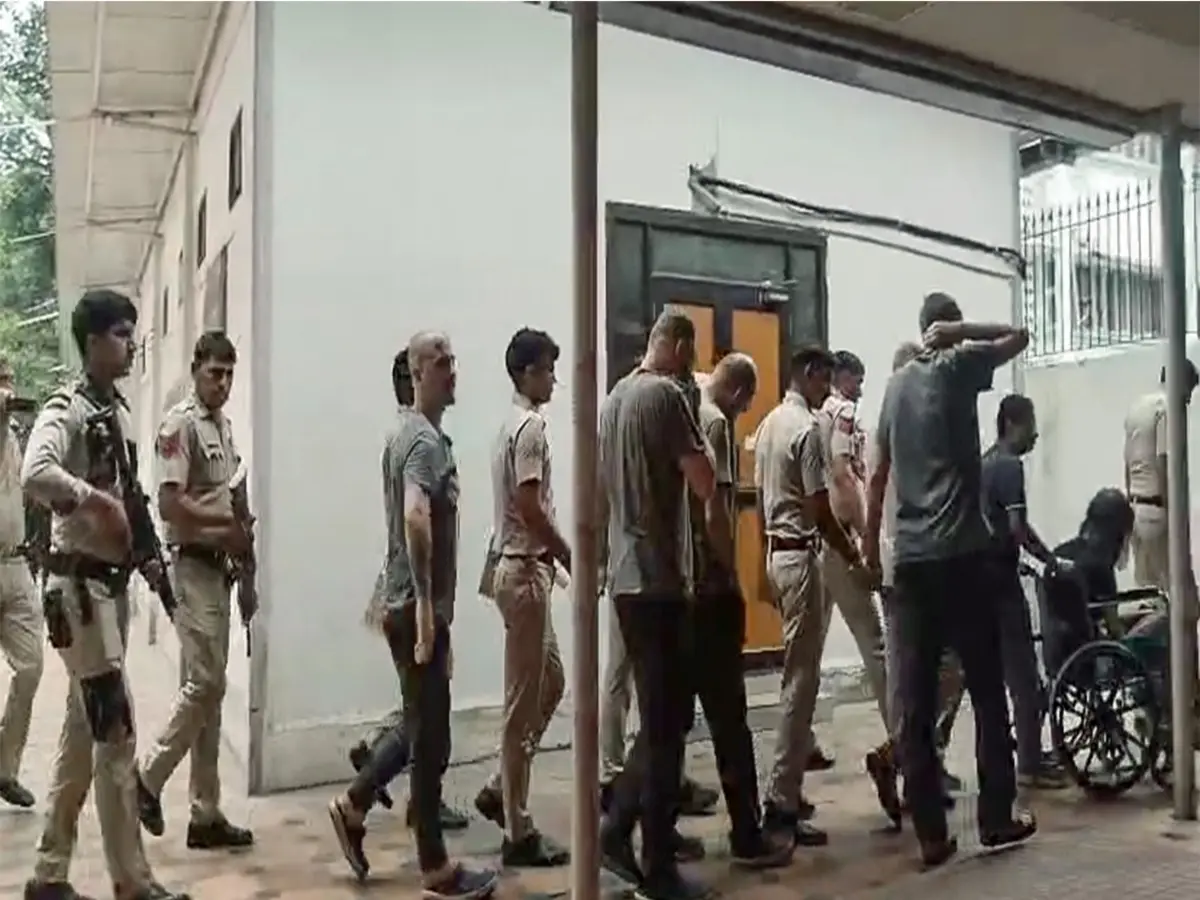)
Myanmar training camp case: US national, 6 Ukrainians allowed to meet their families abroad
)
'FIRST LOOK from inside Noah’s Ark': Researchers share video from inside mysterious mound in Turkey
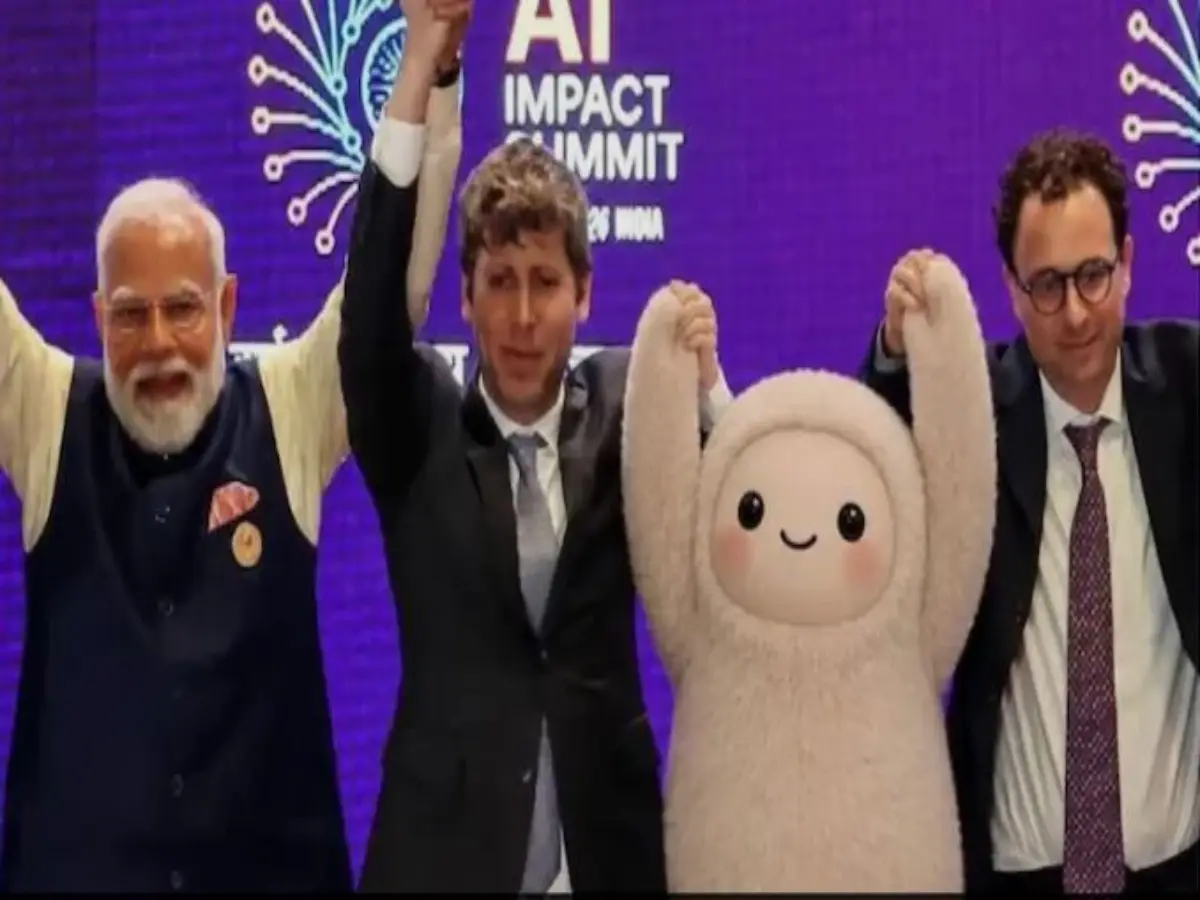)
Meta AI chief posts edited Altman-Dario pic with PM Modi, deletes it later
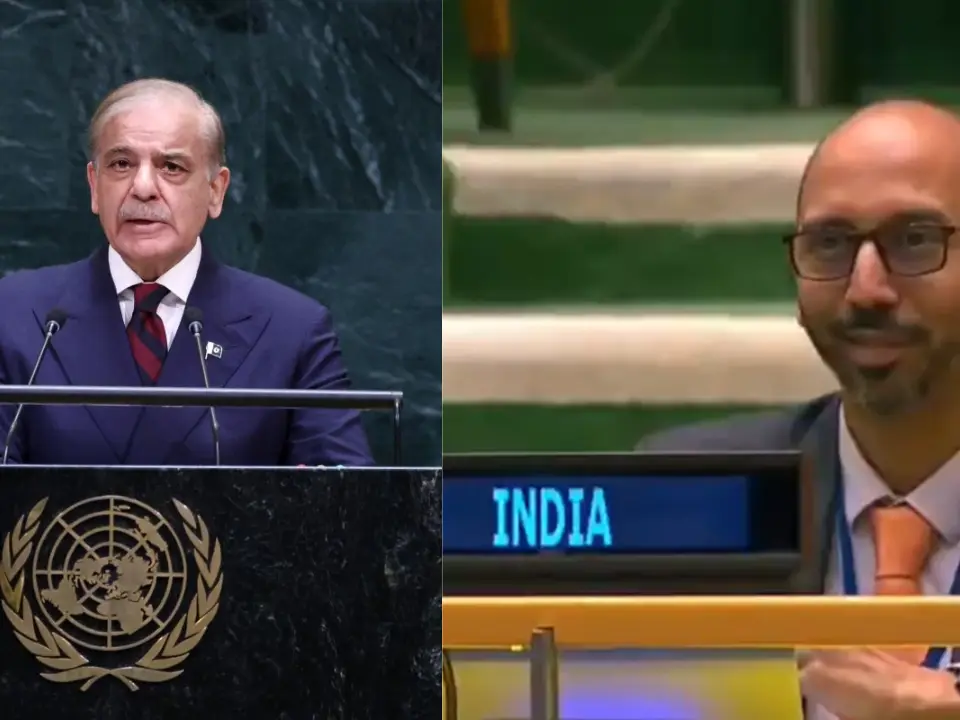)
WATCH | As Shehbaz Sharif claims Pakistan’s ‘victory’ during 2025 conflict, Indian diplomat R Srinivas laughs at UN
)
'Fund people, not bombs': Hundreds take to New York streets as Netanyahu delivers speech at UN; dozens arrested
)
'A terrorist country is asking me that question?': Jaishankar hits back at Pakistani journalist at UN; flags attacks on commercial shipping
)
Army chief reviews operational preparedness along LoC, visits mega eye camp in Tangdhar
&im=FitAndFill=(700,400))
‘Absolutely savage, sickening’: Zelensky slams Russia as daytime strikes kill 5 in Kyiv
)
‘Totally unacceptable’: Trump warns Xi over China’s support for Iran
He said the upward trend actually started after Russia's 2014 annexation of Crimea, with the effects visible now.
Europe's share of the global arms trade has already risen from 10 to 13 percent in the past five year, and this share will increase "substantially", according to Wezeman.
Britain, Norway and the Netherlands were Europe's biggest importers, it said. Ukraine's imports of major arms were very limited in the period despite tensions with Russia in the run-up to Moscow's invasion of Ukraine last month.
"Other European states are also expected to increase their arms imports significantly over the coming decade, having recently placed large orders for major arms, in particular combat aircraft from the USA," the think-tank said.
"Tensions between China and many states in Asia and Oceania are the main driver of arms imports in the region," the report's authors said in a statement.
In the Middle East, the second-largest market, accounting for 32 percent of global arms imports, the increase was three percent, driven mainly by investments in Qatar amid tensions with its Gulf neighbours.
The United States remained the world's biggest arms exporter, growing its market share to 39 per cent from 32 per cent.
SIPRI's data is based on information and estimates on international arms transfers including sales, gifts and production under licence and reflects delivery volumes, not the financial value of deals.
(With inputs from agencies)