US school shooting survivor files lawsuit against AI gun detection company

&imwidth=600&imheight=450&format=webp&quality=medium "US school shooting survivor files lawsuit against AI gun detection company")
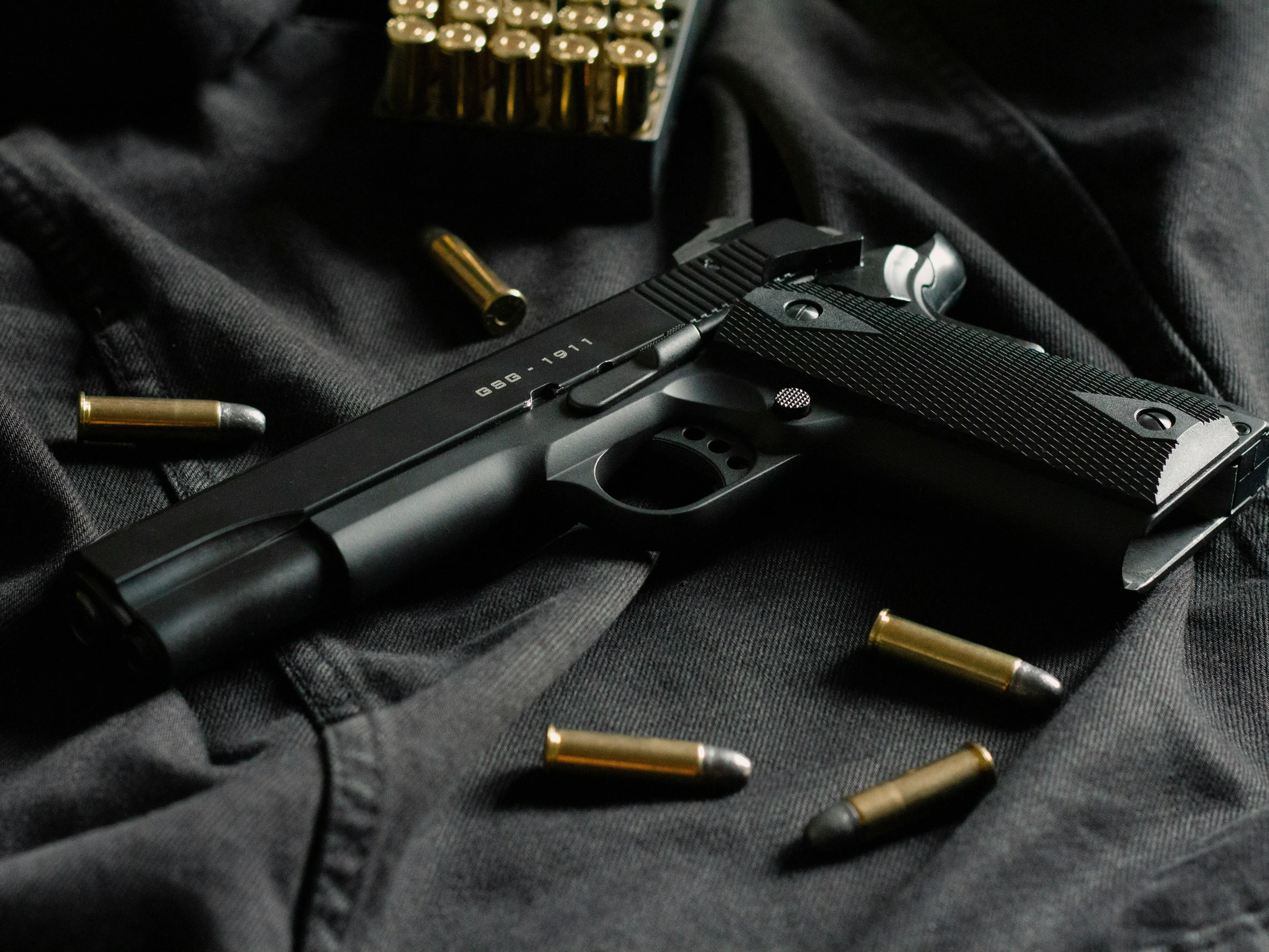
Representative image. Photograph: (Unsplash)
A lawsuit filed in Davidson County last month alleges that security firm Omnilert either knew or should have been aware of major operational shortcomings in its gun-detection technology that could lead to failures in identifying threats.
A US teen who survived a school shooting in Nashville, Tennessee, which took place in January 2025, has registered a lawsuit against the manufacturer of an AI gun detection system, as the technology failed to flag the handgun used in the attack. The incident, which took place in the Antioch High School cafeteria, has claimed the lives of two people, including a 16-year-old girl and the 17-year-old gunman, Solomon Henderson.
In 2023, the Metropolitan Nashville Public Schools (MNPS) Board approved a $1 million contract to deploy AI-powered gun detection software across its existing network of surveillance cameras and security systems. The technology was intended to identify potential shooters and improve school safety.
However, a lawsuit filed in Davidson County last month alleges that security firm Omnilert either knew or should have been aware of major operational shortcomings in its gun-detection technology that could lead to failures in identifying threats.
"Omnilert knew, or reasonably should have known, of significant operational limitations in its gun detection system that could result in detection failures during actual emergencies, including limitations based on camera placement, proximity of the weapon to camera sensors, camera angle, lighting, and weapon visibility," the lawsuit stated.
The complaint further claims that after the Nashville incident, Omnilert updated its website to draw attention to the system's significant blind spots and limitations. "Omnilert's own post-shooting revisions to its commercial website, adding for the first time disclosures that the system is subject to "falsealerts" and that human verification is designed to ‘reduce false alerts’, confirm that Omnilert possessed knowledge of these limitations at the time of sale and deployment."
Chris Smith, one of the attorneys representing the teenager involved in the case, told ArcTechnica that he was initially doubtful about the effectiveness and reliability of AI-based gun detection technology. "I just thought that it was kind of bullshit. I have a Tesla, and I think Tesla's self-driving is bullshit," he said. "It's not ready for prime time! How could you possibly be entrusting that? That's your plan to protect kids from school shootings? Why is this any better than a metal detector?"
Trending Stories
&imwidth=280&imheight=210&format=webp&quality=medium)
&im=FitAndFill=(700,400)&imwidth=280&imheight=210&format=webp&quality=medium)
&imwidth=280&imheight=210&format=webp&quality=medium)
&imwidth=280&imheight=210&format=webp&quality=medium)
&imwidth=280&imheight=210&format=webp&quality=medium)
&imwidth=280&imheight=210&format=webp&quality=medium)
&imwidth=280&imheight=210&format=webp&quality=medium)
&imwidth=280&imheight=210&format=webp&quality=medium)
&imwidth=280&imheight=210&format=webp&quality=medium)
&imwidth=280&imheight=210&format=webp&quality=medium)
&imwidth=280&imheight=210&format=webp&quality=medium)
&imwidth=280&imheight=210&format=webp&quality=medium)
&imwidth=280&imheight=210&format=webp&quality=medium)
&imwidth=280&imheight=210&format=webp&quality=medium)
&imwidth=280&imheight=210&format=webp&quality=medium)
&imwidth=280&imheight=210&format=webp&quality=medium)
&imwidth=280&imheight=210&format=webp&quality=medium)
&imwidth=280&imheight=210&format=webp&quality=medium)
&imwidth=280&imheight=210&format=webp&quality=medium)
&imwidth=280&imheight=210&format=webp&quality=medium)
&imwidth=280&imheight=210&format=webp&quality=medium)
&imwidth=280&imheight=210&format=webp&quality=medium)
&imwidth=280&imheight=210&format=webp&quality=medium)
&imwidth=280&imheight=210&format=webp&quality=medium)
&im=FitAndFill=(700,400)&imwidth=280&imheight=210&format=webp&quality=medium)
&imwidth=280&imheight=210&format=webp&quality=medium)
&imwidth=280&imheight=210&format=webp&quality=medium)
&imwidth=280&imheight=210&format=webp&quality=medium)
&imwidth=280&imheight=210&format=webp&quality=medium)
&imwidth=280&imheight=210&format=webp&quality=medium)
&imwidth=280&imheight=210&format=webp&quality=medium)
&imwidth=280&imheight=210&format=webp&quality=medium)
&imwidth=280&imheight=210&format=webp&quality=medium)
&imwidth=280&imheight=210&format=webp&quality=medium)
Also read: 'Why should we pick a fight...': Netanyahu calls off massive Iran strike after Trump's warning call
High School shooting incident
Last Wednesday, an 18-year-old was killed, and three others were injured during a shooting incident that occurred at a high school graduation ceremony in California's Bay Area. The incident erupted after the ceremony for Sem Yeto High School, which started at 6 pm local time. Meanwhile, the police couldn't publicly identify the mass shooting victims "pending next-of-kin notification and to protect the integrity of the ongoing investigation".
"Three victims, ages 11, 20, and 25, sustained non-fatal gunshot injuries. A fourth victim, an 18-year-old, succumbed to their injuries," said Fairfield Police Officer Michelle Belyea.

