'Massive attack coming... wait, never mind': Iran mocks US 'theatre diplomacy,' rejects Trump's claim of Hormuz progress

&imwidth=600&imheight=450&format=webp&quality=medium "'Massive attack coming... wait, never mind': Iran mocks US 'theatre diplomacy,' rejects Trump's claim of Hormuz progress")
'Massive attack... now negotiate?': Iran's Ghalibaf mocks US amid Hormuz tensions Photograph: (AFP)
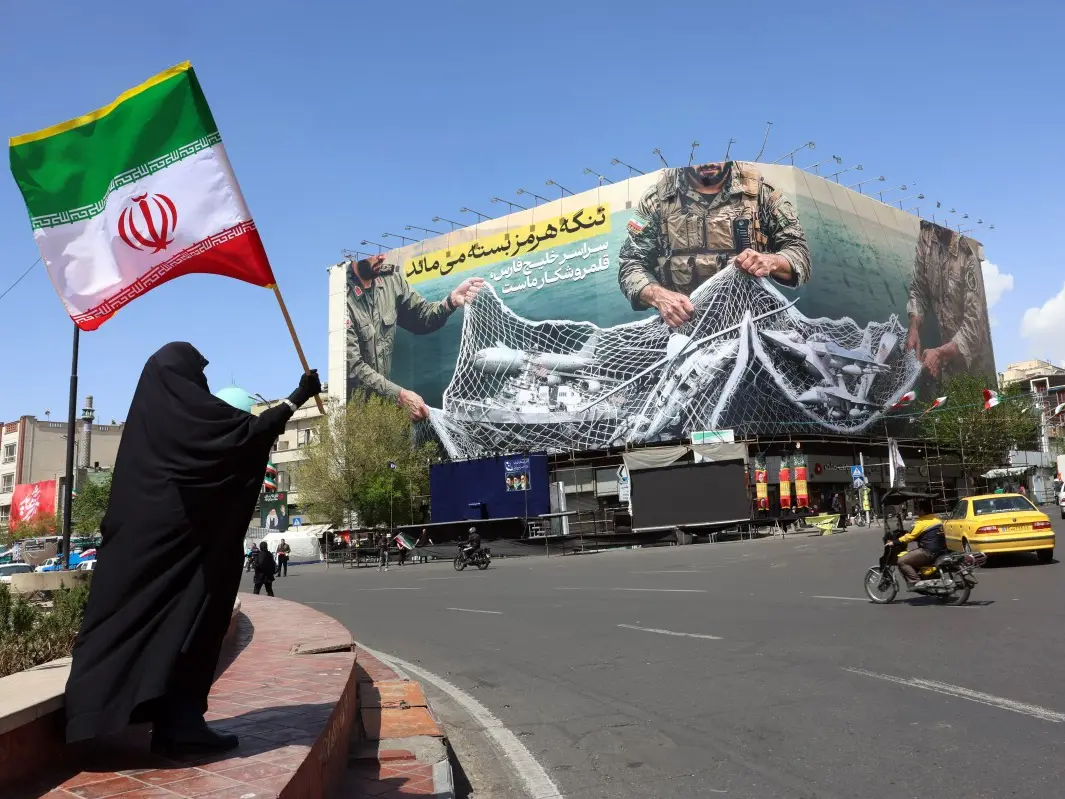
Iran's Parliament Speaker Mohammad Bagher Ghalibaf has accused the United States of engaging in "theatre diplomacy", rejecting President Donald Trump's claims that talks over reopening the Strait of Hormuz are progressing. Tehran insists no negotiations are taking place.
Iran's Parliament Speaker and chief negotiator Mohammad Bagher Ghalibaf on Thursday (Aug 6) accused the United States of engaging in "theatre diplomacy," dismissing Washington's negotiating tactics as ineffective amid escalating tensions over the Strait of Hormuz.
His remarks come after US President Donald Trump claimed the two sides were making progress in talks over reopening the strategic waterway, an assertion that Tehran has firmly denied.
Also read | Born in the USA? Trump targets 'birth tourism' with new birthright citizenship executive order
Ghalibaf: 'We don't need more theatre'
In a post on X on Thursday, Ghalibaf took a direct swipe at Washington's approach, accusing it of alternating between military threats and calls for negotiations. "Massive attack coming... wait, never mind, they want to negotiate. That's theatre diplomacy on loop," he wrote.
“Using bullying + broken promises + fake news as leverage is a failed strategy. Acknowledge the facts and fulfil your commitments. We don't need more theatre.”
Trending Stories
)
)
)
)
)
)
)
)
)
)
)
)
)
)
)
&im=FitAndFill=(700,400))
)
)
)
)
)
)
)
)
)
&im=FitAndFill=(700,400))
)
)
)
)
)
)
)
)
)
)
)
Iran says military is ready for any threat
The rhetoric was echoed by Iran's Acting Defence Minister Brigadier General Majid Ebn-e-Reza, who said the country's armed forces were fully prepared to respond to any external challenge.
According to Iran's state news agency IRNA, Ebn-e-Reza said Iran's military strength was built on its domestic defence industry rather than foreign weapons. "Every day, the signs of the enemy's erosion of power become more evident; however, our Armed Forces, relying on the country's defence industry, are fully equipped to respond to any threat," he said.
He also claimed that countries dependent on imported military equipment would eventually realise that Iran's indigenous defence capabilities had surpassed those of regional rivals.
Trump says talks are progressing
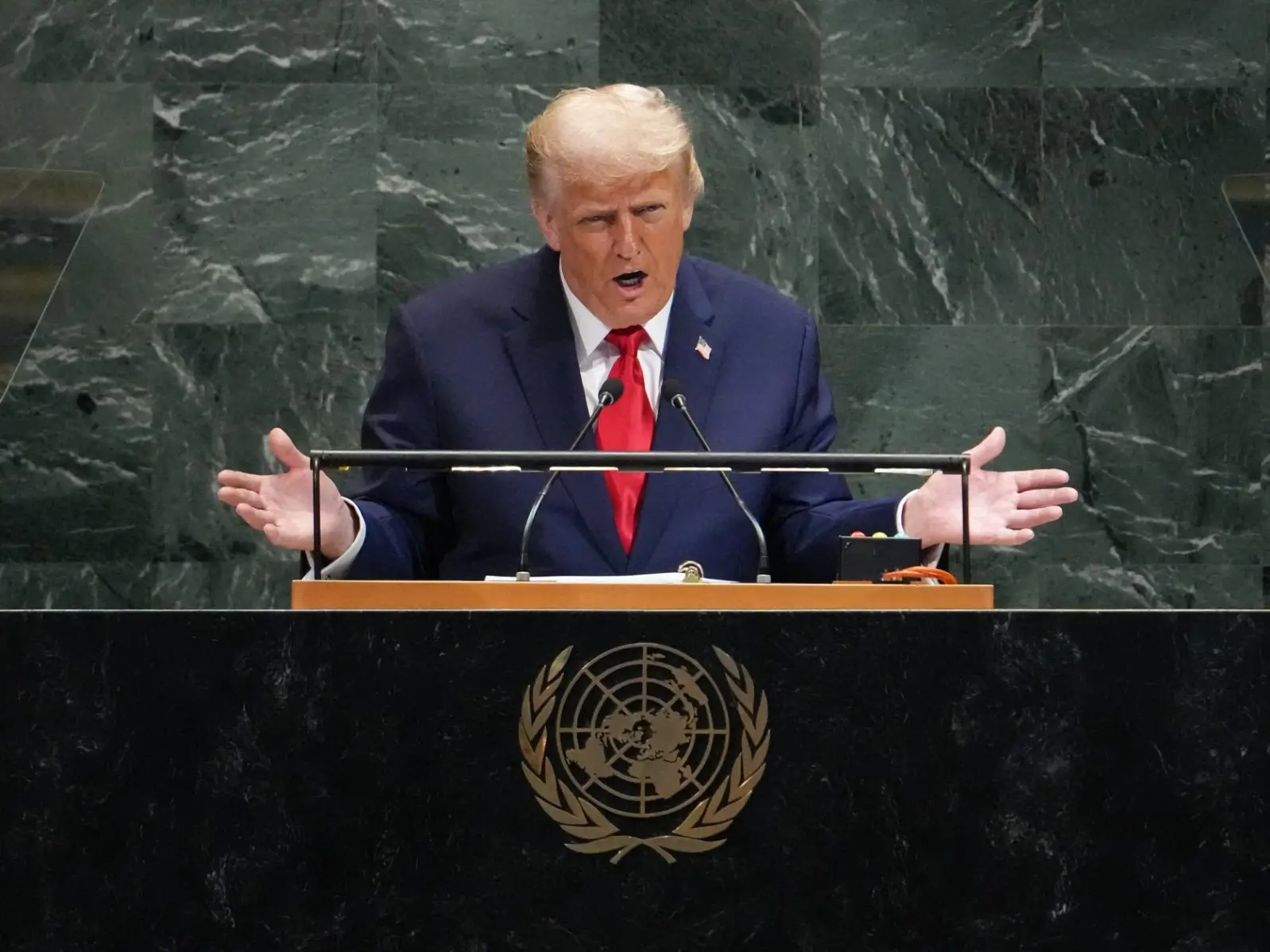
The exchange follows fresh remarks by Trump, who warned that Iran would be "hit very hard" if the Strait of Hormuz was not reopened "very soon." The US president also said Washington was engaged in "very good discussions" with Iranian officials and suggested Tehran had reached out to negotiate.
The Strait of Hormuz is one of the world's most strategically important shipping lanes, carrying a significant share of global oil and liquefied natural gas exports.
Tehran rejects negotiations
Iran quickly rejected Trump's claims. Foreign Ministry spokesperson Esmaeil Baqaei said Tehran was "not holding any negotiations with the United States at present," adding that Iran's diplomatic team remained in Tehran, with Foreign Minister Abbas Araghchi away on a pilgrimage to Iraq.
Meanwhile, US Vice President JD Vance acknowledged that talks, if they occur, would likely be difficult. In an interview with Fox News, Vance described Iran's leadership as divided and said negotiations would be "messy" and "take some time." He added that Washington would continue using military, economic and diplomatic pressure while maintaining that Iran would never be allowed to acquire a nuclear weapon.`

