Like China, can Modi harness the potential of the Indian diaspora?

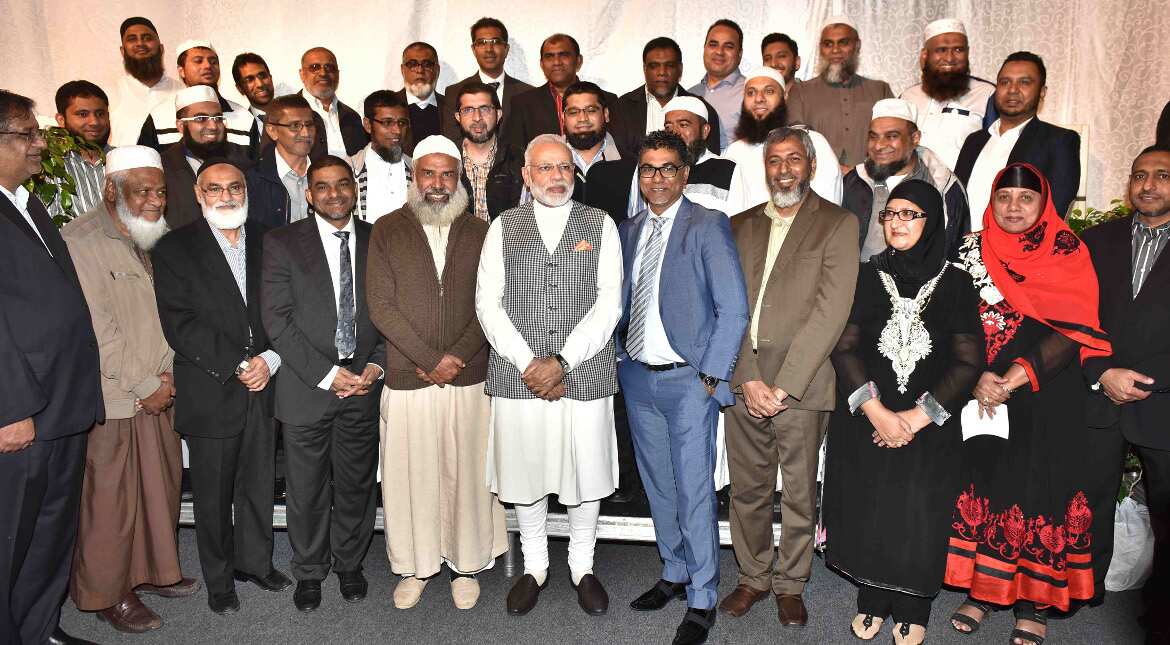
Indian diaspora
To equal China's diaspora engagement, India needs to take care of poor infrastructure, red tape, and labour market regulations which refrain a PIO or NRI to invest in India.
Each time India's Prime Minister Narendra Modi visits a foreign country, he makes it a point to meet and address the Indian diaspora living in that place. Clearly, the Indian government has come to recognise that diaspora is a valuable strategic asset. They are the new elite of this world. But having said that, unlike China, India does not seem to fully reap the economic and political potential of the nation's diaspora successfully enough. Indian government’s engagement with its diaspora hasn't evolved beyond recognising its importance to a more active state yet.
China’s diaspora policies in action: “going out and inviting in”
The overseas Chinese enjoy an extremely strong sense of shared identity as well as a powerful attachment to China. They have played a crucial role in China's economic growth, providing the lion's share of inward investment. But this is not solely due to the patriotic feeling one has towards his motherland but due to China's extensive diaspora engagement policy and institutional apparatus.

The government has made a concerted attempt to embrace all ethnic Chinese, regardless of nationality or date of migration, as part of the Chinese family and, hence, tied to the Chinese nation. At the Third Plenum of the Fourteenth Party Congress in 1993, the Chinese government launched the ‘twelve words’ policy of supporting overseas studies and encouraging the return of Chinese students.
)
Trump-Xi Summit: Trade, Taiwan and the red lines shaping US-China talks | Race To Power
)
US citizen injured in Illinois after ICE agents mistook him for fugitive, hospitalised
)
US judge questions Trump’s decision to ban CNN, MS NOW and Politico from White House
)
Afghan woman cyclist who disguised herself as a boy to escape Taliban, wins Asian Games medal
)
Italy hit by floods in the north, drought in the south
)
'There will be elections': Venezuela's interim leader Delcy Rodriguez makes big announcement at UN
)
Would you date an AI? South Korea’s My AI Partner: Strange Love sparks buzz on relationship and intimacy
)
'Arrogant parasites': Milei blasts UN over Falklands dispute, warns Argentina will ‘take matters into our own hands’
)
IIT Bombay CCTV footage emerges: Sahil Wakode seen looking at phone in examination hall
)
Cyclone Arnab: Landfall expected before midnight tomorrow as IMD issues orange alerts across six states
)
9 killed, several injured as tourist bus catches fire on Yamuna Expressway
)
NBA player Steven Adams shares hilarious GTA VI theory
)
WION Iconic Tourism Summit 2026: Union Minister Shekhawat on 'experiential travel', peace diplomacy
)
'AI got into my speech': Prince Harry jokes after teleprompter failure at event in New York
)
Scientists detect first radio signals directly from faraway planet
)
China to test supersonic jet that moves at Mach 2, double the speed of sound
)
WION Iconic Tourism Summit: 'Hanuman Ansh' Director on blockbuster success
)
'Partners rather than rivals': Xi Jinping's first message after landing in US for Trump summit
)
WION Iconic Tourism Summit: Is India's travel boom outrunning its airports, airlines and hotels?
)
IIT Bombay student suicide case: CCTV from the exam hall hours before suicide
)
2,000-foot tube, laser tests and more: China builds towns to expand nuclear arsenal, satellite images show
)
French court upholds decision to send PSG and Morocco footballer Hakimi to rape trial
)
WION Iconic Tourism Summit and Awards 2026: Key voices to discuss India’s tourism future
&im=FitAndFill=(700,400))
New OTT releases this week (September 21-27, 2026): Shaque: Trust No One, Hunkkaar, Don’t Be Shy- 5 new titles coming to Netflix, Prime Video and more
)
WATCH | China President Xi Jinping lands in US as Trump greets him ahead of high-stakes summit
)
Australian PM Anthony Albanese calls OpenAI AI incident 'unacceptable' after restricted data access
)
Claude Opus 5.5 is here: Anthropic claims it can finish a 680,000-line code migration in less than a day
)
'What kind of confession is this?': Pakistan PM Shehbaz Sharif’s 'terrorists would be roaming New York' remark goes viral, raises alarm online. Watch
)
WION Iconic Tourism Summit: How local tourism MSMEs must upskill for AI integration
)
Eight USS Abraham Lincoln sailors attempted suicide, Acting Navy Secretary says
)
Trump’s Board of Peace unveils $2.45bn Gaza plan,66 projects: But where’s the money?
)
EC appointment law: Why is the 2023 act controversial, and what happens next? WION explains
)
'Putin is patient zero': Zelensky slams Russian president at UNGA, accuses him of using fighters from 47 countries
&im=FitAndFill=(700,400))
National Film Awards 2026: Kartik Aaryan, Mammootty, Yami Gautam, Randeep Hooda and other key winners
)
El Niño 2026 heats up to become strongest in 1,000 years
)
Israeli envoy to US Yechiel Leiter’s son critically injured in West Bank ramming attack
&im=FitAndFill=(700,400))
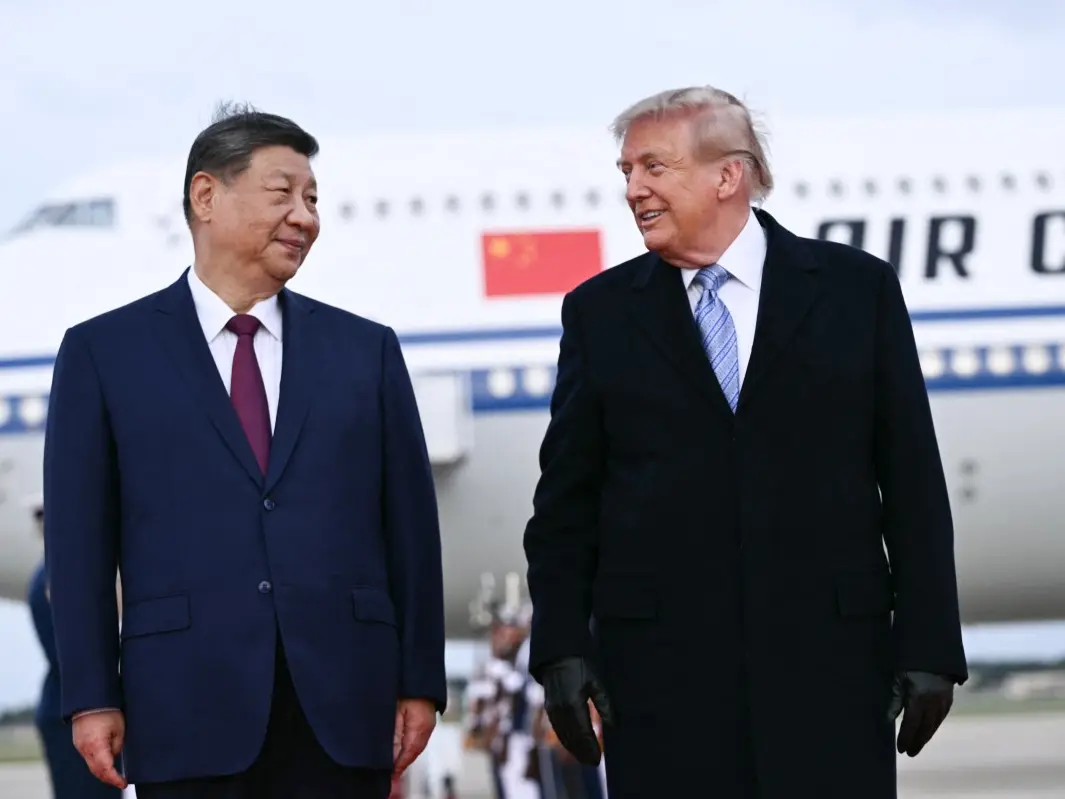
Trump welcomes Xi Jinping in rare airport gesture: Photos from Chinese President's arrival in US
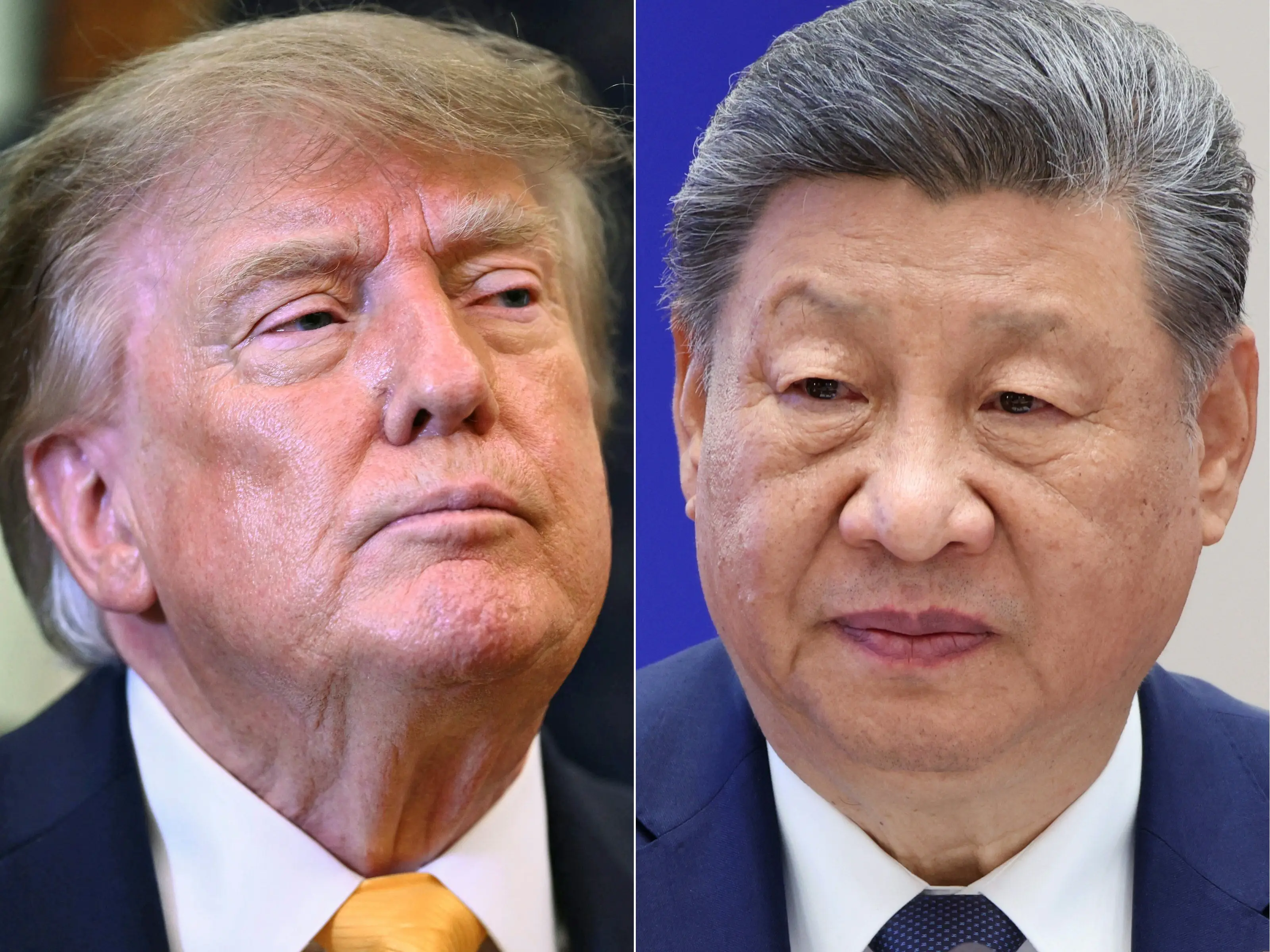)
Xi-Trump meeting: China’s human rights red line and past protests explained
Xi Jinping in 2013 expanded the ‘twelve words’ policy by adding four additional words ‘fahuizuoyong’ (playing a role), pledging that the CCP and the government would ensure that the Chinese diaspora could play a significant role when returning to China, and that it could contribute to China’s development when remaining overseas.
There are several programmes, such as the ‘Changjiang Scholars Programme’ or the ‘Hundred Talents Programme’ which offer high salaries and research funds for overseas Chinese. Similarly, “1000 Talents” programme offers high-level academic positions to senior Chinese scholars with PhDs up to 20 times higher than what a local faculty makes. It also seeks to draw innovators in specialist engineering and high technology sectors that will create companies or jobs in China. Moreover, China’s “Roots Seeking” programmes for overseas youth promotes Chinese language and culture abroad. It has over the last two decades aggressively courted the return of its highly-skilled diaspora through a variety of employment and scholarship programmes.
CCTV, China’s state broadcaster, is also aiming to grow an international network to carry its soap operas and news worldwide. CICC streams Chinese content from CCTV and provincial broadcasters to overseas Chinese audiences and is now setting its sights at non-Chinese audiences too. The CCTV-4 channel has three different time-shifted feeds—Beijing Time, Greenwich Mean Time, and Eastern Standard Time.
Therefore, the vision of Xi Jinping to revitalise the nation and to realise the Chinese Dream, since 2012, has provided a foundation for the current efforts in China’s diaspora engagement. Increasing attention has been paid to attracting Chinese talents overseas because of their technical know-how and their exposure to international practices.
India’s diaspora engagements: ‘going out and trying to invite in’
India has always tried to harness the potential of its diaspora community but its importance has been emphasised like never before lately. At a recent celebration of Pravasi Bharatiya Divas in January 2017, Prime Minister Modi said: “We are converting the brain drain to brain gain”.
The government has eased travel and residency policies for diaspora members, which helps in fostering more back-and-forth exchange. It has merged the erstwhile OCI and PIO cards so that the diaspora members can now enjoy lifetime visa access to India and certain educational and financial benefits comparable to those of citizens. It has also simplified rules and procedures and has set up “single window” clearances to members of the diaspora community who are desirous of implementing socially relevant projects in India. The government has also launched a new training plan for low-skilled Indian youth who are seeking blue collar jobs abroad so that they are better prepared and less likely to be exploited or abused.
This new outreach towards the diaspora can be seen from the long list of countries the Indian Prime Minister has visited to interact extensively with different classes and categories of Indian diaspora. India hopes to cultivate soft power among those of Indian heritage out of such engagements. As India gets remittances worth 3.4 per cent of its GDP, making India the largest remittance receiving country, the prime minister has also asked diaspora members to invest in various social projects, such as in improving rural sanitation.
India needs to walk the walk
While India is surely talking the talk but India needs to walk the walk too like China. A lot more has to be done to reap benefits from the Indian diaspora. To start with, challenges, such as poor infrastructure, red tape, labour market regulations, etc. needs to be taken care of which refrains a PIO or NRI to invest in India.
While India also has programmes like ‘know India’, but there are not extensive like China, considering the number of intakes that India has is around 35 and China 30000. India is already struggling with unemployment so it is also not able to offer lucrative employment opportunities to the overseas Indians like China is. In the number of scholarships given to diaspora children, India lag far behind as it only supports 100 children in comparison to China’s 3000 annually.
Although India’s official radio broadcaster, All India Radio, covers over 108 countries in 27 languages, India’s official television broadcaster, Doordarshan, lags behind. In comparison, China’s national radio and television have emerged as the binding force of the whole Chinese diaspora community.
India needs to expand its globally oriented programmes and schemes in number and reach. They have to become visible worldwide for promoting India’s interests and to attract a much wider diaspora. Hence, with some policy initiatives, India can multiply the economic value of diaspora contributions, use their talent and industriousness and make it more attractive for them to step up participation in India’s development.
To conclude, although the focus of the Chinese and Indian governments differ in their engagements with its diaspora but both the countries recognise diaspora not just as economic remittances but also social remittances in the form of knowledge, expertise, ideas and practices. India, however, needs to ramp up its efforts if it wants to match the level of engagement maintained by China.